

![Image [1]-Pesticide Spraying Drone-msoen](https://www.msoen.com/wp-content/uploads/2025/04/0e151c96c1214759.jpg)
![Image [2]-Pesticide Spraying Drone-msoen](https://www.msoen.com/wp-content/uploads/2025/04/4e0d9ec2ca214327.jpg)
![Image [3]-Pesticide Spraying Drone-msoen](https://www.msoen.com/wp-content/uploads/2025/04/164e113f97214114.jpg)
![Image [4]-Pesticide Spraying Drone-msoen](https://www.msoen.com/wp-content/uploads/2025/04/4e0da2d332214638.jpg)
![Image [5]-Pesticide Spraying Drone-msoen](https://www.msoen.com/wp-content/uploads/2025/04/0f937885e9184642.jpg)
![Image [6]-Pesticide Spraying Drone-msoen](https://www.msoen.com/wp-content/uploads/2025/04/27fe7401e7184641.jpg)
![Image [7]-Pesticide Spraying Drone-msoen](https://www.msoen.com/wp-content/uploads/2025/04/3ea0601715184639.jpg)
Introduction
Modern agriculture is facing new challenges. Farmers must produce more food while dealing with labor shortages, rising operational costs, and the increasing need for sustainable farming practices. One of the most effective technologies helping farmers overcome these challenges is the pesticide spraying drone.
A pesticide spraying drone is an unmanned aerial system designed to spray pesticides, herbicides, and liquid fertilizers over farmland with high precision. Compared with traditional manual spraying or tractor-based spraying systems, drone technology offers higher efficiency, better coverage, and improved safety for farm workers.
In recent years, agricultural drones have become an important tool in precision farming. Many farms, agricultural cooperatives, and crop service companies are now investing in pesticide spraying drones to improve crop protection and increase productivity.
What Is a Pesticide Spraying Drone
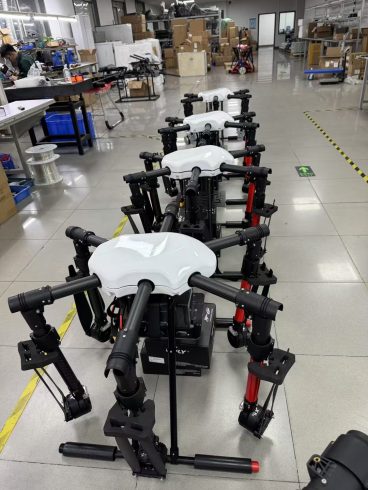
A pesticide spraying drone is a specialized agricultural drone equipped with a liquid tank and spraying system. It flies above crops and distributes pesticides evenly across the field through a controlled spraying mechanism.
The drone typically includes several important components:
A high-capacity pesticide tank for carrying liquid chemicals.
An intelligent flight control system that allows automatic navigation across the field.
High-efficiency spray nozzles designed to distribute droplets evenly.
Powerful motors and propellers that provide stable flight.
GPS or RTK positioning technology for accurate route planning.
Together, these systems allow the drone to perform precise aerial spraying operations, ensuring crops receive the correct amount of pesticide.
Why Farmers Are Choosing Pesticide Spraying Drones
Farmers around the world are adopting pesticide spraying drones because they offer many advantages compared with traditional spraying equipment.
Higher Efficiency
A pesticide spraying drone can cover large areas quickly. Depending on the drone model and tank capacity, a professional agricultural drone can spray between 10 and 20 hectares per hour.
This allows farmers to complete spraying tasks much faster than manual methods.
Reduced Labor Costs
Manual pesticide spraying requires multiple workers and significant time. With a drone, a single operator can manage the entire spraying process.
This greatly reduces labor costs and improves farm efficiency.
Precision Application
Modern drones follow automated flight paths and maintain consistent altitude during spraying. This ensures even distribution of pesticides across crops.
Precision spraying reduces chemical waste and improves pest control results.
Improved Worker Safety
Manual spraying exposes workers to pesticides, which can be harmful to health. Using a drone allows farmers to control the spraying operation remotely, reducing direct contact with chemicals.
Access to Difficult Areas
Some farmland is difficult for tractors or ground equipment to reach. Drones can easily fly over uneven terrain, muddy fields, or tall crops.
This makes pesticide spraying drones ideal for:
Rice fields
Fruit orchards
Tea plantations
Mountain farms
Key Features of Professional Pesticide Spraying Drones
When selecting a pesticide spraying drone, farmers and agricultural companies should consider several important features.
Large Capacity Spray Tank
Professional agricultural drones often include tanks ranging from 10 liters to 40 liters or more. Larger tanks allow the drone to spray larger areas without frequent refilling.
Intelligent Flight Control
An advanced flight controller allows the drone to follow automated routes across the field. The system can plan spraying paths and maintain consistent coverage.
High Efficiency Spray System
Modern spray nozzles create fine droplets that adhere well to plant surfaces. This improves pesticide absorption and increases spraying effectiveness.
Long Flight Time
Battery performance is critical for agricultural operations. Efficient power systems allow drones to operate longer and cover more land in a single flight.
Obstacle Detection
Some advanced drones include radar or sensors that detect obstacles such as trees or power lines. This helps ensure safe and reliable operation.
Crops Suitable for Pesticide Spraying Drones
Pesticide spraying drones are suitable for many different types of crops and agricultural environments.
Common applications include:
Rice farms where fields are often flooded.
Wheat and corn farms requiring large-scale crop protection.
Cotton plantations where pest control is critical.
Fruit orchards that require regular pesticide spraying.
Vegetable farms that need precise application of chemicals.
Tea plantations located in mountainous areas.
Because drones fly above crops, they can distribute pesticides evenly without damaging plants.
How Pesticide Spraying Drones Improve Farm Productivity
Agricultural drones do more than simply spray pesticides. They also help farmers manage crops more effectively and improve overall productivity.
First, drones allow farmers to respond quickly to pest outbreaks. When insects or diseases appear in crops, rapid spraying is essential to prevent damage.
Second, precision spraying reduces pesticide waste. Because drones apply chemicals evenly and accurately, farmers can use smaller amounts while achieving better results.
Third, drones save valuable time during peak farming seasons. Instead of spending days spraying fields manually, farmers can complete the task within hours.
These advantages help farms increase crop yields and reduce operational costs.
Environmental Benefits of Pesticide Spraying Drones
Modern agriculture must balance productivity with environmental responsibility. Pesticide spraying drones support more sustainable farming practices.
Precision spraying reduces chemical overuse, which helps protect soil quality and water resources.
Because drones spray crops from the air, they also reduce soil compaction caused by heavy machinery.
Additionally, drones can adjust spray volume and droplet size according to crop conditions. This minimizes environmental impact while maintaining effective pest control.
Business Opportunities in the Agricultural Drone Industry
The global agricultural drone market is growing rapidly as more farms adopt precision agriculture technologies.
This growth creates significant business opportunities for distributors, agricultural service companies, and entrepreneurs.
Possible business models include:
Providing drone-based crop spraying services to farmers.
Becoming a regional distributor for agricultural drone products.
Offering drone training and technical support services.
Supplying agricultural equipment to farming cooperatives.
With the increasing demand for efficient farming solutions, pesticide spraying drones are becoming a valuable investment for many agricultural businesses.
Why Choose MSOEN Pesticide Spraying Drones
MSOEN specializes in developing advanced drone technology for agricultural and industrial applications. Our pesticide spraying drones are designed to meet the needs of modern farms and agricultural service providers.
MSOEN drones offer several advantages:
High-capacity pesticide tanks for large farm operations.
Reliable flight control systems for accurate spraying routes.
Efficient spray technology that improves pesticide coverage.
Durable industrial-grade structures for long-term use.
Simple operation suitable for farmers and service companies.
MSOEN agricultural drones are widely used by farms, agricultural cooperatives, and crop protection service providers.
Support for Distributors and Agricultural Businesses
MSOEN also supports distributors and agricultural technology companies that want to enter the agricultural drone market.
We provide:
OEM and ODM manufacturing services.
Bulk purchase options for distributors.
Technical support and product training.
Global shipping and logistics assistance.
Our goal is to help partners build successful agricultural drone businesses in their local markets.
Contact Us for Pesticide Spraying Drone Solutions
If you are looking for a reliable pesticide spraying drone supplier, MSOEN can provide high-quality products and professional support.
Whether you are a farmer, agricultural service company, or equipment distributor, our team can help you find the right drone solution for your needs.
Contact us today to request product specifications, pricing information, or partnership opportunities.
Working with a professional drone manufacturer will allow you to take advantage of modern agricultural technology and improve the efficiency of your farming operations.
Frequently Asked Questions
How much land can a pesticide spraying drone cover
A professional agricultural drone can typically spray between 10 and 20 hectares per hour depending on the tank capacity and flight speed.
Are pesticide spraying drones difficult to operate
Most modern drones include automated flight systems and user-friendly control software, making them relatively easy to operate after basic training.
Can drones reduce pesticide use
Yes. Precision spraying allows farmers to use pesticides more efficiently, reducing waste while maintaining effective pest control.
Are pesticide spraying drones suitable for large farms
Yes. Large farms benefit the most from drone technology because drones can cover large areas quickly and reduce labor requirements.








No comments yet