

![Image [1]-Oil Pipeline Inspection Drone-msoen](https://www.msoen.com/wp-content/uploads/2026/01/5ced0788d4195152-768x1024.jpg)
![Image [2]-Oil Pipeline Inspection Drone-msoen](https://www.msoen.com/wp-content/uploads/2026/01/cf212fb489195220-768x1024.jpg)
![Image [3]-Oil Pipeline Inspection Drone-msoen](https://www.msoen.com/wp-content/uploads/2026/01/529a7ff665195152-768x1024.jpg)
![Image [4]-Oil Pipeline Inspection Drone-msoen](https://www.msoen.com/wp-content/uploads/2026/01/490dfc895f192828-768x1024.jpg)
![Image [5]-Oil Pipeline Inspection Drone-msoen](https://www.msoen.com/wp-content/uploads/2026/01/25b1b8e53d192813-768x1024.jpg)

📌 Quick Overview
Oil pipelines extend across deserts, forests, mountains, and remote industrial zones. Monitoring these pipelines is essential to prevent leaks, environmental damage, and costly operational failures. Traditional inspection methods rely on ground patrols or helicopters, which can be expensive and slow. An oil pipeline inspection drone offers a faster, safer, and more cost-effective solution for pipeline monitoring. Equipped with high-resolution cameras, thermal sensors, and intelligent navigation systems, professional UAV solutions from MSOEN help energy companies inspect pipelines efficiently and detect potential risks before they become serious problems.
The Growing Need for Pipeline Inspection Technology
Oil and gas pipelines are among the most critical infrastructure in the global energy industry. Thousands of kilometers of pipelines transport crude oil, refined fuels, and natural gas every day.
Because these pipelines run through remote and difficult environments, they are exposed to multiple risks, including:
- Corrosion and structural degradation
- Ground movement and soil erosion
- Illegal tapping or theft
- Oil leaks and environmental hazards
- Mechanical damage from construction activities
If these issues are not detected early, they can lead to pipeline failures, environmental disasters, and significant financial losses.
Traditional inspection methods often involve manual patrol teams or helicopter surveillance, which are costly and sometimes dangerous.
This is why many energy companies are adopting oil pipeline inspection drones as a modern solution.
What Is an Oil Pipeline Inspection Drone?
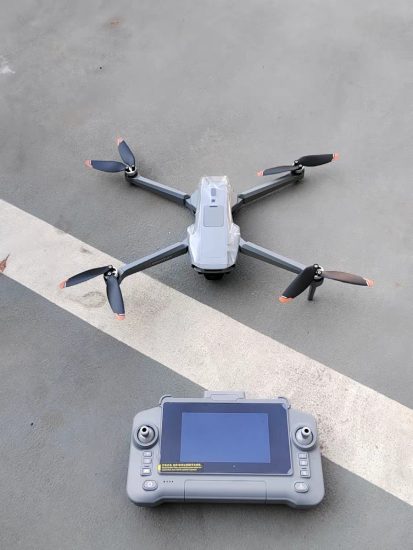
An oil pipeline inspection drone is an unmanned aerial vehicle (UAV) designed specifically for monitoring and inspecting pipeline infrastructure.
These drones are equipped with specialized sensors that allow operators to observe pipeline conditions from the air and collect detailed inspection data.
Typical drone inspection systems include:
- High-resolution optical cameras
- Thermal infrared sensors
- GPS positioning systems
- Long-range communication links
- Intelligent flight control systems
The drone follows the pipeline route while capturing real-time video and images. Operators can analyze the data to identify damage, leaks, or unauthorized activity along the pipeline.
Industrial UAV platforms from MSOEN provide reliable aerial monitoring capabilities for energy companies operating long-distance pipelines.
Advantages of Using Drones for Pipeline Inspection
Drone technology offers several advantages over traditional inspection methods.
Faster Pipeline Monitoring
Pipeline networks often stretch hundreds or thousands of kilometers. Inspecting these areas manually can take days or weeks.
A drone inspection system can survey large sections of pipeline quickly and efficiently.
With aerial coverage, operators can monitor long distances within a short time, significantly improving inspection efficiency.
Improved Safety
Many pipelines run through remote or hazardous environments such as deserts, mountains, forests, or offshore areas.
Sending personnel into these environments for inspection can be dangerous.
Using drones allows operators to conduct inspections remotely, reducing the risk to maintenance teams.
MSOEN UAV systems allow operators to monitor pipeline conditions safely from a secure location.
Reduced Inspection Costs
Helicopter surveillance has traditionally been used for pipeline monitoring, but helicopter operations are extremely expensive.
Drone inspection provides a much more cost-effective alternative.
Compared with helicopter patrols, UAV inspections require:
- Less fuel
- Smaller operational teams
- Lower maintenance costs
This allows companies to perform inspections more frequently while maintaining budget efficiency.
Early Leak Detection
Pipeline leaks can cause serious environmental damage and financial loss.
Thermal imaging technology allows inspection drones to detect temperature differences that may indicate leaks or abnormal activity around pipelines.
Early detection enables operators to take immediate action and prevent larger incidents.
MSOEN inspection drones support advanced sensor systems that help detect anomalies along pipeline routes.
Real-Time Data and Reporting
Modern inspection drones provide real-time data transmission.
Operators can monitor pipeline conditions live and capture detailed images for further analysis.
Inspection reports can include:
- Exact GPS coordinates of potential problems
- High-resolution visual documentation
- Thermal imaging analysis
- Maintenance recommendations
This data-driven approach improves decision-making and helps companies maintain pipeline safety.
Key Features of Professional Oil Pipeline Inspection Drones
To operate effectively in industrial environments, pipeline inspection drones must include advanced technical capabilities.
Long-Range Flight Capability
Pipeline inspection often requires covering long distances.
Professional UAV systems provide extended flight range and endurance, allowing operators to inspect long pipeline segments in a single mission.
MSOEN UAV platforms are designed for long-distance industrial inspection operations.
High-Resolution Imaging Systems
Detailed inspection requires clear imaging.
Professional inspection drones use advanced cameras capable of capturing high-definition photos and videos, enabling engineers to identify structural issues or surface damage along pipelines.
Thermal and Multispectral Sensors
Thermal sensors are essential for detecting leaks and abnormal heat patterns.
Multispectral imaging can also help detect environmental changes around pipeline corridors.
These technologies improve the accuracy of pipeline inspections.
Stable Flight in Harsh Environments
Pipeline routes often pass through areas with strong winds and extreme weather conditions.
Professional UAV systems require powerful motors, aerodynamic frames, and intelligent stabilization systems.
MSOEN drones are engineered to maintain stable flight even in challenging industrial environments.
Intelligent Navigation and GPS Mapping
Accurate positioning is essential for pipeline inspections.
Advanced UAV navigation systems allow drones to follow precise pipeline routes and record the exact location of inspection findings.
This makes it easier for maintenance teams to locate and repair problems.
Applications of Oil Pipeline Inspection Drones
Oil pipeline inspection drones are used in various operational scenarios across the energy industry.
Routine Pipeline Monitoring
Regular drone patrols help operators monitor pipeline conditions and detect potential problems early.
Routine inspections improve safety and reduce unexpected failures.
Leak Detection and Environmental Monitoring
Drones equipped with thermal cameras can detect leaks or abnormal heat signatures along pipelines.
Early detection helps prevent environmental contamination.
Security Surveillance
Illegal tapping and theft are serious issues in some pipeline regions.
Drone surveillance allows operators to monitor pipeline corridors and detect unauthorized activities quickly.
Post-Disaster Assessment
Natural disasters such as earthquakes, floods, or landslides can damage pipelines.
Drone inspections allow operators to quickly assess damage and plan emergency repairs.
Why Choose MSOEN Oil Pipeline Inspection Drones
Selecting the right UAV platform is critical for industrial inspection operations.
MSOEN specializes in developing professional UAV solutions designed for demanding energy industry applications.
Key advantages include:
✔ Industrial-grade drone design
✔ Long-range inspection capability
✔ High-resolution imaging systems
✔ Thermal sensor compatibility
✔ Stable flight performance
✔ Custom OEM and ODM UAV solutions
With advanced UAV engineering and reliable flight technology, MSOEN provides effective inspection tools for oil and gas infrastructure monitoring.
The Future of Drone-Based Pipeline Inspection
Drone technology continues to evolve, and pipeline inspection systems are becoming more intelligent and automated.
Future developments may include:
- Artificial intelligence for automatic defect detection
- Autonomous long-distance pipeline patrols
- Real-time cloud data analysis
- Integration with geographic information systems (GIS)
These innovations will further improve inspection accuracy and operational efficiency.
MSOEN continues to develop advanced UAV platforms that support the future of intelligent infrastructure monitoring.
Implementing Drone Inspection for Pipeline Operations
Energy companies looking to adopt drone inspection technology should follow several key steps:
- Select a professional industrial UAV system
- Train certified drone pilots
- Establish standardized inspection procedures
- Implement data management and analysis systems
- Schedule regular inspection flights
Partnering with a professional UAV manufacturer like MSOEN ensures reliable equipment and technical support for pipeline monitoring projects.
Conclusion
Oil pipeline inspection drones are transforming how energy companies monitor and protect critical infrastructure.
By replacing costly helicopter patrols and manual inspections, drone technology offers a faster, safer, and more efficient solution for pipeline monitoring.
With high-resolution imaging, thermal detection, and intelligent navigation systems, UAV inspections help detect potential risks early and prevent costly failures.
Professional UAV platforms from MSOEN deliver the reliability, performance, and advanced technology required for modern oil pipeline inspection operations.
As the global energy industry continues to evolve, drone inspection systems will become an essential tool for ensuring the safety and efficiency of pipeline networks.
FAQ
What is an oil pipeline inspection drone?
An oil pipeline inspection drone is a UAV designed to monitor pipelines from the air. It uses high-resolution cameras and sensors to detect leaks, structural damage, and security risks along pipeline routes.
How do drones detect pipeline leaks?
Inspection drones use thermal infrared sensors to detect abnormal temperature patterns around pipelines. These patterns may indicate leaks or fluid escaping from the pipeline.
Are drone inspections more cost-effective than helicopters?
Yes. Drone inspections are significantly cheaper than helicopter patrols. UAV operations require fewer personnel, less fuel, and lower maintenance costs.
How far can pipeline inspection drones fly?
Depending on the drone model, professional inspection UAVs can cover long distances and inspect multiple pipeline sections during a single flight mission.
Why choose MSOEN pipeline inspection drones?
MSOEN drones are designed for industrial inspection tasks. They offer long-range flight capability, advanced imaging systems, and reliable performance for oil and gas pipeline monitoring.
📩 Contact MSOEN today to learn more about professional oil pipeline inspection drone solutions and customized UAV systems for energy infrastructure monitoring.








No comments yet