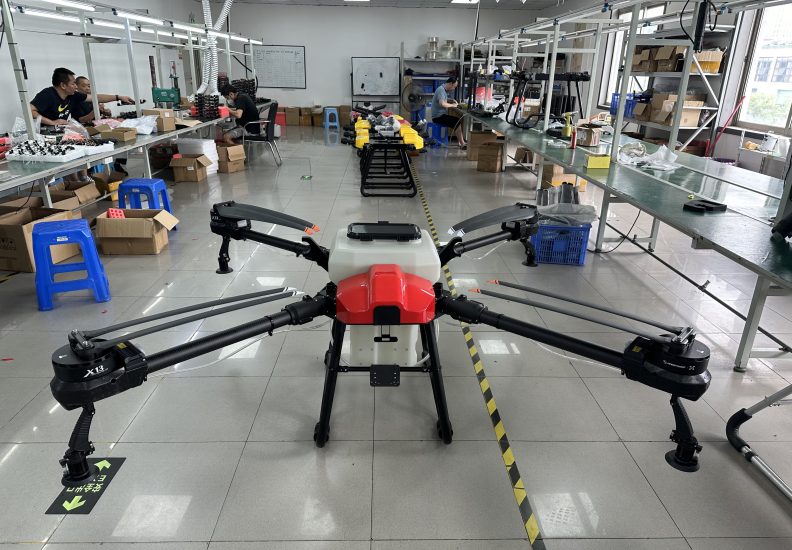


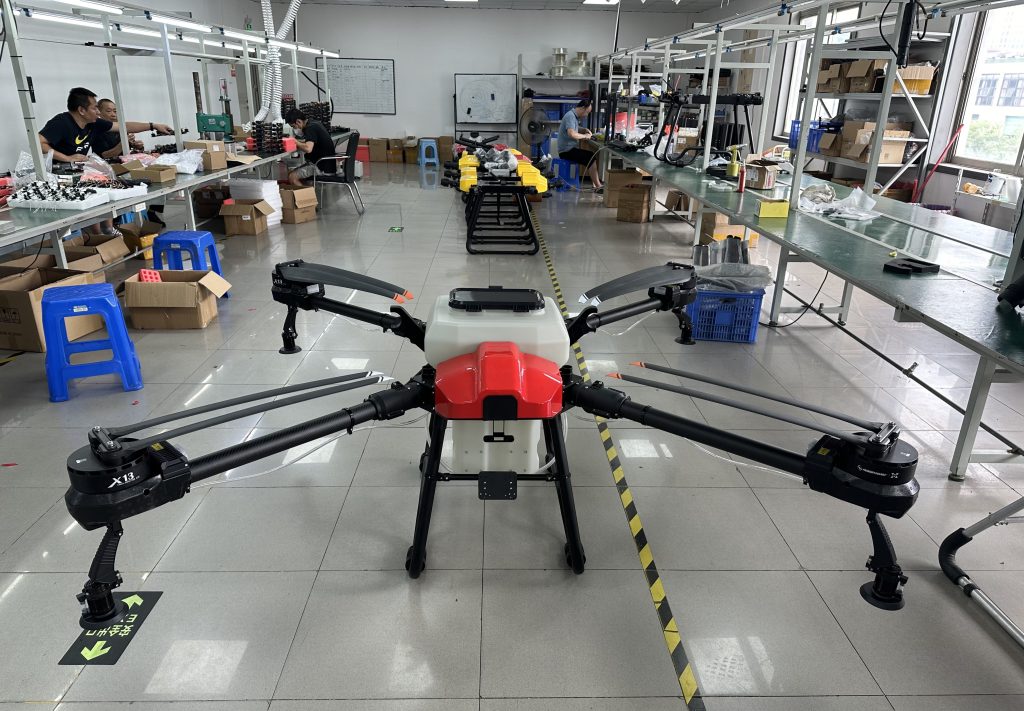
Modern agriculture increasingly relies on efficient, precise, and flexible crop-management equipment. For farms, plantations, agricultural contractors, and crop-protection companies, aerial spraying drones provide an alternative method for applying agricultural liquids without requiring workers or tractors to move directly through the crop.
MSOEN develops agricultural spraying drone solutions for crop protection and agricultural liquid application. MSOEN crop spraying drones can be configured for applications such as pesticide, fungicide, herbicide, and liquid fertilizer spraying, subject to the requirements of the specific product and the regulations of the operating country.
The goal is not simply to put a tank on a flying platform. A professional crop spraying drone needs an integrated airframe, flight-control system, liquid-delivery system, pump, nozzles, positioning technology, batteries, and operator controls.
What Is a Crop Spraying Drone?
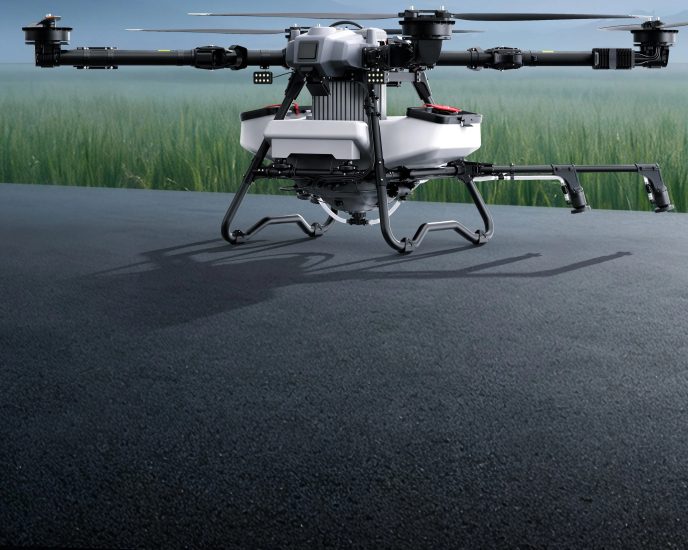
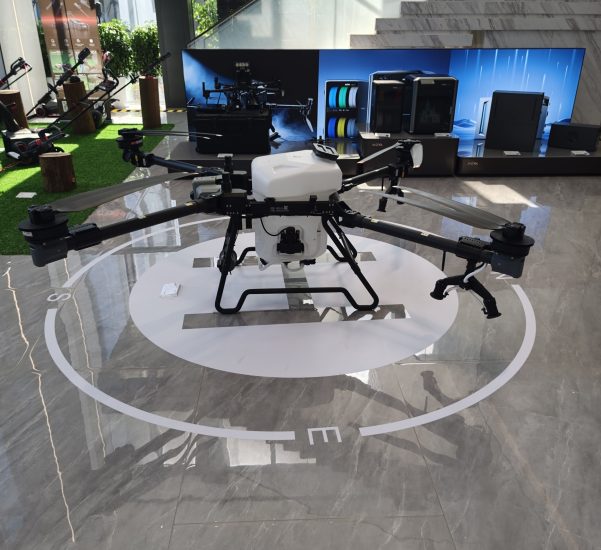
A crop spraying drone is an unmanned aircraft specifically designed to carry and distribute agricultural liquids over crops.
Unlike consumer drones primarily designed for photography, agricultural spraying drones are built around the requirements of field operations.
A typical system includes:
- Agricultural drone frame
- Liquid spraying tank
- Electric pumps
- Spray pipes
- Spray nozzles
- Flow-control components
- Flight-control system
- Positioning system
- Rechargeable batteries
- Remote controller
- Flight-planning software
- Safety and monitoring functions
During operation, the drone carries the selected agricultural liquid and follows a planned route above the crop. The spraying system releases the liquid through the nozzles according to the selected operating parameters.
Actual application performance depends on the crop, formulation, nozzle type, flight speed, flight height, weather, terrain, and other factors.
MSOEN Crop Spraying Drone Applications
MSOEN agricultural drones are designed around practical crop-spraying requirements.
Potential applications include:
- Pesticide spraying
- Fungicide application
- Herbicide application
- Liquid fertilizer application
- Crop-protection treatments
- Orchard spraying
- Field-crop spraying
- Plantation applications
- Agricultural service operations
The correct application depends on the agricultural product being used and the laws governing aerial drone spraying in the destination market.
Crop Spraying With Agricultural Drones
Traditional crop spraying methods can involve backpack sprayers, tractors, self-propelled sprayers, or other agricultural machinery.
Each method has advantages and limitations.
A spraying drone provides a different approach by carrying the application system through the air.
This can be particularly useful when:
- Crops are tall
- Fields are wet
- Ground access is difficult
- Terrain is uneven
- Crop rows are difficult to enter
- Agricultural labor is limited
- Rapid treatment of specific areas is required
Because the drone does not need to drive through the field, it can reduce direct mechanical contact with crops.
However, agricultural drones are not a universal replacement for all conventional farm machinery. Their effectiveness depends on the specific crop and application.
Pesticide Application With Crop Spraying Drones
Pesticide application is one of the most important potential uses of agricultural spraying drones.
A drone can carry a pesticide solution and distribute it through an agricultural spray system.
However, the drone does not determine whether a particular pesticide can legally be used.
Before applying any pesticide, the operator should verify:
- Whether the pesticide is registered for the intended crop.
- Whether aerial or drone application is permitted.
- Whether the product label allows the intended application method.
- The required application rate.
- Required spray conditions.
- Required buffer zones.
- Local environmental restrictions.
- Protection requirements for people, animals, waterways, and neighboring crops.
The pesticide label and local agricultural regulations should always take priority over generic drone operating recommendations.
Fungicide Spraying
Fungicides are used to manage fungal diseases affecting many agricultural crops.
A crop spraying drone can potentially be used for fungicide application where the product and local regulations permit aerial drone spraying.
For effective application, operators need to consider:
- Crop growth stage
- Canopy density
- Spray coverage
- Droplet characteristics
- Flight height
- Flight speed
- Weather conditions
- Product instructions
A drone’s advertised tank capacity or maximum flow rate alone cannot guarantee effective fungicide application.
The complete application system needs to be configured for the intended crop and product.
Herbicide Spraying
Herbicide application requires particularly careful control because herbicides may affect vegetation outside the intended treatment area.
When using a drone for herbicide spraying, operators should pay close attention to:
- Wind speed
- Wind direction
- Temperature
- Humidity
- Droplet size
- Nozzle selection
- Flight height
- Flight speed
- Field boundaries
- Sensitive neighboring crops
Spray drift can result in unintended exposure of nearby vegetation or other sensitive areas.
For this reason, operators should never assume that a drone can safely spray any herbicide under any weather condition.
Liquid Fertilizer Application
Agricultural drones can also be used for certain liquid fertilizer applications.
Liquid fertilizer can be distributed through the same general type of tank, pump, pipe, and nozzle system, but the correct configuration depends on the fertilizer formulation.
Before purchasing a drone for fertilizer application, buyers should provide information about:
- Fertilizer type
- Concentration
- Required application rate
- Crop type
- Expected operating area
- Operating environment
The supplier can then evaluate whether the selected spraying system is appropriate.
Which Crops Can Be Sprayed With an Agricultural Drone?
Crop spraying drones can potentially be used across many agricultural environments.
Applications may include:
Rice
Rice fields are a common use case because wet ground can make conventional ground machinery difficult to operate.
An aerial drone can fly above the field without requiring wheels to enter the wet crop area.
Corn
As corn grows taller, ground access can become more difficult.
An aerial spraying drone can provide an alternative treatment method for suitable applications.
Wheat
Wheat fields can be treated using aerial application equipment where regulations and agricultural product instructions permit.
Soybeans
Soybean production can involve multiple crop-protection operations during the growing season.
A drone can potentially provide targeted spraying capabilities.
Vegetables
Vegetable fields often contain smaller plots or irregular field boundaries.
The flexible flight path of a drone can be useful in suitable situations.
Orchards
Orchards require a different spraying strategy from open fields because trees have vertical and dense canopies.
Drone configuration and operating parameters should therefore be selected according to tree height, canopy structure, row spacing, terrain, and the required application.
Vineyards
Vineyards contain organized rows that can make route planning particularly important.
A spraying drone may be useful for specific crop-protection applications where legally permitted.
How the MSOEN Spraying System Works
The spraying process involves several interconnected systems.
Step 1: Fill the Tank
The operator prepares the approved agricultural liquid according to the product instructions and fills the drone tank within the equipment’s specified limits.
Step 2: Inspect the Aircraft
Before takeoff, the operator checks:
- Propellers
- Motors
- Battery
- Tank
- Pipes
- Pump
- Nozzles
- Controller
- Positioning system
- Flight-control system
Step 3: Plan the Flight
The field boundary and intended flight route are established.
The operator should also identify:
- People
- Buildings
- Roads
- Power lines
- Trees
- Water bodies
- Other obstacles
- Sensitive areas
Step 4: Set Spraying Parameters
The operator determines suitable settings based on the crop, product, nozzle, weather, and required application.
Step 5: Perform the Operation
The drone follows the planned route while the spraying system delivers liquid through the nozzles.
Step 6: Inspect the Result
After spraying, the operator should inspect the treated area and equipment.
Any remaining liquid should be handled according to the agricultural product’s instructions and local environmental requirements.
Why Spray Drones Can Be Useful for Modern Farms
Reduced Manual Work
Backpack spraying requires workers to carry equipment and physically move through the crop.
A drone moves the spraying equipment through the air while the operator controls it remotely.
Less Ground Traffic
Ground machinery can compact soil or contact crops.
Aerial spraying avoids direct wheel traffic through the treated area.
Suitable for Difficult Terrain
Aerial drones can potentially access areas where tractors or other ground equipment are inconvenient to use.
Flexible Operations
Flight paths can be adjusted according to field boundaries and treatment requirements.
Rapid Deployment
When properly configured and operated, drones can be deployed for specific crop-protection tasks without preparing a large ground machine.
The actual efficiency depends on field size, drone capacity, battery availability, refill logistics, weather, and operator experience.
Important Specifications When Buying an MSOEN Crop Spraying Drone
International buyers should evaluate the complete system rather than focusing on a single specification.
Tank Capacity
Tank capacity determines how much liquid the aircraft can carry.
Different models may be designed for different operating scales.
A larger tank can reduce refill frequency, but a heavier aircraft also requires more energy.
Therefore, tank capacity needs to be considered together with battery performance and field conditions.
Spray Flow Rate
Flow rate determines how quickly liquid can be delivered.
The appropriate flow rate depends on:
- Crop
- Product
- Application rate
- Nozzle configuration
- Flight speed
- Flight width
A higher flow rate is not automatically better.
Spray Nozzles
Nozzles play an important role in spray distribution.
Different nozzle designs can produce different droplet characteristics and spray patterns.
Operators should select nozzles according to the intended agricultural application.
Flight Speed
Flight speed affects both coverage and spray deposition.
Flying too quickly can reduce the amount of liquid applied to a given area, while operating too slowly can reduce overall productivity.
The appropriate setting depends on the application requirements.
Flight Height
Flight height affects spray distribution and potential drift.
The correct height should be determined according to the drone system, crop, nozzle, product instructions, and environmental conditions.
Battery Capacity
Agricultural spraying is energy-intensive.
Buyers operating drones commercially should consider the number of batteries needed for a full working day rather than evaluating only the battery capacity of a single unit.
Battery and Charging Management
For professional agricultural operations, battery logistics can have a major effect on productivity.
A commercial operator may need:
- Multiple flight batteries
- Suitable chargers
- Safe battery storage
- Battery inspection procedures
- Charging locations
- Spare batteries
- Battery maintenance procedures
A drone with excellent flight performance can still have poor field productivity if the operator does not have enough batteries or an efficient charging and replacement system.
Precision Agriculture and Crop Spraying
Crop spraying drones are increasingly associated with precision agriculture.
Precision agriculture aims to make agricultural decisions based on field conditions rather than applying exactly the same treatment everywhere.
A possible workflow is:
Field mapping → Crop observation → Problem identification → Treatment planning → Targeted spraying → Follow-up inspection
Drones can also be combined with mapping and crop-monitoring technologies.
This can help agricultural operators identify areas that require attention and plan operations more systematically.
Spray Drift Must Be Controlled
Spray drift is an important concern in aerial application.
Small droplets can potentially move away from the intended treatment area under unsuitable conditions.
Factors affecting drift include:
- Wind
- Temperature
- Humidity
- Droplet size
- Flight height
- Nozzle design
- Aircraft speed
- Product characteristics
Operators should avoid spraying under unsuitable weather conditions and must follow product-specific application requirements.
This is especially important near:
- Residential areas
- Schools
- Roads
- Waterways
- Organic farms
- Sensitive crops
- Livestock
- Environmentally protected areas
MSOEN for International Buyers
MSOEN is focused on agricultural drone solutions for international customers.
Potential customers include:
- Farmers
- Agricultural contractors
- Crop-protection companies
- Agricultural equipment distributors
- Drone dealers
- Plantation operators
- Agricultural cooperatives
- Importers
- OEM customers
- Agricultural technology companies
For international buyers, product selection should be based on the actual operating environment rather than simply choosing the lowest-cost model.
What International Buyers Should Request From a Supplier
Before placing an order, buyers should request detailed information about:
- Product specifications
- Tank capacity
- Maximum takeoff weight
- Spray flow rate
- Nozzle configuration
- Spray width
- Flight time
- Battery specifications
- Charger specifications
- Navigation functions
- Obstacle-detection functions
- Recommended maintenance
- Spare parts
- Warranty
- User manual
- Packaging dimensions
- Export documentation
- Applicable certifications
This information allows buyers to compare different agricultural drone suppliers more accurately.
Agricultural Drone OEM and Distributor Opportunities
For distributors, importing a drone is only the first step.
A successful agricultural drone business may also require:
- Local operator training
- Technical support
- Spare parts
- Product demonstrations
- Maintenance services
- Marketing materials
- Local regulatory compliance
- Customer service
MSOEN can discuss product configurations and cooperation requirements with international agricultural equipment businesses interested in developing local markets.
Agricultural Drone Regulations
Drone and pesticide regulations differ significantly between countries.
Before commercial operation, buyers should confirm:
- Drone registration requirements
- Pilot licensing requirements
- Agricultural drone operating rules
- Commercial flight restrictions
- Pesticide regulations
- Aerial application rules
- Insurance requirements
- Environmental requirements
- Local certification requirements
Importing a drone does not automatically mean that the drone can legally be used for commercial pesticide spraying.
The importer and operator are responsible for complying with the applicable laws in their market.
Safe Operation Is Essential
Agricultural spraying drones should be operated by trained personnel.
Operators should understand both drone operation and agricultural chemical safety.
Before each flight, inspect the aircraft and spraying system.
After operation, clean the equipment according to the manufacturer’s maintenance procedures and the agricultural product’s handling requirements.
Operators should also use appropriate personal protective equipment when handling agricultural chemicals.
Frequently Asked Questions
Can the MSOEN crop spraying drone apply pesticides?
It can be configured for agricultural spraying applications, including certain pesticide applications where permitted by local regulations and the pesticide product label.
Can the same drone spray fertilizer?
Depending on the model and spraying system, agricultural drones can be used for suitable liquid fertilizer applications. The fertilizer formulation and required application rate should be confirmed before operation.
Can the drone spray herbicides?
Potentially, where the specific herbicide is approved for the application method and local regulations permit drone spraying. Herbicide operations require careful control of drift and field boundaries.
Are crop spraying drones suitable for orchards?
Yes, agricultural spraying drones can be used in some orchard applications. However, orchard spraying requires consideration of canopy structure, tree height, row spacing, terrain, nozzle configuration, and operating parameters.
What tank capacity should I choose?
The correct capacity depends on the farm size, crop, application rate, refill conditions, battery system, and operating requirements. Larger capacity is not always the best solution.
Does a spraying drone eliminate the need for agricultural workers?
No. It changes the type of labor required. Operators are still needed for flight planning, equipment inspection, chemical preparation, operation, maintenance, and field management.
Can overseas distributors buy MSOEN agricultural drones?
International distributors and agricultural equipment businesses can discuss suitable product configurations and cooperation requirements with MSOEN.
Conclusion
A crop spraying drone is more than a flying agricultural machine. It is an integrated application system combining flight technology, liquid storage, pumping, nozzles, navigation, batteries, software, and operator control.
For pesticide, fungicide, herbicide, and fertilizer applications, the correct equipment configuration must be matched to the crop, agricultural product, weather conditions, field environment, and local regulations.
MSOEN provides agricultural spraying drone solutions for international farmers, agricultural contractors, distributors, dealers, importers, and OEM customers.
For buyers looking for a crop spraying drone for pesticide and fertilizer application, MSOEN can provide agricultural drone configurations for different operating scenarios and international markets.
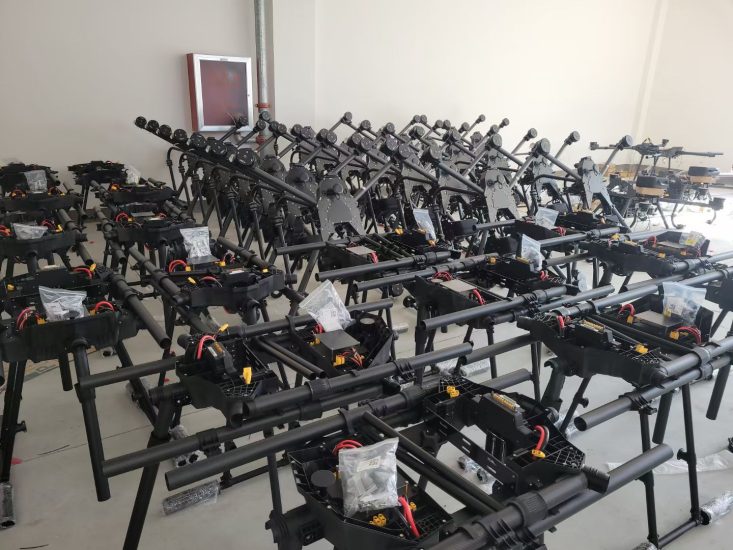
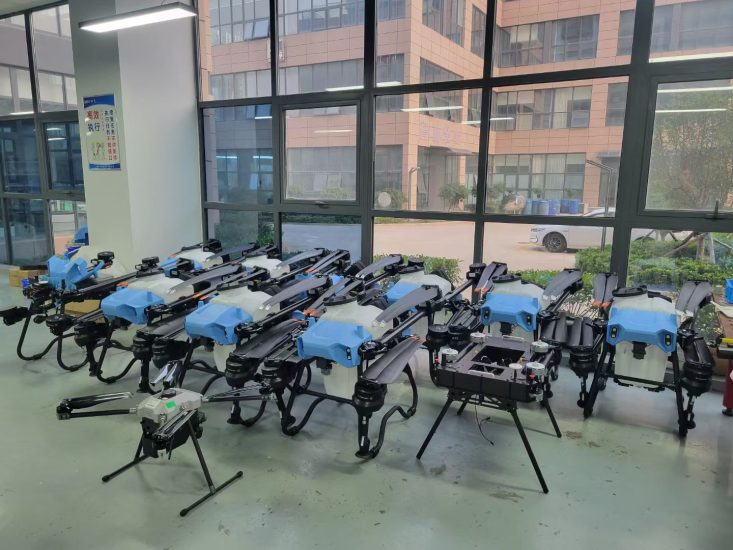
The right drone should not simply be selected according to tank capacity or purchase price. Buyers should evaluate spraying performance, flight capability, battery management, spare-parts availability, technical support, documentation, and regulatory requirements to build a reliable long-term agricultural drone operation.


No comments yet