

When purchasing a professional UAV from an overseas manufacturer, product specifications are only one part of the evaluation process.
International buyers also need to understand certifications, compliance documents, battery transportation requirements, radio equipment requirements, product documentation, and market-specific regulations.
For distributors, agricultural service companies, industrial operators, and OEM customers, these documents can directly affect importing, customs clearance, market entry, insurance, operation, and long-term product support.
MSOEN provides agricultural and industrial UAV manufacturing and OEM/ODM services, with products covering agricultural drones, spraying drones, mapping UAVs, aerial photography drones, industrial inspection platforms, and other specialized UAV solutions.
The purpose of this page is to explain how UAV certification and compliance should be evaluated before purchasing.
Why UAV Certification Matters
A drone is not simply an electronic product.
A professional UAV combines:
- Aircraft structure
- Motors
- Electronic speed controllers
- Batteries
- Flight controller
- Navigation system
- Radio communication
- Sensors
- Cameras
- Payload systems
- Software
- Chargers
- Accessories
Depending on the intended application and destination market, different parts of the system may be subject to different requirements.
A buyer importing an agricultural spraying drone, for example, may have to consider not only the aircraft itself but also lithium battery transportation, radio equipment, chemical application regulations, operator requirements, and local aviation rules.
This is why buyers should not simply ask:
“Does this drone have a certificate?”
A better question is:
“Which certificate or compliance document applies to this specific product, configuration, and destination market?”
What Does UAV Certification Actually Mean?
Certification generally means that a product, component, process, or organization has been evaluated against a particular set of requirements.
However, not every certificate means the same thing.
A certificate may relate to:
- Product safety
- Electromagnetic compatibility
- Radio communication
- Battery safety
- Transportation
- Environmental requirements
- Manufacturing management
- Quality management
- Aviation operation
- Market access
Therefore, buyers should always verify the scope of a certificate.
For example, a quality-management certificate for a manufacturing facility does not automatically mean that every UAV model produced by the factory has been certified for operation in every country.
UAV Certification Should Be Matched to the Product
Different MSOEN products may have completely different compliance considerations.
An agricultural spraying drone has different requirements from a photography drone.
A mapping UAV has different requirements from an underwater drone.
An FPV drone has different electronic and radio characteristics from a large industrial UAV.
For this reason, certification information should be organized by product rather than presented as one general list.
Agricultural Drone Compliance
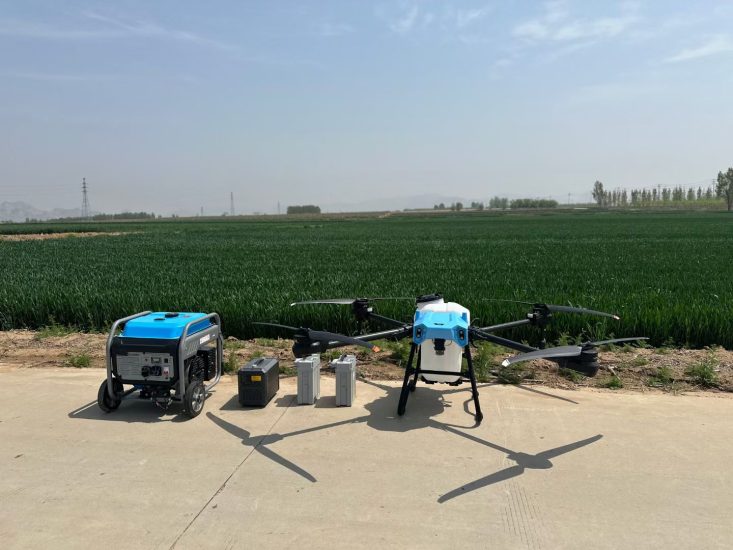
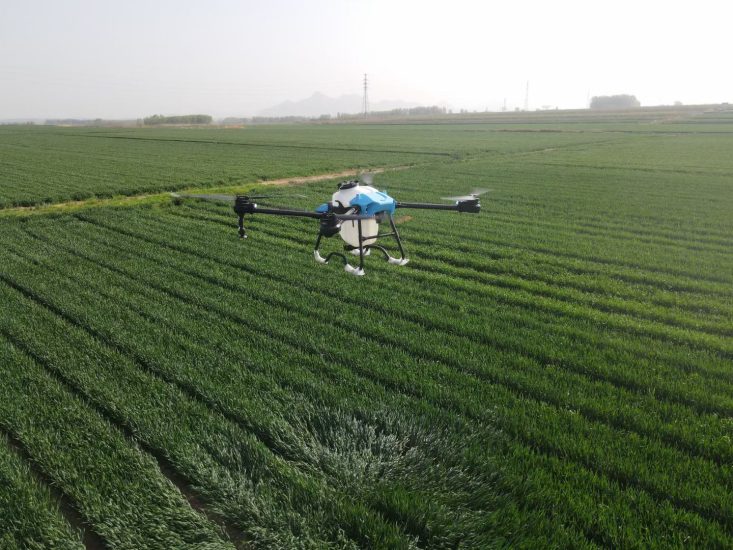
Agricultural UAVs can carry liquid or solid payloads and may be used for spraying, fertilizing, seeding, or other agricultural operations.
Their compliance requirements can involve:
- UAV regulations
- Radio communication
- Battery transportation
- Charger safety
- Electromagnetic compatibility
- Payload system
- Operating environment
- Agricultural chemical regulations
- Local aviation requirements
MSOEN’s agricultural drone range is therefore particularly relevant to importers who need documentation for commercial deployment.
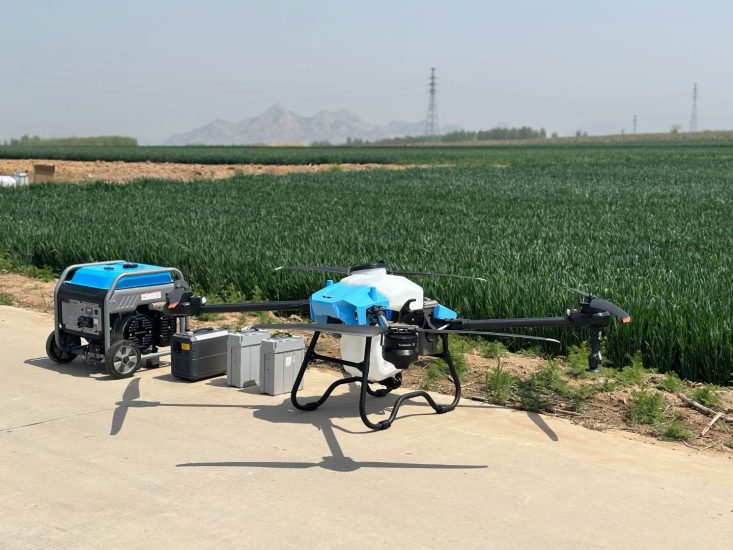
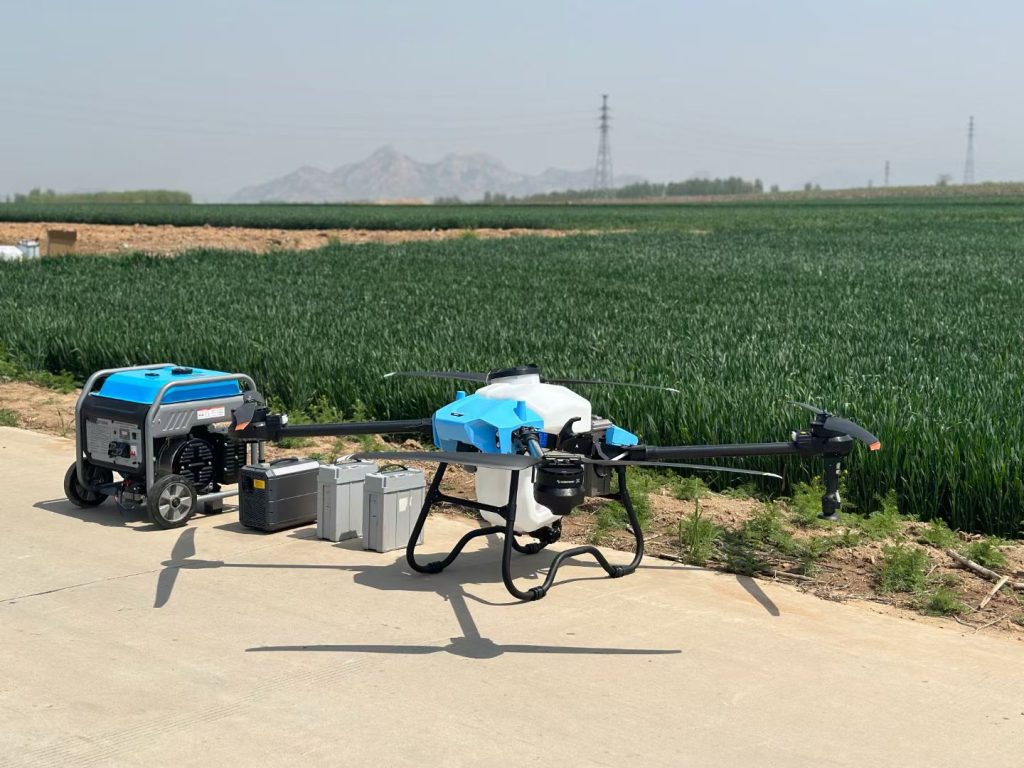
For buyers evaluating a larger agricultural platform, the M50 Agricultural Drone can be used as an example of how a specific UAV configuration should be evaluated for its technical specifications and applicable documentation.
Spraying Drone Certification and Compliance
Spraying drones require additional consideration because they release materials during operation.
Depending on the destination country, the aircraft itself may be subject to aviation requirements while the substances being sprayed may be subject to separate agricultural or environmental regulations.
The buyer therefore needs to distinguish between:
Aircraft compliance
and
Operational compliance.
These are not necessarily the same thing.
For example, a drone may be legally imported into a country but still require additional authorization before commercial agricultural spraying can be performed.
This distinction is particularly important for international buyers.
MSOEN has also published detailed guidance regarding agricultural spraying drone importation and regulatory requirements in specific markets. For example, New Zealand’s current framework places agricultural spraying operations under its Part 102 system, with additional requirements for imported aircraft and operators.
Mapping Drone Compliance
Mapping UAVs are commonly equipped with cameras, positioning systems, mapping sensors, or other data-collection equipment.
Compliance considerations may include:
- UAV regulations
- Radio equipment
- Battery
- Camera equipment
- Positioning system
- Electromagnetic compatibility
- Data and privacy requirements
- Operational restrictions
For buyers purchasing a mapping platform for surveying, agriculture, construction, or infrastructure inspection, it is important to confirm exactly which sensors and communication systems are included in the certified configuration.
MSOEN also provides an Agricultural Mapping Drone for aerial data collection and precision-agriculture applications.
The certification status of the complete configuration should be evaluated rather than assuming that one certificate covers every optional sensor.
Aerial Photography Drone Compliance
Photography UAVs introduce another important consideration: the camera and image-transmission system.
A professional photography drone can contain:
- Camera
- Gimbal
- Video transmitter
- Radio controller
- Flight controller
- GPS
- Battery
- Wireless communication modules
Each component can potentially affect the overall compliance requirements.
MSOEN’s product range includes the M1 Photography Drone, which can be evaluated according to its actual hardware configuration and target market.
For international buyers, the correct approach is to confirm:
- Exact model
- Hardware configuration
- Radio frequency
- Battery specification
- Charger specification
- Applicable certification
- Destination-country requirements
Underwater Drone Compliance
Underwater drones are fundamentally different from aerial UAVs.
The primary technical concerns may include:
- Waterproofing
- Electrical safety
- Battery
- Pressure resistance
- Underwater propulsion
- Camera system
- Communication
- Tether system
MSOEN lists the M5 Underwater Drone among its products.
Because underwater drones operate in a completely different environment, buyers should not assume that certification requirements for aerial UAVs automatically apply to underwater systems.
The product’s actual configuration and intended market should always be reviewed.
FPV Drone Certification Considerations
FPV drones often use different electronic configurations from larger commercial UAVs.
Potential compliance areas include:
- Radio transmitter
- Video transmitter
- Receiver
- Flight controller
- ESC
- Battery
- Charger
- Wireless frequencies
MSOEN offers an FPV Drone, as well as FPV electronic components such as the F722V3 + 80A/100A 4-in-1 ESC Stack.
For international distribution, buyers should confirm whether the exact radio and video-transmission configuration is appropriate for the destination market.
Changing a radio module or transmitter can potentially change the compliance situation.
Fixed-Wing UAV Compliance
Fixed-wing UAVs have different flight characteristics and configurations compared with multirotor drones.
Compliance evaluation can include:
- Airframe
- Motor
- Battery
- Radio system
- Flight controller
- Navigation
- Communication
- Ground-control system
MSOEN also lists a Fixed-wing UAV.
For professional applications, the buyer should evaluate the complete aircraft configuration rather than only the airframe.
Common UAV Certifications and Documents
The exact requirements depend on the product and market, but international UAV buyers commonly ask manufacturers about several categories of documents.
1. Product Certification
Product-level certification demonstrates that a specific product or configuration has been evaluated against defined requirements.
The buyer should check:
- Product model
- Certificate number
- Certification body
- Applicable standard
- Issue date
- Validity
- Scope
- Hardware configuration
Never assume that a certificate for one model automatically covers another model.
2. EMC Compliance
Electromagnetic compatibility is important for electronic UAV systems.
A drone contains multiple electronic components that can generate or be affected by electromagnetic interference.
EMC evaluation may therefore be relevant to:
- Flight controller
- ESC
- GPS
- Radio
- Camera
- Video transmission
- Power systems
For international distribution, the exact applicable EMC requirements depend on the target market.
3. Radio and Wireless Compliance
Most professional UAVs use wireless communication.
Potential systems include:
- Remote control
- Telemetry
- Video transmission
- GPS-related equipment
- Wi-Fi
- Bluetooth
- Other radio modules
Radio-frequency regulations vary between countries.
Therefore, a buyer should confirm the exact radio configuration before placing a large order.
4. Battery Documentation
Battery compliance is particularly important for international UAV shipments.
Large UAV batteries are often lithium-based and can be subject to dangerous-goods transportation requirements.
Buyers should ask for appropriate battery documentation, which may include:
- Battery specification
- UN 38.3 test summary
- Safety documentation
- Shipping information
- Battery labeling requirements
- Packaging requirements
This is especially important for air freight.
Incorrect battery documentation can cause shipment delays or rejection.
Recent MSOEN guidance on importing agricultural spraying drones also highlights UN 38.3 documentation and dangerous-goods requirements for lithium batteries.
5. Charger Compliance
The charger is another component that should not be overlooked.
A UAV may use a high-power charger designed specifically for its battery system.
The buyer should confirm:
- Input voltage
- Output voltage
- Charging current
- Plug type
- Charging protocol
- Safety documentation
- Destination-market compatibility
A charger suitable for the manufacturer’s domestic market may not automatically be suitable for another country’s electrical system.
6. Factory and Quality Management Certification
Factory-level certification is different from product certification.
For example, a manufacturing management certificate can provide information about the company’s quality-management system.
However:
Factory certification ≠ Product certification.
A buyer should therefore request both where applicable.
For serious B2B procurement, factory documentation should be evaluated together with:
- Manufacturing process
- Quality control
- Testing procedures
- Product certification
- Technical documentation
- Production capacity
This is why certification should be connected with the manufacturer’s actual production process rather than displayed as isolated logos.
What Should an International Buyer Ask a UAV Manufacturer?
Before purchasing, buyers can request the following information.
Product Information
- Exact model
- Product configuration
- Payload
- Maximum takeoff weight
- Battery model
- Charger model
- Radio configuration
- Software version
Certification Information
- Certificate name
- Certificate number
- Certification body
- Applicable product
- Applicable standard
- Issue date
- Expiration date
- Certificate copy
Technical Documentation
- User manual
- Maintenance manual
- Wiring information where applicable
- Battery documentation
- Charger documentation
- Spare-parts list
- Warranty information
Export Documentation
- Commercial invoice
- Packing list
- Product specification
- Battery shipping documents
- Dangerous-goods documents where required
- Certificate of origin where applicable
This documentation becomes particularly important when the buyer is importing multiple units for commercial use.
Why Certificate Numbers Matter
A certificate image alone is not enough.
A professional buyer should be able to identify:
Certificate name → Certificate number → Product → Standard → Issuing body → Validity → Scope
If a supplier only displays several certification logos without identifying the corresponding product and certificate number, the buyer has limited ability to verify what the certificate actually covers.
This is especially important for UAVs because different models can have substantially different hardware configurations.
Certification for OEM and ODM UAV Projects
OEM and ODM customers have additional requirements.
When a drone is customized, changes may include:
- Frame
- Motor
- Battery
- Flight controller
- Camera
- Sensors
- Radio system
- Software
- Payload
- Branding
- Packaging
Some changes may affect the original certification or compliance status.
Therefore, certification should be discussed during the product-development stage rather than after mass production.
For customers developing their own drone brand, MSOEN provides OEM Drone Manufacturing and customized UAV manufacturing solutions.
A proper OEM project should establish:
- Product specification
- Target market
- Required standards
- Required certificates
- Hardware configuration
- Testing requirements
- Documentation requirements
- Production approval
- Final inspection
- Shipment documentation
This approach reduces the risk of discovering a compliance problem after production has already been completed.
Certification Does Not Replace Product Testing
Certification is important, but it is only one part of product quality.
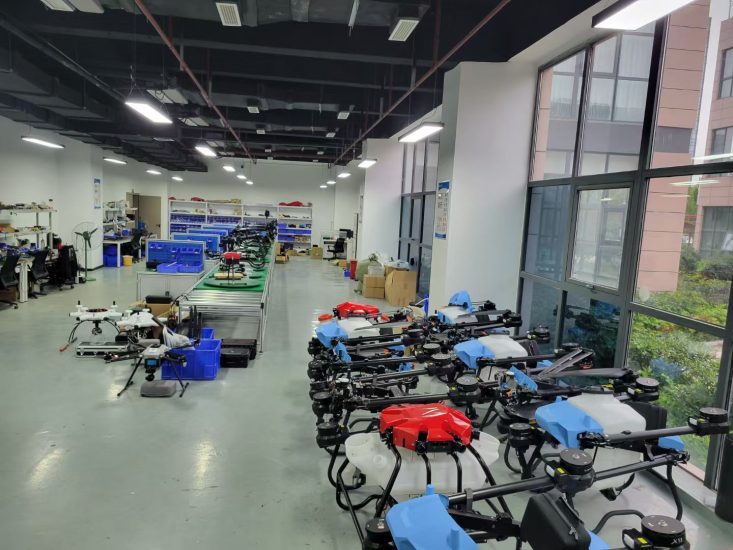
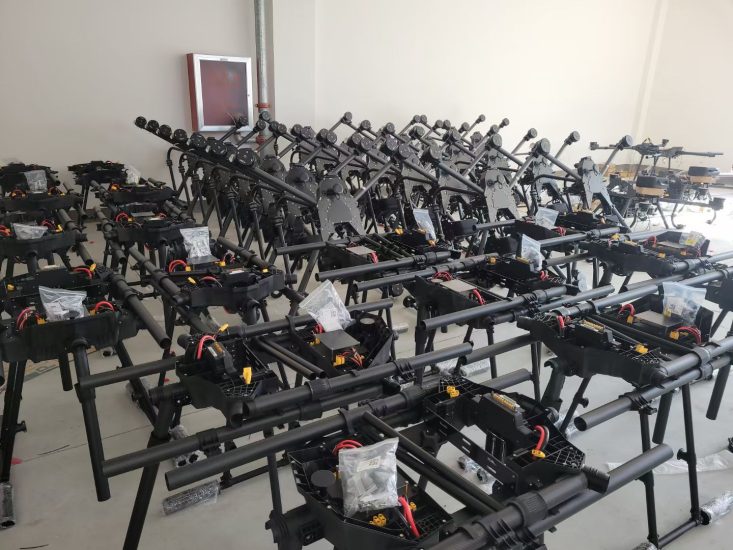
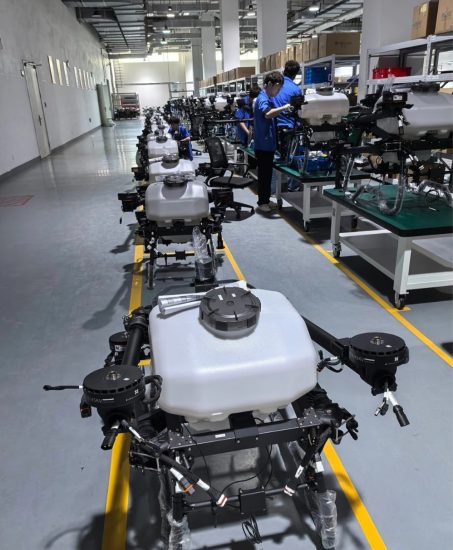
A professional UAV manufacturer should also have a production and testing process covering:
- Component inspection
- Assembly inspection
- Electrical testing
- Motor testing
- Battery testing
- Flight-control testing
- Payload testing
- Flight testing
- Final inspection
This is why certification and quality control should be evaluated together.
For more information about the manufacturing side, buyers can also read [MSOEN Quality Control | UAV Testing, Inspection & Manufacturing Standards].
Certification and the Destination Market
One of the most common mistakes international buyers make is asking:
“Is this drone certified?”
The better question is:
“Is this exact drone configuration compliant with the requirements of my target market?”
These questions are different.
A UAV may be compliant in one country but require additional certification, registration, radio approval, or operational authorization in another.
The destination market should therefore be identified before the final configuration is approved.
What MSOEN Can Provide for International Buyers
MSOEN focuses on agricultural and industrial UAV manufacturing and provides customized solutions for international customers.
Depending on the product and project, buyers can discuss:
- Product specifications
- Technical documentation
- Certification requirements
- Battery documentation
- OEM/ODM configuration
- Product customization
- Packaging
- Spare parts
- Production requirements
- Export documentation
The exact certification package should be determined according to the final UAV model, hardware configuration, destination market, and intended application.
MSOEN does not treat certification as a generic collection of logos. The objective is to connect the appropriate documentation with the actual product configuration.
UAV Certification FAQ
What certificates should I ask for when buying a drone from China?
Ask for certificates and compliance documents applicable to the exact drone model, battery, charger, radio system, and destination market. The certificate number, issuing body, standard, scope, and validity should also be confirmed.
Does one UAV certificate cover all drone models?
Not necessarily. Certification scope depends on the product and configuration. Different UAV models may require different testing or documentation.
Do agricultural spraying drones require additional compliance?
Potentially yes. Agricultural spraying involves aircraft operation as well as material application, so buyers need to consider both UAV regulations and agricultural or environmental rules in the destination country.
What battery documents are important for UAV shipping?
For lithium batteries, buyers should ask about applicable dangerous-goods transportation documentation and UN 38.3 test documentation. Actual shipping requirements depend on the battery and transportation method.
Can an OEM drone use the manufacturer’s existing certificates?
Not automatically. If an OEM project changes important hardware or the product configuration, the existing certification scope may need to be reviewed.
Should I verify certification before placing a bulk order?
Yes. Certification and compliance requirements should ideally be confirmed before production, especially for large orders and regulated markets.
Can MSOEN help with customized UAV compliance requirements?
MSOEN can discuss product configuration, technical documentation, certification requirements, and OEM/ODM specifications with buyers during the project-development stage. The applicable certification depends on the final product and target market.
Conclusion
For international UAV procurement, certification should never be treated as a simple collection of logos.
A professional buyer needs to understand what each certificate covers, which product it applies to, whether the hardware configuration matches the certificate, and whether additional requirements exist in the destination market.
For agricultural drones, battery transportation, aviation rules, spraying operations, and agricultural regulations may all need to be considered.
For mapping, photography, FPV, fixed-wing, underwater, and industrial UAVs, the relevant compliance requirements can be different.
The safest procurement process is therefore:
Product specification → Target market → Applicable standards → Certification → Testing → Documentation → Production → Final inspection → Export
MSOEN provides agricultural and industrial UAV manufacturing, OEM/ODM development, product customization, and international supply support. Buyers can provide their target country, UAV application, required payload, quantity, and certification requirements to discuss the appropriate product configuration.


No comments yet