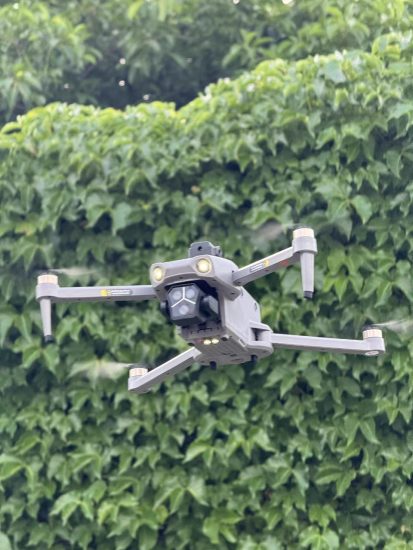


![Image [1]-Msoen Agricultural Monitoring Drone-msoen](https://www.msoen.com/wp-content/uploads/2026/01/4fc1c2356c192846-768x1024.jpg)

![Image [3]-Msoen Agricultural Monitoring Drone-msoen](https://www.msoen.com/wp-content/uploads/2026/01/490dfc895f192828-768x1024.jpg)
![Image [4]-Msoen Agricultural Monitoring Drone-msoen](https://www.msoen.com/wp-content/uploads/2026/01/529a7ff665195152-768x1024.jpg)
![Image [5]-Msoen Agricultural Monitoring Drone-msoen](https://www.msoen.com/wp-content/uploads/2026/01/2eda0d55c5195152-768x1024.jpg)
![Image [6]-Msoen Agricultural Monitoring Drone-msoen](https://www.msoen.com/wp-content/uploads/2026/01/07f826db4b194838-1024x1024.jpg)
Agriculture is entering a new era of smart farming where technology plays a central role in improving productivity, sustainability, and farm management. Farmers today face many challenges, including climate variability, pest outbreaks, soil degradation, and increasing labor costs. To manage these challenges effectively, modern farms require accurate and timely information about crop conditions and field environments.
One of the most powerful tools supporting this transformation is the agricultural monitoring drone. These advanced unmanned aerial vehicles provide farmers with real-time aerial insights into crop health, soil conditions, irrigation performance, and pest activity. Instead of relying only on manual field inspections, farmers can now monitor entire farms from the sky in a matter of minutes.
Agricultural monitoring drones allow farmers to detect problems early, improve resource management, and make data-driven decisions that increase crop yields and reduce operational costs.
MSOEN, a professional drone manufacturer, focuses on developing reliable agricultural drone technologies designed for modern precision farming. With advanced sensors, intelligent flight systems, and durable industrial design, MSOEN agricultural monitoring drones help farmers gain deeper insights into their farmland and optimize agricultural operations.
What Is an Agricultural Monitoring Drone
An agricultural monitoring drone is an unmanned aerial system designed to observe and analyze farmland conditions. Unlike spraying drones that apply pesticides or fertilizers, monitoring drones focus on collecting visual and environmental data that helps farmers evaluate crop health and field performance.
These drones are equipped with advanced imaging and sensing technologies that capture detailed aerial data during flight. The information collected can be used to analyze plant growth, identify stress areas, detect pests, and monitor irrigation efficiency.
Typical agricultural monitoring drones include several advanced technologies:
- High-resolution RGB cameras
- Multispectral or NDVI sensors
- Thermal imaging cameras
- GPS or RTK positioning systems
- Intelligent autonomous flight planning
- Long-range communication systems
By combining these technologies, monitoring drones can provide farmers with accurate and actionable insights about their fields.
Why Agricultural Monitoring Is Important
Efficient farm management requires continuous monitoring of crops and environmental conditions. Without accurate monitoring, farmers may not detect problems until crop damage becomes severe.
Agricultural monitoring drones allow farmers to observe large areas quickly and identify early warning signs of crop stress.
Early Detection of Crop Stress
Crops can suffer from various types of stress including nutrient deficiencies, pests, diseases, and water shortages. Drone monitoring allows farmers to detect abnormal crop patterns early so they can take corrective action.
Improved Pest and Disease Management
Drone imagery can reveal areas where pests or diseases are beginning to affect crops. This allows farmers to apply targeted treatments instead of spraying the entire field.
Irrigation Monitoring
Monitoring drones can help farmers identify areas receiving too much or too little water. Proper irrigation management improves crop growth and conserves water resources.
Crop Growth Tracking
Farmers can track crop development throughout the growing season and compare plant growth across different areas of the farm.
Key Features of MSOEN Agricultural Monitoring Drones
MSOEN agricultural monitoring drones are designed specifically for precision agriculture and large-scale farm management.
High-Resolution Imaging
MSOEN drones use professional-grade cameras that capture clear aerial images of farmland. High image quality helps farmers identify crop issues that may not be visible from the ground.
Multispectral Crop Analysis
Multispectral sensors capture information beyond the visible light spectrum. This allows farmers to evaluate plant health using vegetation indices such as NDVI.
These data help identify areas where crops may be stressed or underperforming.
Intelligent Flight Control
MSOEN monitoring drones feature automated flight planning systems that allow operators to map large fields quickly. Once the flight path is set, the drone can perform the mission autonomously.
Long Flight Endurance
High-efficiency motors and advanced battery systems provide longer flight times, allowing the drone to monitor large agricultural areas in a single mission.
Precision GPS Positioning
RTK and GPS positioning ensure that aerial data is accurately mapped to specific field locations, making it easier to analyze and manage farmland.
Applications of Agricultural Monitoring Drones
Agricultural monitoring drones have a wide range of applications across different farming sectors.
Crop Health Monitoring
Farmers can regularly monitor crop health and detect early signs of disease, pests, or nutrient deficiencies.
Precision Agriculture Management
Drone data supports precision agriculture by allowing farmers to apply fertilizers and pesticides only where needed.
Irrigation System Evaluation
Drones help farmers identify irrigation problems such as leaks, dry zones, or uneven water distribution.
Soil and Field Condition Analysis
Aerial data can reveal soil variations and terrain differences that affect crop performance.
Plantation and Orchard Monitoring
Large plantations such as tea, coffee, and fruit orchards benefit from drone monitoring because of their large size and complex terrain.
Benefits of Using Agricultural Monitoring Drones
Faster Field Inspections
A monitoring drone can inspect large farms in a fraction of the time required for manual field checks.
Reduced Labor Costs
Instead of sending multiple workers to inspect crops, a single operator can monitor hundreds of hectares using a drone.
Improved Farming Decisions
Accurate aerial data allows farmers to make informed decisions about irrigation, fertilization, pest control, and harvesting schedules.
Increased Crop Yield
Early detection of crop problems allows farmers to respond quickly and protect their crops from serious damage.
Sustainable Agriculture
Drone monitoring supports environmentally responsible farming practices by reducing unnecessary chemical usage and conserving resources.
How MSOEN Agricultural Monitoring Drones Improve Farm Efficiency
MSOEN monitoring drones provide farmers with detailed aerial data that can transform farm management.
For example, if a drone detects crop stress in a specific area of the field, farmers can focus treatment on that location rather than spraying the entire farm. This targeted approach saves chemicals, reduces costs, and protects the environment.
Similarly, irrigation systems can be adjusted based on drone data that reveals moisture distribution across the field.
These insights allow farmers to optimize farm operations and improve productivity.
E-E-A-T: Expertise, Experience, Authoritativeness, Trustworthiness
Modern agricultural technology requires trusted manufacturers with strong expertise and industry experience. MSOEN has extensive experience in the design and development of professional drone systems for agricultural applications.
Expertise
MSOEN engineers specialize in drone flight systems, aerial imaging technologies, and precision agriculture solutions.
Experience
Through years of development and collaboration with agricultural professionals, MSOEN drones are designed to meet the real operational needs of farmers and agricultural service providers.
Authoritativeness
MSOEN focuses on professional agricultural drone manufacturing, offering advanced technology and reliable performance for global markets.
Trustworthiness
MSOEN provides reliable product quality, technical support, and long-term service for customers and distribution partners worldwide.
Business Opportunities in Agricultural Drone Monitoring
Agricultural monitoring drones are creating new opportunities in the agricultural technology industry.
Potential business models include:
- Agricultural drone monitoring services
- Precision farming consulting
- Drone data analysis services
- Agricultural drone equipment distribution
With the rapid growth of precision agriculture, demand for agricultural monitoring drones is expected to continue increasing worldwide.
Choosing the Right Agricultural Monitoring Drone
When selecting a monitoring drone, farmers and distributors should consider several important factors.
Sensor Technology
Multispectral and thermal sensors provide deeper insights into crop health.
Flight Time
Longer flight endurance allows the drone to monitor larger areas efficiently.
Data Processing Compatibility
The drone should integrate with agricultural analysis software for effective data interpretation.
Durability
Agricultural drones must withstand outdoor conditions such as dust, wind, and temperature variations.
Technical Support
Reliable manufacturer support ensures long-term operation and maintenance.
Future of Agricultural Monitoring Drones
Drone technology continues to evolve rapidly in the agricultural sector.
Future agricultural monitoring drones may include advanced features such as:
- Artificial intelligence for automatic crop disease detection
- Real-time crop health analytics
- Integration with automated farm machinery
- Cloud-based agricultural data platforms
- Cooperative drone swarm monitoring systems
These technologies will further improve the efficiency and intelligence of precision agriculture.
Conclusion
Agricultural monitoring drones are becoming an essential tool for modern farming. By providing detailed aerial insights into crop health, irrigation conditions, and field performance, these drones allow farmers to manage their land more efficiently and respond quickly to agricultural challenges.
MSOEN agricultural monitoring drones combine advanced imaging technology, intelligent flight systems, and reliable engineering to support precision agriculture around the world. With the ability to monitor large farmland areas quickly and accurately, MSOEN drones help farmers improve crop yields, reduce operational costs, and adopt sustainable farming practices.
For farmers, agricultural technology companies, and distributors seeking advanced agricultural solutions, investing in MSOEN agricultural monitoring drones represents a smart step toward the future of modern farming.
FAQ
What is an agricultural monitoring drone used for
An agricultural monitoring drone is used to observe farmland conditions, monitor crop health, detect pests and diseases, and collect aerial data that helps farmers manage their farms more efficiently.
How large an area can a monitoring drone cover
Depending on the drone model and battery capacity, an agricultural monitoring drone can inspect dozens or even hundreds of hectares in a single mission.
Are agricultural monitoring drones difficult to operate
Most modern drones include automated flight planning and intelligent control systems, making them easy to operate after basic training.
Can agricultural monitoring drones increase crop yield
Yes. By detecting crop problems early and enabling precision farming practices, monitoring drones help farmers protect crops and improve overall yields.
Why choose MSOEN agricultural monitoring drones
MSOEN drones are designed for professional agricultural applications, offering reliable performance, advanced imaging technology, and strong manufacturer support for farmers and agricultural businesses worldwide.








No comments yet