



Quick Overview
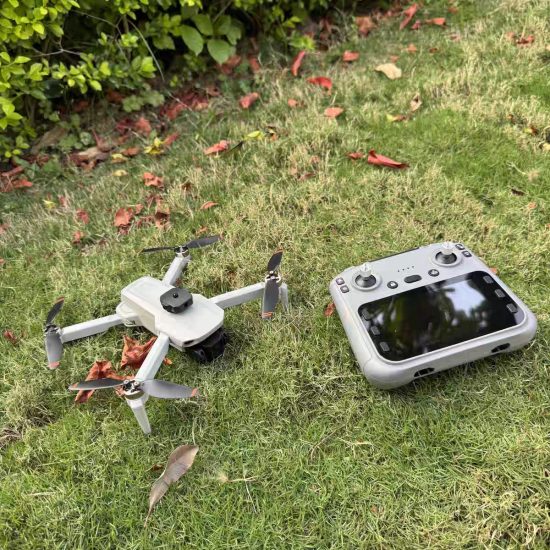
Mountain rescue drones are transforming emergency response in extreme terrain by providing rapid aerial visibility, real-time data transmission, and precise delivery capabilities. Designed for harsh weather, steep slopes, and remote access, these drones significantly reduce rescue time and increase survival rates.
Introduction
Mountain environments are among the most challenging locations for emergency response. Harsh weather conditions, unpredictable terrain, limited accessibility, and time-sensitive rescue missions demand advanced technology that can operate efficiently where humans struggle. This is where mountain rescue drones have become indispensable tools.
A mountain rescue drone is not just a flying camera—it is a comprehensive aerial system designed to locate missing persons, assess dangerous terrain, deliver supplies, and support rescue teams with real-time intelligence. As demand for faster and safer rescue operations increases globally, more organizations are investing in drone-based solutions.
This article explores how mountain rescue drones work, their key features, applications, advantages, and why they are becoming essential equipment for modern rescue operations.
What Is a Mountain Rescue Drone?
A mountain rescue drone is an unmanned aerial vehicle (UAV) specifically engineered for search and rescue missions in mountainous or rugged terrain. These drones are equipped with advanced sensors, long flight endurance, and stable flight systems that allow them to operate in high-altitude environments.
Unlike standard drones, rescue drones are built with:
- High wind resistance
- Thermal imaging systems
- Long-distance transmission
- Obstacle avoidance technology
- Payload delivery capability
These features make them ideal for locating missing hikers, climbers, or victims of natural disasters in hard-to-reach areas.
Key Features of Mountain Rescue Drones
1. Thermal Imaging Cameras
Thermal sensors allow drones to detect human body heat even in low visibility conditions such as fog, snow, or darkness. This significantly improves search efficiency during night operations or in dense forests.
2. High-Resolution Visual Cameras
Equipped with 4K or higher resolution cameras, drones can capture detailed images and videos of the terrain. This helps rescue teams analyze the situation before taking action.
3. Long Flight Time
Mountain rescue missions often cover large areas. Advanced drones offer extended flight times, typically ranging from 30 minutes to over 2 hours depending on the model and battery system.
4. Strong Wind Resistance
Mountain regions often experience strong and unpredictable winds. Rescue drones are designed with powerful motors and stabilized flight systems to maintain control under such conditions.
5. Real-Time Data Transmission
Live video streaming allows rescue teams to monitor the situation instantly. This enables quick decision-making and reduces response time.
6. GPS and AI Tracking
Advanced positioning systems and AI-based tracking allow drones to automatically follow targets or scan predefined search areas efficiently.
7. Payload Delivery System
Some drones are equipped with payload release mechanisms to deliver emergency supplies such as:
- First aid kits
- Food and water
- Communication devices
- Thermal blankets
Applications of Mountain Rescue Drones
Search and Rescue Operations
Drones can quickly scan large areas, reducing search time from hours to minutes. They are especially useful in locating lost hikers or climbers.
Avalanche Rescue
After avalanches, drones can detect heat signatures beneath snow and identify possible survivors.
Emergency Supply Delivery
When ground access is blocked, drones can deliver essential supplies directly to victims.
Disaster Assessment
Drones provide aerial views of landslides, earthquakes, or rockfalls, helping teams plan safe rescue routes.
Communication Relay
In areas with no signal coverage, drones can act as temporary communication hubs.
Advantages of Using Mountain Rescue Drones
Faster Response Time
Drones can be deployed within minutes and reach remote areas much faster than ground teams.
Improved Safety
Rescue teams can assess dangerous areas remotely, reducing the risk to human life.
Cost Efficiency
Compared to helicopters, drones are significantly more affordable to operate and maintain.
High Accuracy
With advanced sensors and AI, drones can precisely locate individuals even in challenging conditions.
24/7 Operation Capability
With thermal imaging and night vision, drones can operate effectively at any time of day.
Challenges and Limitations
While mountain rescue drones offer many benefits, there are still some challenges:
- Limited battery life in extreme cold conditions
- Signal interference in deep valleys
- High initial investment cost
- Requirement for trained operators
However, continuous technological advancements are rapidly addressing these issues.
How to Choose the Right Mountain Rescue Drone
When selecting a drone for mountain rescue operations, consider the following factors:
Flight Time
Choose a drone with long endurance to cover large search areas.
Camera Quality
Thermal and high-resolution cameras are essential for effective rescue missions.
Durability
Ensure the drone is weather-resistant and capable of handling extreme conditions.
Transmission Range
Long-distance control and stable signal transmission are critical in mountainous terrain.
Payload Capacity
If supply delivery is required, choose a drone with sufficient payload capability.
Ease of Operation
User-friendly controls and automated features can improve efficiency during emergencies.
Future Trends in Mountain Rescue Drones
The future of rescue drones is promising, with several innovations emerging:
- AI-powered autonomous search systems
- Swarm drone technology for large-scale operations
- Improved battery performance for longer flights
- Integration with satellite communication systems
- Enhanced obstacle avoidance in complex terrain
These advancements will further improve the effectiveness and reliability of rescue missions.
Inquiry Diary: Real Buyer Scenario
Date: March 12
Client Location: South America
Project Type: Mountain Rescue Upgrade
“We are currently upgrading our mountain rescue equipment and are interested in high-performance drones suitable for high-altitude environments. Our main requirements include thermal imaging, long flight time, and strong wind resistance. We also need payload delivery capability for emergency supplies. Please provide specifications, pricing, and delivery time.”
Response Summary:
- Recommended drone configuration with thermal camera
- Flight time options: 45–90 minutes
- Payload system available (up to 5 kg)
- Wind resistance level: strong mountain-grade
- Delivery time: 7–15 days
- Custom branding and OEM support offered
Follow-up Result:
The client requested a sample unit and confirmed interest in long-term cooperation for regional rescue projects.
Why Invest in Mountain Rescue Drones?
Governments, rescue organizations, and private emergency service providers are increasingly recognizing the value of drones. Investing in mountain rescue drones means:
- Saving more lives
- Reducing operational risks
- Increasing rescue efficiency
- Enhancing technological capability
In high-risk environments, every second matters. Drones provide the speed and precision that traditional methods cannot match.
FAQ
Q1: Can mountain rescue drones operate in extreme cold weather?
Yes, most professional rescue drones are designed to function in low temperatures, although battery performance may decrease slightly.
Q2: How far can a rescue drone fly?
Depending on the model, drones can operate several kilometers away from the controller with stable signal transmission.
Q3: Are drones effective in dense forests?
Yes, especially when equipped with thermal imaging and obstacle avoidance systems.
Q4: Can drones replace helicopters in rescue missions?
Drones are not a complete replacement but serve as a highly efficient supplement to traditional rescue methods.
Q5: What is the typical payload capacity?
Payload capacity varies, but many rescue drones can carry between 1 kg to 10 kg depending on the model.
Conclusion
Mountain rescue drones are revolutionizing emergency response in some of the most difficult environments on Earth. With their advanced technology, rapid deployment, and ability to access remote areas, they are becoming essential tools for saving lives.
As technology continues to evolve, the role of drones in rescue missions will only expand. Investing in the right mountain rescue drone today means being prepared for the challenges of tomorrow.
If you are looking for reliable, high-performance mountain rescue drone solutions, now is the time to explore advanced UAV systems tailored for extreme environments.


No comments yet