📦 Quick Overview Modular drone design allows different components—such as cameras, batteries, sensors, and communication systems—to be easily swapped or upgraded. This flexible architecture improves efficiency, reduces maintenance costs, and enables drones to adapt to multiple industries and missions.
What Is Modular Drone Design?
Modular drone design refers to building a drone system with interchangeable parts instead of fixed components. Each module performs a specific function and can be independently replaced or upgraded.
Common modules include:
🔋 Battery modules
🎥 Camera and gimbal modules
📡 Communication modules
🧠 Flight control modules
🧪 Sensor payload modules
This design transforms a single drone into a multi-purpose platform.
Why Modular Design Matters
🔄 1. Flexibility Across Applications
A modular drone can quickly switch between:
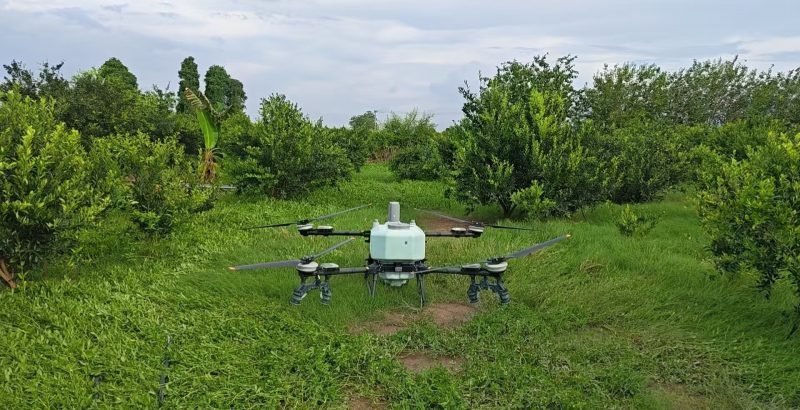
Agriculture spraying
Mapping and surveying
Infrastructure inspection
Security monitoring
💰 2. Cost Efficiency
Instead of buying multiple drones, users can:
Replace only needed modules
Upgrade specific parts
Extend product lifecycle
⚡ 3. Faster Maintenance
Damaged parts can be:
Quickly removed
Easily replaced
Repaired without affecting the entire system
🚀 4. Easy Upgrades
As technology evolves, users can:
Upgrade cameras to higher resolution
Add new sensors
Improve communication systems
Key Components of a Modular Drone System
🔋 1. Power Module
Includes:
Batteries
Power management systems
Features:
Quick-release battery design
Hot-swappable capability (in advanced systems)
🎥 2. Payload Module
This is the core working unit:
RGB cameras
Thermal cameras
Multispectral sensors
Spraying systems
Users can choose different payloads depending on the task.
📡 3. Communication Module
Handles:
Data transmission
Video streaming
Remote control signals
Can support:
RF systems
4G / 5G modules
Long-range transmission units
🧠 4. Flight Control Module
The “brain” of the drone:
Stabilization algorithms
Navigation systems
Autonomous flight control
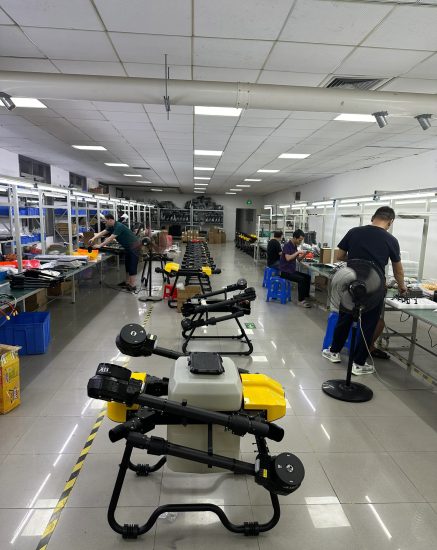
🦾 5. Frame & Structure Module
Designed for:
Quick assembly
Lightweight durability
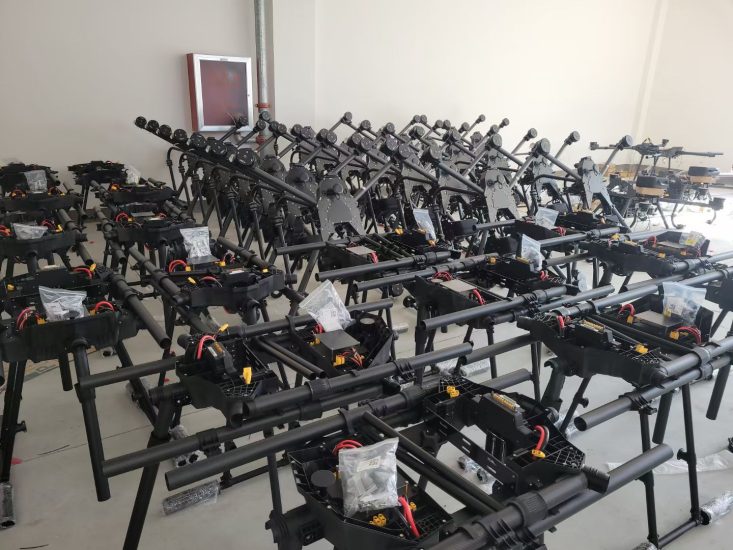
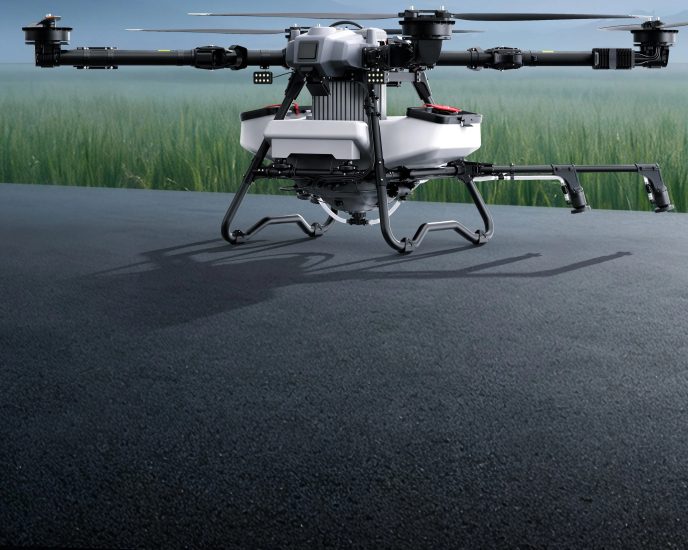
Foldable or detachable arms
Advantages Over Traditional Drone Design
Feature
Modular Design
Traditional Design
Flexibility
High
Low
Maintenance
Easy
Complex
Upgradeability
Strong
Limited
Cost Efficiency
Long-term savings
Higher replacement cost
Application Range
Multi-industry
Single-purpose
Application Scenarios
🌾 Agriculture
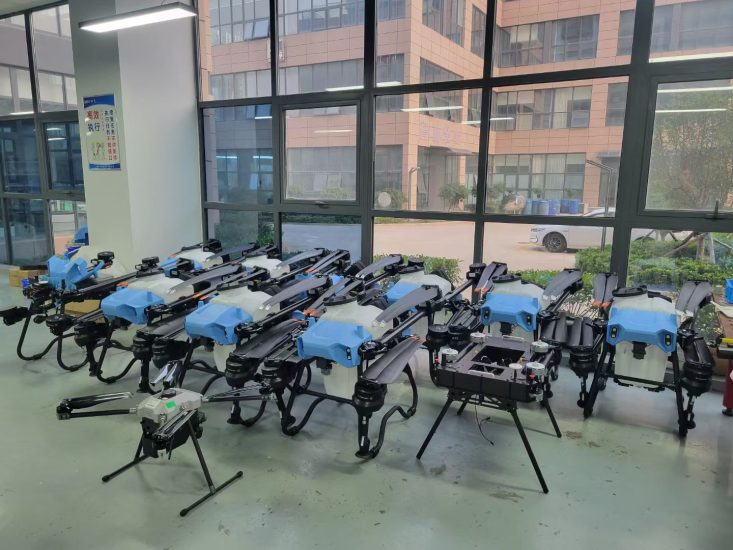
Swap between spraying and mapping modules
Upgrade sensors for crop analysis
Adapt to different farm sizes
🏗️ Industrial Inspection
Use thermal cameras for inspections
Replace modules for different infrastructure tasks
🚓 Security & Surveillance
Attach night vision or zoom cameras
Integrate real-time communication modules
🗺️ Surveying & Mapping
Add high-precision GPS and mapping sensors
Upgrade payloads for better data accuracy
Design Considerations
✔ Compatibility
Modules must:
Work seamlessly together
Use standardized interfaces
✔ Weight Balance
Improper module combinations can:
Affect flight stability
Reduce efficiency
✔ Power Management
Different modules consume different levels of power.
✔ Durability
Modules should:
Withstand environmental conditions
Be resistant to dust, water, and vibration
Challenges of Modular Design
⚠️ System Complexity
More modules mean:
More connections
Higher system integration requirements
⚠️ Initial Development Cost
Designing a modular platform requires:
Advanced engineering
Standardization
⚠️ Compatibility Issues
Poor design can lead to:
Limited module support
Upgrade restrictions
Future Trends
🤖 AI-integrated modular payloads
🔌 Plug-and-play intelligent modules
☁️ Cloud-connected modular systems
🧩 Universal modular standards
These innovations will make drones more adaptable and scalable.
Why Choose a Modular Drone Solution?
A professional modular drone system offers:
Flexible multi-industry applications
Easy maintenance and upgrades
Reduced long-term investment
Customizable configurations
High operational efficiency
This is ideal for businesses seeking scalable drone solutions.
📩 Get a Custom Modular Drone Solution
Looking for a flexible and upgradeable drone platform?
We provide:
Modular agricultural and industrial drones
Custom payload integration
Advanced communication modules
OEM/ODM design services
👉 Contact us today to get a customized solution and fast quotation.
FAQ
1. What is the main benefit of modular drones?
Flexibility—one drone can perform multiple tasks by changing modules.
2. Are modular drones more expensive?
Initial cost may be higher, but long-term savings are significant.
3. Can I upgrade modules later?
Yes, modular systems are designed for easy upgrades.
4. Are modular drones reliable?
Yes, when designed properly with high-quality components and stable connections.
5. Who should use modular drones?
Agriculture businesses, inspection companies, and organizations needing multi-purpose drone solutions.
Upgrade your operations with modular drone design and build a smarter, more adaptable aerial system for your business. 🚀



![Image [1]-Modular Design of Drones-msoen](https://www.msoen.com/wp-content/uploads/2026/03/20260315114822901-1000021474-1024x949.jpg)
![Image [2]-Modular Design of Drones-msoen](https://www.msoen.com/wp-content/uploads/2026/03/20260315114551331-1000021467-819x1024.jpg)
![Image [3]-Modular Design of Drones-msoen](https://www.msoen.com/wp-content/uploads/2026/03/20260315114543757-1000021471-819x1024.jpg)
![Image [4]-Modular Design of Drones-msoen](https://www.msoen.com/wp-content/uploads/2026/03/20260315114542188-1000021468-732x1024.jpg)
![Image [5]-Modular Design of Drones-msoen](https://www.msoen.com/wp-content/uploads/2026/03/20260315114516570-1000021466.jpg)


No comments yet