



🟦 Introduction
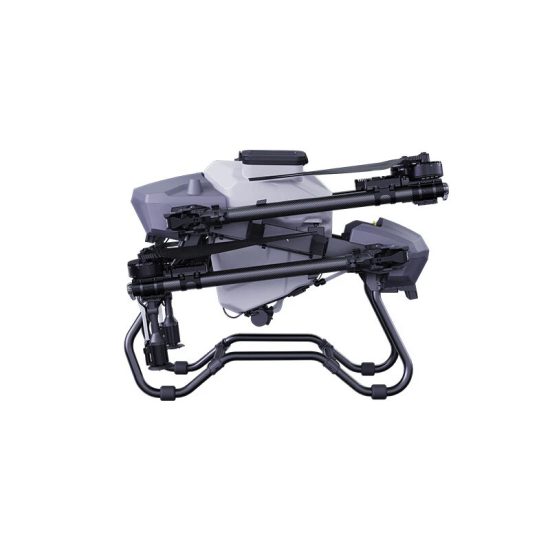
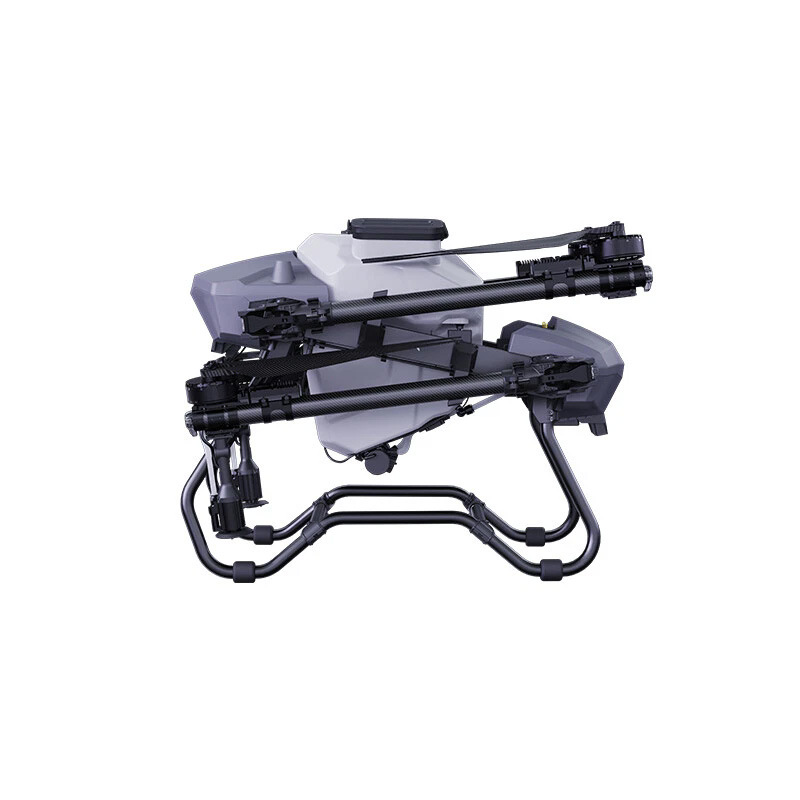
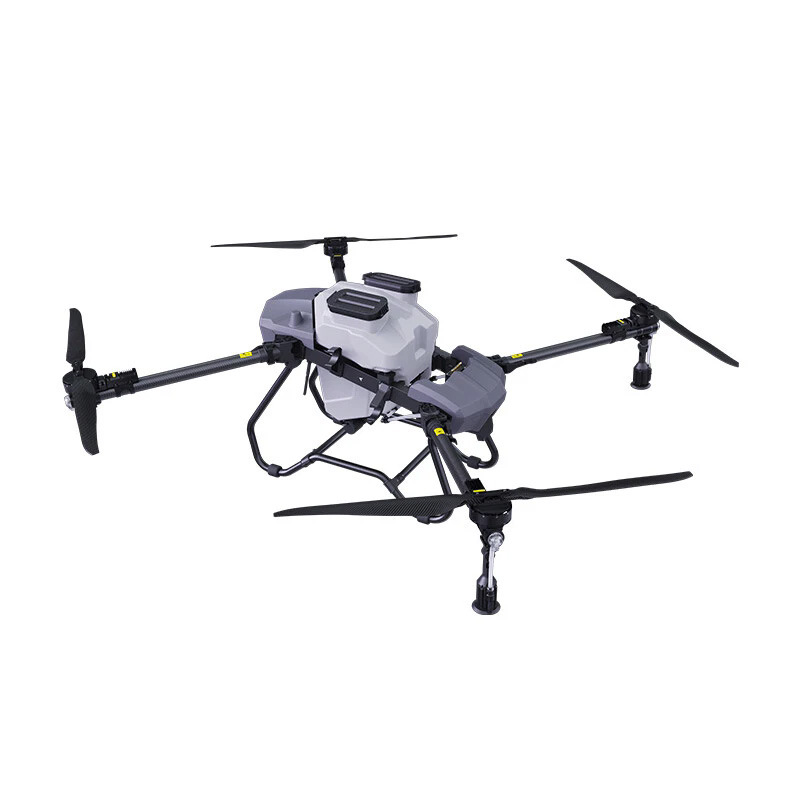
Are you looking to increase farm productivity while saving time, labor, and resources? High-efficiency crop protection drones are transforming the way farmers manage their crops. These drones are designed to perform precise spraying, fertilization, and crop monitoring tasks, making agriculture more efficient, cost-effective, and environmentally friendly. Whether you run a small farm or manage large-scale operations, investing in these drones can significantly improve your yield and operational efficiency.
Revolutionizing Agriculture with High-Efficiency Crop Protection Drones
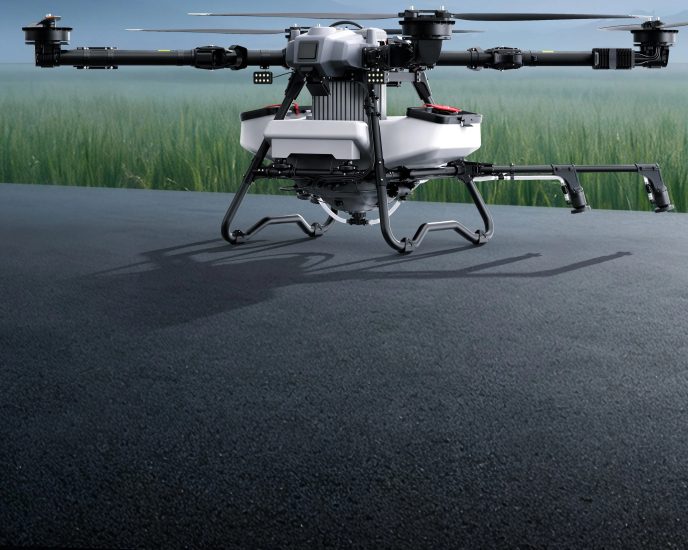
Traditional crop management methods are often labor-intensive and time-consuming. Manual spraying requires workers to carry heavy equipment and navigate uneven terrains, which can lead to fatigue, inconsistent coverage, and wasted resources. High-efficiency crop protection drones offer a smarter solution. These drones combine advanced flight technology, precision spraying systems, and intelligent monitoring to ensure crops are treated efficiently and safely.
By using drones, farmers can reduce the need for manual labor, lower chemical usage, and minimize the environmental impact of farming. The technology allows for faster response times, enabling farmers to address pest outbreaks, disease prevention, and nutrient deficiencies before they become widespread.
Key Advantages of Crop Protection Drones
1. Precision Application
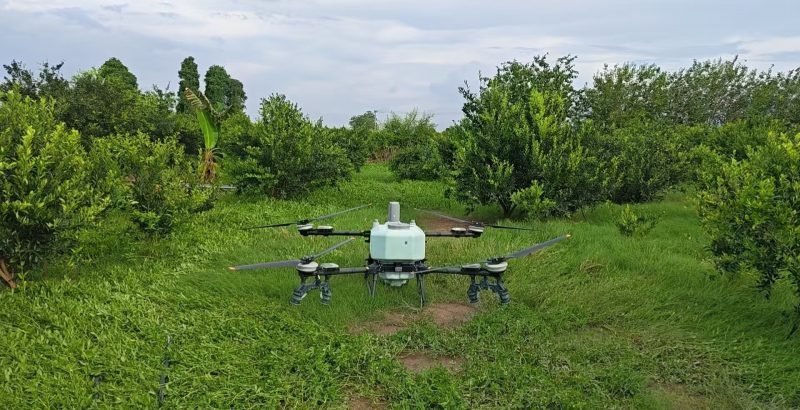
High-efficiency drones are equipped with GPS-guided spraying systems that ensure uniform application of pesticides and fertilizers. This precision helps reduce chemical waste, protect the environment, and ensure that every plant receives the correct dosage. Drones can also spray hard-to-reach areas that traditional equipment may struggle with, such as slopes, terraces, or densely planted fields.
2. Significant Time Savings
A single drone can complete spraying tasks that would take dozens of workers several days to finish. With automated flight routes and swappable batteries, operations can continue throughout the day without interruption. This allows farmers to focus on other essential farm management activities, maximizing productivity.
3. Reduced Labor Costs
Labor costs are a major expense in agriculture. By adopting drones, farms can drastically reduce reliance on manual spraying teams. This not only saves money but also reduces the physical strain on workers, improving workplace safety and efficiency.
4. Environmentally Friendly Operations
Modern drones are designed to reduce chemical runoff and minimize environmental impact. Their precision application ensures that only the required amount of pesticide or fertilizer is used. Many drones are battery-powered, which further reduces carbon emissions compared to traditional gas-powered machinery.
5. Versatility and Multi-Functionality
Crop protection drones are not limited to spraying. Many models offer additional functions such as aerial mapping, crop monitoring, seed sowing, and real-time field analysis. With a single drone, farmers can perform multiple tasks efficiently, making it a cost-effective solution for modern agriculture.
Features to Consider When Choosing a Drone
When selecting a high-efficiency crop protection drone, several features can impact performance and suitability:
- Payload Capacity: Larger payloads allow the drone to carry more pesticide or fertilizer, reducing the number of trips needed. Typical capacities range from 10 to 30 liters.
- Spray Width and Speed: A wider spray width and faster flight speed allow for efficient coverage of large fields.
- Battery Life and Swappable Batteries: Longer battery life and the ability to swap batteries quickly ensure uninterrupted operations.
- Intelligent Flight Control: Features like GPS-guided routes, automatic height adjustment, and obstacle avoidance improve precision and safety.
- Weather Resistance: Drones that can operate under light rain or moderate wind provide more flexible scheduling options.
How Drones Improve Crop Yield
- Uniform Coverage: Every plant receives the correct amount of treatment, preventing over- or under-application.
- Early Detection of Issues: Drones equipped with cameras and sensors can detect pests, diseases, or nutrient deficiencies early, allowing for timely intervention.
- Reduced Human Error: Automation ensures consistent application and monitoring, minimizing mistakes common in manual processes.
- Enhanced Crop Health: Precise spraying and monitoring improve overall plant growth, leading to higher yields and healthier crops.
Step-by-Step Workflow of Crop Protection Drones
- Field Planning: The farm field is mapped using GPS, and flight routes are programmed for optimal coverage.
- Loading Chemicals: Pesticides or fertilizers are loaded into the drone’s tank.
- Automated Flight: The drone flies along the programmed route, spraying chemicals evenly across the field.
- Real-Time Monitoring: Onboard sensors provide data on spraying performance, chemical usage, and crop health.
- Data Analysis: After the flight, farmers can review collected data to adjust future spraying schedules and improve efficiency.
Safety and Maintenance Tips
- Routine Inspections: Check propellers, nozzles, and batteries before every flight.
- Battery Care: Follow proper charging protocols and store batteries safely.
- Chemical Handling: Wear protective gear when filling the tank, and follow local safety regulations.
- Software Updates: Keep drone firmware and flight planning software up to date for optimal performance.
- Flight Safety: Avoid flying near power lines, populated areas, or during extreme weather conditions.
FAQ (Frequently Asked Questions)
Q1: How large an area can one drone cover per day?
A: Depending on the drone model, coverage ranges from 50 to 200 acres per day with efficient flight planning.
Q2: Are crop protection drones easy to operate?
A: Yes, modern drones are designed for intuitive operation, often featuring mobile apps with automated flight planning. Basic training is recommended for new users.
Q3: What chemicals can drones spray?
A: Most drones can handle pesticides, herbicides, and liquid fertilizers. Always follow local agricultural regulations.
Q4: Can drones operate in windy or rainy conditions?
A: High-quality drones are capable of flying in moderate wind (up to 10–12 m/s) and light rain, but heavy storms should be avoided.
Q5: How often is maintenance required?
A: Regular maintenance includes cleaning nozzles, inspecting propellers, checking battery health, and updating software. Most tasks are simple and can be performed by the operator.
Icons/Visual Suggestions for the Page
- 🌾 Crop spraying
- 🛰️ GPS navigation
- 🔋 Battery efficiency
- 📷 Crop monitoring and sensors
- 👨🌾 Labor reduction
Call to Action (CTA)
Are you ready to take your farm operations to the next level? Request a quote today for high-efficiency crop protection drones and discover how easy modern farming can be.
✅ Fill out the inquiry form, or contact us via email/WhatsApp for personalized advice. Our team will help you choose the right drone based on your farm size, crop type, and budget.
Sample User Review:
“Our farm operations have completely transformed since using crop protection drones. Spraying is precise, efficient, and labor costs have dropped significantly. Highly recommend!” – Jordan, Farm Owner 🇺🇸
Order Reference: #MSOEN-CPD-2026


No comments yet