




Advanced Long-Distance FPV Drone Technology for Exploration and Professional Applications
📦 Quick Overview
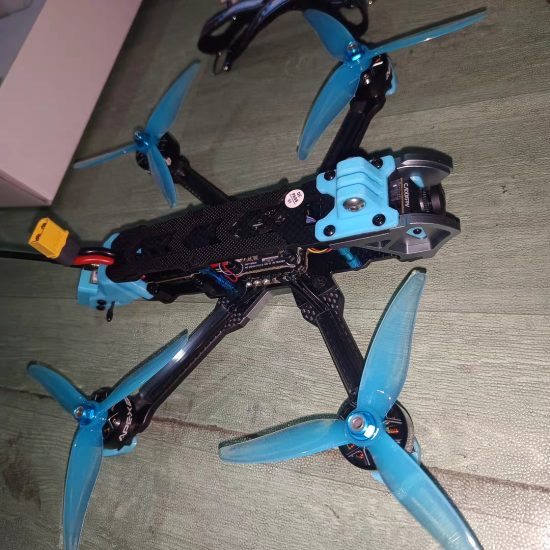
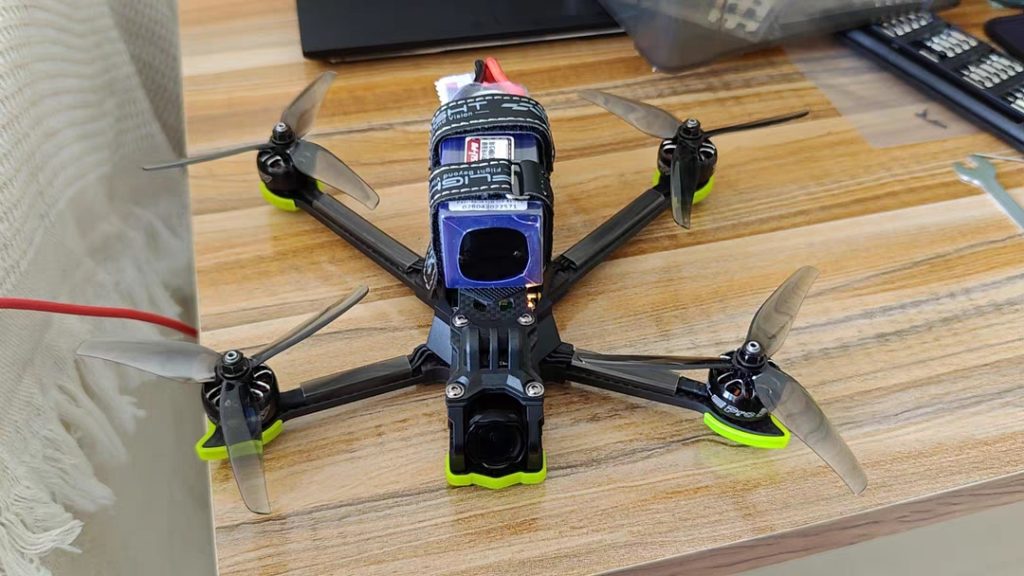
Long range FPV UAVs with HD cameras represent one of the most exciting developments in modern drone technology. These aircraft are designed to travel significantly farther than traditional FPV drones while delivering clear, high-definition video to the pilot in real time.
Unlike short-range racing drones that focus mainly on speed and agility, long range FPV UAVs emphasize endurance, signal stability, navigation reliability, and high-quality video transmission. This makes them ideal for aerial exploration, landscape filming, environmental observation, and technical aerial missions.
With the right configuration, a long range FPV UAV can fly several kilometers while maintaining stable HD video transmission, allowing pilots to explore large areas from a unique aerial perspective.
This guide explains how long range FPV UAVs work, the key components required for long-distance flight, and how pilots can select the best configuration for reliable HD video exploration.
What Is a Long Range FPV UAV?
A long range FPV UAV is a drone specifically designed for extended flight distance and stable video communication between the aircraft and the pilot.
In FPV flight, the pilot controls the drone while watching live video transmitted from the onboard camera. This first-person perspective allows precise navigation even when the drone is far from the pilot’s physical location.
Long range FPV drones differ from standard FPV drones in several important ways:
- Larger and more efficient frames
- Higher capacity batteries
- Advanced communication systems
- Aerodynamic flight design
- High-definition camera systems
These features enable long range drones to travel farther while maintaining reliable control and clear video transmission.
Why HD Cameras Are Important for Long Range FPV Flight
Video quality becomes increasingly important as flight distance increases.
An HD camera provides several advantages for long range FPV missions.
Clear Environmental Awareness
High-definition cameras allow pilots to clearly see terrain features, obstacles, and navigation paths.
This is particularly important when flying in unfamiliar environments.
Improved Navigation Accuracy
Sharp video helps pilots judge distance, altitude, and movement more accurately.
This improves safety and overall flight performance.
Professional Video Recording
Many long range FPV pilots also record their flights for cinematic or documentary purposes.
HD cameras allow the drone to capture detailed aerial footage during exploration missions.
Enhanced Visual Experience
High-resolution video provides a more immersive flying experience for pilots using FPV goggles or monitors.
Key Components of a Long Range FPV UAV
Designing a drone capable of long-distance flight requires carefully selected components.
Each component plays an important role in maintaining flight stability and communication reliability.
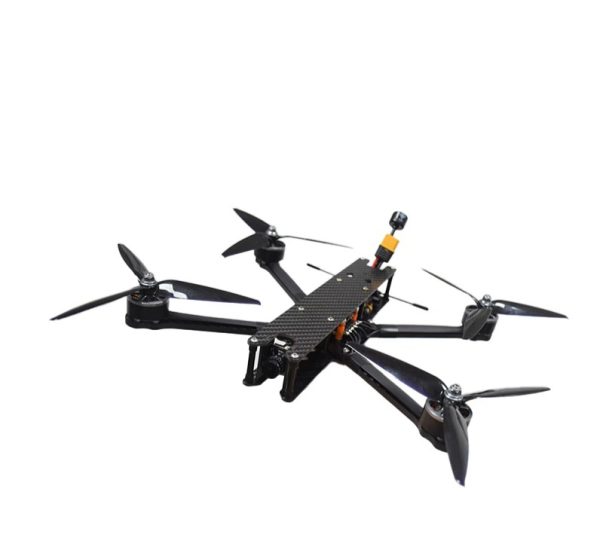
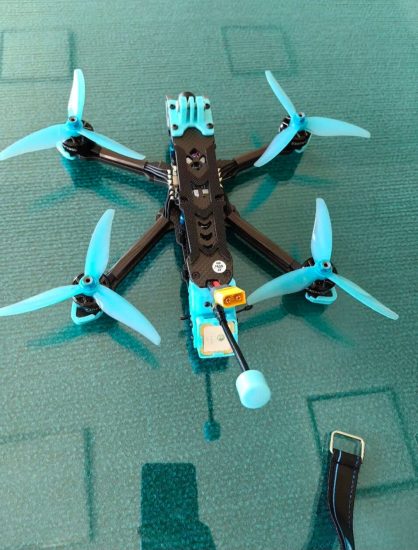
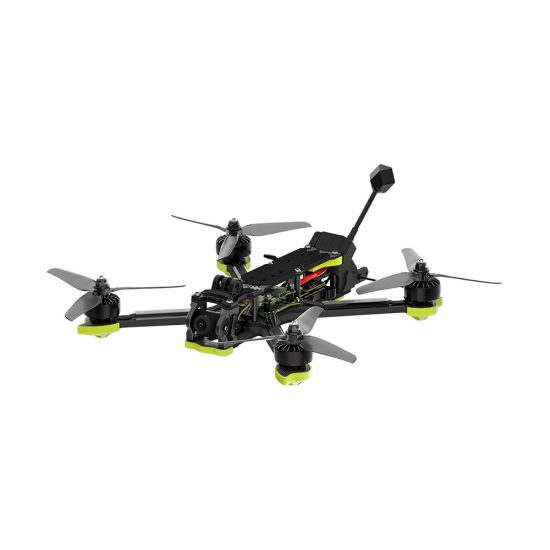
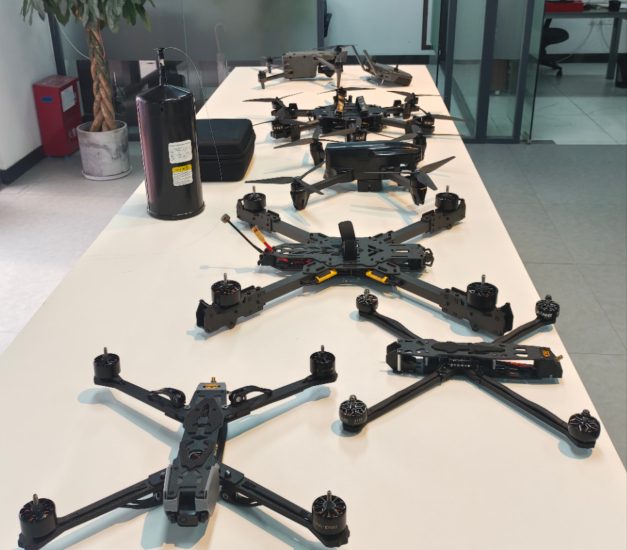
Long Range Drone Frame
Long range FPV drones often use larger frames compared to racing drones.
Common frame sizes include:
- 6 inch frames
- 7 inch frames
- 10 inch frames for extreme endurance
Larger frames support bigger propellers and batteries, which improve efficiency and flight duration.
Lightweight materials such as carbon fiber are commonly used to balance strength and weight.
Efficient Brushless Motors
Motors used in long range drones focus on efficiency rather than raw speed.
Efficient motors allow the drone to maintain stable cruising flight while consuming less power.
Lower power consumption directly increases flight range.
Large Propellers
Long range drones typically use larger propellers.
Large propellers generate more thrust at lower rotational speeds, improving efficiency and reducing battery consumption.
This allows the drone to travel farther without exhausting its energy supply.
High Capacity Batteries
Battery capacity is one of the most important factors affecting flight distance.
Long range FPV UAVs usually use high-capacity lithium batteries capable of delivering stable power over extended flight times.
Higher capacity batteries allow the drone to remain airborne longer while supporting video transmission systems and flight electronics.
Reliable Video Transmission System
Stable video transmission is essential for long range FPV flight.
Advanced transmission systems provide:
- Strong signal strength
- Low latency communication
- Long distance video capability
Proper antenna placement also plays an important role in maintaining stable signal reception.
HD Camera System
The HD camera captures the visual feed transmitted to the pilot.
Modern FPV cameras provide:
- High resolution video
- Low latency image transmission
- Wide dynamic range for different lighting conditions
These features ensure clear visuals during both bright daylight and low-light environments.
Applications of Long Range FPV UAVs
Long range FPV UAVs are used in many fields beyond recreational flying.
Aerial Exploration
Long range drones allow pilots to explore mountains, forests, rivers, and remote landscapes.
FPV flight provides a unique perspective that traditional aircraft cannot easily replicate.
Cinematic Landscape Filming
Filmmakers often use long range FPV drones to capture sweeping aerial shots.
The drone can travel smoothly across large areas while recording dramatic landscape footage.
Infrastructure Observation
Long range UAVs can be used to observe large infrastructure systems such as:
- pipelines
- power transmission corridors
- remote installations
These missions benefit from stable video transmission and extended flight capability.
Adventure Filming
Outdoor adventurers often use FPV drones to document activities such as:
- mountain climbing
- hiking
- off-road exploration
The drone can follow subjects through natural environments while capturing immersive footage.
Factors That Affect Long Range Drone Performance
Several technical factors determine how far an FPV UAV can travel safely.
Signal Strength
The communication link between the drone and pilot must remain strong at long distances.
Signal strength depends on antenna design, transmission power, and environmental conditions.
Battery Efficiency
Energy efficiency directly affects flight range.
Efficient propulsion systems allow the drone to travel farther without increasing battery weight.
Environmental Conditions
Weather conditions such as wind can influence long range flights.
Strong wind may increase energy consumption and reduce effective flight distance.
Weight Distribution
Proper balance of components ensures smooth and stable flight.
Poor weight distribution can reduce efficiency and affect handling.
Tips for Flying Long Range FPV UAVs Safely
Long range drone flights require careful preparation and responsible operation.
Plan the Flight Route
Pilots should study the terrain and plan safe flight paths before launching the drone.
Monitor Battery Levels
Battery monitoring is essential to ensure the drone has enough power to return safely.
Maintain Visual Awareness
Even when flying FPV, having a spotter nearby can improve safety.
Avoid Signal Obstacles
Mountains, buildings, and dense forests can weaken radio signals.
Flying in open environments helps maintain stable communication.
Future Development of Long Range FPV UAV Technology
Drone technology continues to advance rapidly, and long range FPV systems are becoming increasingly capable.
Future innovations may include:
- higher energy density batteries
- improved digital video transmission systems
- lighter and stronger frame materials
- intelligent navigation assistance
- advanced signal stability technologies
These developments will allow FPV drones to travel even farther while maintaining reliable HD video transmission.
Conclusion
A long range FPV UAV with an HD camera provides an exceptional combination of flight endurance, visual clarity, and immersive piloting experience. These drones allow pilots to explore vast landscapes, capture cinematic aerial footage, and perform long-distance aerial observation missions.
By combining efficient motors, large propellers, high-capacity batteries, and stable video transmission systems, modern long range FPV drones achieve impressive flight capabilities that were once limited to specialized aircraft.
As drone technology continues evolving, long range FPV UAVs will become even more powerful tools for exploration, filmmaking, and advanced aerial applications.
FAQ
What is a long range FPV UAV?
A long range FPV UAV is a drone designed to travel long distances while transmitting real-time video to the pilot.
How far can long range FPV drones fly?
Flight distance depends on the drone configuration, battery capacity, and communication system.
Why is an HD camera important for FPV drones?
HD cameras provide clearer visuals, allowing pilots to navigate more safely and capture high-quality footage.
Are long range FPV drones difficult to fly?
They require experience and proper setup, but many pilots learn long range flight through practice and training.
Can long range FPV drones record video?
Yes. Many systems support recording high-quality aerial footage during flight.



No comments yet