




📌 Introduction:
In today’s fast-evolving drone industry, long-range drones have become a game-changer for professional operators, aerial surveyors, and commercial users. These advanced UAVs (Unmanned Aerial Vehicles) are designed to cover greater distances while maintaining stability, safety, and precision. Whether you are in agriculture, surveying, inspection, or search and rescue, understanding the benefits and capabilities of long-range drones is crucial for maximizing efficiency and performance.
What is a Long-Range Drone?
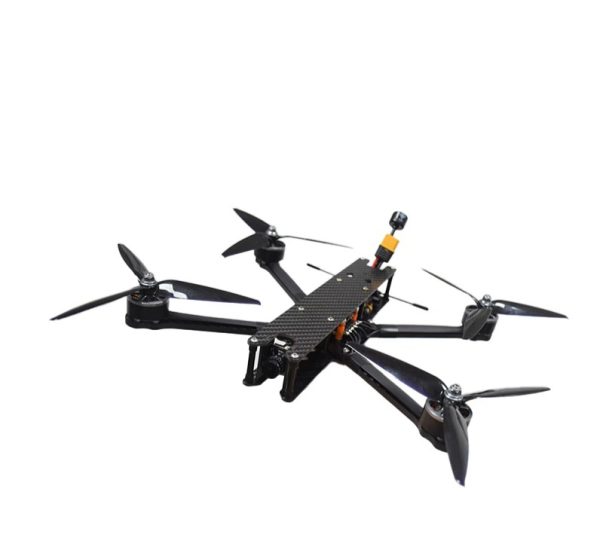
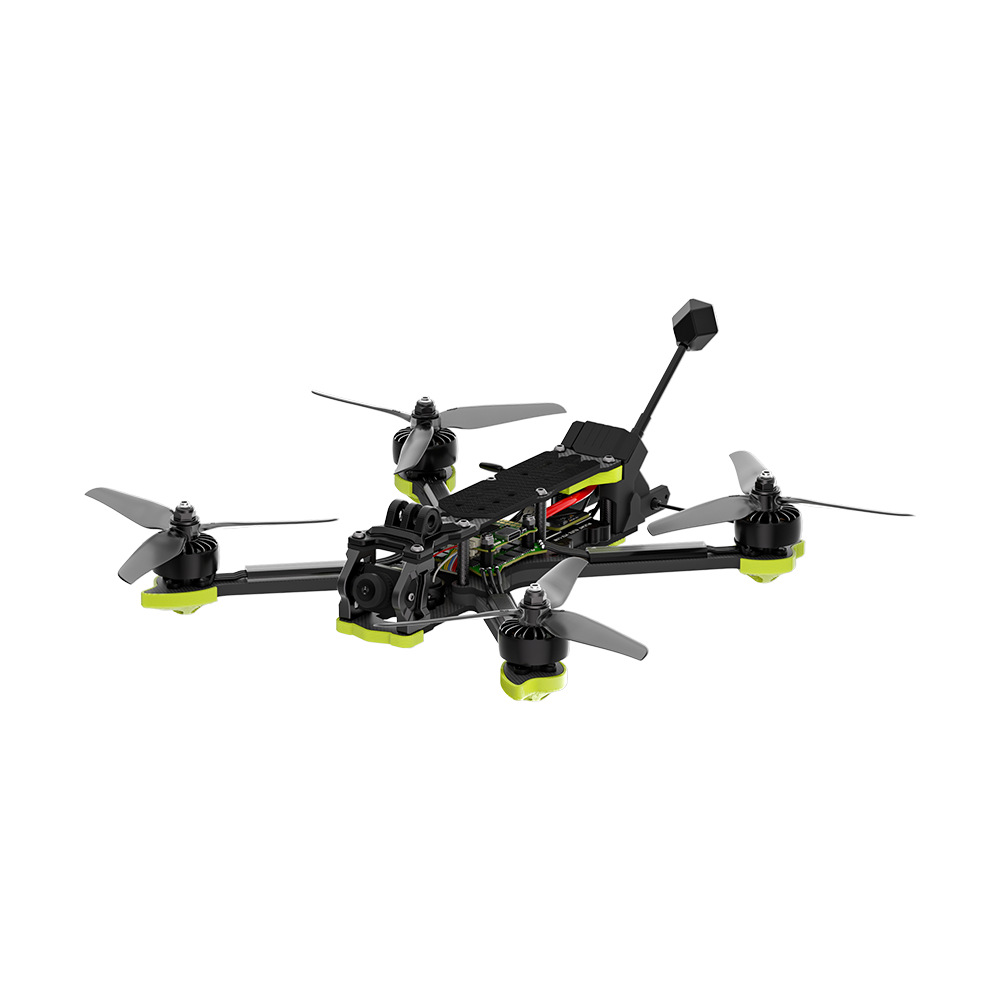
A long-range drone is specifically engineered to operate over extended distances, far beyond what standard consumer drones can achieve. Unlike conventional drones that typically have a flight range of 1-5 km, long-range drones can reach distances of 10 km, 20 km, or even over 50 km, depending on battery capacity, signal strength, and environmental conditions.
Key features of long-range drones include:
- High-capacity batteries for extended flight times
- Advanced GPS and navigation systems for precise positioning
- Strong communication links for stable remote control
- Redundant safety features to prevent loss during long-distance operations
These features make long-range drones ideal for commercial applications where coverage and reliability are critical.
Advantages of Long-Range Drones
1. Extended Operational Range
Long-range drones allow operators to conduct aerial missions over vast areas without the need to relocate frequently. This is especially beneficial for applications such as agricultural crop monitoring, pipeline inspection, and environmental surveying.
2. High-Quality Data Collection
Equipped with high-resolution cameras and sensors, long-range drones capture accurate images, thermal data, and LiDAR measurements. This enables professionals to make informed decisions based on real-time aerial intelligence.
3. Cost-Effective Aerial Solutions
Deploying a long-range drone reduces the need for manned aircraft or multiple short-range UAVs. Organizations can save time, labor, and operational costs, while achieving comprehensive coverage.
4. Versatility Across Industries
Long-range drones are not limited to one sector. They are widely used in:
- Agriculture: Crop spraying, mapping, and monitoring
- Energy: Power line and solar panel inspections
- Security: Surveillance and emergency response
- Mapping & Surveying: High-resolution topographic surveys
Key Features to Consider Before Purchasing
Choosing the right long-range drone is critical for ensuring maximum efficiency and safety. Here are some essential features to evaluate:
- Flight Time: Look for drones with at least 40-60 minutes of flight to cover larger areas.
- Control Range: Ensure the remote control or transmission system supports the desired operational distance.
- Payload Capacity: For specialized tasks like spraying or thermal imaging, verify the drone’s payload capability.
- GPS Accuracy: High-precision GPS ensures accurate flight paths and safe returns.
- Obstacle Avoidance: Smart sensors prevent crashes during complex or long-distance missions.
- Durability: Weather-resistant drones withstand harsh conditions during extended operations.
Applications of Long-Range Drones
Agriculture
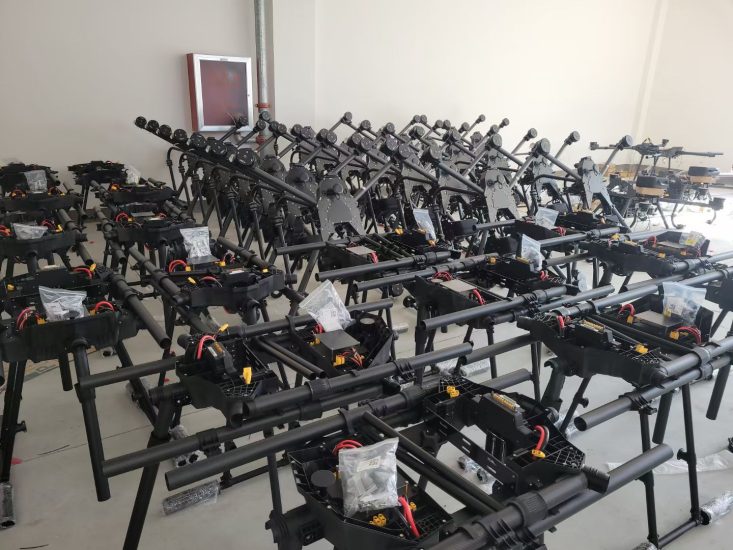
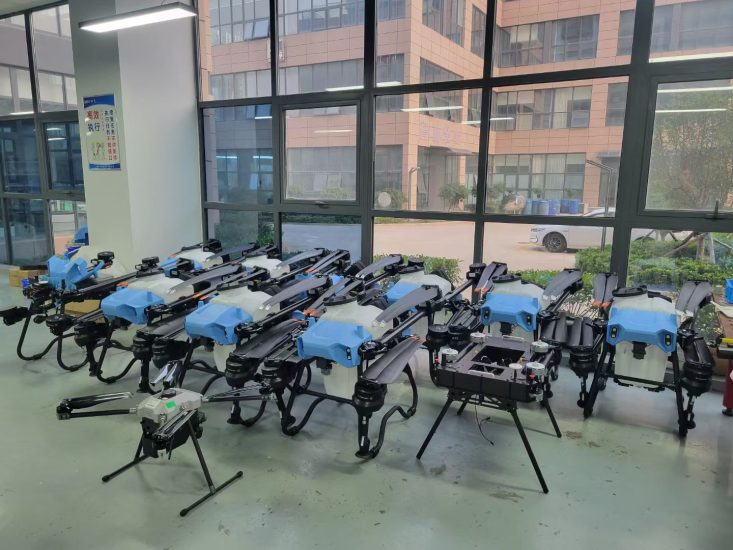
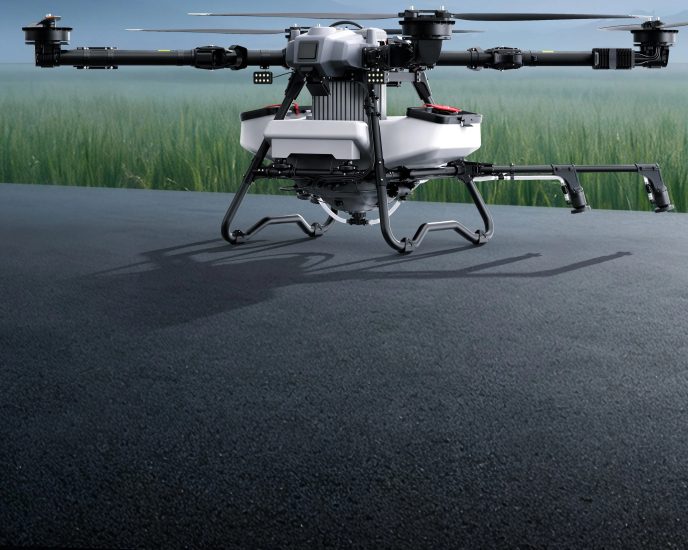
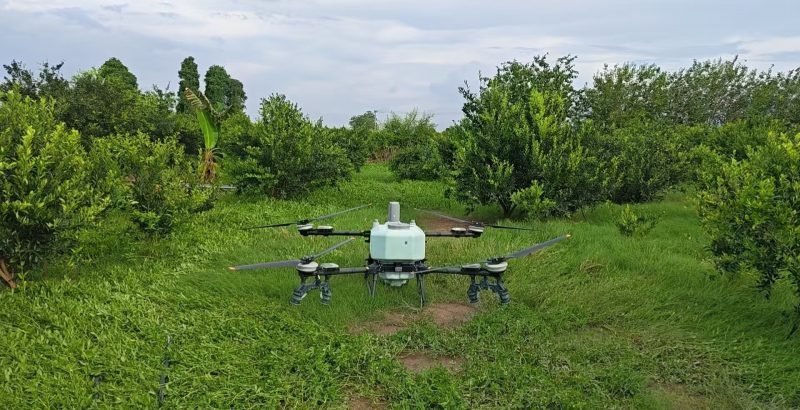
Long-range drones revolutionize modern farming. They allow efficient spraying, fertilizing, and seeding across large farms, reducing labor costs and improving yields. Real-time monitoring helps detect crop diseases and water stress, enabling timely interventions.
Infrastructure & Construction
Engineers use long-range drones for bridge inspections, power line monitoring, and large construction sites. Drones reduce human risk and improve efficiency, allowing for data collection from hard-to-reach areas.
Environmental & Wildlife Monitoring
Conservationists rely on drones to track wildlife, monitor forests, and measure environmental changes. The extended range ensures minimal disturbance to wildlife while covering large natural areas.
Emergency Response
In search and rescue operations, long-range drones can quickly reach remote or disaster-affected zones. Equipped with thermal cameras, they can locate stranded individuals or assess damage safely and efficiently.
How to Operate Long-Range Drones Safely
Operating a long-range drone requires skill, preparation, and adherence to regulations:
- Plan Your Flight: Identify take-off and landing points, weather conditions, and potential obstacles.
- Check Local Regulations: Follow drone laws, including altitude limits and no-fly zones.
- Monitor Battery Levels: Ensure sufficient charge for the return trip and possible contingencies.
- Use GPS & Return-to-Home Functions: Activate automated safety features to prevent loss.
- Regular Maintenance: Inspect motors, propellers, and communication systems before each flight.
Following these precautions ensures safe and successful long-range operations.
FAQ: Long-Range Drones
Q1: How far can a long-range drone fly?
A1: Depending on the model, long-range drones can fly anywhere from 10 km up to 50 km or more. Flight distance depends on battery life, signal strength, and environmental conditions.
Q2: Can long-range drones carry heavy payloads?
A2: Yes, many professional long-range drones support payloads like spraying tanks, cameras, or LiDAR sensors. Always check the manufacturer’s specifications.
Q3: Are long-range drones suitable for beginners?
A3: While advanced, some long-range drones have user-friendly controls and automated flight modes. However, beginners should start with smaller models to gain experience.
Q4: How do I ensure a safe long-distance flight?
A4: Use GPS, follow local regulations, monitor battery levels, and employ return-to-home and obstacle avoidance systems.
Why Investing in a Long-Range Drone is Worth It
Long-range drones represent the future of aerial operations. Their ability to cover vast distances, capture high-quality data, and perform diverse industrial tasks makes them indispensable for businesses seeking efficiency and innovation. Investing in a reliable long-range drone boosts productivity, enhances safety, and opens new possibilities in aerial technology.
If you are looking to increase operational efficiency and achieve professional-grade results, a long-range drone is your ideal solution.
📩 Inquiry Today:
Interested in a long-range drone tailored for your industry? Contact us now to discuss your requirements and receive a personalized solution.


No comments yet