




Flight time is one of the most critical factors in FPV drone performance, especially for users who require extended aerial operations. Whether for exploration, inspection, filming, or mapping, a long flight time FPV drone allows pilots to stay in the air longer, capture more data, and complete missions more efficiently.
Traditional FPV drones are often limited by short battery life due to high-speed performance and power consumption. However, modern advancements in battery technology, motor efficiency, and aerodynamic design have made long flight time FPV drones increasingly practical and accessible.
This article explores the benefits, key features, and applications of long endurance FPV drones, helping buyers understand why they are essential for extended aerial missions.
What Is a Long Flight Time FPV Drone?
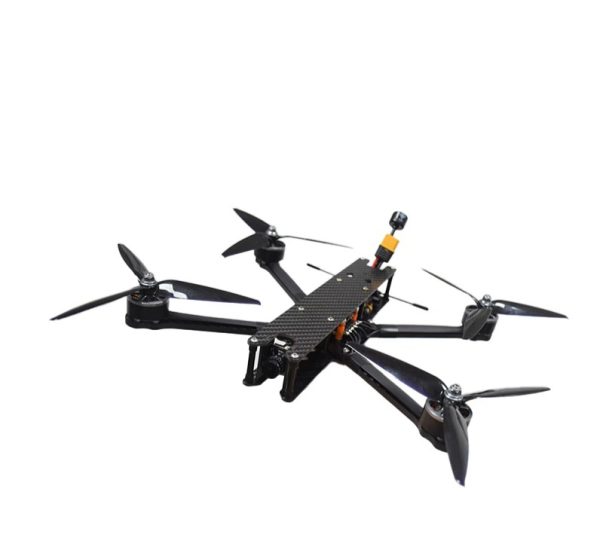
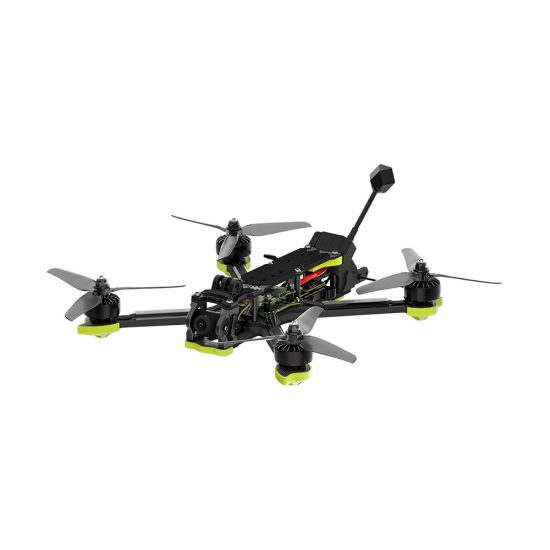
A long flight time FPV drone is designed to maximize airborne duration through optimized power systems and efficient flight performance.
These drones typically feature:
- High-capacity batteries
- Energy-efficient brushless motors
- Lightweight aerodynamic frames
- Optimized propeller design
- Intelligent power management systems
Depending on configuration and usage, these drones can achieve significantly longer flight times compared to standard FPV models.
Why Flight Time Matters
Increased Operational Efficiency
Longer flight time allows users to complete tasks without frequent battery changes. This is especially important for:
- Industrial inspections
- Aerial surveys
- Outdoor exploration
More time in the air means higher productivity and reduced interruptions.
Better Data Collection
For applications such as mapping or monitoring, longer flight duration enables more comprehensive coverage in a single mission.
This reduces the need for multiple flights and ensures consistent data quality.
Enhanced Filming Capabilities
Content creators benefit from extended flight time by having more opportunities to capture the perfect shot.
Longer flights allow for:
- Multiple camera angles
- Continuous filming sequences
- Better scene planning
Key Features of Long Flight Time FPV Drones
High-Capacity Battery Systems
The battery is the most important component for flight endurance. Long flight time drones use advanced batteries with higher energy density to provide extended operation.
Battery efficiency is also improved through optimized discharge rates and thermal management.
Energy-Efficient Motors
Efficient brushless motors reduce power consumption while maintaining stable performance. These motors are designed to provide sufficient thrust without excessive energy usage.
Lightweight Frame Design
Reducing weight is essential for improving flight time. Long endurance drones use lightweight materials such as carbon fiber to minimize load without sacrificing strength.
Aerodynamic Optimization
Frame and propeller design play a key role in reducing air resistance. Aerodynamic efficiency allows the drone to maintain stable flight with less energy consumption.
Intelligent Power Management
Modern FPV drones include smart systems that monitor battery usage and optimize power distribution.
Features may include:
- Low battery warnings
- Automatic return-to-home
- Power-saving flight modes
Applications of Long Flight Time FPV Drones
Long-Range Exploration
Extended flight time allows pilots to explore larger areas, including mountains, forests, and remote locations.
Industrial Inspection
Industries such as energy, construction, and infrastructure benefit from drones that can inspect large areas without frequent landings.
Aerial Mapping and Surveying
Surveying projects require consistent data collection over wide areas. Long flight time drones reduce operational complexity and improve efficiency.
Search and Rescue Operations
In emergency situations, longer flight duration increases the chances of locating missing persons or assessing disaster areas.
Cinematic Filming
Film producers and content creators can capture longer, uninterrupted sequences, improving storytelling and visual quality.
Advantages Over Standard FPV Drones
Long flight time FPV drones offer several advantages:
- Reduced need for battery replacement
- Increased mission efficiency
- Wider coverage area
- Improved user experience
- Better productivity for professional applications
These benefits make them ideal for both commercial and recreational users.
Tips to Maximize Flight Time
Even with advanced drones, pilots can take steps to extend flight duration.
Optimize Flight Style
Smooth and steady flying consumes less power compared to aggressive maneuvers.
Reduce Payload Weight
Minimizing additional equipment helps improve overall efficiency.
Maintain Batteries Properly
Proper charging, storage, and usage extend battery lifespan and performance.
Avoid Strong Wind Conditions
Flying in calm weather reduces energy consumption and improves stability.
Regular Maintenance
Keeping motors, propellers, and components in good condition ensures optimal performance.
Challenges of Long Flight Time Drones
While offering many advantages, long endurance FPV drones also present some challenges.
Larger Battery Size
High-capacity batteries can increase weight if not properly balanced with lightweight design.
Higher Initial Cost
Advanced components and battery systems may increase the price compared to standard drones.
Performance Trade-Off
Some long flight time drones may sacrifice speed or agility to achieve better endurance.
Future Trends in Flight Time Technology
The future of FPV drones will continue to focus on improving endurance through:
- Next-generation battery technology
- Solar-assisted power systems
- AI-based energy optimization
- Lightweight material innovations
These advancements will further extend flight time and expand drone applications.
Conclusion
Long flight time FPV drones provide a significant advantage for users who require extended aerial operations. By combining efficient power systems, lightweight design, and advanced technology, these drones enable longer missions, improved productivity, and enhanced user experience.
From industrial inspections to cinematic filming and outdoor exploration, long endurance FPV drones are becoming essential tools in modern UAV applications.
As technology continues to evolve, flight time will remain a key factor driving innovation and adoption in the FPV drone industry.
FAQ
Q1: How long can FPV drones typically fly?
Standard FPV drones may fly for 5–15 minutes, while long flight time models can achieve significantly longer durations depending on design.
Q2: What affects drone flight time the most?
Battery capacity, weight, motor efficiency, and flight style are the main factors.
Q3: Are long flight time drones suitable for beginners?
Yes, especially if they include stable flight modes and user-friendly controls.
Q4: Can flight time be extended with additional batteries?
Yes, carrying spare batteries is a common way to extend total operational time.



No comments yet