



Introduction — Beyond First Flights
Owning a photography drone is not about a single impressive flight or a few stunning images.
It is about building trust over time — knowing that every time you take off, the drone behaves as expected, your footage remains sharp, and nothing surprises you.
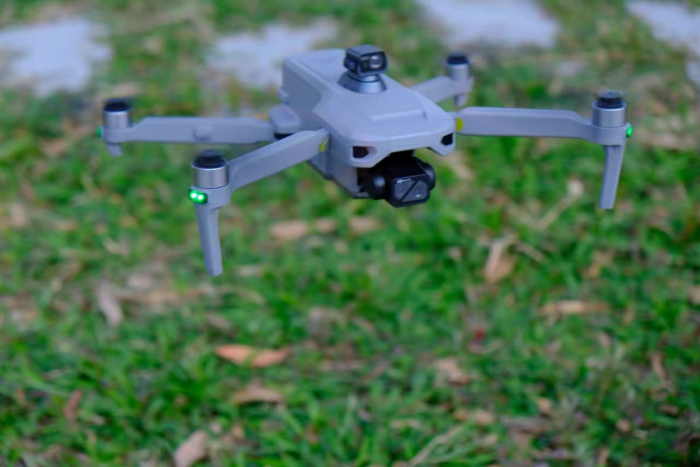
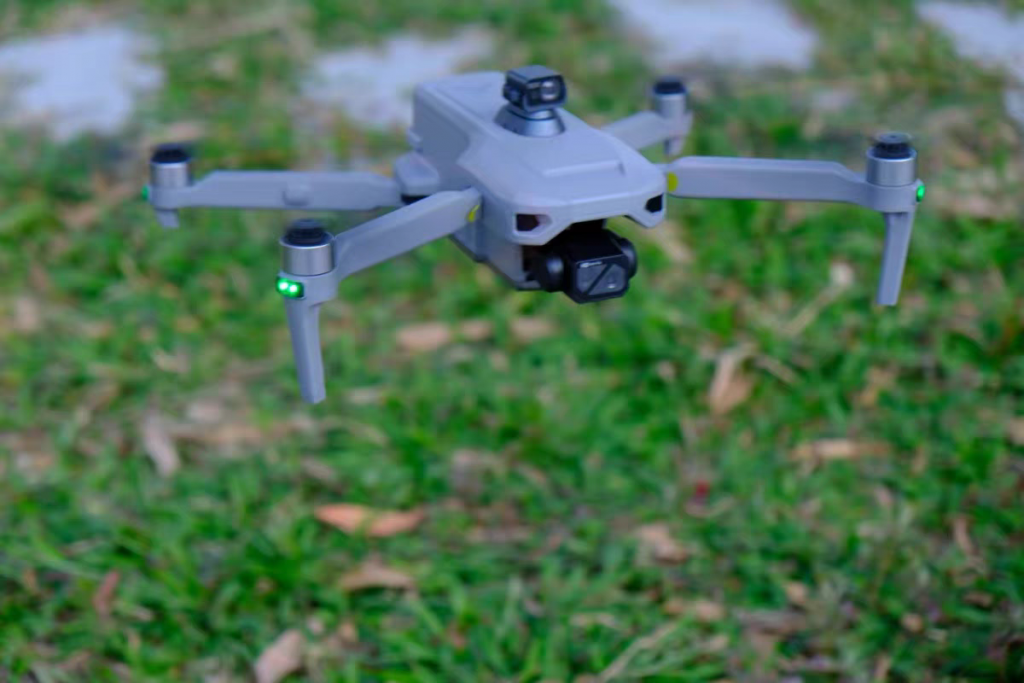
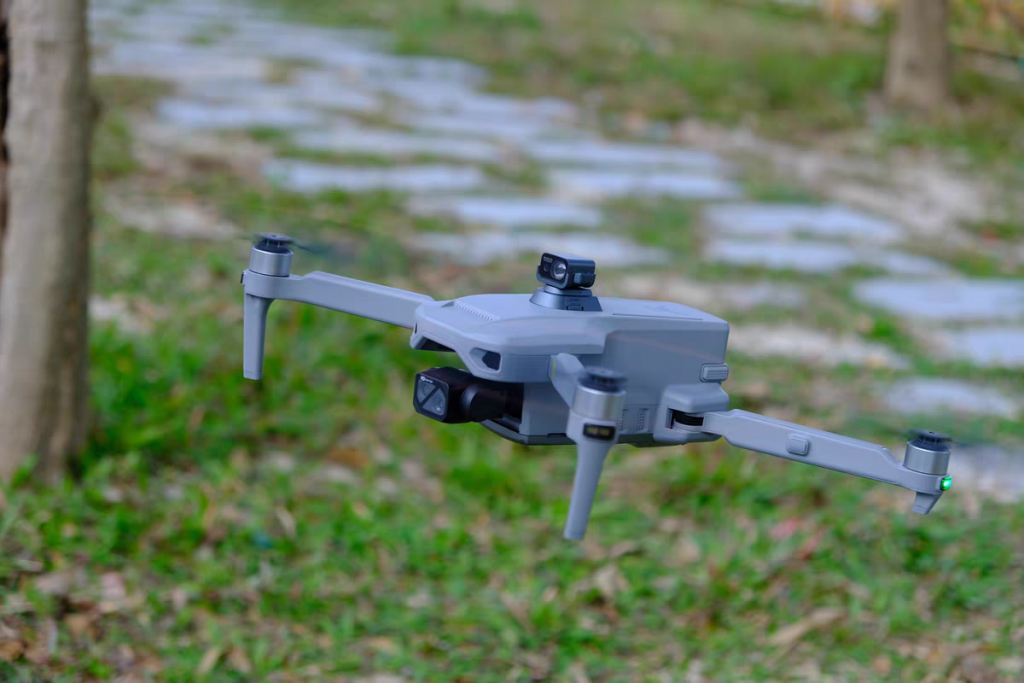
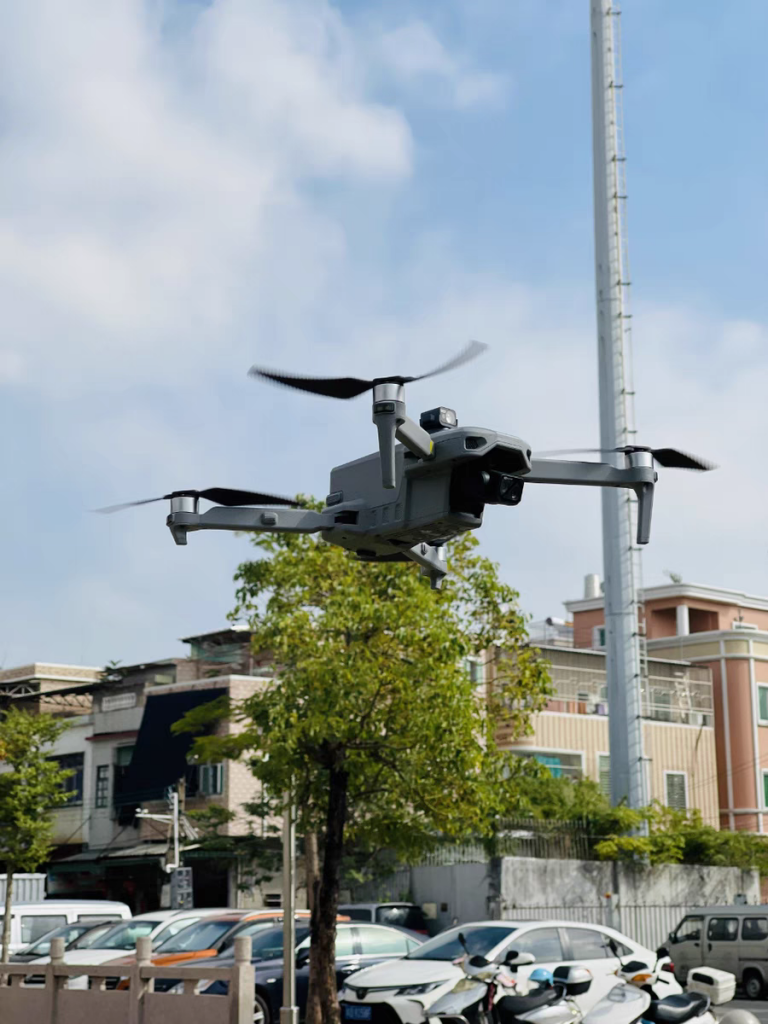
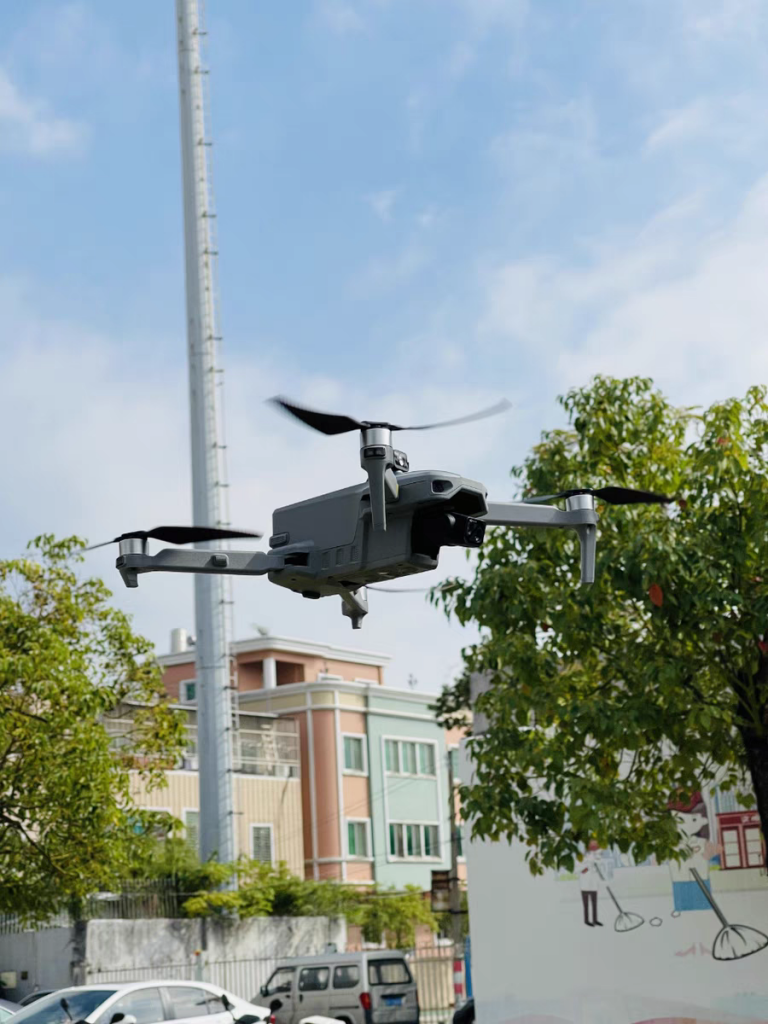
This diary documents my experience living with an MSOEN photography drone over several months.
I recorded technical observations, flight behavior, power management, image stability, and operational reliability.
The goal is to understand:
How does drone technology earn trust when it becomes part of daily professional work?
Week 1 — Initial Setup and Observations
Before my first flight, I focused on setup:
- Calibration procedures were clear and repeatable
- Sensor initialization was fast and accurate
- Firmware feedback was informative and precise
Even in the first hours, I noticed that MSOEN emphasizes operator awareness. Unlike many devices, it doesn’t “surprise” you with unexpected behaviors.
First impressions matter, but consistency over time matters more.
Week 2 — Hovering and Stability Testing
Early flights focused on basic hovering and controlled movement:
- Hovering at 10–20 meters with minimal wind
- Lateral movement for framing practice
- Gradual altitude changes for smooth shots
The drone’s flight response was smooth, predictable, and proportional.
Even during minor wind gusts, MSOEN maintained stable footage without requiring correction.
Observation: Mechanical and algorithmic design directly affects raw image quality.
Week 4 — Decision-Making Under Flight Conditions
I began focusing on how the drone reacts to inputs and environmental changes:
- Adjustments to stick movement
- Wind compensation
- Signal loss handling
MSOEN consistently chose gradual, predictable corrections instead of abrupt reactions. This made framing predictable — essential for professional aerial photography.
Week 6 — Signal Reliability in Real-World Environments
Testing in urban-edge and semi-urban areas with interference:
- Early warnings before signal degradation
- Smooth video quality adjustments
- Operator feedback was clear and actionable
This design ensures photographers can anticipate problems rather than reacting to sudden failures.
Week 8 — Power Management Insights
Beyond advertised flight time, I monitored low-battery behavior:
- Hover stability remained consistent at 20% charge
- Return-to-home sequences were predictable
- Throttle response remained smooth during voltage drop
This shows strong integration between flight control algorithms and battery management, supporting professional reliability.
Week 10 — Vibration and Image Fidelity
I measured vibration through test footage and sensor logs:
- Minimal micro-jitter in footage
- No increase in sensor recalibration frequency
- Mechanical damping consistently absorbed motor vibrations
MSOEN’s approach minimizes post-processing and ensures sharp images straight from the camera.
Week 12 — Maintenance Observations
Long-term reliability depends on component design:
- Motor temperature remained stable
- Connectors and arms showed no wear
- Frame integrity remained perfect
- Sensors required standard calibration only
This reduces downtime and builds long-term trust for repeated professional use.
Practical Design Comparison
| Feature | Typical Photography Drone | MSOEN Approach |
|---|---|---|
| Flight Stability | Varies, often abrupt | Smooth, predictable |
| Signal Handling | Maximum distance, sudden loss | Gradual degradation with feedback |
| Battery Management | Focus on flight time | Stability and consistent response |
| Vibration Control | Post-processing reliance | Mechanical + control balance |
| Operator Feedback | Minimal | Clear, informative, early warnings |
MSOEN’s philosophy is repeatable professional results, not flashy demos.
Technical Specification Overview
| Parameter | Description |
|---|---|
| Drone Type | Professional Photography Drone |
| Flight Control | Multi-sensor fusion system |
| Stabilization | Advanced 3-axis real-time correction |
| Positioning | Integrated satellite + inertial sensors |
| Communication | Digital long-range transmission |
| Power System | Intelligent battery management |
| Frame Structure | Lightweight reinforced composite |
| Design Focus | Image stability, predictability, and reliability |
Frequently Asked Questions (FAQ)
Q1: Is MSOEN suitable for professional daily use?
Yes. Consistent flight behavior and predictable maintenance support repeated professional applications.
Q2: Does it rely on digital stabilization for image quality?
No. Mechanical and flight-control stability provide sharp images, minimizing post-processing needs.
Q3: How does it perform under challenging conditions?
It communicates limits early, reacts gradually, and preserves image quality.
Q4: Is long-term maintenance manageable?
Yes. Sensors, motors, and frames maintain reliability with standard calibration and minimal intervention.
Q5: What defines MSOEN photography drone technology most clearly?
Balance — between control, stability, power, signal, and operator feedback.
Closing Reflection
After living with this photography drone for months, I realized that professional aerial imaging is less about specs and more about trust in the system.
MSOEN earned my trust through:
- Predictable behavior
- Consistent flight stability
- Reliable power management
- Clear feedback and operational transparency
When the technology fades into the background, creativity thrives. And in professional photography, that trust is the ultimate feature.


No comments yet