

![Image [1]-Lightweight FPV Drone with Stable Video Transmission-msoen](https://www.msoen.com/wp-content/uploads/2026/03/20260306074142458-1000020854-1024x837.jpg)
![Image [2]-Lightweight FPV Drone with Stable Video Transmission-msoen](https://www.msoen.com/wp-content/uploads/2026/03/a477fd3c6e011114-1024x768.jpg)

![Image [4]-Lightweight FPV Drone with Stable Video Transmission-msoen](https://www.msoen.com/wp-content/uploads/2026/03/20260312061426483-1000021264-1024x1024.jpg)
![Image [5]-Lightweight FPV Drone with Stable Video Transmission-msoen](https://www.msoen.com/wp-content/uploads/2026/03/20260312061426777-1000021263-1024x1024.jpg)
![Image [6]-Lightweight FPV Drone with Stable Video Transmission-msoen](https://www.msoen.com/wp-content/uploads/2026/03/20260313111522166-1688_image_share_c9b2514d2a9d7d17200461d88cea0a8f.jpg)
Lightweight FPV drones are becoming increasingly popular among drone pilots, filmmakers, and technology enthusiasts. These drones are designed to combine low weight, efficient flight performance, and stable real-time video transmission. The combination of lightweight construction and reliable video systems allows pilots to experience smooth and immersive FPV flying.
In FPV flight, video stability is extremely important. Pilots rely on real-time video to navigate the drone safely and accurately. A lightweight drone with stable video transmission provides better control, improved efficiency, and longer flight endurance.
This guide explains the advantages of lightweight FPV drones, the technologies behind stable video transmission, and how to choose the right drone for high-quality FPV flying.
What Is a Lightweight FPV Drone?
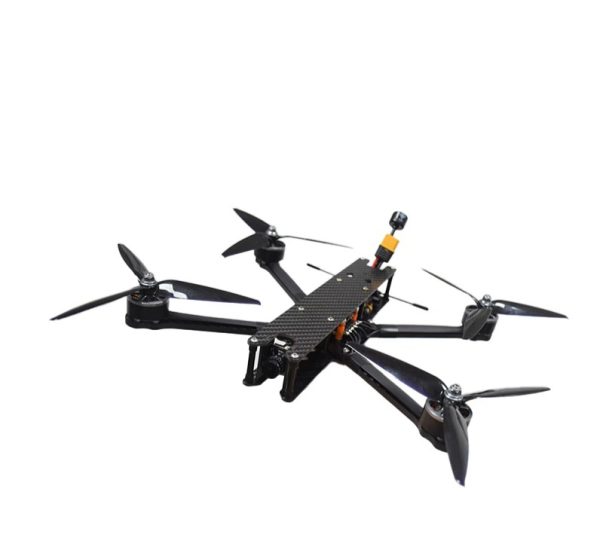
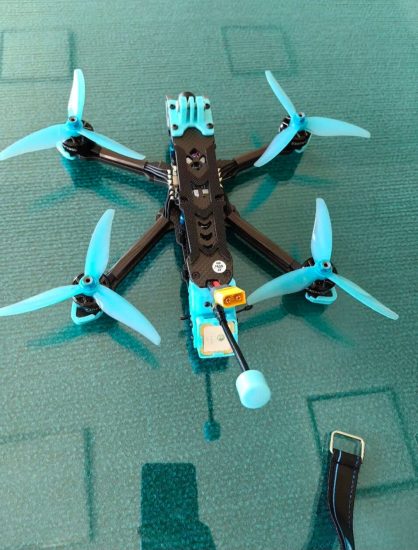
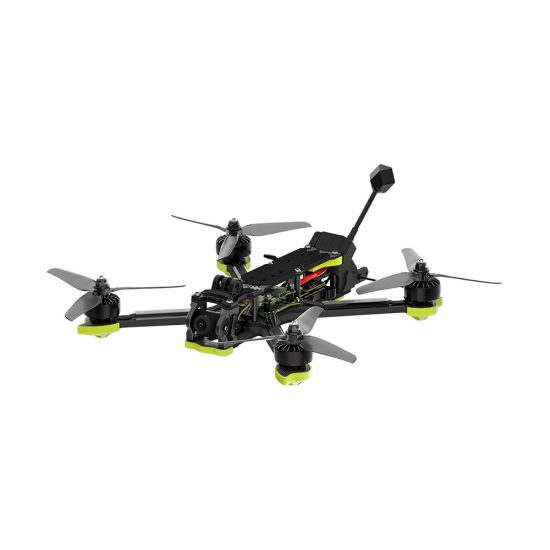
A lightweight FPV drone is an unmanned aerial vehicle designed with a focus on reducing overall weight while maintaining structural strength and flight stability. These drones use lightweight materials and optimized components to achieve efficient performance.
The drone transmits real-time video from an onboard camera directly to the pilot’s display or FPV goggles. This first-person perspective allows pilots to control the aircraft while viewing the environment from the drone’s camera.
Lightweight FPV drones are commonly used for:
🚁 FPV freestyle flying
🎥 Cinematic aerial filming
🌍 Outdoor exploration
🏁 Drone racing
📷 Dynamic action recording
Because they weigh less than traditional drones, lightweight FPV drones can accelerate faster and respond more quickly to control inputs.
Why Lightweight Drone Design Matters
Reducing the weight of a drone provides several advantages for pilots and drone operators.
Improved Flight Efficiency
A lighter drone requires less power to stay airborne. This improves energy efficiency and allows longer flight times using the same battery capacity.
Faster Acceleration
Lightweight drones can accelerate quickly because motors do not need to lift as much mass. This improves agility and responsiveness.
Better Maneuverability
Reduced weight allows the drone to change direction more quickly, which is especially important for FPV freestyle flying and racing.
Reduced Component Stress
Lower weight reduces stress on motors, propellers, and structural components, helping extend the lifespan of the drone.
Importance of Stable Video Transmission in FPV Flight
FPV flight depends heavily on real-time video feedback. Without a stable video signal, the pilot cannot accurately control the drone.
Several factors contribute to stable video transmission.
Low Latency Video Signal
Low latency means the video reaches the pilot almost instantly after being captured by the camera. This ensures that control decisions are based on accurate visual information.
Signal Strength and Range
Strong signal transmission allows the drone to maintain a clear video feed even at longer distances.
Reliable communication between the drone and receiver prevents signal loss during flight.
Interference Resistance
Wireless interference can disrupt video transmission. Advanced transmission systems are designed to minimize interference and maintain signal stability.
High Resolution Image Quality
Clear video resolution allows pilots to see obstacles, terrain, and navigation points more easily.
Key Components of a Lightweight FPV Drone
Lightweight FPV drones rely on several important components that balance weight reduction with strong performance.
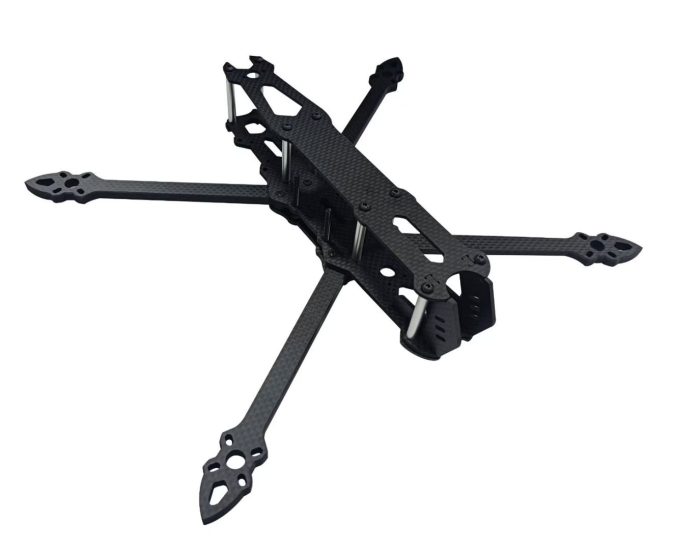
Carbon Fiber Frame
Most lightweight FPV drones use carbon fiber frames because they offer high strength with minimal weight.
Carbon fiber structures protect internal electronics while keeping the drone agile.
High Efficiency Brushless Motors
Brushless motors provide strong thrust while maintaining energy efficiency.
Efficient motors allow lightweight drones to reach high speeds while conserving battery power.
Compact Flight Controller
Modern flight controllers integrate multiple sensors and processing units into compact designs.
These controllers stabilize the drone and ensure precise control during flight.
Lightweight Propellers
Propellers designed for lightweight drones maximize thrust without adding unnecessary mass.
Balanced propellers also reduce vibration and improve flight smoothness.
FPV Camera and Video Transmitter
The FPV camera captures live video and sends it through the video transmitter to the pilot’s receiver.
High-quality cameras and transmitters ensure clear and stable video signals.
Applications of Lightweight FPV Drones
Lightweight FPV drones are widely used in many industries and recreational activities.
Cinematic Video Production
Filmmakers often prefer lightweight FPV drones for capturing dynamic shots.
These drones can fly through narrow spaces and perform complex movements while recording smooth footage.
Freestyle Flying
Freestyle FPV pilots perform aerial tricks and creative maneuvers.
Lightweight drones provide the agility needed for flips, rolls, and rapid direction changes.
Travel and Exploration
Because of their compact size and portability, lightweight FPV drones are easy to carry during outdoor adventures.
Pilots can explore landscapes and capture unique aerial perspectives.
Drone Racing
Many racing pilots choose lightweight drones because of their acceleration and maneuverability advantages.
How to Choose a Lightweight FPV Drone
When selecting a lightweight FPV drone, several important factors should be considered.
Frame Design
The frame should provide strength and durability while maintaining low weight.
Well-designed frames distribute stress evenly during flight and minor crashes.
Motor Performance
Motors should deliver sufficient thrust while remaining efficient.
Matching motor power with drone weight ensures optimal performance.
Video Transmission Quality
Stable video transmission is essential for safe FPV flight.
Look for systems that provide low latency and strong signal reliability.
Battery Efficiency
Lightweight drones benefit from efficient batteries that provide sufficient flight time without adding excessive weight.
Component Compatibility
All components must be compatible to ensure stable operation.
This includes matching motors, electronic speed controllers, and flight controllers.
Tips for Maintaining Stable FPV Video Transmission
Maintaining a clear video signal during flight requires proper setup and operating practices.
Choose Open Flying Areas
Flying in open spaces reduces signal interference from buildings and obstacles.
Check Antenna Position
Proper antenna orientation improves signal strength and reception.
Avoid Electromagnetic Interference
Areas with strong radio signals or electronic equipment can disrupt video transmission.
Maintain Equipment Regularly
Regularly inspect cables, connectors, and antennas to ensure reliable performance.
Future Development of Lightweight FPV Drones
Drone technology continues to evolve rapidly, and lightweight FPV drones will benefit from several upcoming innovations.
Advanced Materials
New materials may provide even greater strength while reducing weight further.
Improved Battery Technology
Future batteries may offer higher energy density, allowing longer flight times without increasing drone weight.
Enhanced Video Systems
New video transmission systems will provide higher resolution images with lower latency.
Intelligent Flight Assistance
Advanced sensors and software may assist pilots with stabilization and obstacle awareness.
Conclusion
Lightweight FPV drones with stable video transmission provide an excellent combination of performance, efficiency, and immersive flight experience. By reducing weight and improving video technology, these drones allow pilots to achieve better maneuverability, longer flight times, and clearer visual feedback.
Choosing the right lightweight FPV drone requires careful consideration of frame design, motor efficiency, video transmission stability, and overall component quality. With the right setup, pilots can enjoy smooth and reliable FPV flying across a wide range of applications, from racing and freestyle flying to cinematic video production and exploration.
As drone technology continues advancing, lightweight FPV drones will become even more capable, offering improved performance and enhanced flying experiences for pilots around the world.
FAQ
What is a lightweight FPV drone?
A lightweight FPV drone is a drone designed with minimal weight while maintaining strong flight performance and real-time video transmission.
Why is video transmission important in FPV drones?
Pilots rely on real-time video to control the drone and navigate safely during flight.
Are lightweight FPV drones faster?
Lightweight drones often accelerate faster and respond more quickly to control inputs.
Can lightweight FPV drones be used for filming?
Yes. Many filmmakers use lightweight FPV drones to capture dynamic aerial shots.
How far can an FPV drone transmit video?
Transmission range depends on the video system, antenna design, and environmental conditions.



No comments yet