



Introduction
The popularity of FPV drones has grown rapidly in recent years. From aerial photography to freestyle flying, FPV technology has opened a new world of immersive flight experiences. For beginners and hobby pilots, choosing a lightweight FPV drone is often the best way to start learning. Lightweight drones are easier to control, safer to fly, and more forgiving during early practice.
A well-designed lightweight FPV drone can deliver stable flight, responsive control, and high-quality video transmission while remaining simple enough for new pilots to operate. Whether flying in open fields, parks, or practicing freestyle maneuvers, beginner-friendly FPV drones provide an exciting entry point into the world of UAV flight.
This article explains why lightweight FPV drones are ideal for beginners, what features to look for, and how hobby pilots can start flying safely and confidently.
What Is a Lightweight FPV Drone?
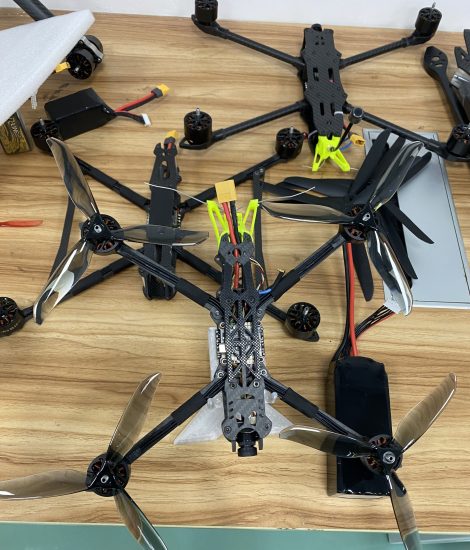
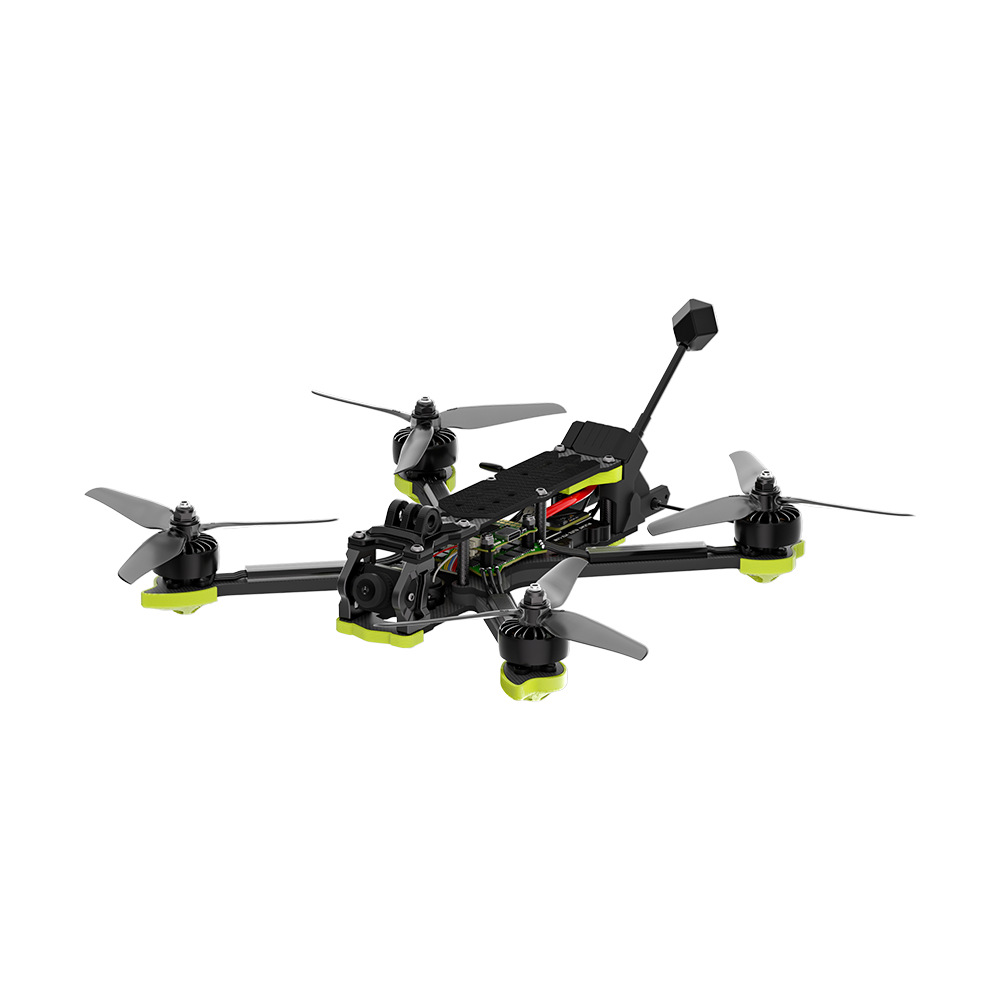
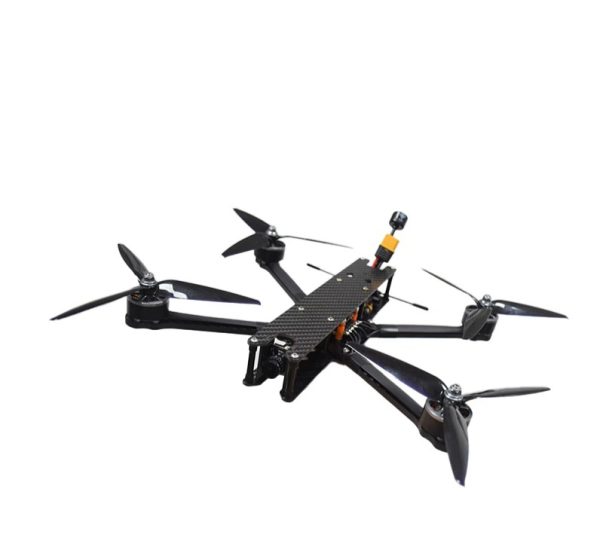
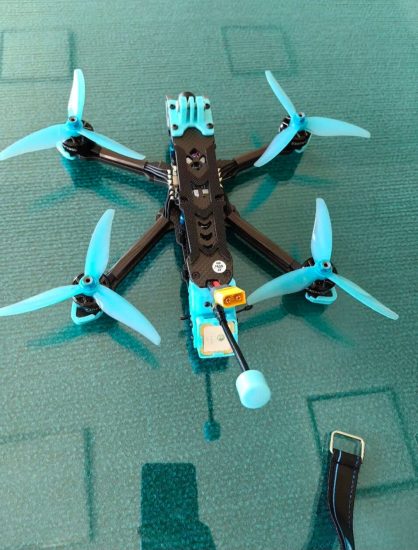
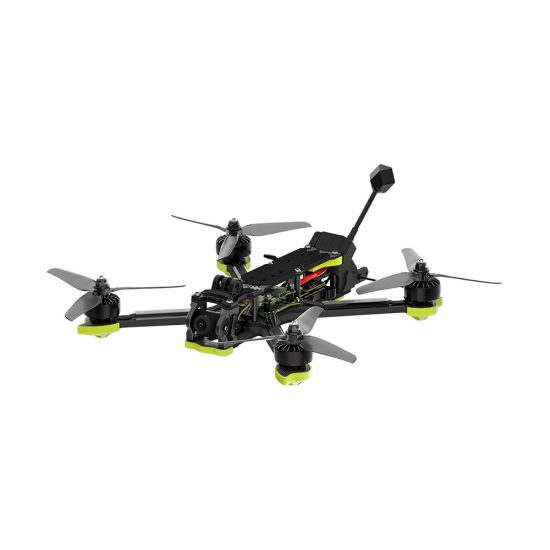
A lightweight FPV drone is a compact unmanned aerial vehicle designed with reduced weight and simplified components while still providing a full first-person-view flying experience.
Key characteristics include:
- Compact and lightweight frame
- Efficient motors for smooth control
- Stable flight systems
- Real-time FPV camera transmission
- Beginner-friendly configuration
These drones are specifically built to help new pilots learn flight control without the complexity of heavy or high-power racing drones.
Why Beginners Should Choose Lightweight FPV Drones
Easier Flight Control
Lightweight drones are generally easier to handle. Because they have lower inertia, they respond more smoothly to pilot commands. This makes it easier for beginners to learn the fundamentals of drone flight.
Pilots can practice:
- Basic hovering
- Smooth turns
- Controlled climbs and descents
- Gentle acceleration
Mastering these basics builds confidence and prepares pilots for more advanced FPV flying.
Safer for Training
Safety is a critical concern for new drone pilots. Lightweight FPV drones reduce the risk of damage during crashes because they have less mass and lower impact force.
Benefits include:
- Reduced risk of injury
- Less damage to surroundings
- Lower repair costs
Many beginner drones also include propeller guards and durable frames to further improve safety.
Lower Cost of Entry
Starting with an expensive professional drone can be risky for beginners. Lightweight FPV drones are usually more affordable while still delivering an exciting flying experience.
This allows new pilots to:
- Learn without worrying about damaging expensive equipment
- Experiment with different flying techniques
- Upgrade later when skills improve
Affordable entry points make the FPV hobby accessible to a wider audience.
Important Features to Look For
When selecting a beginner FPV drone, several features are especially important.
Stable Flight System
A reliable flight controller ensures smooth and predictable flight behavior. Stability assistance features such as auto-leveling modes help beginners maintain control while learning.
Real-Time FPV Camera
A good FPV camera and video transmission system allow pilots to see exactly what the drone sees. This immersive experience is what makes FPV flying unique.
Clear video transmission helps pilots navigate obstacles and maintain orientation during flight.
Durable Frame
Beginner pilots inevitably experience crashes during training. A strong and flexible frame helps protect the drone’s components and extend its lifespan.
Common frame materials include:
- Carbon fiber
- Reinforced plastic
- Composite materials
Durability ensures the drone can survive repeated practice sessions.
Efficient Motors and Propellers
Efficient brushless motors provide smooth thrust and better energy efficiency. Combined with well-designed propellers, they allow stable flight and longer flight times.
This makes practice sessions more productive and enjoyable.
Best Environments for Beginner FPV Flying
Choosing the right flying environment is important for safety and learning progress.
Ideal locations include:
- Open fields
- Empty parks
- Large indoor spaces
- Rural areas with minimal obstacles
Beginners should avoid crowded areas, dense urban environments, or locations with many obstacles until they gain more experience.
Learning Basic FPV Flying Skills
New pilots should focus on mastering several essential skills before attempting advanced maneuvers.
Orientation Control
Understanding the drone’s orientation is critical. Practice maintaining direction and correcting position when the drone changes heading.
Smooth Throttle Management
Throttle control determines altitude and speed. Beginners should practice gradual throttle adjustments to maintain stable flight.
Controlled Turns
Learning to turn smoothly while maintaining altitude is an essential skill for FPV flying.
Landing Practice
Safe landing techniques prevent damage to the drone and surrounding objects. Beginners should practice slow, controlled descents.
Benefits of FPV Flying for Hobby Pilots
FPV flying offers many advantages beyond simple recreation.
Immersive Experience
FPV goggles allow pilots to experience flight from the drone’s perspective, creating a sensation similar to actually flying.
Skill Development
Pilots develop valuable skills such as:
- Hand-eye coordination
- Spatial awareness
- Technical understanding of UAV systems
Creative Expression
FPV drones allow hobbyists to capture unique aerial footage and perform freestyle flight maneuvers, opening opportunities for creative exploration.
Maintenance Tips for Beginner Drones
Proper maintenance keeps FPV drones flying safely and reliably.
Important maintenance steps include:
- Checking propellers before every flight
- Inspecting motors and frames for damage
- Monitoring battery condition
- Keeping firmware updated
Regular maintenance ensures consistent performance and longer drone lifespan.
The Future of FPV Drone Technology
FPV drone technology continues to evolve rapidly. Innovations include:
- Improved digital video transmission
- Advanced flight stabilization systems
- Longer battery endurance
- Lightweight high-performance components
These developments make FPV drones more accessible and capable than ever before.
For beginners entering the hobby today, the available technology offers an excellent learning experience and endless possibilities for growth.
Conclusion
Lightweight FPV drones provide the perfect starting point for beginners and hobby pilots. Their manageable size, stable flight characteristics, and affordable cost make them ideal training platforms.
By practicing basic skills, flying in safe environments, and maintaining equipment properly, new pilots can quickly build confidence and enjoy the exciting world of FPV drone flight.
As experience grows, pilots can explore advanced maneuvers, long-range flights, and cinematic aerial filming, unlocking the full potential of FPV technology.
FAQ
Q1: Are lightweight FPV drones suitable for beginners?
Yes. Their stable flight behavior and reduced weight make them easier and safer for new pilots to control.
Q2: How long can a lightweight FPV drone fly?
Typical flight times range from 5 to 15 minutes depending on battery capacity and flying style.
Q3: Do beginners need FPV goggles?
FPV goggles enhance the immersive flying experience, but beginners can also start using a monitor or smartphone display.
Q4: Is it difficult to learn FPV drone flying?
With regular practice and a beginner-friendly drone, most pilots can learn basic flight skills relatively quickly.



No comments yet