


![Image [1]-Inside a Chinese Aerial Drone Factory: How msoen Drones Are Made-msoen](https://www.msoen.com/wp-content/uploads/2026/01/529a7ff665195152-768x1024.jpg)
![Image [2]-Inside a Chinese Aerial Drone Factory: How msoen Drones Are Made-msoen](https://www.msoen.com/wp-content/uploads/2026/01/e46bda83bc195152-1024x768.jpg)
![Image [3]-Inside a Chinese Aerial Drone Factory: How msoen Drones Are Made-msoen](https://www.msoen.com/wp-content/uploads/2026/01/5ced0788d4195152-768x1024.jpg)
![Image [4]-Inside a Chinese Aerial Drone Factory: How msoen Drones Are Made-msoen](https://www.msoen.com/wp-content/uploads/2026/01/2eda0d55c5195152-768x1024.jpg)
![Image [5]-Inside a Chinese Aerial Drone Factory: How msoen Drones Are Made-msoen](https://www.msoen.com/wp-content/uploads/2026/01/76933d8539195152-768x1024.jpg)
![Image [6]-Inside a Chinese Aerial Drone Factory: How msoen Drones Are Made-msoen](https://www.msoen.com/wp-content/uploads/2026/01/b0b3024095195152-768x1024.jpg)
![Image [7]-Inside a Chinese Aerial Drone Factory: How msoen Drones Are Made-msoen](https://www.msoen.com/wp-content/uploads/2026/01/07f826db4b194838-1024x1024.jpg)
![Image [8]-Inside a Chinese Aerial Drone Factory: How msoen Drones Are Made-msoen](https://www.msoen.com/wp-content/uploads/2026/01/3c01e792fe194838-768x1024.jpg)
China has become the global leader in aerial drone manufacturing. At factories like msoen, cutting-edge technology meets precision engineering to produce drones used by photographers, filmmakers, and commercial users worldwide. This guide takes you behind the scenes to explore how drones are designed, assembled, tested, and shipped—offering insight into the craftsmanship that makes professional aerial photography possible.
1. China: The Global Hub for Drone Manufacturing
Over the past decade, China has become synonymous with drone production. Cities like Shenzhen and Guangzhou host hundreds of factories that specialize in UAVs for photography, industrial use, and commercial applications. The reasons for this success include:
- Advanced supply chains: Easy access to high-quality electronics, motors, and sensors
- Skilled workforce: Engineers and technicians with expertise in UAV technology
- Innovation culture: Rapid development of new models and features
msoen leverages this ecosystem, combining innovative design with meticulous manufacturing processes.
2. Concept and Design: From Idea to Prototype
Every drone begins as a concept. The design phase focuses on:
- Purpose: Are the drones for photography, surveying, or industrial applications?
- Camera integration: Sensor size, gimbal stabilization, and lens placement
- Aerodynamics: Shape, weight, and rotor efficiency
- Materials: Lightweight yet durable plastics, metals, and composites
After the initial design, engineers create CAD models and simulate performance. msoen prioritizes designs that balance stability, portability, and camera performance.
3. Component Sourcing: High-Quality Electronics and Parts
Chinese factories like msoen source components from specialized suppliers:
- Motors: Brushless motors for stable, efficient flight
- Electronic Speed Controllers (ESCs): Ensure smooth rotor operation
- Batteries: High-capacity, safe lithium polymer batteries
- Sensors: GPS, gyroscopes, accelerometers, and obstacle detection
Maintaining quality standards is crucial. Each component undergoes testing before assembly.
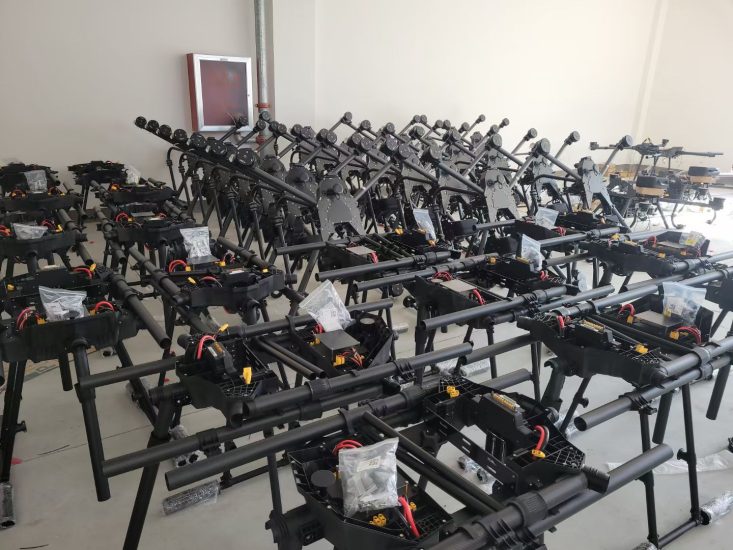
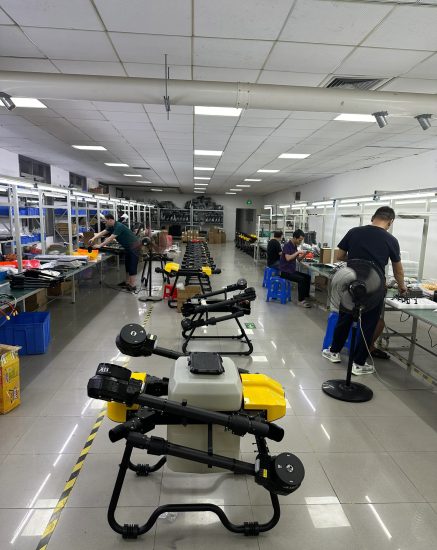
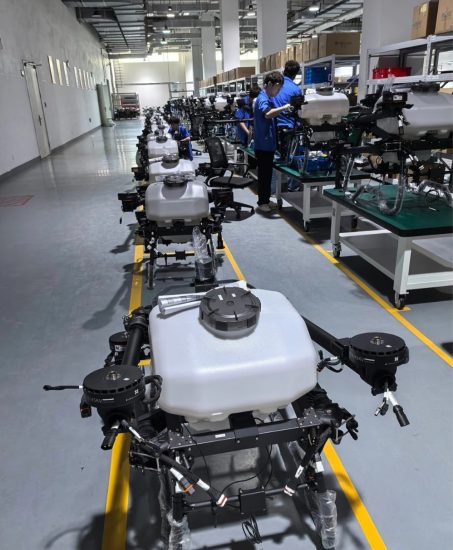
4. Assembly Line: Precision and Care
Assembly is where drones begin to take shape. The process includes:
- Frame Construction: Assembling the lightweight but durable drone body
- Rotor and Motor Installation: Ensuring alignment and balance for smooth flight
- Gimbal Integration: Installing the 3-axis gimbal for camera stabilization
- Wiring and Electronics: Connecting power systems, sensors, and controllers
Skilled technicians perform delicate work, especially when integrating cameras and stabilization systems.
5. Camera and Gimbal Installation
For photography drones, the camera is the most critical component. msoen ensures that:
- Gimbal movement is smooth and calibrated
- Camera sensors are aligned for optimal image quality
- Lens distortion is minimized
- Camera firmware is correctly loaded for advanced features
Proper installation guarantees stable, professional-quality footage.
6. Software and Firmware Integration
Modern drones rely heavily on software for:
- Flight control
- Obstacle avoidance
- Intelligent flight modes
- Battery and power management
msoen engineers install and test firmware on every unit. This ensures reliable performance and compatibility with companion apps for mobile devices.
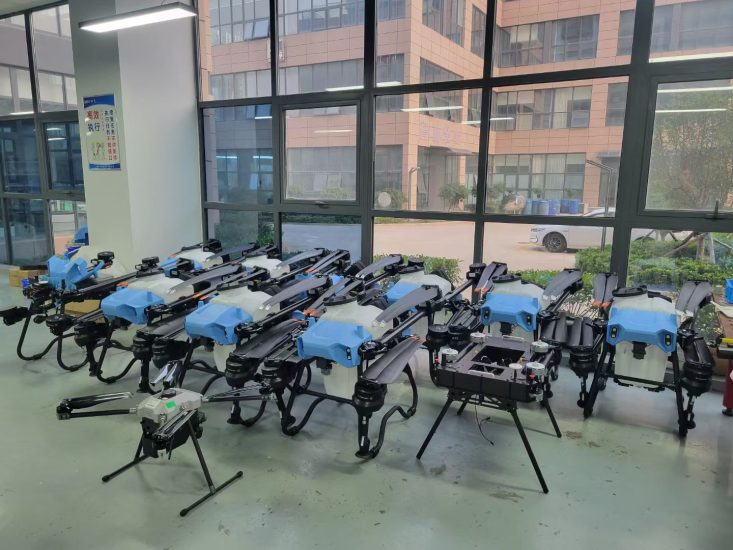
7. Quality Control: Testing Every Drone
Before leaving the factory, each drone undergoes rigorous testing:
- Rotor performance: Ensures lift and stability
- Battery endurance: Verifies advertised flight times
- Sensor calibration: Confirms GPS, gyroscope, and accelerometer accuracy
- Flight test: Short indoor and outdoor test flights to verify performance
Only drones that pass all quality checks receive the final approval for shipping.
8. Packaging and Logistics
After testing, drones are carefully packaged to prevent damage during shipping:
- Custom foam inserts for protection
- Inclusion of batteries, controllers, and accessories
- Instruction manuals and safety guides
China’s logistics network ensures fast and reliable delivery worldwide. msoen products reach professional photographers and commercial clients in multiple countries.
9. Innovation in Manufacturing
Chinese drone factories continuously innovate:
- Lightweight materials: Carbon fiber frames for strength and low weight
- Longer flight times: Optimized batteries and rotors
- Smarter sensors: Advanced obstacle avoidance and GPS
- AI integration: Intelligent tracking and automated flight modes
This constant innovation keeps brands like msoen competitive in the global market.
10. Environmental and Safety Standards
High-quality factories implement strict environmental controls:
- Clean assembly rooms for sensitive electronics
- Safe handling of batteries and chemicals
- Compliance with international safety regulations
These measures ensure that drones are both safe to use and durable over time.
11. Customization and OEM Production
China’s drone factories often offer customization:
- OEM branding: Customers can have their own logos printed
- Camera and gimbal options: Tailored to specific professional needs
- Flight software tweaks: Customized modes for industry applications
msoen provides both ready-made drones and options for custom orders for international clients.
12. After-Sales Support
A good factory does not stop at shipping. msoen offers:
- Technical support for troubleshooting
- Firmware updates to improve performance
- Spare parts availability
- Customer guidance for optimal drone operation
This support ensures long-term satisfaction and professional results.
13. The Role of Skilled Engineers
Behind every drone is a team of engineers:
- Aeronautical engineers for design and flight dynamics
- Electrical engineers for sensors and motors
- Software engineers for firmware and apps
- Quality control specialists
The combination of engineering expertise and skilled assembly is what makes msoen drones reliable and high-performing.
14. Training and Factory Tours
Many factories, including msoen, provide training for clients:
- Basic and advanced drone operation
- Safety and maintenance
- Software and app usage
Some clients visit the factory to see assembly and testing firsthand, gaining confidence in the products.
15. Impact on the Global Market
China’s manufacturing capabilities have made high-quality drones accessible worldwide. Factories like msoen allow professional photographers, filmmakers, and commercial users to get advanced UAV technology at competitive prices.
- Global supply meets rising demand
- Continuous innovation drives industry standards
- Reliable quality builds international trust
16. Future of Drone Manufacturing
Looking forward, Chinese factories continue to evolve:
- AI-assisted flight and automation
- Longer battery life and sustainable energy
- Smarter obstacle detection
- Lightweight and modular designs
msoen remains at the forefront, producing drones that meet professional photography standards while pushing innovation forward.
17. Final Thoughts
China’s drone factories combine precision engineering, innovative design, and skilled labor to produce professional UAVs. Brands like msoen ensure that every drone delivers stability, high-quality imaging, and reliable performance for photographers, filmmakers, and commercial users. Understanding the manufacturing process helps buyers appreciate the craftsmanship behind each drone and make informed purchasing decisions.


No comments yet