


![Image [1]-Importing Aerial Drones from China: A Comprehensive Guide for Global Buyers-msoen](https://www.msoen.com/wp-content/uploads/2025/12/a6d15c5d90203343-768x1024.jpg)
![Image [2]-Importing Aerial Drones from China: A Comprehensive Guide for Global Buyers-msoen](https://www.msoen.com/wp-content/uploads/2025/12/a2749201af203343-768x1024.jpg)
![Image [3]-Importing Aerial Drones from China: A Comprehensive Guide for Global Buyers-msoen](https://www.msoen.com/wp-content/uploads/2025/12/c134edd9b8203751-768x1024.jpg)
![Image [4]-Importing Aerial Drones from China: A Comprehensive Guide for Global Buyers-msoen](https://www.msoen.com/wp-content/uploads/2025/12/6f55cfd782203343-768x1024.jpg)
![Image [5]-Importing Aerial Drones from China: A Comprehensive Guide for Global Buyers-msoen](https://www.msoen.com/wp-content/uploads/2025/12/47dc5571e6203750-768x1024.jpg)
![Image [6]-Importing Aerial Drones from China: A Comprehensive Guide for Global Buyers-msoen](https://www.msoen.com/wp-content/uploads/2025/12/705be9ca8a203751-768x1024.jpg)
In recent years, the global demand for aerial drones—particularly those used for photography, surveying, agriculture, and recreational purposes—has surged exponentially. Among the key players in this booming market, China has emerged as the dominant force, accounting for over 70% of the world’s drone production. For businesses and individual buyers looking to source high-quality, cost-effective drones, importing directly from Chinese manufacturers presents a compelling opportunity. This article delves into the nuances of importing aerial drones from China, covering market dynamics, supplier selection, regulatory compliance, logistics, and strategies to optimize your import process for success in a competitive landscape.
The Rise of China’s Drone Manufacturing Industry
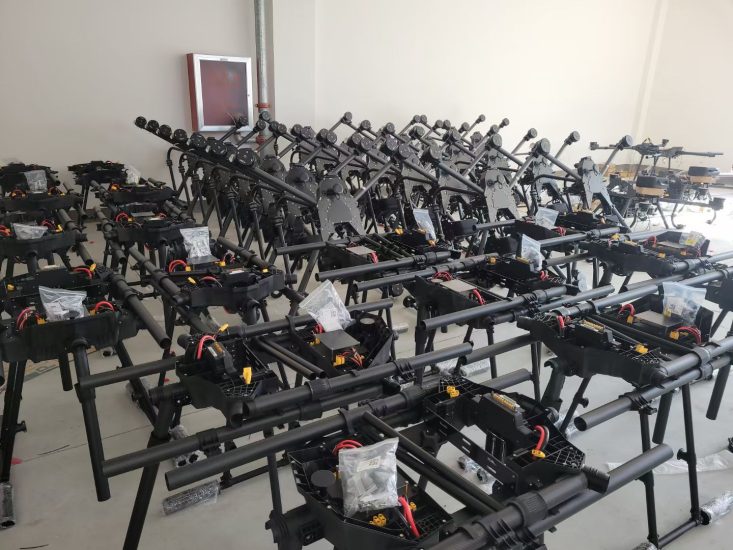
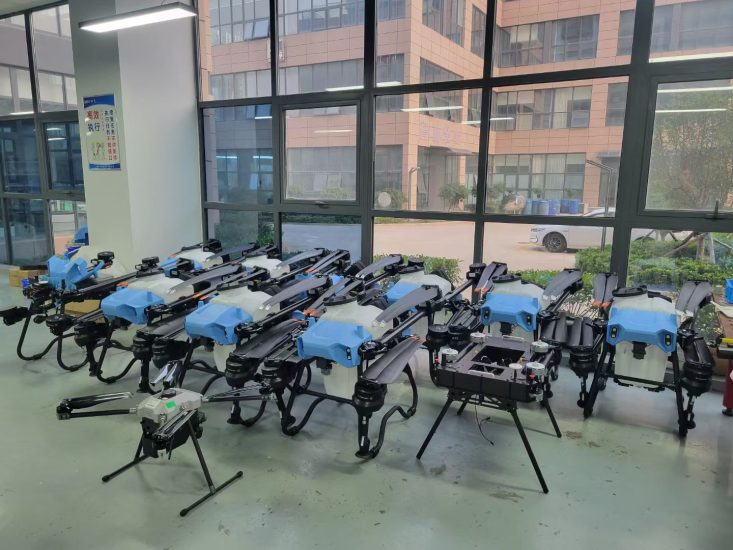
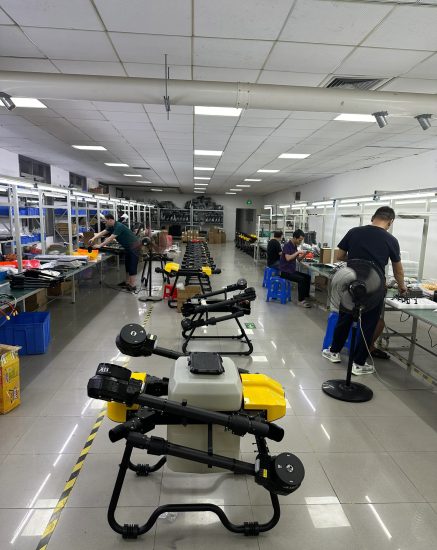
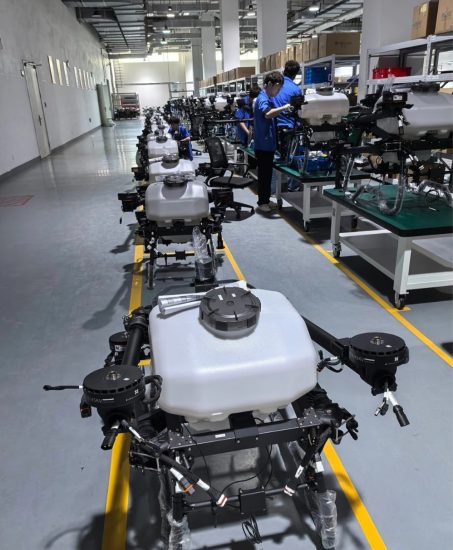
China’s dominance in drone manufacturing is no accident. Over the past two decades, the country has invested heavily in advanced electronics, precision engineering, and supply chain integration. Key industrial hubs such as Shenzhen, Guangzhou, and Dongguan have evolved into global centers for drone production, housing thousands of specialized factories equipped with state-of-the-art machinery. These facilities leverage economies of scale, allowing them to produce drones at significantly lower costs than their Western counterparts while maintaining consistent quality.
The Chinese government has also played a pivotal role in fostering this growth. Policies supporting innovation, tax incentives for tech exporters, and the establishment of drone testing zones have created a favorable ecosystem for manufacturers. As a result, Chinese drone producers have not only captured the consumer market but also gained traction in commercial sectors like infrastructure inspection, emergency response, and environmental monitoring. For importers, this means access to a vast array of options—from entry-level models for hobbyists to rugged, industry-grade drones with advanced features like thermal imaging, LiDAR sensors, and extended flight times.
Why Import Drones from China? Key Advantages
- Cost Efficiency: One of the most significant draws is price. Due to low labor costs, bulk material procurement, and streamlined production processes, Chinese drones are often 30–50% cheaper than similar products from Europe or North America. This cost advantage is particularly critical for small and medium-sized enterprises (SMEs) looking to enter the drone market without heavy upfront investment.
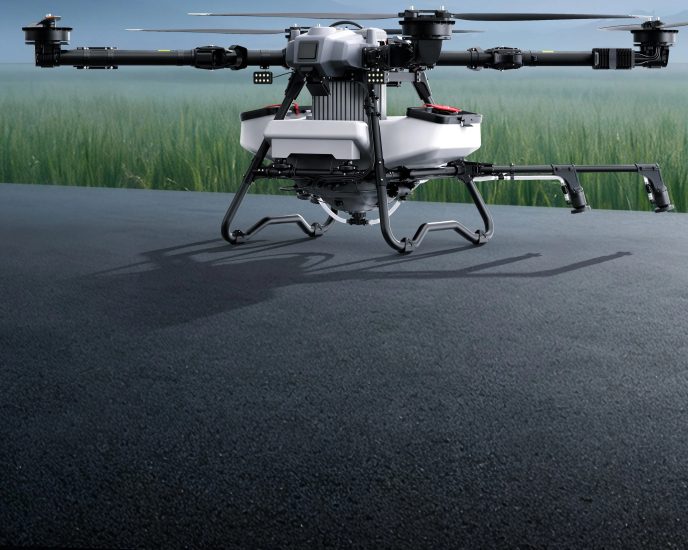
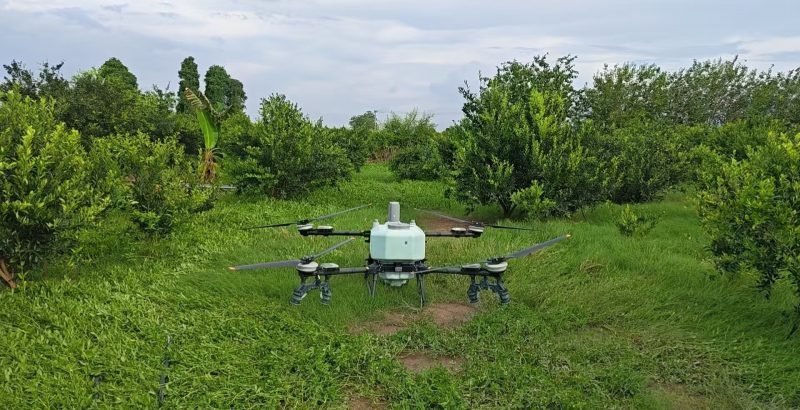
- Diverse Product Range: Chinese manufacturers cater to every segment of the market. Whether you need a compact foldable drone for travel vlogging, a heavy-lift model for agricultural spraying, or a modular platform for custom modifications, suppliers in China can meet these demands. Many factories also offer Original Design Manufacturing (ODM) and Original Equipment Manufacturing (OEM) services, allowing buyers to brand products under their own label.
- Rapid Innovation: The competitive nature of China’s domestic market drives constant innovation. Manufacturers frequently update their product lines to incorporate the latest technologies, such as improved battery life, AI-powered obstacle avoidance, and 4K/8K video capabilities. Importers benefit from early access to these advancements, keeping them ahead of trends.
- Scalability: From small-batch orders of 50 units to large-scale contracts of 10,000+ pieces, Chinese suppliers are equipped to handle varying order sizes. This flexibility is invaluable for businesses testing new markets or scaling up operations.
Navigating the Supplier Landscape: How to Find Reliable Partners
While the benefits are clear, finding trustworthy suppliers is critical to avoiding pitfalls like poor quality, delayed shipments, or fraud. Here’s a step-by-step approach to vetting Chinese drone manufacturers:
1. Verify Certifications and Compliance
Drones are subject to strict regulations in many countries, so ensure suppliers provide proof of compliance with international standards. Look for certifications such as:
- CE Marking (for the European Economic Area)
- FCC Certification (for the U.S.)
- RoHS Compliance (restriction of hazardous substances)
- UN 38.3 (battery safety testing)
Request samples before placing bulk orders to assess build quality, flight stability, camera performance, and durability. Pay attention to details like propeller balance, GPS accuracy, and waterproofing (if applicable).
3. Conduct Factory Audits
For large orders, consider hiring a third-party inspection agency (e.g., SGS, Bureau Veritas) to audit the supplier’s facility. This helps verify production capacity, quality control processes, and adherence to ethical labor practices. Alternatively, video calls with factory representatives can provide real-time insights into their operations.
4. Evaluate Communication and Responsiveness
Effective communication is key to avoiding misunderstandings. Assess how quickly suppliers respond to inquiries, their proficiency in English, and willingness to customize products (e.g., logo printing, firmware adjustments). Avoid suppliers who pressure you into quick decisions or refuse to share detailed product specifications.
Regulatory Compliance: Avoiding Legal Pitfalls
Importing drones involves navigating complex regulatory frameworks that vary by destination country. Failure to comply can result in seized shipments, fines, or even bans. Below are critical considerations:
1. Export Controls from China
China regulates the export of dual-use goods, including certain drone technologies with potential military applications. Ensure your supplier holds an Export License if required. Most consumer and commercial drones fall under general licenses, but high-end models with encrypted communication systems may need additional clearance.
2. Import Regulations in Your Country
- United States: The Federal Aviation Administration (FAA) requires drones weighing over 0.55 lbs (250 grams) to be registered. Commercial use mandates Part 107 certification for pilots. Additionally, drones must comply with FCC rules on radio frequency emissions.
- European Union: The European Union Aviation Safety Agency (EASA) categorizes drones into Open, Specific, and Certified classes. Most imported drones fall under the Open category, requiring CE marking and adherence to noise and privacy standards.
- Other Regions: Countries like Australia, Canada, and Japan have their own registration and operational rules. Research local aviation authorities (e.g., CASA in Australia, Transport Canada) to stay updated.
3. Customs Documentation
Accurate documentation prevents delays at customs. Essential documents include:
- Commercial invoice (detailing product value, description, and HS codes)
- Packing list (itemized contents, dimensions, weight)
- Bill of lading or airway bill (proof of shipment)
- Certificate of origin (to qualify for trade agreements)
- Test reports (e.g., CE, FCC)
Work with a freight forwarder experienced in electronics imports to ensure all paperwork is in order.
Logistics and Shipping: Minimizing Costs and Risks
Shipping drones from China involves balancing cost, speed, and safety. Here’s what to consider:
1. Choosing a Shipping Method
- Sea Freight: Ideal for large orders (20+ cubic meters). Cost-effective but slow (25–40 days). Use FCL (Full Container Load) for bulk shipments or LCL (Less Than Container Load) for smaller volumes.
- Air Freight: Faster (5–10 days) but more expensive. Best for urgent orders or high-value drones.
- Express Shipping: Services like DHL, FedEx, or UPS are suitable for samples or small batches (under 100 kg). They handle customs clearance but come at a premium.
2. Packaging for Protection
Drones are fragile, so robust packaging is non-negotiable. Use anti-static bags for electronic components, foam inserts to cushion the body, and reinforced cardboard boxes. Clearly label packages as “Fragile” and “This Side Up” to reduce handling damage.
3. Insurance
Purchase cargo insurance to protect against loss, theft, or damage during transit. Most freight forwarders offer coverage, but review the policy terms to ensure it includes “all risks” rather than basic coverage.
4. Duty and Tax Calculations
Import duties and VAT depend on the product’s HS code. For example, a consumer drone might fall under HS code 8806.20 (unmanned aircraft), with duty rates ranging from 0–10% in the EU and 0–5% in the U.S. Use online duty calculators (e.g., the U.S. International Trade Commission’s tool) to estimate costs upfront.
Quality Control: Ensuring Consistency in Every Shipment
Even with reliable suppliers, quality issues can arise. Implement these measures to maintain standards:
- Pre-Production Samples: Approve a final sample before mass production starts.
- In-Process Inspections: Hire a third party to check 30–50% of the order during production (e.g., checking soldering on circuit boards, calibrating cameras).
- Pre-Shipment Inspections: Conduct a final inspection on 100% of the order before shipping. Verify quantity, appearance, functionality, and packaging.
Documenting these checks creates accountability and provides evidence in case of disputes.
Building Long-Term Partnerships: Beyond the First Order
Successful importers treat suppliers as strategic partners. Foster trust by:
- Paying on Time: Use secure payment methods like T/T (Telegraphic Transfer) with milestones (e.g., 30% deposit, 70% after inspection).
- Providing Clear Feedback: Share constructive criticism and praise to help suppliers improve.
- Negotiating Volume Discounts: Commit to larger orders in exchange for better pricing or priority production.
- Visiting Factories: If possible, visit the supplier’s facility to strengthen the relationship and gain deeper insights into their capabilities.
Challenges to Anticipate
No import process is without hurdles. Common challenges include:
- Language Barriers: Miscommunications about product specs can lead to errors. Use simple, detailed technical drawings and confirmations in writing.
- Intellectual Property (IP) Risks: Register your trademarks in China to prevent counterfeiting. Avoid sharing proprietary designs with unvetted suppliers.
- Currency Fluctuations: Lock in exchange rates using forward contracts to avoid losses from RMB depreciation.
- Supply Chain Disruptions: Events like COVID-19 or port congestion can delay shipments. Maintain buffer stock and diversify suppliers for critical components.
Conclusion: Seizing Opportunities in the Drone Market
Importing aerial drones from China offers a pathway to tap into a dynamic, high-growth industry. By understanding the market dynamics, vetting suppliers rigorously, complying with regulations, and prioritizing quality control, buyers can mitigate risks and unlock the full potential of this opportunity. As drone technology continues to evolve—driven by applications in smart cities, climate research, and autonomous delivery—those who establish efficient import channels today will be well-positioned to thrive tomorrow.
For businesses eyeing this market, the key lies in balancing cost savings with due diligence. Partner with reputable suppliers, stay informed about regulatory changes, and invest in building long-term relationships. With the right strategy, importing drones from China can be a lucrative venture that bridges innovation and accessibility on a global scale.
THE END


No comments yet