

![Image [1]-How Underwater Drones Improve Aquaculture Efficiency and Enable Smart Farm Management-msoen](https://www.msoen.com/wp-content/uploads/2026/02/5096d44e7508.jpg)

Smart Aquaculture Insight
Underwater drones (ROVs) are transforming aquaculture by enabling real-time monitoring, reducing labor costs, and improving fish health management through data-driven decision-making.
Introduction
Aquaculture has become one of the fastest-growing food production sectors in the world. However, traditional fish farming methods often face challenges such as water quality control, disease management, and high labor costs.
With the rise of smart farming technologies, underwater drones are now playing a key role in modern aquaculture. These devices provide farmers with real-time underwater visibility and data, allowing for more efficient and intelligent farm management.
This article explores how underwater drones improve aquaculture efficiency and support the development of smart aquaculture systems.
1. Challenges in Traditional Aquaculture
Fish farming operations often encounter several difficulties:
- Limited visibility underwater
- Difficulty in monitoring fish health
- Manual inspection of cages and nets
- Inefficient feeding management
- Poor water quality control
These challenges can lead to:
- Increased fish mortality
- Lower productivity
- Higher operational costs
2. What Are Underwater Drones in Aquaculture?
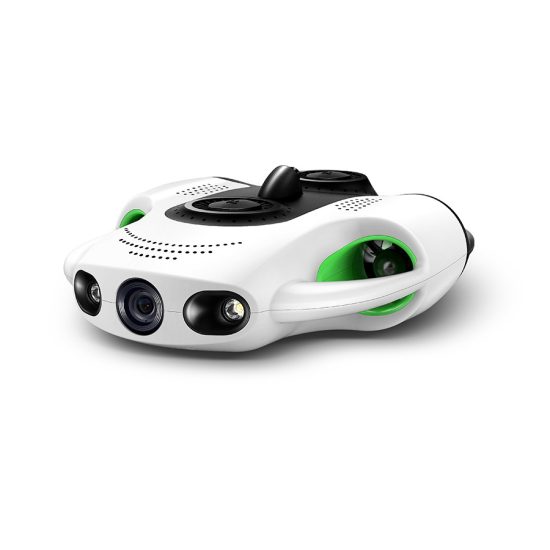
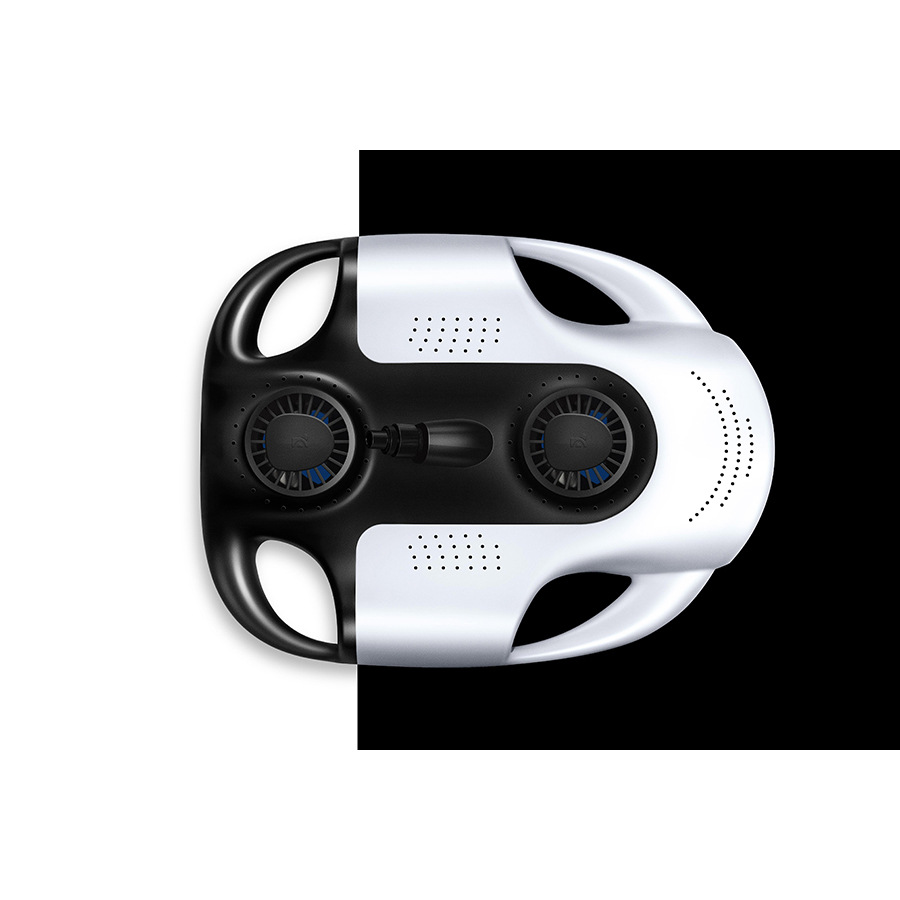
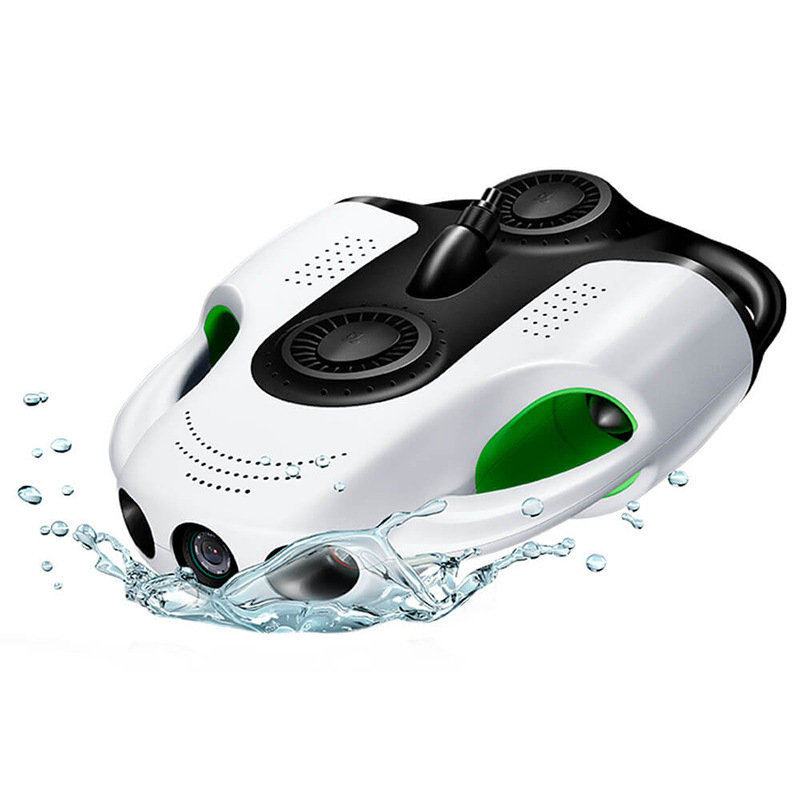
Underwater drones used in aquaculture are remotely operated vehicles equipped with cameras and sensors to monitor underwater environments.
Typical features include:
- HD or 4K cameras for real-time viewing
- LED lighting for low-light environments
- Water quality sensors
- Stable propulsion systems
- Live video transmission
These tools allow farmers to observe conditions that were previously difficult or impossible to access.
3. Improving Fish Health Monitoring
3.1 Real-Time Observation
Underwater drones provide continuous visual monitoring of fish behavior, allowing farmers to detect abnormalities early.
3.2 Disease Detection
Changes in swimming patterns or appearance can indicate disease. Early detection helps prevent large-scale outbreaks.
3.3 Stress Reduction
Monitoring fish without physical disturbance reduces stress, which improves growth rates and overall health.
4. Enhancing Feeding Efficiency
4.1 Monitoring Feeding Behavior
Drones allow farmers to observe how fish respond to feed in real time.
4.2 Reducing Feed Waste
By adjusting feeding amounts based on actual consumption, farmers can minimize waste and reduce costs.
4.3 Optimizing Feed Timing
Data collected by drones helps determine the best feeding schedules.
5. Water Quality Monitoring
Water quality is critical in aquaculture.
Underwater drones can measure:
- Dissolved oxygen levels
- Temperature
- Turbidity
- pH levels
This data helps farmers maintain optimal conditions for fish growth.
6. Cage and Infrastructure Inspection
6.1 Net Integrity Checks
Drones can inspect nets for holes or damage, preventing fish escape.
6.2 Structural Monitoring
They help identify issues in cages, anchors, and underwater structures.
6.3 Maintenance Planning
Early detection of problems reduces repair costs and prevents major failures.
7. Labor Cost Reduction
Traditional aquaculture requires manual inspections and diving operations.
With underwater drones:
- Fewer workers are needed
- Inspections are faster
- Operations are more efficient
This significantly reduces operational expenses.
8. Data-Driven Smart Aquaculture
8.1 Real-Time Data Collection
Drones collect valuable data that can be analyzed for better decision-making.
8.2 Integration with Smart Systems
Underwater drones can connect with farm management platforms for:
- Automated alerts
- Data analysis
- Remote monitoring
8.3 Predictive Management
Data trends can help predict issues before they occur, improving overall farm efficiency.
9. Environmental Sustainability
Underwater drones contribute to sustainable aquaculture by:
- Reducing feed waste
- Monitoring pollution levels
- Preventing overstocking
- Supporting eco-friendly practices
10. Economic Benefits
Using underwater drones can improve profitability by:
- Increasing survival rates
- Reducing feed costs
- Lowering labor expenses
- Improving production efficiency
For large-scale farms, these benefits can significantly boost returns.
11. Future Trends in Smart Aquaculture
The future of aquaculture will include:
- AI-based fish behavior analysis
- Autonomous underwater drones
- Advanced sensor integration
- Cloud-based farm management systems
These technologies will further enhance efficiency and sustainability.
FAQ (Frequently Asked Questions)
Q1: Are underwater drones suitable for small fish farms?
Yes, they can be used in both small and large aquaculture operations.
Q2: How often should drones be used for monitoring?
It depends on farm size, but regular daily or weekly monitoring is recommended.
Q3: Do underwater drones require professional training?
Basic training is sufficient for most modern systems.
Q4: Can drones replace divers completely?
In many routine inspection tasks, yes. However, divers may still be needed for complex repairs.
Conclusion
Underwater drones are revolutionizing aquaculture by providing real-time insights, improving efficiency, and enabling smart farm management. Their ability to monitor fish health, optimize feeding, and maintain water quality makes them an essential tool for modern fish farming.
As the industry continues to evolve, adopting underwater drone technology will be key to achieving higher productivity, lower costs, and more sustainable aquaculture operations.


No comments yet