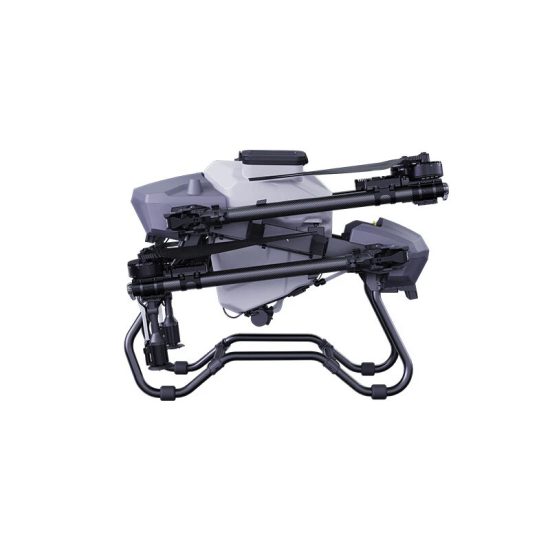


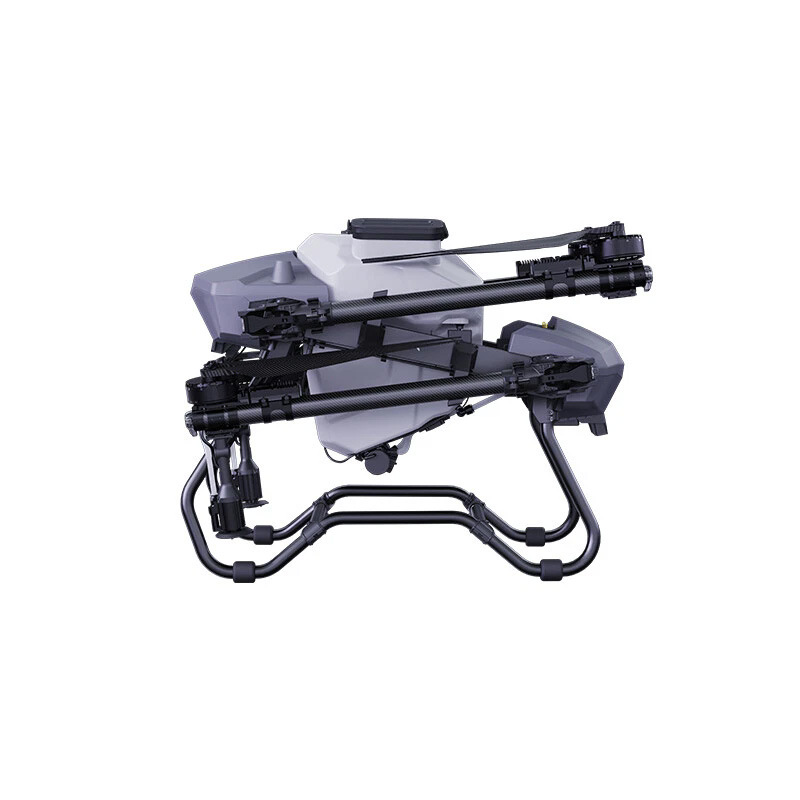
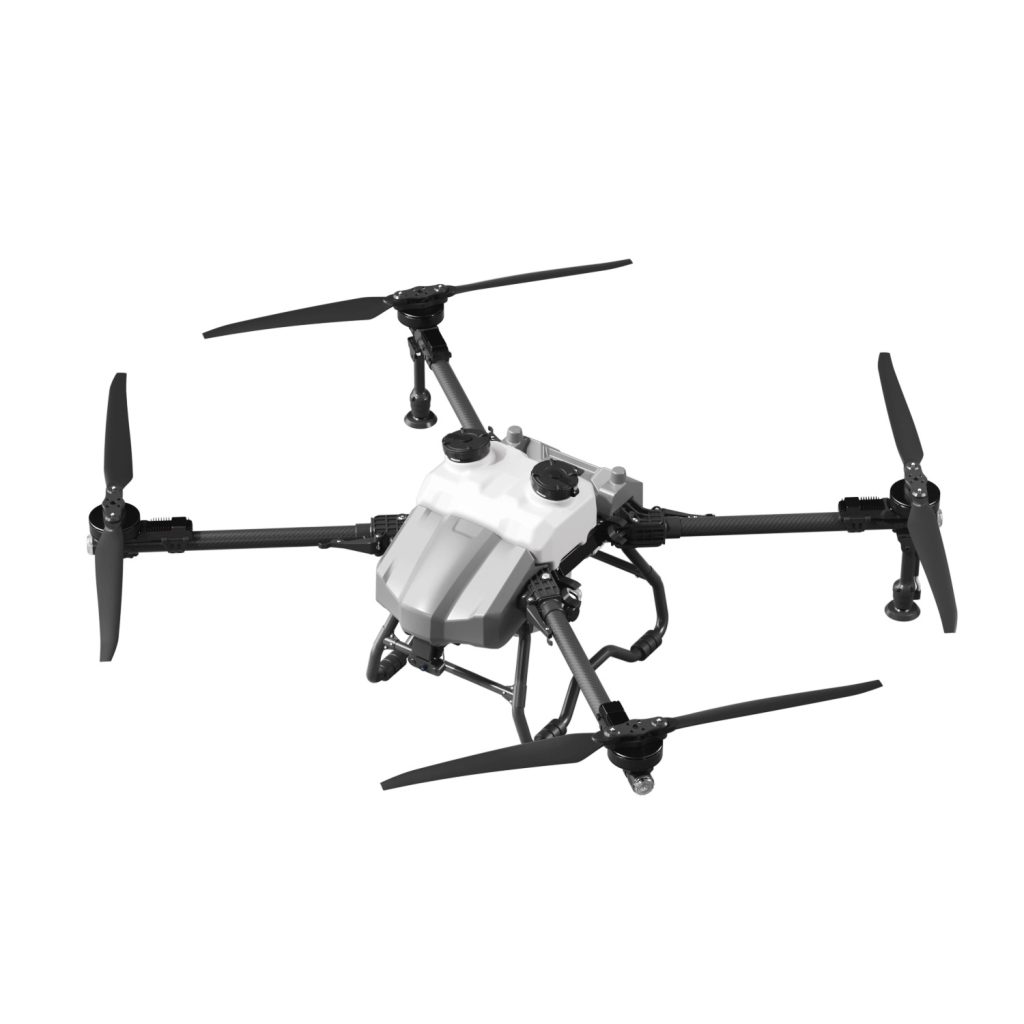
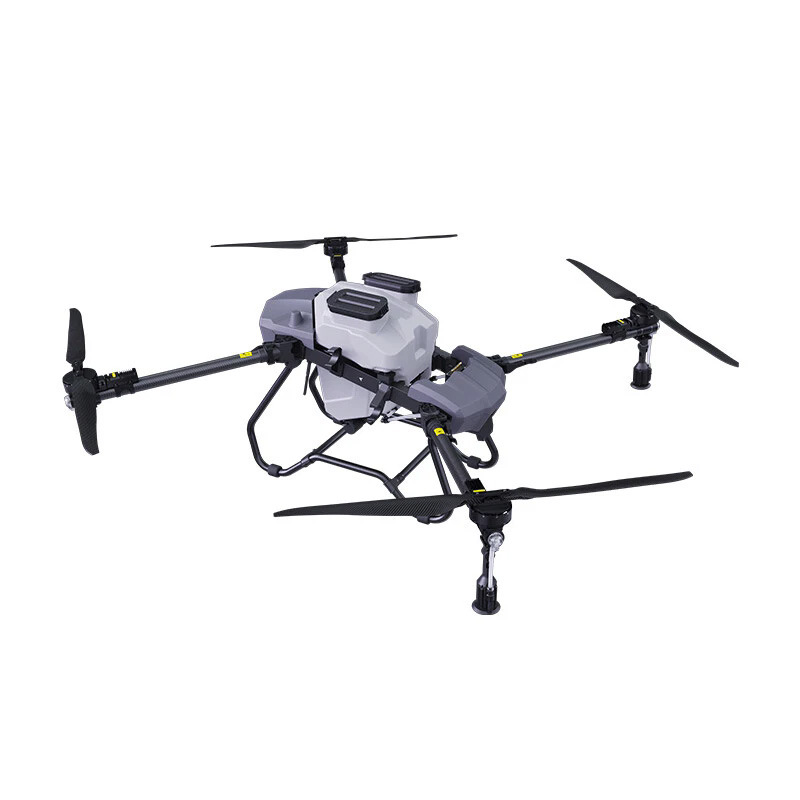
China has become an important manufacturing base for agricultural equipment, including agricultural spraying drones, spreading drones, batteries, charging systems, and related accessories. For overseas farmers, agricultural service providers, distributors, and importers, sourcing agricultural drones from China can provide access to a wide range of product configurations and customization options.
However, international buyers need to evaluate more than just the product price. Product specifications, battery configuration, export documents, packaging, spare parts, technical support, and local market requirements can all affect the success of an international purchase.
This guide explains how to source agricultural drones from China and what buyers should consider before placing an order.
1. Define Your Agricultural Drone Requirements First
Before contacting a Chinese manufacturer, clearly define your purchasing requirements.
Important information includes:
-
Target country
-
Main crop types
-
Farm size
-
Required payload capacity
-
Spraying or spreading requirements
-
Expected daily operating area
-
Battery quantity
-
Charging requirements
-
Branding requirements
-
Packaging requirements
-
Required accessories
For example, a buyer serving small farms may require a compact and flexible agricultural drone. A large agricultural service provider may need a higher-capacity model with multiple batteries and a high-efficiency charging system.
The clearer your requirements are, the easier it is to receive an accurate quotation.
2. Choose the Right Agricultural Drone Configuration
Agricultural drones can have different configurations depending on their intended application.
Common configurations include:
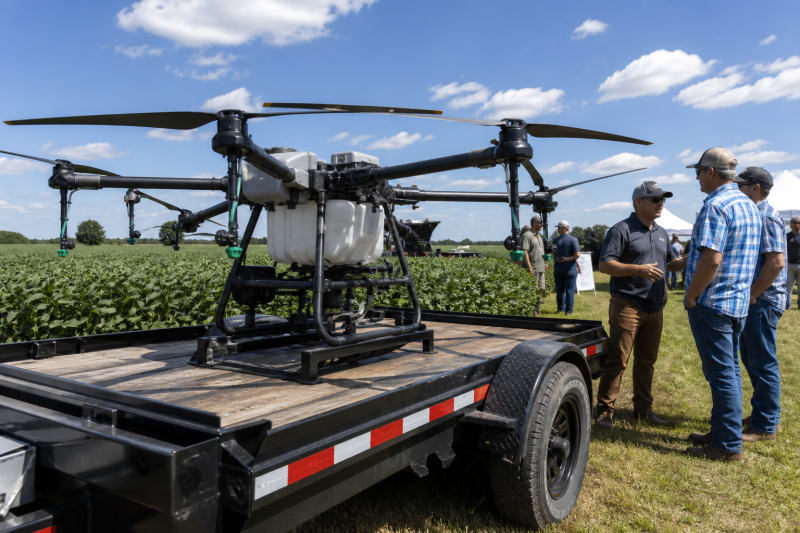
Spraying Agricultural Drones
These are designed for:
-
Pesticide application
-
Liquid fertilizer
-
Foliar nutrients
-
Crop protection
Important specifications include:
-
Tank capacity
-
Spray width
-
Pump performance
-
Nozzle configuration
-
Flow control
Spreading Agricultural Drones
These may be used for:
-
Seeds
-
Granular fertilizer
-
Other agricultural materials
Important specifications include:
-
Hopper capacity
-
Spreading width
-
Feeding accuracy
-
Material compatibility
Multi-Function Agricultural Drones
Some buyers may require both spraying and spreading functions.
This type of configuration can provide greater flexibility for agricultural service providers and distributors.
3. Compare Payload Capacity and Actual Productivity
Payload capacity is an important specification, but it should not be considered alone.
A drone with a larger tank may carry more material per flight. However, actual productivity also depends on:
-
Flight time
-
Spray width
-
Refill speed
-
Battery charging time
-
Route planning
-
Operator efficiency
When comparing different agricultural drones, buyers should consider the complete operating process.
A higher payload capacity may be beneficial for large farms, while a smaller and more flexible model may be more suitable for orchards, small farms, and complex terrain.
4. Ask for Detailed Technical Specifications
Before purchasing, request complete product information.
Useful technical specifications may include:
-
Maximum payload
-
Recommended working payload
-
Empty weight
-
Battery specifications
-
Flight time
-
Charging time
-
Maximum operating speed
-
Spray width
-
Flow rate
-
Nozzle type
-
Spreading capacity
-
Remote control range
-
Positioning system
-
Obstacle detection functions
Buyers should pay attention to the difference between maximum theoretical specifications and normal operating performance.
For example, maximum flight time may be measured without a full payload. Actual flight time during spraying may be shorter.
5. Ask About OEM and ODM Customization
Chinese agricultural drone manufacturers may offer different levels of customization.
Possible options include:
-
Logo printing
-
Product colors
-
Packaging design
-
User manuals
-
Remote controller language
-
Accessories
-
Battery configuration
-
Spraying system configuration
For distributors, customized branding can help create a more consistent product identity in the local market.
For larger orders, buyers may also discuss deeper product customization based on specific agricultural requirements.
However, customization may affect:
-
Minimum order quantity
-
Production time
-
Development costs
-
Testing requirements
These details should be confirmed before production begins.
6. Confirm Battery and Charger Compatibility
The battery system is one of the most important parts of an agricultural drone package.
International buyers should confirm:
-
Battery voltage
-
Battery capacity
-
Charger specifications
-
Charging time
-
Power requirements
-
Plug type
-
Battery management functions
The charging system must be suitable for the electrical standards of the destination market.
Buyers should also determine how many batteries are needed for normal daily operations.
For professional agricultural service providers, multiple batteries may be necessary to maintain continuous operation.
7. Check Export Packaging Requirements
Agricultural drones usually include sensitive electronic and mechanical components.
Proper packaging is important for international transportation.
Packaging may need to protect:
-
Drone frame
-
Motors
-
Propellers
-
Batteries
-
Remote controller
-
Pumps
-
Nozzles
-
Accessories
Battery transportation may require additional documentation and specific shipping arrangements depending on the destination and transportation method.
Buyers should discuss packaging and transportation requirements with the supplier before shipment.
8. Understand Import and Local Market Requirements
Before importing agricultural drones, buyers should research the requirements of their destination country.
Possible requirements may relate to:
-
Drone registration
-
Radio communication equipment
-
Battery transportation
-
Agricultural application
-
Operator licensing
-
Product certification
The specific requirements vary between countries.
International buyers should confirm local regulations before placing a large order.
A supplier can provide product documentation, but the buyer is usually responsible for confirming whether the product can legally be imported and operated in the destination market.
9. Ask About Spare Parts
Agricultural drones operate in outdoor environments and may require replacement parts over time.
Common spare parts include:
-
Propellers
-
Motors
-
Pumps
-
Nozzles
-
Pipes
-
Batteries
-
Landing components
-
Electronic parts
Before placing an order, buyers should ask:
-
Which parts are commonly replaced?
-
Are spare parts available separately?
-
How quickly can replacement parts be supplied?
-
Is technical support available for maintenance?
For distributors, maintaining a supply of commonly used spare parts can help improve customer service.
10. Evaluate Technical Support
Technical support is especially important for international buyers.
A reliable supplier should be able to provide useful information about:
-
Product operation
-
Battery use
-
Charging procedures
-
Spraying system maintenance
-
Software operation
-
Troubleshooting
-
Spare parts replacement
Training materials may include:
-
User manuals
-
Operation videos
-
Technical documents
-
Remote support
For buyers who plan to sell agricultural drones in their local market, technical training can also help improve after-sales service.
11. Request Product Samples or Testing When Possible
For distributors and large buyers, testing before bulk purchasing can be useful.
A sample or demonstration can help evaluate:
-
Flight stability
-
Spraying performance
-
Battery operation
-
Controller functions
-
Product quality
-
Ease of maintenance
If the buyer cannot test the product in person, they may request:
-
Product videos
-
Operation demonstrations
-
Technical specifications
-
Test reports
-
Detailed photographs
Testing is particularly important when purchasing large quantities or developing a new product line.
12. Compare the Total Cost, Not Just the Factory Price
The factory quotation is only one part of the total purchasing cost.
International buyers should also consider:
-
Product cost
-
Batteries
-
Chargers
-
Spare parts
-
Customization
-
Packaging
-
Transportation
-
Insurance
-
Import duties
-
Local handling costs
A lower product price may not necessarily result in a lower total landed cost.
The complete cost should be calculated before placing an order.
13. How to Place a Wholesale Agricultural Drone Order
A typical wholesale purchasing process may include the following steps:
Step 1: Submit Your Requirements
Provide information about your market, crops, application, and required quantity.
Step 2: Compare Product Configurations
Review technical specifications and available options.
Step 3: Request a Detailed Quotation
Make sure the quotation clearly states what is included.
Step 4: Confirm Customization
Finalize branding, packaging, colors, accessories, and other requirements.
Step 5: Confirm the Order Details
Review the product configuration, quantity, delivery time, and payment terms.
Step 6: Production and Quality Inspection
The supplier prepares the order according to the confirmed specifications.
Step 7: Export Packaging and Shipment
The goods are prepared for international transportation.
Step 8: After-Sales Support
Technical assistance and spare parts may be required after delivery.
14. Questions to Ask a Chinese Agricultural Drone Manufacturer
Before purchasing, buyers can ask:
-
What payload capacities are available?
-
What is the recommended working payload?
-
What is the actual flight time with a full payload?
-
What spraying systems are available?
-
Can the drone also support spreading?
-
What battery and charger options are available?
-
Can the product be customized?
-
What is the minimum order quantity?
-
What spare parts are available?
-
What technical support is provided?
-
What export documents can be supplied?
-
What is the estimated production time?
-
How is the product packaged for international shipping?
-
Can the product be tested before bulk production?
These questions can help buyers compare suppliers more efficiently.
Frequently Asked Questions
Can I buy agricultural drones directly from China?
Yes. International buyers can purchase agricultural drones from Chinese manufacturers and suppliers for farming, agricultural services, distribution, and other commercial applications.
Can Chinese agricultural drones be customized?
Many manufacturers offer OEM and ODM services, including logo, packaging, color, accessories, and selected technical configurations.
What information should I provide when requesting a quotation?
You should provide your target market, crop types, required payload, spraying or spreading requirements, order quantity, customization needs, and delivery destination.
Do I need to purchase spare parts?
It is recommended to prepare commonly used spare parts, especially for commercial operations. This can help reduce downtime when maintenance is required.
Can agricultural drones be shipped internationally?
International shipment is possible, but transportation requirements may vary depending on the drone configuration, battery type, destination country, and shipping method.
How can I choose a reliable agricultural drone supplier in China?
Compare technical specifications, product quality, customization capabilities, spare parts availability, technical support, communication, and export experience.
Is it better to buy a standard model or a customized model?
A standard model may be suitable for faster purchasing and smaller orders. A customized model may be more suitable for distributors, brands, and buyers with specific market requirements.
Final Thoughts
Sourcing agricultural drones from China can provide international buyers with access to different product configurations, manufacturing capabilities, and customization options.
However, successful purchasing requires more than finding the lowest quotation. Buyers should clearly define their agricultural requirements, compare complete technical specifications, evaluate battery and spraying systems, confirm export and import requirements, and consider long-term spare parts and technical support.
Whether you are purchasing one agricultural drone for your own farm or sourcing wholesale products for distribution, a detailed purchasing process can help reduce risks and improve the chance of selecting the right product.
By choosing the correct configuration and working with a capable Chinese agricultural drone manufacturer, international buyers can develop a more suitable solution for their local farming market and long-term business needs.
THE END


No comments yet