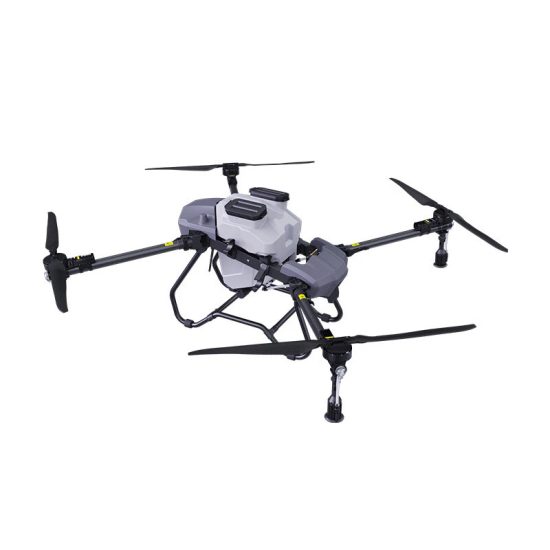


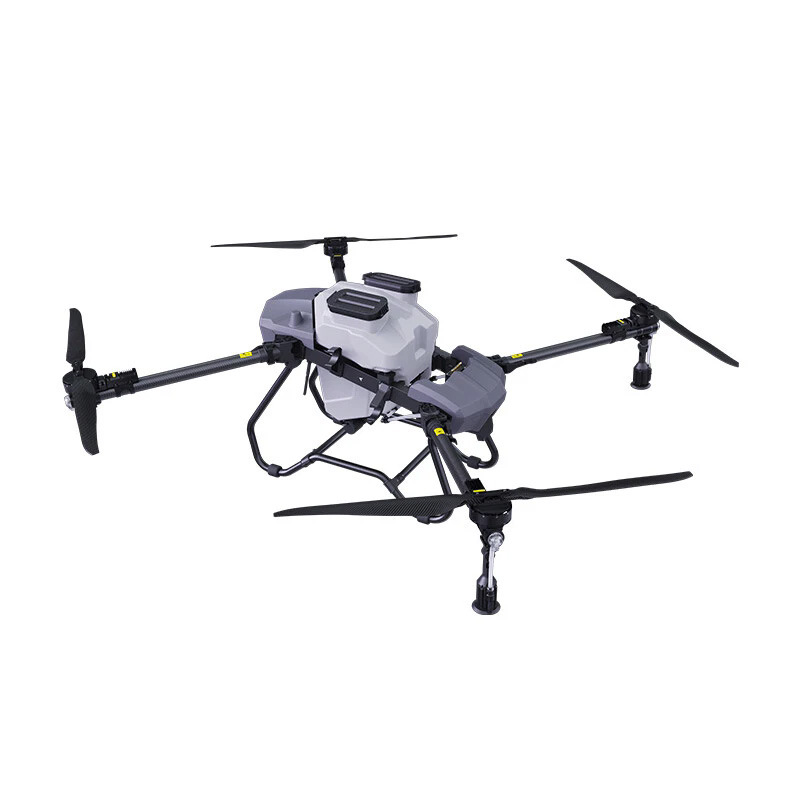
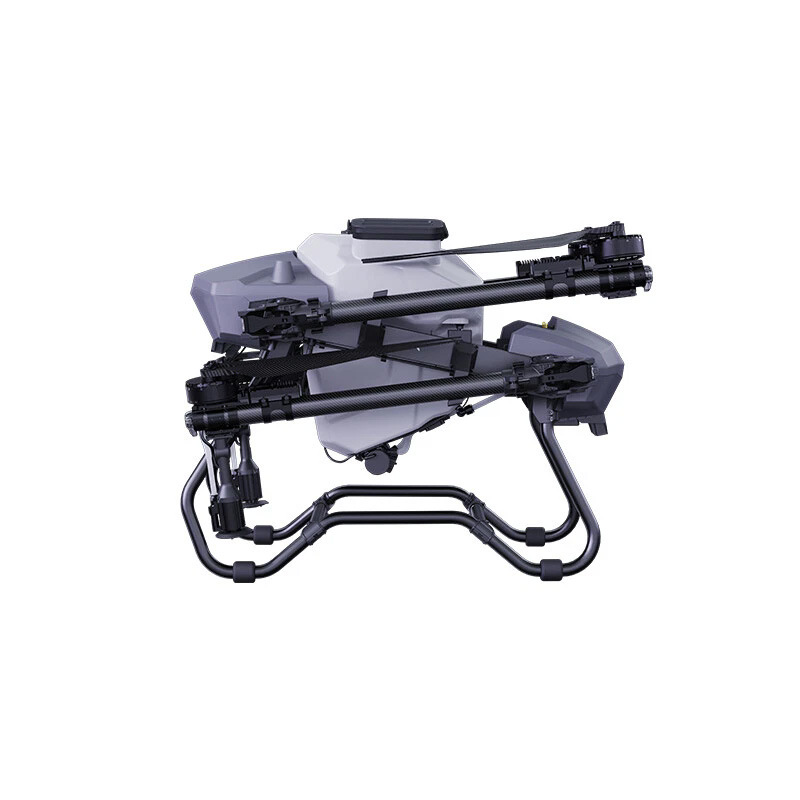

Pesticides are one of the largest operating expenses in modern farming. Rising chemical prices, labor shortages, and increasing environmental requirements have encouraged farmers to adopt precision agriculture technologies. One of the most effective solutions is the agricultural spraying drone.
A well-designed spraying drone can improve application accuracy, reduce chemical waste, lower labor costs, and increase crop productivity.
In this guide, you’ll learn how agricultural drones help reduce pesticide costs and what features to look for when choosing the right spraying drone.
Why Traditional Spraying Wastes Pesticides
Conventional spraying methods often result in:
- Uneven chemical distribution
- Excessive pesticide application
- Spray drift caused by wind
- Missed crop areas
- High labor costs
- Damage to crops from heavy machinery
These issues increase production costs while reducing spraying efficiency.
How Agricultural Spraying Drones Save Money
1. Precision Spraying
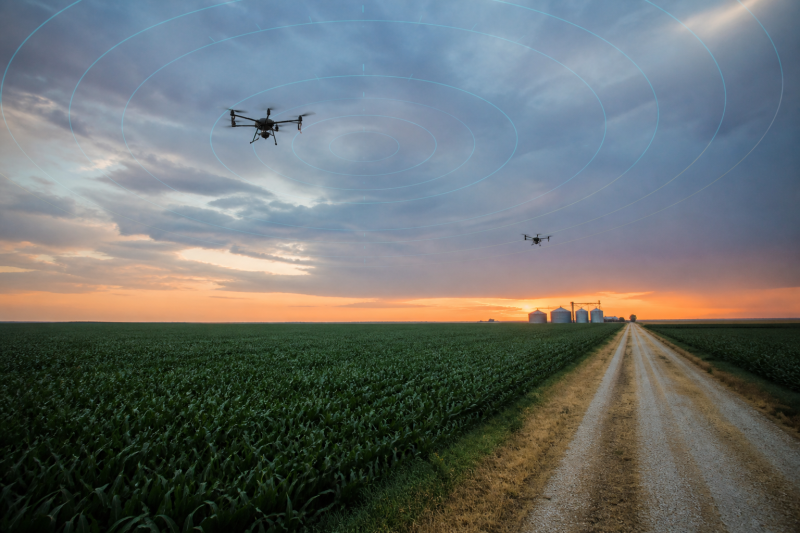
Agricultural drones use intelligent flight control systems to follow pre-planned routes with consistent speed, height, and spray volume.
This improves droplet distribution and reduces unnecessary pesticide usage.
2. Uniform Spray Coverage
Modern drones feature:
- High-performance pumps
- Precision nozzles
- Adjustable flow rates
- Optimized droplet size
Uniform spraying helps protect crops while minimizing chemical waste.
3. Reduced Spray Drift
Advanced spraying systems are designed to improve droplet placement and reduce off-target spraying.
By applying chemicals more accurately, farmers can improve efficiency and reduce product loss.
4. GPS-Guided Flight Paths
GPS and RTK positioning allow drones to fly highly accurate routes, reducing overlap and missed areas.
Benefits include:
- Less pesticide waste
- Improved spraying consistency
- Reduced operating time
5. Variable Application Rates
Some agricultural drones support variable-rate spraying based on field conditions or prescription maps.
Instead of applying the same amount of pesticide across the entire field, operators can adjust application rates where needed, improving efficiency and reducing input costs.
6. Faster Field Coverage
Large-capacity agricultural drones can cover significantly more land than manual spraying in the same amount of time.
Faster operations help farmers complete spraying during optimal weather conditions, improving treatment effectiveness.
7. Lower Labor Costs
Manual spraying often requires multiple workers.
A single trained drone operator can efficiently manage spraying operations, helping reduce labor expenses while improving productivity.
Features That Improve Spraying Efficiency
When selecting an agricultural spraying drone, look for:
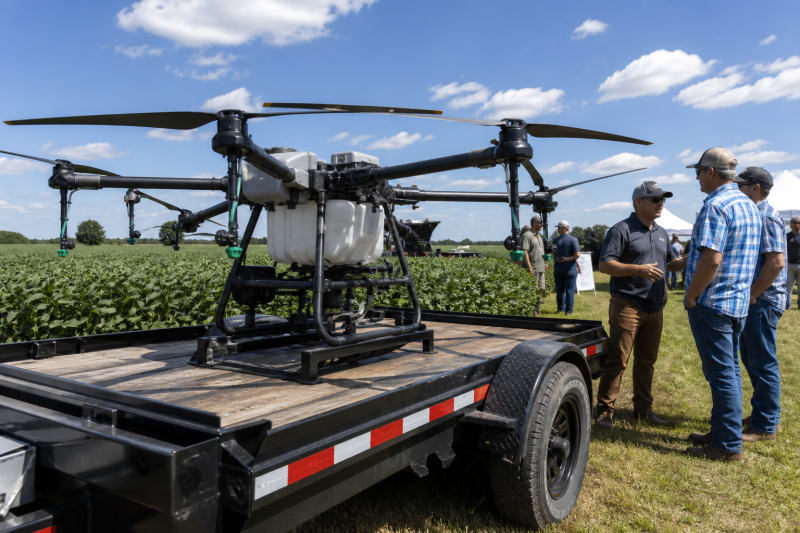
- Large-capacity spray tank
- High-flow spraying system
- Intelligent flight planning
- Terrain following
- Radar obstacle avoidance
- GPS/RTK navigation
- Smart battery management
- Automatic return-to-home
These technologies contribute to better spraying performance and lower operating costs.
Which Crops Benefit from Agricultural Drones?
Agricultural spraying drones are widely used for:
- Rice
- Wheat
- Corn
- Cotton
- Soybeans
- Sugarcane
- Tea plantations
- Fruit orchards
- Vineyards
- Vegetables
- Forestry
Their versatility makes them suitable for farms of many sizes and crop types.
Tips for Maximizing Pesticide Savings
To achieve the best results:
- Regularly calibrate the spraying system.
- Clean nozzles after every operation.
- Monitor weather conditions before spraying.
- Maintain consistent flight height and speed.
- Replace worn parts promptly.
- Train operators on best spraying practices.
- Perform routine drone maintenance.
Good operating practices help maintain efficiency throughout the growing season.
Frequently Asked Questions (FAQ)
Can agricultural drones really reduce pesticide costs?
Yes. Precision spraying helps improve chemical placement, reduce overlap, minimize waste, and lower labor requirements, contributing to overall cost savings.
How do drones improve spraying accuracy?
Agricultural drones use GPS navigation, intelligent flight control, and calibrated spraying systems to deliver more consistent chemical application.
Are agricultural drones suitable for large farms?
Yes. Large-capacity models are designed for commercial farming and can efficiently cover extensive agricultural areas.
Can spraying drones be used for different crops?
Yes. They are suitable for cereals, vegetables, orchards, vineyards, plantations, and many other agricultural applications.
Is operating an agricultural drone difficult?
Most modern agricultural drones include automated flight planning and intelligent navigation, making them easier to operate after basic training.
What maintenance is required?
Routine maintenance includes cleaning the spraying system, inspecting propellers, checking batteries, replacing worn nozzles, and updating software when available.
Can agricultural drones help reduce labor costs?
Yes. One trained operator can often complete work that would otherwise require several workers using traditional spraying methods.
Why buy directly from an agricultural drone manufacturer?
Buying directly from a manufacturer typically offers better pricing, OEM & ODM customization, professional technical support, reliable spare parts, and long-term after-sales service.
Conclusion
Reducing pesticide costs is not simply about using fewer chemicals—it is about applying them more accurately and efficiently. Agricultural spraying drones combine precision technology, intelligent automation, and efficient spraying systems to help farmers lower input costs while improving crop protection.
Whether you are a farmer, agricultural contractor, distributor, or importer, investing in a high-quality agricultural drone can improve productivity, reduce operating expenses, and support sustainable farming practices.
Looking for a reliable agricultural spraying drone manufacturer? Contact us today to request a quotation, explore OEM & ODM solutions, and discover advanced drone technologies designed to improve your farming business.


No comments yet