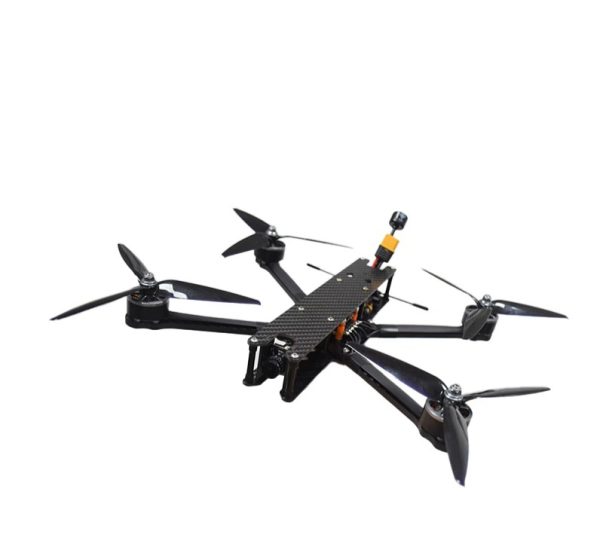



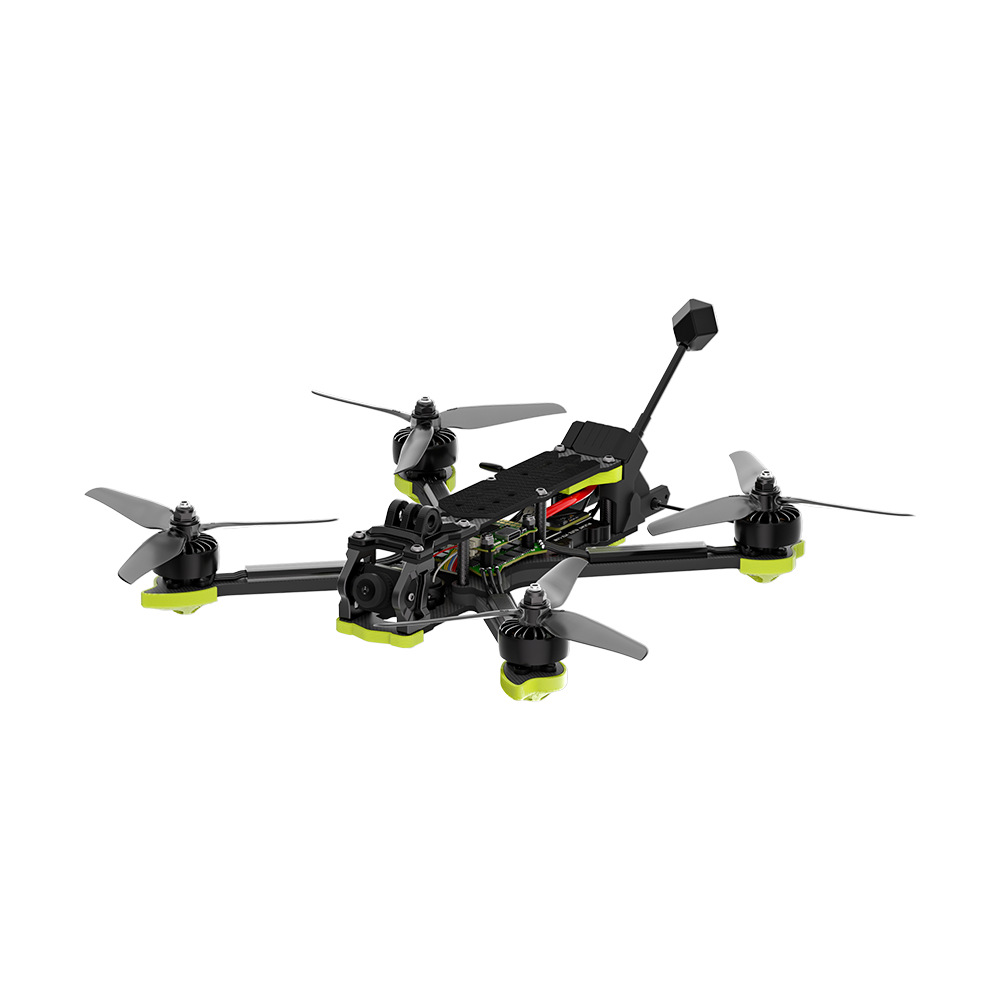

FPV drone crashes are common, especially for beginners and freestyle pilots. However, many accidents can be prevented with proper setup, maintenance, and flying techniques. Whether you are flying a racing drone, freestyle quad, or long-range FPV platform, improving stability and reducing crashes will save money and increase your confidence in the air.
In this guide, we’ll explain the most common causes of FPV drone crashes and provide practical solutions to help you fly more safely.
Why Do FPV Drones Crash?
Common reasons include:
- Poor PID tuning
- Signal loss
- Low battery voltage
- Propeller damage
- Motor failure
- GPS issues
- Pilot errors
- Wind conditions
- Loose screws or wiring
Understanding these causes can help you avoid unnecessary accidents.
1. Check Your Drone Before Every Flight
A pre-flight inspection is one of the best ways to prevent crashes.
Inspect Propellers
Look for:
- Cracks
- Bent blades
- Loose propellers
Damaged propellers can cause vibrations and unstable flight.
Tighten Screws
Loose frame screws or motor screws may lead to severe vibrations and motor failure.
Check Battery Condition
Never fly with:
- Swollen batteries
- Damaged connectors
- Low-voltage batteries
Healthy batteries improve flight stability and safety.
2. Maintain Strong Signal Connections
Signal loss is one of the leading causes of crashes.
Use Reliable Radio Systems
Popular choices include:
- ELRS (ExpressLRS)
- TBS Crossfire
These systems provide long-range and low-latency performance.
Check Antenna Position
Poor antenna placement can reduce signal quality.
Keep antennas:
- Away from carbon fiber components
- Securely mounted
- Properly oriented
Monitor RSSI and LQ
Always pay attention to signal indicators during flight.
3. Balance and Replace Propellers
Unbalanced or damaged propellers cause:
- Vibrations
- Oscillations
- Poor flight performance
Replace propellers after crashes or when noticeable damage appears.
4. Tune Betaflight Properly
Incorrect PID settings can make the drone unstable.
Symptoms of poor tuning include:
- Wobbling
- Oscillations
- Motor overheating
- Bounce-back after flips
Modern Betaflight default settings are suitable for most pilots, but fine tuning can further improve stability.
5. Use GPS Rescue Mode
GPS Rescue is extremely useful for:
- Long-range flying
- Signal loss situations
- Emergency return
GPS rescue mode can automatically guide the drone back if radio communication is interrupted.
6. Fly According to Weather Conditions
Strong winds affect stability and battery efficiency.
Avoid flying during:
- Heavy rain
- Strong wind
- Fog
- Thunderstorms
Calm weather provides smoother and safer flights.
7. Choose the Right Battery
Battery voltage directly affects drone performance.
4S Batteries
Suitable for:
- Beginners
- Lightweight builds
6S Batteries
Suitable for:
- Freestyle drones
- Racing drones
Healthy batteries reduce voltage sag and improve responsiveness.
8. Upgrade to High-Quality Components
Premium components provide better reliability.
Important upgrades include:
Flight Controller
Reliable F7 flight controllers offer:
- Better processing speed
- Improved filtering
- Stable performance
Motors
High-quality brushless motors provide:
- Smooth throttle response
- Better efficiency
- Reduced vibrations
Video Systems
Popular digital systems include:
- DJI O4 Air Unit
- DJI O3 Air Unit
- Walksnail Avatar
Stable video transmission improves flying confidence.
9. Practice Flying Skills
Pilot skill is one of the biggest factors affecting safety.
Beginners should:
- Start in open fields
- Practice with FPV simulators
- Learn slow and controlled movements
- Avoid aggressive maneuvers initially
Experience gradually improves reaction time and flight control.
10. Keep Firmware Updated
Regular firmware updates can improve:
- Flight performance
- GPS accuracy
- Signal reliability
- Safety features
Always test your drone after updating firmware.
Recommended Stable FPV Drone Configurations
Beginner FPV Drone
- 5-inch frame
- 2207 motors
- F7 flight controller
- ELRS receiver
- 6S 1300mAh battery
Freestyle FPV Drone
- Lightweight frame
- DJI O4 Air Unit
- ELRS system
- Durable carbon fiber structure
Long-Range FPV Drone
- 7-inch frame
- GPS module
- Li-Ion battery
- ELRS receiver
- DJI O3/O4 system
These configurations provide excellent stability and reliability.
OEM FPV Drone Solutions
Professional manufacturers provide:
- Custom frame designs
- ELRS and Crossfire support
- DJI O4 integration
- Logo printing
- Packaging customization
- Bulk production
- Global shipping
OEM and ODM services are ideal for distributors and drone brands.
Looking for Reliable FPV Drones?
We specialize in high-performance FPV racing drones, freestyle drones, and long-range FPV platforms. Our drones are designed for maximum stability, durability, and flight safety. OEM and ODM services are available for wholesalers and distributors worldwide.
Contact us today for catalogs, technical specifications, and factory-direct pricing.
FAQ
Why does my FPV drone wobble during flight?
Damaged propellers, poor PID tuning, loose screws, or excessive vibrations are common causes.
How can I reduce FPV drone crashes?
Regular maintenance, strong signal systems, proper tuning, and flying in suitable weather conditions can greatly reduce crashes.
Is GPS Rescue useful?
Yes. GPS Rescue provides additional safety by helping the drone return when signal loss occurs.
Which radio system offers the best reliability?
ELRS and TBS Crossfire are widely regarded as the most reliable long-range radio systems.
Can professional manufacturers provide customized FPV drones?
Yes. OEM and ODM services support custom branding, hardware configurations, and wholesale production.
Tags: FPV Drone Stability, FPV Drone Crash Prevention, FPV Racing Drone, Freestyle FPV Drone, Long Range FPV Drone, ELRS FPV Drone, DJI O4 FPV Drone, Custom FPV Drone, OEM FPV Drone, FPV Drone Manufacturer.



No comments yet