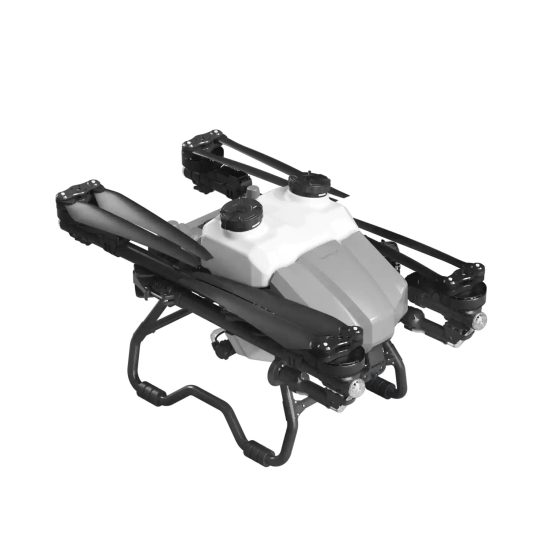


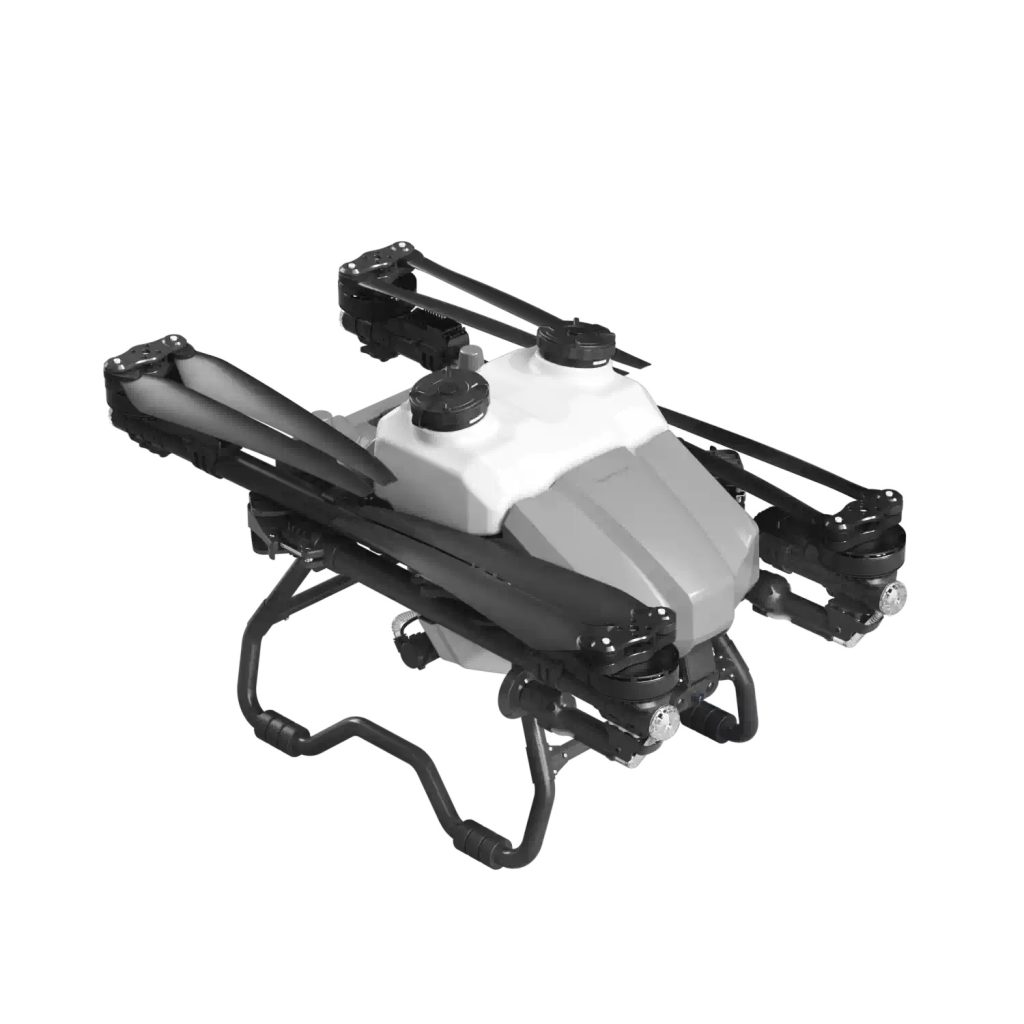
Importing agricultural drones from China has become a popular choice for farmers, distributors, and agricultural businesses worldwide. Chinese manufacturers offer competitive prices, advanced technology, OEM customization, and large production capacity.
However, international buyers often have questions about shipping, customs clearance, battery transportation, and import requirements.
This guide explains the complete process of importing agricultural drones from China.
Why Import Agricultural Drones from China?
China has become one of the world’s major agricultural drone manufacturing centers.
Main advantages include:
- Competitive factory prices
- Advanced drone technology
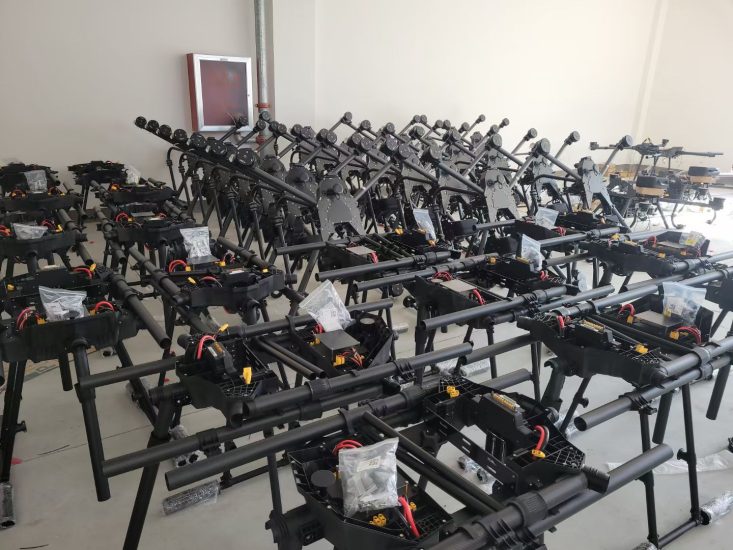
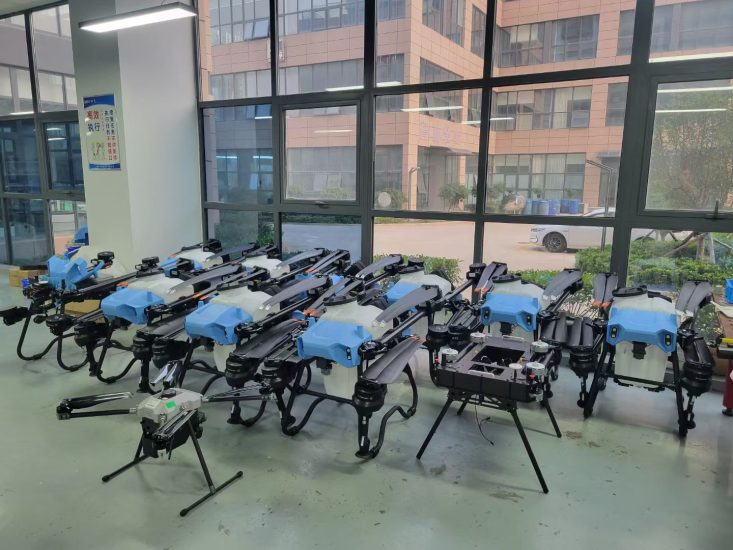
- Large-scale production capability
- OEM and private label services
- Wide range of models
- Spare parts availability
- International export experience
Many global agricultural companies source drones directly from Chinese manufacturers to reduce costs and build their own brands.
Step 1: Choose a Reliable Agricultural Drone Supplier
Before placing an order, evaluate the manufacturer carefully.
Check:
Manufacturing Experience
A professional supplier should have:
- Drone R&D capability
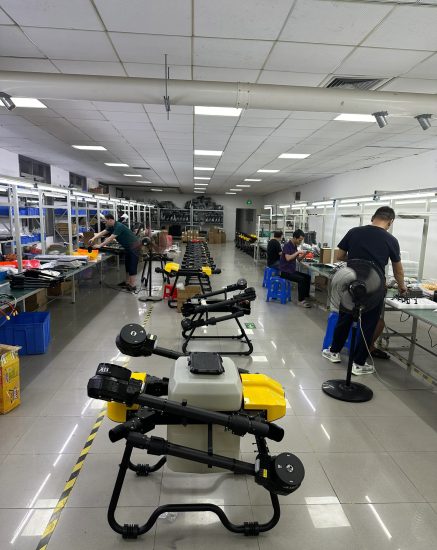
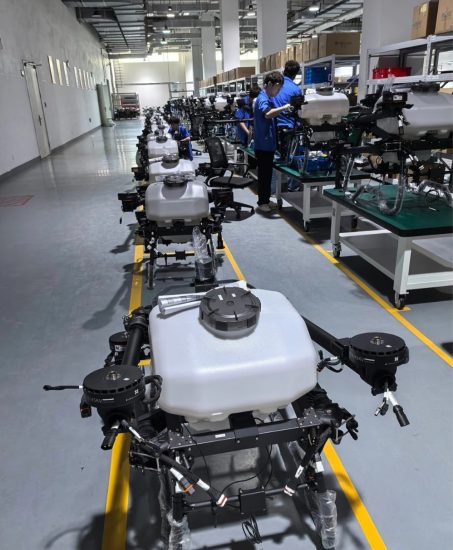
- Production facilities
- Quality control systems
- Export experience
Product Quality
Ask about:
- Flight testing procedures
- Battery safety standards
- Component suppliers
- Product warranty
After-Sales Support
Reliable suppliers should provide:
- Technical guidance
- User manuals
- Training videos
- Spare parts supply
- Remote support
Step 2: Select the Right Agricultural Drone Model
Different buyers have different requirements.
Consider:
Payload Capacity
Common options:
- 10L
- 16L
- 20L
- 30L
- 40L
- 50L
- 70L
Choose according to:
- Farm size
- Crop type
- Daily spraying area
Battery Configuration
Confirm:
- Battery capacity
- Number of batteries included
- Charger type
- Charging time
- Battery replacement cost
Lithium batteries are a key factor because they affect shipping and operating costs.
Function Requirements
Popular features include:
- RTK positioning
- GPS navigation
- Automatic flight planning
- Terrain following
- Obstacle avoidance
- Intelligent spraying system
Step 3: Confirm OEM Customization Requirements
For distributors and agricultural businesses, OEM service is important.
Customization options may include:
- Company logo
- Brand color
- Packaging design
- User manual translation
- Software language
- Product accessories
OEM helps businesses create their own agricultural drone brand.
Step 4: Understand Agricultural Drone Shipping Methods
Agricultural drones can be shipped internationally through several methods.
Air Freight
Advantages:
- Faster delivery
- Suitable for samples and urgent orders
Considerations:
- Higher cost
- Lithium battery shipping requirements
Sea Freight
Advantages:
- Lower transportation cost
- Suitable for bulk orders
Best for:
- Large quantity purchases
- Distributor orders
Railway or Special Logistics Routes
Some regions may support alternative transportation solutions.
Step 5: Lithium Battery Shipping Requirements
Most agricultural drones use lithium batteries, which require special handling.
Common requirements:
- Battery safety documents
- UN38.3 test report
- MSDS documents
- Proper packaging
Before shipping, confirm with your supplier and freight forwarder.
Step 6: Customs Clearance and Import Documents
Typical documents include:
- Commercial Invoice
- Packing List
- Air Waybill or Bill of Lading
- Certificate of Origin (if required)
- Export declaration documents
- Product certification documents
Import requirements vary by country.
Always check local regulations before ordering.
Step 7: Check Certification Requirements
Different countries may require different certifications.
Possible requirements include:
- CE certification
- FCC certification
- Local drone registration
- Radio frequency approval
- Agricultural equipment approval
A professional supplier can help prepare necessary documents.
Step 8: Calculate Total Import Cost
The total cost is not only the factory price.
Consider:
| Cost Item | Description |
|---|---|
| Product Cost | Drone + accessories |
| Shipping Cost | Air/sea transportation |
| Customs Duty | Country-specific taxes |
| Certification Cost | If required |
| Local Delivery | Final destination transport |
| After-sales Cost | Maintenance and spare parts |
Understanding the full cost helps avoid unexpected expenses.
Step 9: Test Samples Before Bulk Purchase
For distributors, ordering samples is recommended.
Testing should include:
- Flight performance
- Spray accuracy
- Battery endurance
- Remote control operation
- Software functions
- Product durability
After approval, proceed with larger orders.
Step 10: Build Long-Term Cooperation with Manufacturers
A reliable supplier relationship provides:
- Better pricing
- Faster technical support
- Stable supply
- Product updates
- Customized solutions
Long-term cooperation is especially valuable for agricultural drone distributors.
FAQ: Importing Agricultural Drones from China
Can I import agricultural drones directly from China?
Yes. Many Chinese manufacturers export agricultural drones worldwide and support international buyers.
How long does shipping take from China?
Delivery time depends on shipping method, destination country, and customs procedures.
Can agricultural drones be shipped with batteries?
Yes, but lithium batteries require special transportation documents and packaging.
Do Chinese manufacturers provide OEM service?
Yes. Many suppliers offer logo customization, packaging, manuals, and private label solutions.
What is the minimum order quantity for agricultural drones?
MOQ depends on the manufacturer. Some suppliers accept sample orders, while others require bulk quantities.
How can I find a reliable agricultural drone manufacturer in China?
Check factory experience, certifications, customer feedback, technical support, and export capability before purchasing.
Importing agricultural drones from China can provide farmers, distributors, and businesses with cost-effective and advanced farming solutions. The key to successful importing is choosing the right supplier, understanding shipping requirements, preparing customs documents, and confirming certification needs.
With proper planning, buyers can reduce risks and build a reliable agricultural drone supply chain from China.


No comments yet