

![Image [1]-How to Choose the Right Drone for Aerial Photography-msoen](https://www.msoen.com/wp-content/uploads/2025/12/487d5f9f2d203808-768x1024.jpg)
![Image [2]-How to Choose the Right Drone for Aerial Photography-msoen](https://www.msoen.com/wp-content/uploads/2026/01/e05d7e5e25194837-775x1024.jpg)
![Image [3]-How to Choose the Right Drone for Aerial Photography-msoen](https://www.msoen.com/wp-content/uploads/2026/01/0236dae4fe194837-739x1024.jpg)
![Image [4]-How to Choose the Right Drone for Aerial Photography-msoen](https://www.msoen.com/wp-content/uploads/2026/01/07f826db4b194838-1024x1024.jpg)
![Image [5]-How to Choose the Right Drone for Aerial Photography-msoen](https://www.msoen.com/wp-content/uploads/2026/01/3c01e792fe194838-768x1024.jpg)
![Image [6]-How to Choose the Right Drone for Aerial Photography-msoen](https://www.msoen.com/wp-content/uploads/2026/01/b100e1b304194838-1024x1024.jpg)
Buying a drone for aerial photography is not as simple as picking the one with the highest resolution or the most aggressive marketing. Many people make that mistake—and regret it later.
The truth is, the “right” drone depends on how you shoot, what you shoot, and where you shoot. A travel photographer has very different needs from a real estate shooter. A hobbyist has different expectations from a commercial filmmaker.
This guide will walk you through how to choose a drone that actually fits your photography style, not just your budget.
Start With Your Purpose
Before looking at specs, ask yourself one question:
What will I mainly use this drone for?
Your answer changes everything.
Travel & Landscape Photography
You’ll want:
- Lightweight and foldable design
- Long battery life
- Strong stabilization
- Good low-light performance
Portability matters more than extreme camera specs.
Real Estate & Architecture
You’ll want:
- Ultra-stable hovering
- Wide-angle lens
- Precise GPS positioning
- Consistent color output
Smooth motion and accuracy are more important than zoom.
Weddings & Events
You’ll want:
- Quiet flight
- Reliable subject tracking
- Fast setup
- Strong low-light performance
You don’t get second chances at key moments.
Commercial & Cinematic Work
You’ll want:
- Large image sensor
- Advanced color profiles
- Professional codecs
- Long flight time
- Maximum stability
This is where professional-grade drones, such as those developed by msoen, are designed to perform under pressure.
Don’t Get Tricked by Resolution Alone
Many buyers focus only on resolution: 4K, 6K, 8K.
Resolution is important, but it’s not everything.
What actually matters more:
- Sensor size
- Dynamic range
- Low-light performance
- Color accuracy
A 4K camera with a large sensor will often outperform an 8K camera with a tiny one.
Sensor Size Makes a Bigger Difference Than You Think
Think of the sensor as the drone’s eye.
A larger sensor:
- Captures more light
- Produces less noise
- Handles shadows better
- Keeps details in highlights
For serious photography, look for:
- 1-inch sensors or larger
- Good HDR capability
- Natural color rendering
This is what gives images a professional look.
Stabilization: The Invisible Hero
Sharp photos and smooth footage depend on stability.
3-Axis Gimbal Is a Must
A proper 3-axis gimbal compensates for movement in every direction. Without it, even small vibrations will ruin your shot.
Wind Resistance
A heavier, better-balanced drone will handle wind far better than a lightweight toy drone. This matters more than most people realize—especially if you shoot outdoors often.
Flight Time = Creative Freedom
Longer flight time means fewer interruptions and more chances to get the shot.
Realistic expectations:
- Casual drones: 15–20 minutes
- Advanced drones: 25–30 minutes
- Professional drones: 30–40+ minutes
Always assume real-world flight time is less than advertised.
Transmission Range and Signal Stability
A drone can have a great camera, but if the signal is unstable, it becomes frustrating to use.
Look for:
- Strong transmission technology
- Low-latency video feed
- Stable connection in urban areas
A clear live feed helps you compose better shots.
Safety Features Are Not Optional
If you fly often, you will eventually encounter risky situations.
Good safety systems include:
- Obstacle detection
- Automatic braking
- Smart return-to-home
- Low battery failsafe
These features protect both your drone and your wallet.
Manual Controls Matter
For serious photography, you need full control.
Look for drones that allow:
- Manual ISO
- Manual shutter speed
- Manual white balance
- RAW photo capture
Auto mode is fine for beginners, but professionals need flexibility.
Weight, Portability, and Legal Limits
In many countries, drone weight affects:
- Registration requirements
- Where you can fly
- What permits you need
A lighter drone is easier to travel with and often faces fewer restrictions.
Budget: Think Long-Term
Cheaper drones often seem attractive, but they usually lead to:
- Lower image quality
- Shorter lifespan
- More upgrades later
Sometimes, spending more upfront saves money in the long run.
Try Before You Buy (If Possible)
If you can:
- Watch real-world footage
- Read long-term user reviews
- See RAW photo samples
- Test flight stability
Marketing videos rarely show real-world limitations.
Final Thoughts
Choosing the right drone for aerial photography is not about buying the most expensive model or the one with the biggest numbers.
It’s about choosing a tool that matches your creative goals.
When you find that match, flying becomes intuitive, shooting becomes easier, and your results improve naturally.
That’s when a drone stops being a gadget—and becomes part of your creative process.
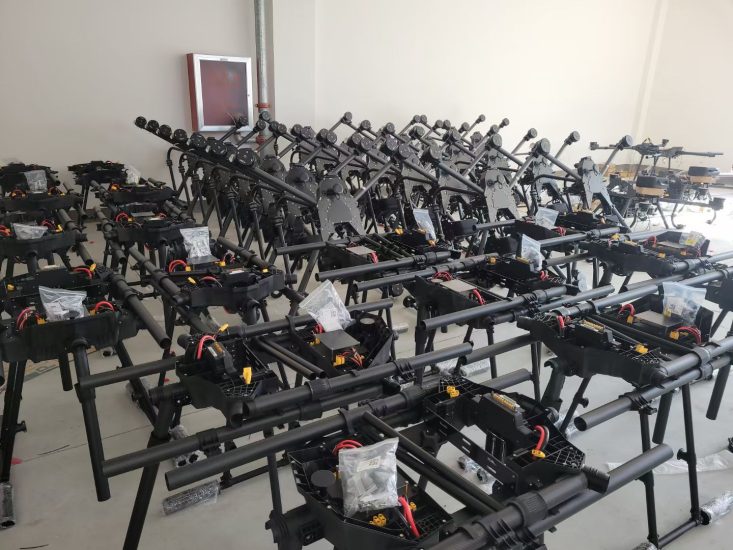
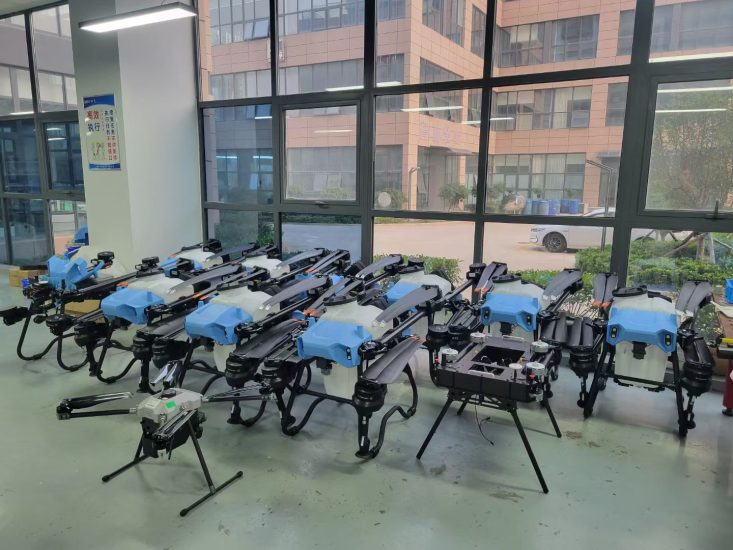
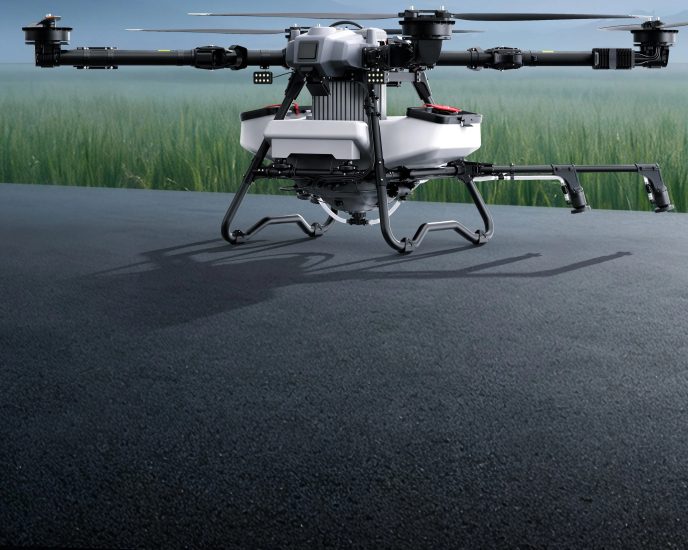
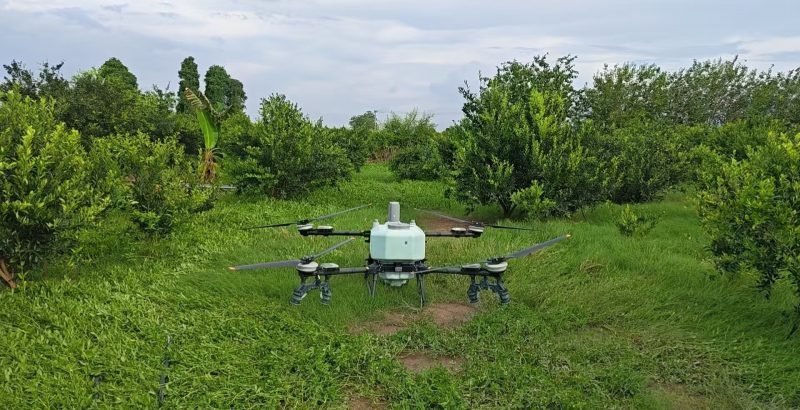


 I recently used the MSOEN drone for aerial photography, and I am extremely impressed. The drone is stable, easy to control, and offers excellent flight time. Its camera captures stunning, high-resolution images and smooth videos, making it perfect for both hobbyists and professionals. The setup was quick, and the intelligent flight modes make capturing complex shots simple. I also appreciate its durable build and responsive controls. Overall, the MSOEN drone exceeded my expectations, providing a reliable and enjoyable flying experience. I highly recommend it to anyone interested in aerial photography.

Please log in to comment
Register