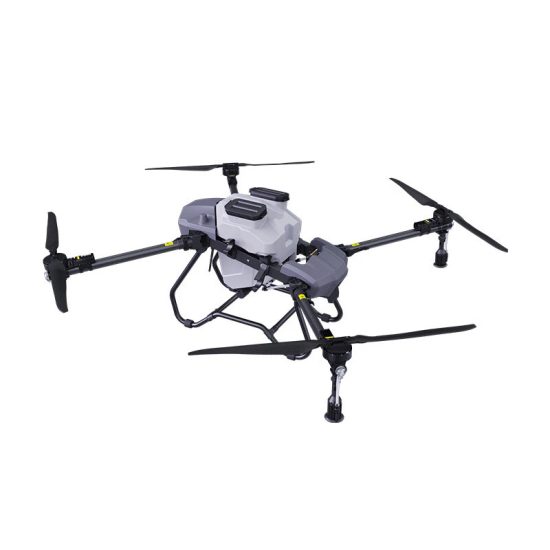


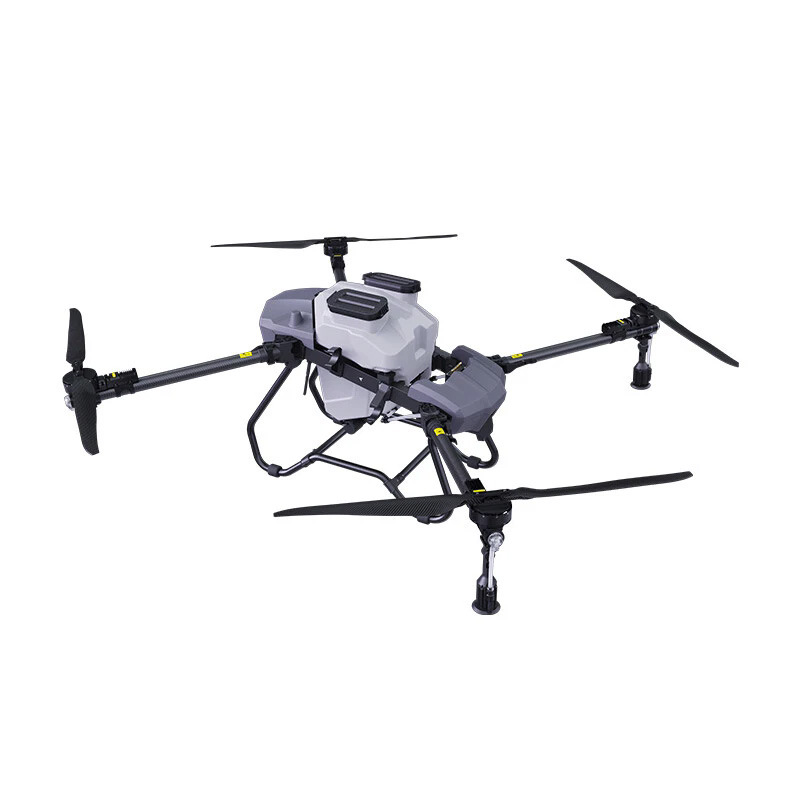
How to Choose the Right Agricultural Drone to Reduce Farming Costs and Increase Crop Yield?
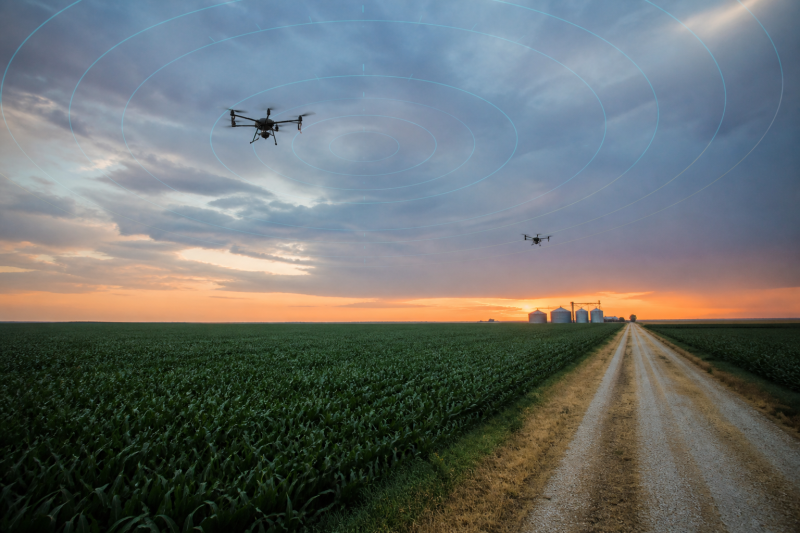
Modern agriculture is facing increasing challenges, including rising labor costs, limited farming efficiency, and the need for higher crop production. Many farmers are now turning to agricultural drones as a smart solution to improve field management, reduce operating expenses, and increase productivity.
However, with many drone models available on the market, choosing the right agricultural drone can be difficult. Farmers need to consider spraying capacity, flight time, battery performance, accuracy, durability, and after-sales support before making a purchase decision.
This guide explains how to select the best agricultural drone for your farming needs and how the right drone can help reduce costs while improving crop yields.
1. Understand Your Farming Needs Before Choosing a Drone
The first step in selecting an agricultural drone is understanding your actual farming requirements.
Different farms have different challenges:
- Small farms may need lightweight drones with flexible operation.
- Large farms require high-capacity drones with longer flight time.
- Fruit plantations may need precise spraying systems.
- Rice, wheat, and corn fields often require powerful drones for large-area coverage.
Before purchasing, consider:
- What crops do you grow?
- How many hectares need spraying?
- How often do you apply pesticides or fertilizers?
- What is your terrain condition?
Choosing a drone based on your farm size and crop type can prevent unnecessary costs.
2. Choose the Right Spraying Capacity
One of the most important factors for agricultural drones is the spraying capacity.
Common agricultural drone capacities include:
| Drone Tank Capacity | Suitable Applications |
|---|---|
| 10L-16L | Small farms, gardens, experimental farming |
| 20L-30L | Medium farms and commercial agriculture |
| 40L-60L+ | Large-scale farms and professional operations |
A larger tank allows farmers to cover more farmland in less time, reducing labor requirements and increasing daily working efficiency.
For commercial farming, high-capacity spraying drones are usually more cost-effective because they reduce the number of refilling operations.
3. Consider Flight Time and Battery Performance
Battery life directly affects farming efficiency.
A drone with short flight time requires frequent battery replacement and charging, which slows down operations.
When selecting an agricultural drone, check:
- Battery capacity
- Charging speed
- Battery cycle life
- Intelligent battery management system
High-performance batteries allow drones to work longer and maintain stable spraying performance during large-scale operations.
For example, large-capacity intelligent lithium batteries are commonly used in professional agricultural drones because they provide stronger endurance and reliable power output.
4. Look for Precise Spraying Technology
Traditional manual spraying often causes uneven pesticide distribution and chemical waste.
Modern agricultural drones use advanced technologies such as:
- Automatic flight control
- GPS positioning
- Precision spraying systems
- Obstacle avoidance sensors
- Intelligent route planning
These technologies help farmers:
✅ Reduce pesticide waste
✅ Improve spraying accuracy
✅ Protect crops more effectively
✅ Reduce environmental impact
A high-quality drone can spray evenly even in complex field conditions.
5. Evaluate Drone Durability and Maintenance Costs
Agricultural drones often operate in harsh environments, including:
- Dust
- Rain
- High temperatures
- Muddy farmland
A reliable drone should have:
- Strong waterproof design
- Durable motors
- High-quality materials
- Easy-to-replace spare parts
Low-quality drones may have a cheaper purchase price but create higher maintenance costs over time.
Farmers should focus on long-term operating costs instead of only the initial price.
6. Choose a Reliable Agricultural Drone Manufacturer
Finding a professional drone manufacturer is important for long-term success.
A reliable supplier should provide:
- Stable product quality
- OEM customization options
- Technical support
- Spare parts supply
- Training services
Before purchasing, buyers should check:
- Manufacturer experience
- Customer reviews
- Product certifications
- Export experience
Working directly with an experienced agricultural drone manufacturer can help reduce purchasing risks and improve return on investment.
7. Calculate the Return on Investment (ROI)
The purpose of buying an agricultural drone is not only to improve technology but also to increase profitability.
A good agricultural drone can help reduce:
- Labor costs
- Fuel costs
- Chemical usage
- Crop damage risks
At the same time, it can improve:
- Spraying efficiency
- Crop health
- Farm productivity
For many farmers, the investment can be recovered through lower operating costs and higher crop yields.
FAQ About Choosing Agricultural Drones
Q1: What size agricultural drone is best for a large farm?
For large farms, a drone with a larger spraying tank capacity, longer flight time, and high-power battery system is usually more suitable because it can cover more farmland efficiently.
Q2: Are agricultural drones better than manual spraying?
Yes. Agricultural drones can improve spraying speed, accuracy, and safety while reducing labor requirements and chemical waste.
Q3: How much area can an agricultural drone cover per day?
The coverage depends on drone capacity, battery performance, crop type, and operating conditions. Professional agricultural drones can cover many hectares per day when properly operated.
Q4: What should I check before buying an agricultural drone?
Buyers should evaluate:
- Spraying capacity
- Battery endurance
- Flight stability
- Manufacturer reliability
- Technical support
- Spare parts availability
Conclusion
Choosing the right agricultural drone requires understanding your farming needs, field size, spraying requirements, and long-term operating costs.
A professional agricultural drone can help farmers reduce expenses, improve spraying accuracy, save labor, and increase crop productivity.
For farms looking to upgrade from traditional farming methods, investing in a reliable agricultural drone is a practical step toward smarter and more efficient agriculture.


No comments yet