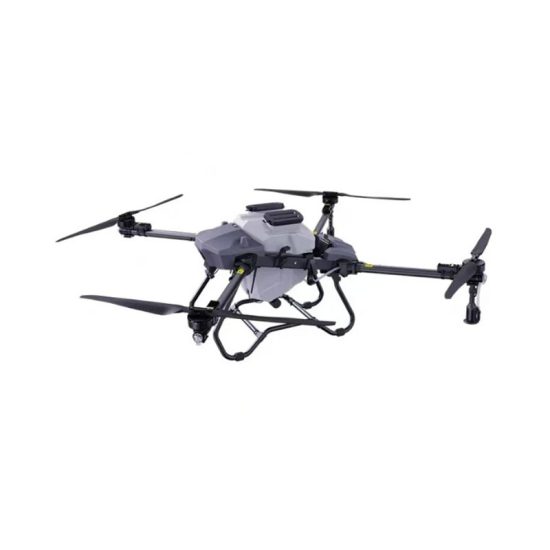


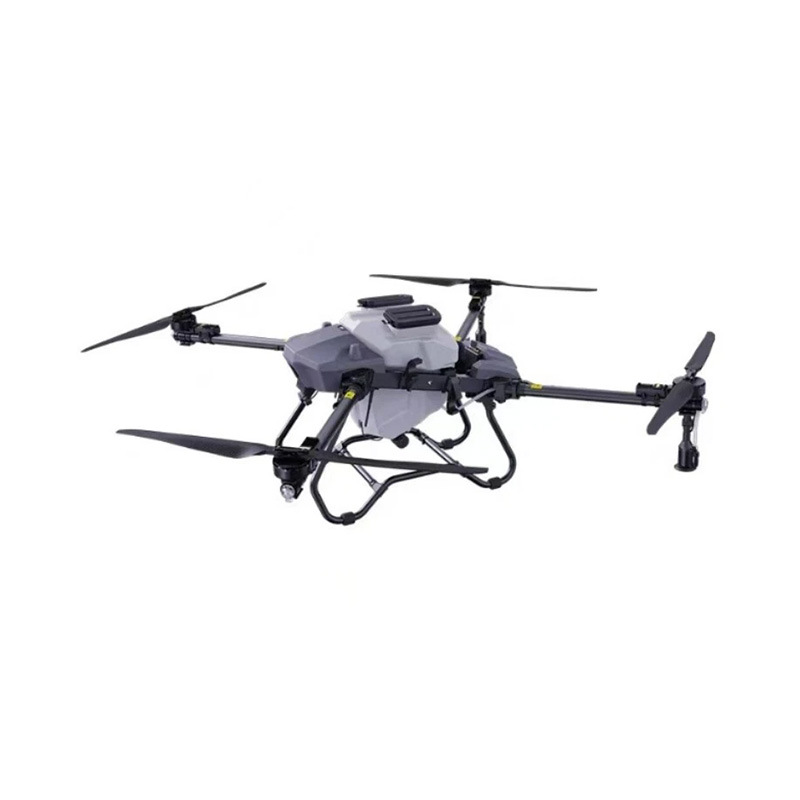
Choosing the right agricultural drone is one of the most important decisions for modern farmers, agricultural service providers, and distributors. The right drone can reduce labor costs, improve spraying accuracy, save chemicals, and increase crop yields. However, with so many models available, many buyers are unsure which drone best fits their needs.
This guide explains the key factors you should consider before purchasing an agricultural drone.
Why Agricultural Drones Are Becoming Essential
Agricultural drones are widely used for:
- Crop spraying
- Fertilizer spreading
- Seed broadcasting
- Orchard protection
- Rice field management
- Corn, wheat, cotton, soybean, and vegetable farming
- Forest pest control
Compared with manual spraying, drones offer several advantages:
- Reduce chemical waste
- Save water consumption
- Lower labor costs
- Improve spraying efficiency
- Reach difficult terrain
- Reduce operator exposure to chemicals
Step 1: Identify Your Farm Size
Your farm size determines the drone capacity you need.
| Farm Size | Recommended Drone Capacity |
|---|---|
| Under 20 hectares | 10L–20L |
| 20–100 hectares | 20L–30L |
| Over 100 hectares | 40L–70L |
Larger tanks reduce refill frequency and improve productivity.
Step 2: Consider the Types of Crops
Different crops require different spraying methods.
Suitable crops include:
- Rice
- Wheat
- Corn
- Cotton
- Sugarcane
- Tea plantations
- Coffee plantations
- Fruit orchards
- Vineyards
- Vegetables
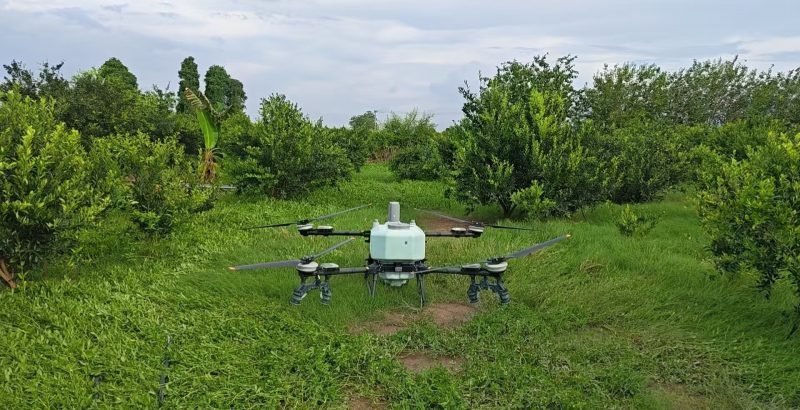
For orchards, choose drones with strong obstacle avoidance and terrain-following radar.
Step 3: Choose the Right Payload Capacity
Common payload options include:
- 10L
- 16L
- 20L
- 30L
- 40L
- 50L
- 60L
- 70L
Higher payloads increase efficiency but also require larger batteries.
Step 4: Evaluate Flight Time
Flight time depends on:
- Battery capacity
- Payload weight
- Weather conditions
- Flying speed
Most professional agricultural drones fly for:
- 10–20 minutes per battery
- Cover 10–30 hectares per hour depending on the mission
Fast battery swapping and rapid charging help maximize daily productivity.
Step 5: Look for Intelligent Flight Features
Modern agricultural drones should include:
- Automatic route planning
- GPS navigation
- RTK positioning
- Terrain following
- Obstacle avoidance
- One-click takeoff and landing
- Automatic return-to-home
- Smart spraying control
These features improve precision and reduce operator workload.
Step 6: Battery and Charging System
The battery is one of the most important components.
Choose drones with:
- High-capacity smart lithium batteries
- Fast charging systems
- Battery management system (BMS)
- Long cycle life
- Easy battery replacement
Having multiple batteries allows continuous operation throughout the day.
Step 7: Check Spare Parts Availability
Before purchasing, ask whether the manufacturer supplies:
- Motors
- ESCs
- Propellers
- Pumps
- Spray nozzles
- Radar modules
- Flight controllers
- Landing gear
- Batteries
- Chargers
Reliable spare parts support minimizes downtime.
Step 8: Verify After-Sales Support
A professional manufacturer should provide:
- Online technical support
- User manuals
- Video tutorials
- Software updates
- Remote troubleshooting
- Warranty service
- Spare parts inventory
Good after-sales service reduces long-term operating costs.
Step 9: Understand Shipping and Import Requirements
If importing from China, confirm:
- Packaging dimensions
- Gross weight
- Battery shipping regulations
- Air or sea freight options
- Customs documentation
- Import certifications
- Local compliance requirements
An experienced supplier can help simplify international shipping and customs clearance.
Step 10: OEM and Customization Options
Many distributors prefer OEM or ODM services.
Available customization may include:
- Logo printing
- Custom colors
- Packaging design
- Software localization
- User manuals
- Accessories
- Battery configurations
Customization helps build your own agricultural drone brand.
Common Mistakes Buyers Make
Avoid these common errors:
- Choosing the largest drone without considering actual needs
- Ignoring battery replacement costs
- Focusing only on price instead of reliability
- Buying from suppliers without technical support
- Forgetting to check spare parts availability
- Not considering local regulations
Frequently Asked Questions (FAQ)
What size agricultural drone should I buy?
It depends on your farm size, crop type, and daily workload. Most commercial farms choose 30L–50L drones for the best balance of efficiency and operating cost.
Are agricultural drones difficult to operate?
No. Most modern drones feature automated flight planning, GPS navigation, and one-touch operation, making them easy to learn.
How long does an agricultural drone battery last?
A high-quality smart lithium battery typically supports hundreds of charge cycles, depending on usage and maintenance.
Can agricultural drones spray all crops?
They are suitable for most field crops, orchards, vineyards, plantations, and vegetable farms. The best configuration depends on crop height and terrain.
Can I import agricultural drones from China?
Yes. Many manufacturers export worldwide and can assist with packaging, documentation, shipping, and customs procedures.
Conclusion
Selecting the right agricultural drone is about more than choosing the biggest tank or the lowest price. Evaluate your farm size, crop types, payload requirements, intelligent features, battery system, spare parts availability, and after-sales support. A reliable manufacturer and the right drone configuration will help improve efficiency, reduce costs, and deliver long-term value for your farming operation.
SEO Keywords: agricultural drone, crop spraying drone, agriculture UAV, farm drone, agricultural sprayer drone, smart farming drone, precision agriculture drone, agricultural drone manufacturer, agricultural drone supplier, OEM agricultural drone, China agricultural drone, farm spraying UAV.


No comments yet