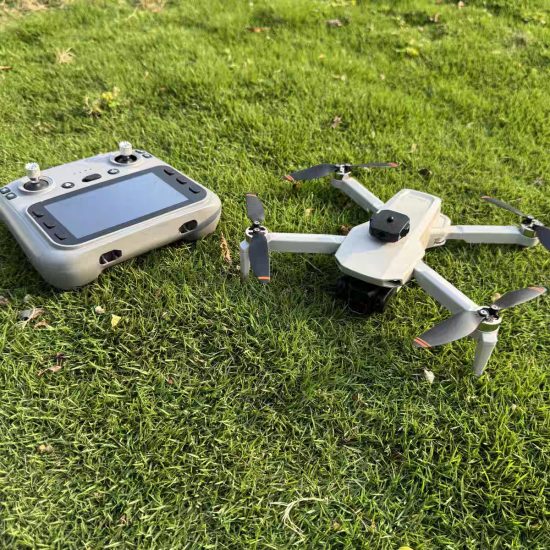


Choosing the right aerial photography drone can be overwhelming, especially with so many models, features, and price ranges available today. Whether you are a beginner, a content creator, or a professional filmmaker, the drone you select will directly affect the quality of your footage, your flying experience, and your long-term satisfaction.
![Image [1]-How to Choose the Right Aerial Photography Drone: A Complete Buyer’s Guide by msoen-msoen](https://www.msoen.com/wp-content/uploads/2026/01/07f826db4b194838-1024x1024.jpg)
![Image [2]-How to Choose the Right Aerial Photography Drone: A Complete Buyer’s Guide by msoen-msoen](https://www.msoen.com/wp-content/uploads/2026/01/3c01e792fe194838-768x1024.jpg)
![Image [3]-How to Choose the Right Aerial Photography Drone: A Complete Buyer’s Guide by msoen-msoen](https://www.msoen.com/wp-content/uploads/2026/01/5ced0788d4195152-768x1024.jpg)
![Image [4]-How to Choose the Right Aerial Photography Drone: A Complete Buyer’s Guide by msoen-msoen](https://www.msoen.com/wp-content/uploads/2026/01/e46bda83bc195152-1024x768.jpg)
![Image [5]-How to Choose the Right Aerial Photography Drone: A Complete Buyer’s Guide by msoen-msoen](https://www.msoen.com/wp-content/uploads/2026/01/529a7ff665195152-768x1024.jpg)
At msoen, we believe that a great drone is not just about high specifications—it is about the perfect balance between performance, reliability, and user-friendly design. This guide will help you understand what truly matters when selecting an aerial photography drone, so you can make a confident and informed decision.
1. Define Your Purpose Before Buying
The first step in choosing a drone is understanding how you plan to use it.
Ask yourself:
- Are you filming travel videos or social media content?
- Do you need cinematic-quality footage?
- Are you shooting real estate, landscapes, or events?
- Do you want an easy-to-fly drone or a professional tool?
If you are a beginner, you should prioritize stability, safety features, and ease of use. If you are a professional, you should focus on camera quality, flight precision, and advanced controls.
msoen designs different drone models for different user levels, ensuring that every pilot finds the right match for their needs.
2. Camera Quality: The Heart of Aerial Photography
The camera is the most important part of any aerial photography drone.
Key Camera Factors to Consider
Resolution
- 1080p: Basic and budget-friendly
- 2K: Better clarity
- 4K: Industry standard for creators
- 6K–8K: Professional-grade
Sensor Size
Larger sensors capture more light, producing better images, especially in low-light conditions.
Frame Rate
Higher frame rates (60fps, 120fps) allow smoother slow-motion footage.
HDR and Color Profiles
Advanced drones offer HDR and flat color profiles for professional color grading.
msoen drones are engineered with optimized camera systems that deliver natural colors, sharp details, and stable aerial footage.
3. Gimbal Stabilization: Smoothness Matters
Without stabilization, aerial footage can look shaky and unprofessional.
Types of Gimbals
- 2-axis gimbal: Stabilizes tilt and roll
- 3-axis gimbal: Stabilizes tilt, roll, and pan (best for professional use)
A 3-axis gimbal is highly recommended if you want cinematic-quality videos. msoen integrates precision-calibrated gimbals into its aerial drones to ensure ultra-smooth performance even in windy conditions.
4. Flight Time and Battery Performance
Longer flight time means more creative freedom.
Typical Flight Time Ranges
- Entry-level drones: 8–12 minutes
- Mid-range drones: 15–25 minutes
- Professional drones: 25–40 minutes
Look for drones with smart battery systems that provide real-time battery monitoring and automatic return-to-home alerts.
msoen drones are designed with high-efficiency battery management systems that maximize airtime while maintaining safety.
5. GPS and Intelligent Flight Features
Modern drones are no longer just flying cameras—they are smart devices.
Important Smart Features
- GPS positioning
- Auto return-to-home
- Follow-me mode
- Waypoint navigation
- Orbit mode
- Gesture control
These features make flying easier, safer, and more enjoyable. For beginners, they reduce the learning curve. For professionals, they enable complex shots with minimal effort.
msoen integrates intelligent flight systems that allow pilots to focus on creativity instead of manual control.
6. Obstacle Avoidance and Safety Systems
Safety is critical, especially for new pilots.
Advanced drones include:
- Front and rear obstacle sensors
- Downward vision positioning
- Auto braking
- Emergency landing modes
These systems help prevent crashes and protect your investment. msoen emphasizes safety-first engineering to ensure stable, predictable flight behavior in all environments.
7. Transmission Range and Signal Stability
The transmission system determines how far you can fly and how stable your video feed is.
What to Look For
- Strong anti-interference technology
- Low-latency live video
- HD real-time transmission
- Long-range capability
A reliable signal ensures smooth control and clear visuals. msoen drones use optimized transmission protocols for consistent performance in urban and remote areas.
8. Portability and Design
If you travel frequently, portability becomes a major factor.
Foldable drones are compact, lightweight, and easy to carry. However, larger drones usually provide better stability and stronger wind resistance.
msoen balances portability and performance, offering both compact travel drones and robust professional models.
9. App Experience and User Interface
Your drone is only as good as its software.
A good drone app should offer:
- Intuitive controls
- Real-time video feed
- Flight data display
- Easy firmware updates
- Editing tools
msoen invests heavily in user interface design to ensure that pilots of all experience levels can fly with confidence.
10. Build Quality and Durability
A drone should feel solid, not fragile.
Look for:
- Reinforced arms
- Shock-resistant materials
- Weather-tolerant designs
- High-quality motors
msoen drones are built using aerospace-grade materials, ensuring durability without unnecessary weight.
11. After-Sales Support and Spare Parts
Many buyers overlook this factor.
Before choosing a drone, check:
- Warranty policy
- Spare part availability
- Firmware updates
- Technical support
msoen provides long-term support, spare parts, and continuous firmware improvements to protect your investment.
12. Budget vs. Value
The cheapest drone is not always the best choice.
A good drone should offer:
- Stable flight
- Reliable camera performance
- Smart safety features
- Long-term usability
msoen focuses on value-driven engineering, offering premium features at competitive price points.
13. Beginner vs. Professional Drones
Beginner-Friendly Drones
- Easy controls
- Auto takeoff/landing
- GPS stability
- Basic camera systems
Professional Drones
- Advanced camera sensors
- 3-axis gimbals
- Manual control modes
- Professional codecs
msoen offers solutions for both beginners and professionals, ensuring a smooth upgrade path as your skills grow.
Conclusion
Choosing the right aerial photography drone is not just about specifications—it is about understanding your goals, your experience level, and the type of content you want to create.
From camera performance and stabilization to intelligent flight systems and safety features, every detail matters. With the right drone, you can unlock new creative perspectives and elevate your storytelling.
At msoen, we design drones that combine innovation, reliability, and simplicity—so you can focus on capturing breathtaking aerial moments.


No comments yet