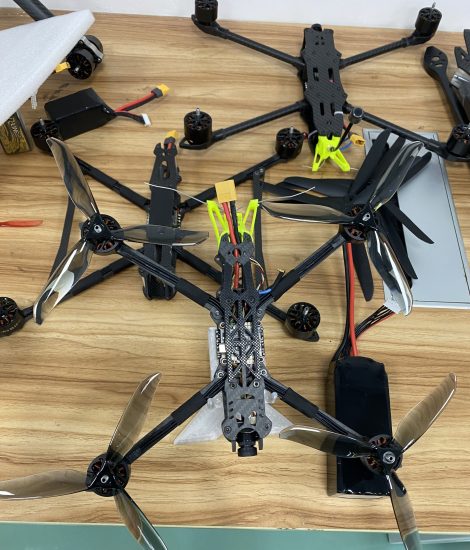




Long-range FPV drones have become increasingly popular among drone enthusiasts, aerial photographers, industrial users, and professional pilots. Unlike standard FPV drones designed for racing or freestyle flying, long-range FPV drones focus on extended flight distance, reliable control links, stable video transmission, and efficient power management.
Choosing the right long-range FPV drone is not simply about selecting the model with the highest advertised range. A successful long-range platform requires a balanced combination of airframe design, propulsion system, battery capacity, communication technology, camera performance, and flight controller reliability.
This guide explains the most important factors buyers should consider before investing in a long-range FPV drone.
What Is a Long-Range FPV Drone?
A long-range FPV drone is designed to fly significantly farther than traditional FPV racing drones while maintaining a stable control signal and clear real-time video feed.
Typical applications include:
- Mountain exploration
- Coastal inspections
- Agricultural observation
- Infrastructure surveys
- Cinematic aerial filming
- Search and rescue support
- Remote area monitoring
The primary goal is to achieve maximum flight distance while maintaining safe and reliable operation.
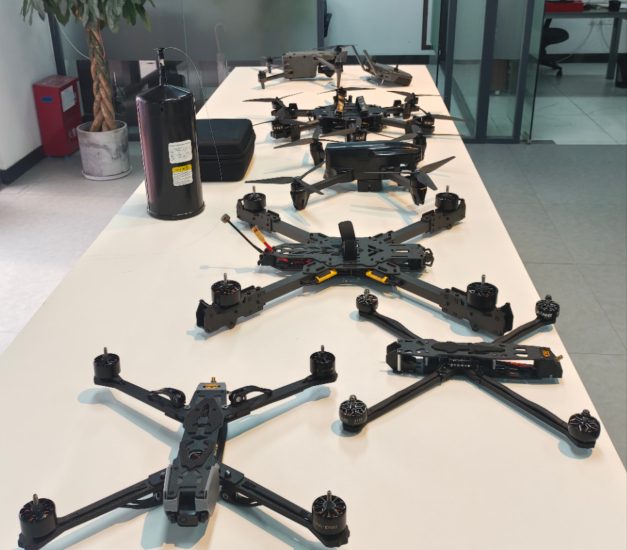
Airframe Size Matters
One of the first decisions is selecting the appropriate frame size.
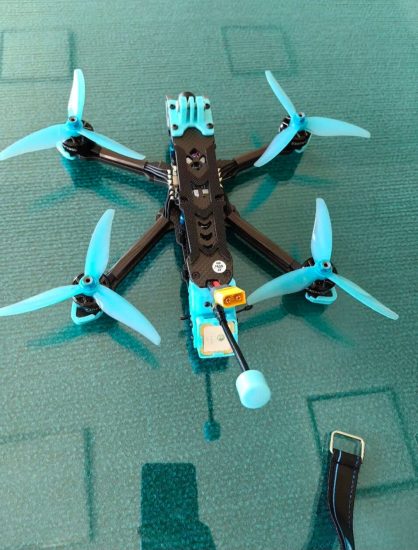
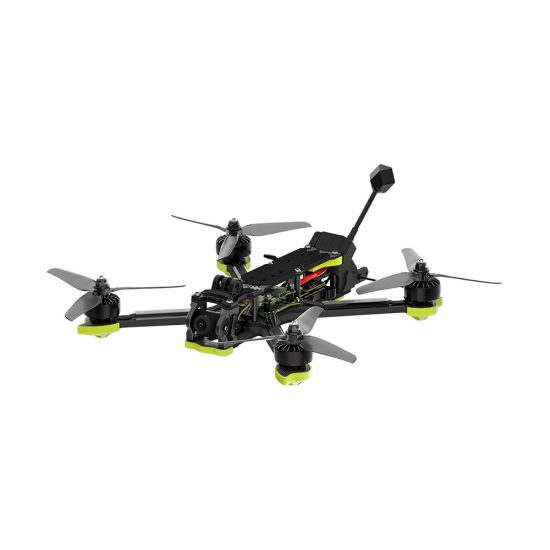
5-Inch FPV Drones
Advantages:
- Lightweight
- Agile flight performance
- Lower cost
- Easier transportation
Limitations:
- Shorter flight times
- Smaller battery capacity
- Less efficient for extreme long-range missions
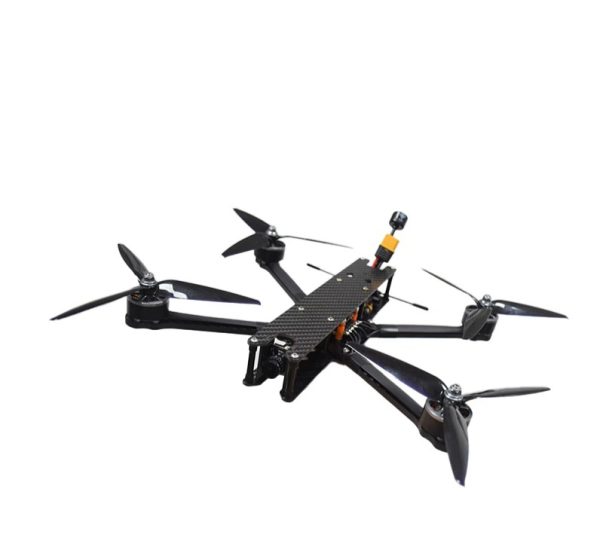
7-Inch FPV Drones
Advantages:
- Excellent efficiency
- Larger battery options
- Better cruising performance
- Popular choice for long-range pilots
Limitations:
- Larger size
- Slightly heavier setup
10-Inch and Larger FPV Platforms
Advantages:
- Maximum endurance
- Heavy payload capability
- Professional applications
Limitations:
- Higher cost
- More complex maintenance
- Additional transportation requirements
For most users, a 7-inch platform offers the best balance between range, efficiency, and practicality.
Choosing the Right Video Transmission System
Video transmission quality directly affects flight safety and pilot confidence.
Important factors include:
- Signal penetration
- Transmission distance
- Image clarity
- Latency
- Reliability in challenging environments
A stable video link allows pilots to maintain situational awareness even when flying several kilometers away from the launch point.
When evaluating a drone, consider:
- Antenna quality
- Antenna placement
- Transmitter output power
- Receiver sensitivity
- Interference resistance
Poor antenna installation can reduce effective range even when using high-performance transmission systems.
Flight Controller Reliability
The flight controller acts as the brain of the drone.
For long-range operations, reliability is more important than advanced aerobatic performance.
Important features include:
- GPS support
- Return-to-home function
- Failsafe protection
- Voltage monitoring
- Blackbox logging
- Stable firmware support
A dependable flight controller can significantly reduce the risk of losing an aircraft during long-distance missions.
GPS and Navigation Functions
Long-range flights should always include GPS functionality.
GPS provides:
- Home position recording
- Speed monitoring
- Distance tracking
- Altitude information
- Automatic return functions
In emergency situations such as signal loss or low battery conditions, GPS-assisted recovery can prevent expensive equipment losses.
Battery Selection for Long Flight Time
Battery choice has a major impact on flight duration and overall efficiency.
Key considerations:
Battery Capacity
Higher capacity batteries generally provide longer flight times but increase total weight.
Battery Quality
High-quality cells offer:
- Better voltage stability
- Lower internal resistance
- Improved lifespan
- More consistent performance
Battery Weight
Excessively heavy batteries may reduce efficiency despite offering more capacity.
The ideal battery is one that balances capacity and weight according to the drone’s design.
Efficient Motor and Propeller Matching
Long-range drones prioritize efficiency over maximum thrust.
The correct combination of motors and propellers can provide:
- Lower power consumption
- Reduced motor temperature
- Smoother cruising
- Extended flight time
Many new pilots mistakenly choose aggressive racing motors, which often decrease endurance during long-range flights.
Radio Control System Considerations
The radio link is equally important as video transmission.
A reliable control system should offer:
- Long communication distance
- Strong anti-interference capability
- Fast signal refresh rates
- Stable operation in complex environments
Before purchasing a long-range FPV drone, verify the compatibility between the transmitter, receiver, and intended operational distance.
Camera Quality for Professional Footage
Many buyers choose long-range FPV drones for aerial filming.
Important camera characteristics include:
- High resolution
- Good dynamic range
- Low-light performance
- Stable image quality
- Durable construction
A quality camera allows operators to capture detailed footage during long-distance flights while maintaining clear navigation visibility.
Durability and Maintenance
Long-range drones often operate in remote locations where repairs may not be immediately possible.
A good platform should provide:
- Carbon fiber construction
- Easy component replacement
- Protected electronics
- Organized wiring layout
- Durable antenna mounts
Maintenance-friendly designs reduce downtime and operating costs.
Common Mistakes Buyers Make
Many first-time buyers focus only on advertised range figures.
Common mistakes include:
- Ignoring battery efficiency
- Choosing oversized batteries
- Purchasing low-quality antennas
- Neglecting GPS functionality
- Using unsuitable propellers
- Underestimating maintenance requirements
A balanced system often outperforms a setup built around a single specification.
How OEM and ODM FPV Drone Manufacturers Can Help
For distributors, drone brands, and commercial operators, OEM and ODM manufacturing offers significant advantages.
Benefits include:
- Custom frame designs
- Private label branding
- Customized flight configurations
- Specialized payload integration
- Tailored battery solutions
- Industry-specific modifications
Professional manufacturers can develop FPV platforms optimized for inspection, mapping, agriculture, security, or cinematic applications.
Conclusion
Selecting the best FPV drone for long-range flying involves much more than choosing the highest advertised transmission distance. Airframe efficiency, battery performance, GPS reliability, radio communication quality, video transmission stability, and component durability all contribute to overall performance.
For most professional users and serious enthusiasts, a well-designed long-range FPV drone should deliver reliable control, stable video transmission, efficient power consumption, and easy maintenance. By evaluating the entire system rather than focusing on a single specification, buyers can achieve safer flights, longer endurance, and a better overall flying experience.
FAQ
What is the best FPV drone size for long-range flying?
A 7-inch FPV drone is often considered the most balanced option, providing excellent flight efficiency, reasonable portability, and strong long-range performance.
Does a bigger battery always mean longer flight time?
Not necessarily. Larger batteries increase weight, which can reduce efficiency. The best battery is one that balances capacity and overall aircraft weight.
Is GPS necessary for long-range FPV drones?
Yes. GPS significantly improves flight safety by enabling location tracking, return-to-home functions, and emergency recovery features.
What affects FPV video transmission quality?
Antenna quality, transmitter power, receiver performance, installation design, and environmental interference all influence video transmission stability.
Can I customize an FPV drone for my business?
Yes. OEM and ODM manufacturers can provide custom branding, specialized payload integration, unique frame designs, and industry-specific configurations for commercial applications.



No comments yet