




Entering the world of FPV drones can be exciting, but many beginners make costly mistakes by buying the wrong equipment. With hundreds of options available, choosing the best FPV drone for beginners is not always easy. This guide will help you avoid wasting money and select the right drone based on your needs and budget.
Why Beginners Often Buy the Wrong FPV Drone
Many new pilots focus only on speed and appearance. However, factors such as flight stability, durability, battery life, and ease of repair are much more important for beginners.
Common mistakes include:
- Buying an expensive racing drone without experience.
- Choosing a drone that is difficult to repair.
- Ignoring spare parts availability.
- Purchasing incompatible goggles and transmitters.
- Focusing on maximum speed instead of flight control.
A beginner-friendly FPV drone should be durable, easy to fly, and affordable to maintain.
What Type of FPV Drone Is Best for Beginners?
Tiny Whoop FPV Drones
Tiny Whoop drones are small, lightweight, and safe for indoor flying. They are ideal for learning basic skills and reducing crash damage.
Advantages:
- Low cost
- Safe for indoor use
- Easy to repair
- Suitable for training
3-Inch FPV Drones
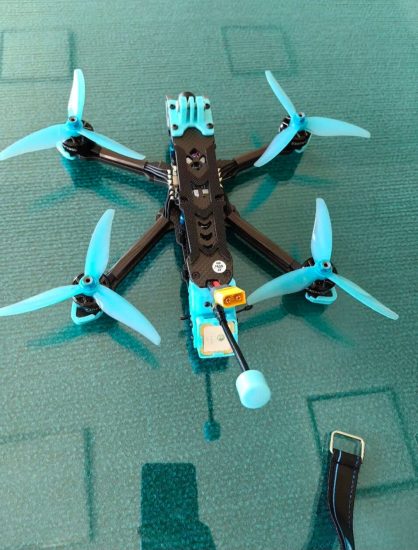
3-inch drones offer a balance between speed and control. They are excellent for beginners who want to fly outdoors.
Advantages:
- Stable flight performance
- Lightweight design
- Lower battery costs
- Easy to carry
5-Inch FPV Drones
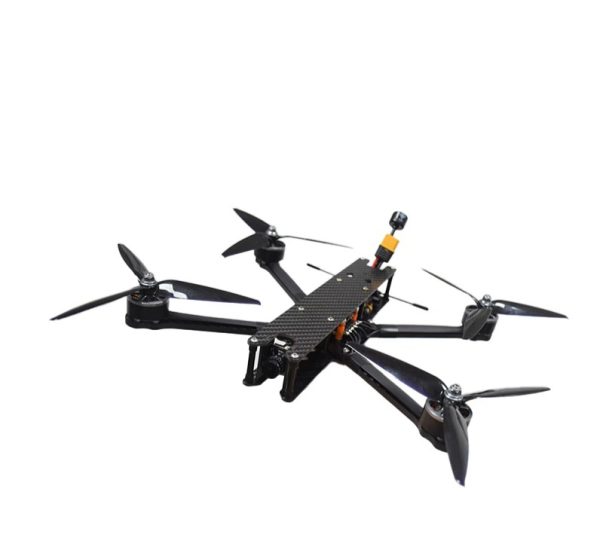
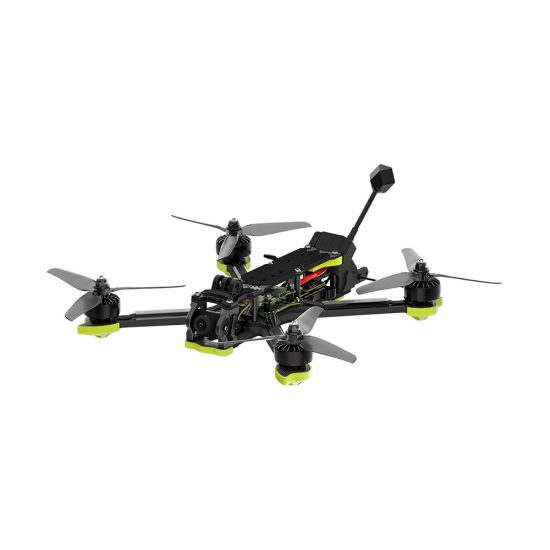
5-inch drones are the most popular choice among experienced pilots and racers.
Advantages:
- High speed
- Strong power
- Suitable for freestyle and racing
- Better video quality
However, beginners may find them difficult to control and more expensive to repair.
Key Factors to Consider Before Buying
Flight Controller Stability
A stable flight controller helps new pilots learn faster and recover from mistakes. Modern systems provide smoother handling and more reliable performance.
Digital or Analog FPV System
Analog System
Pros:
- Lower cost
- Lower latency
- Wide compatibility
Cons:
- Lower image quality
Digital System
Pros:
- HD video transmission
- Better image clarity
- Enhanced flying experience
Cons:
- Higher cost
Beginners on a budget may start with analog systems and upgrade later.
Battery Life
Longer flight time allows more practice.
Typical flight times:
- Tiny Whoop: 3-5 minutes
- 3-inch drone: 5-8 minutes
- 5-inch drone: 4-7 minutes
Having multiple batteries is recommended.
Spare Parts Availability
Crashes are inevitable. Before purchasing, ensure replacement parts are easy to obtain.
Important spare parts include:
- Propellers
- Motors
- ESC boards
- Frames
- Cameras
- Batteries
Ready-to-Fly vs DIY FPV Drone
Ready-to-Fly (RTF)
Best for beginners.
Benefits:
- No assembly required
- Pre-configured settings
- Easy setup
- Faster learning process
DIY FPV Drone Kits
Best for advanced users.
Benefits:
- Full customization
- Better understanding of drone systems
- Easier future upgrades
If you are completely new, starting with an RTF drone can save time and money.
Budget Recommendations
Under $200
Suitable for:
- Beginners
- Indoor practice
- Basic flying skills
$200-$500
Suitable for:
- Outdoor flying
- Freestyle practice
- Better camera quality
Above $500
Suitable for:
- Professional pilots
- Cinematic filming
- Long-range flights
Avoid spending too much before gaining flying experience.
Safety Tips for New FPV Pilots
- Practice in open areas.
- Use propeller guards whenever possible.
- Learn simulator flying before real flights.
- Check battery voltage before every flight.
- Keep spare propellers and tools available.
- Fly within local regulations.
Building confidence gradually reduces repair costs and improves safety.
Why More Buyers Choose Chinese FPV Drone Manufacturers
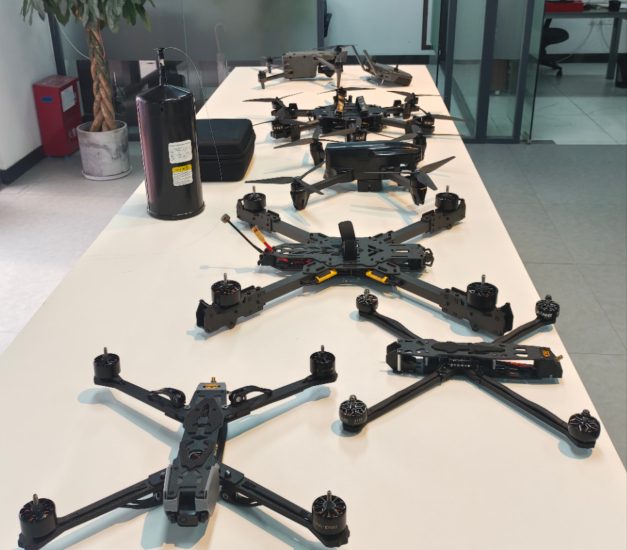
China has become the global center of FPV drone manufacturing. Many suppliers provide:
- OEM and ODM services
- Private label customization
- HD camera systems
- Carbon fiber frames
- Bulk wholesale prices
- Fast worldwide shipping
Whether you are a retailer, distributor, or brand owner, working directly with a professional manufacturer can significantly reduce costs.
Looking for a Reliable FPV Drone Supplier?
If you are searching for high-quality FPV drones, racing drones, or custom OEM solutions, choosing an experienced manufacturer can provide:
- Customized logos
- Wholesale pricing
- Technical support
- Stable supply chain
- Global shipping services
Feel free to contact us for more information about our FPV drone solutions and OEM/ODM services.
FAQ
What is the easiest FPV drone for beginners?
Tiny Whoop and Ready-to-Fly FPV drones are generally the easiest options for beginners because they are durable and simple to operate.
Should beginners buy digital FPV systems?
Digital systems provide better image quality, but analog systems are more affordable. Beginners with limited budgets often start with analog systems.
How much should a beginner spend on an FPV drone?
A budget between $200 and $500 is usually enough for a complete beginner setup.
Is building an FPV drone better than buying one?
For beginners, buying a Ready-to-Fly drone is easier. DIY builds are more suitable for experienced pilots.
Can FPV drones be customized?
Yes. Many manufacturers offer OEM and ODM customization services for frames, logos, cameras, batteries, and packaging.
Where can I find an FPV drone manufacturer in China?
Professional Chinese manufacturers provide wholesale FPV drones, racing drones, and custom branding solutions for distributors and businesses worldwide.



No comments yet