

![Image [1]-How to Choose the Best Drone for Travel and Adventure Photography-msoen](https://www.msoen.com/wp-content/uploads/2026/01/e46bda83bc195152-1024x768.jpg)
![Image [2]-How to Choose the Best Drone for Travel and Adventure Photography-msoen](https://www.msoen.com/wp-content/uploads/2026/01/07f826db4b194838-1024x1024.jpg)
![Image [3]-How to Choose the Best Drone for Travel and Adventure Photography-msoen](https://www.msoen.com/wp-content/uploads/2026/01/3c01e792fe194838-768x1024.jpg)
![Image [4]-How to Choose the Best Drone for Travel and Adventure Photography-msoen](https://www.msoen.com/wp-content/uploads/2026/01/529a7ff665195152-768x1024.jpg)
![Image [5]-How to Choose the Best Drone for Travel and Adventure Photography-msoen](https://www.msoen.com/wp-content/uploads/2026/01/b100e1b304194838-1024x1024.jpg)
![Image [6]-How to Choose the Best Drone for Travel and Adventure Photography-msoen](https://www.msoen.com/wp-content/uploads/2026/01/e05d7e5e25194837-775x1024.jpg)
Travel and adventure photography demand drones that are portable, durable, and capable of capturing stunning aerial shots in diverse environments. Choosing the right drone ensures you can document your adventures safely and creatively. This guide explores the essential features, practical tips, and considerations for selecting the best drone for travel and adventure photography.
1. Why Travel and Adventure Drones Are Different
Drones for travel and adventure photography need to balance portability with performance. Unlike professional studio drones, they must be lightweight, foldable, and easy to carry, without compromising camera quality or stability. Durability is also critical, as these drones often face changing weather conditions, rough terrain, and long flights.
Adventure drones allow photographers to capture landscapes, wildlife, and outdoor activities from unique aerial perspectives, making memories more vivid and visually compelling.
2. Key Features to Consider
Camera Quality: Even compact travel drones should have at least 4K resolution with stabilized gimbals for smooth video. High dynamic range and low-light performance improve versatility.
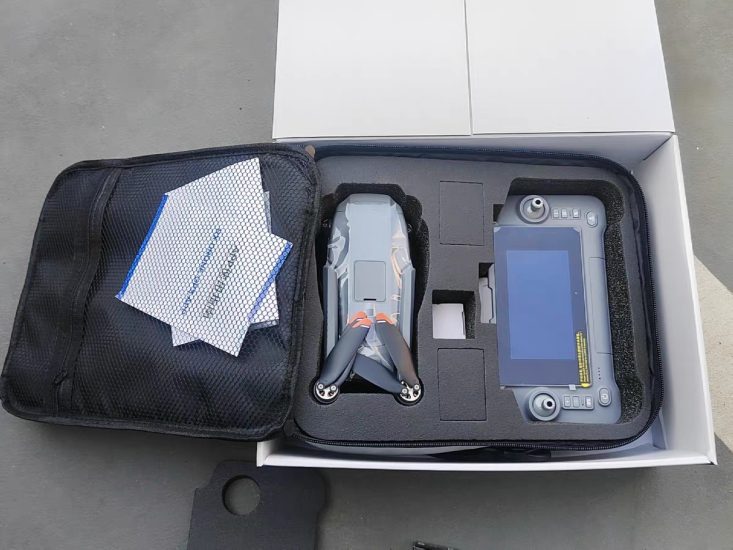
Portability: Foldable, lightweight drones fit easily into backpacks or carry-on luggage.
Flight Time: Extended battery life is essential for capturing multiple locations in a single trip. Carrying spare batteries is recommended.
Obstacle Avoidance: Safety sensors prevent crashes in unpredictable outdoor environments.
Wind Resistance: Strong wind can affect flight stability. Choose drones designed for moderate weather conditions.
Intelligent Flight Modes: Features like follow-me, orbit, and waypoint navigation help you focus on photography while the drone maneuvers automatically.
3. Compact and Foldable Drones
Compact drones are perfect for travel due to their lightweight design. Foldable arms and small dimensions make them easy to store and transport. Despite their size, modern compact drones offer high-resolution cameras and stable flight, making them suitable for both casual and professional travel photography.
4. Long-Range and Battery Considerations
For adventure photography, drones with longer flight ranges allow capturing expansive landscapes. Most travel drones provide 20–30 minutes of flight per battery, so carrying extra batteries is essential. Some models also allow quick battery swaps, minimizing downtime during shoots.
5. Durability and Weather Resistance
Adventure photography often exposes drones to sun, wind, rain, and dust. Durable materials, water-resistant features, and strong propellers are important to ensure the drone survives outdoor challenges. Always check the drone’s specifications for weather tolerance.
6. Accessories for Travel Drones
- Extra Batteries: Essential for long trips and remote locations.
- Portable Charging Hub: Charge multiple batteries simultaneously.
- Protective Carrying Case: Prevents damage during transport.
- ND Filters: Improve image quality in bright conditions.
- Landing Pads: Protect drones on rough or sandy surfaces.
7. Practical Tips for Travel Photography
- Plan Your Flights: Scout locations and understand local drone regulations.
- Check Weather Conditions: Avoid rain, high winds, or low visibility.
- Use Intelligent Flight Modes: Helps capture complex shots with minimal manual control.
- Maintain Line of Sight: Always keep the drone visible to prevent accidents.
- Post-Processing: Edit images to enhance colors and composition.
8. Avoiding Common Mistakes
- Carrying only one battery for long trips.
- Flying in restricted or unknown areas.
- Ignoring local drone registration or laws.
- Neglecting firmware updates or pre-flight checks.
- Overestimating camera capabilities in harsh lighting conditions.
9. Recommended Drone Features for Adventure Photography
- Foldable, lightweight body
- 4K or higher camera with gimbal stabilization
- 20–30+ minute flight time
- GPS-assisted flight and obstacle avoidance
- Intelligent flight modes like follow-me, orbit, and waypoint navigation
- Durable construction for outdoor conditions
10. Conclusion
Choosing the best drone for travel and adventure photography requires balancing portability, camera quality, flight time, and durability. Understanding your photography needs, researching drone features, and preparing for outdoor conditions ensures you capture breathtaking aerial shots. With the right drone, every adventure becomes a visually stunning story from above.


No comments yet