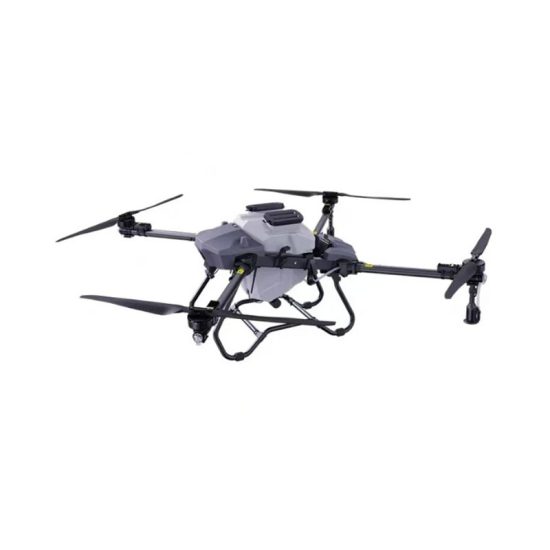


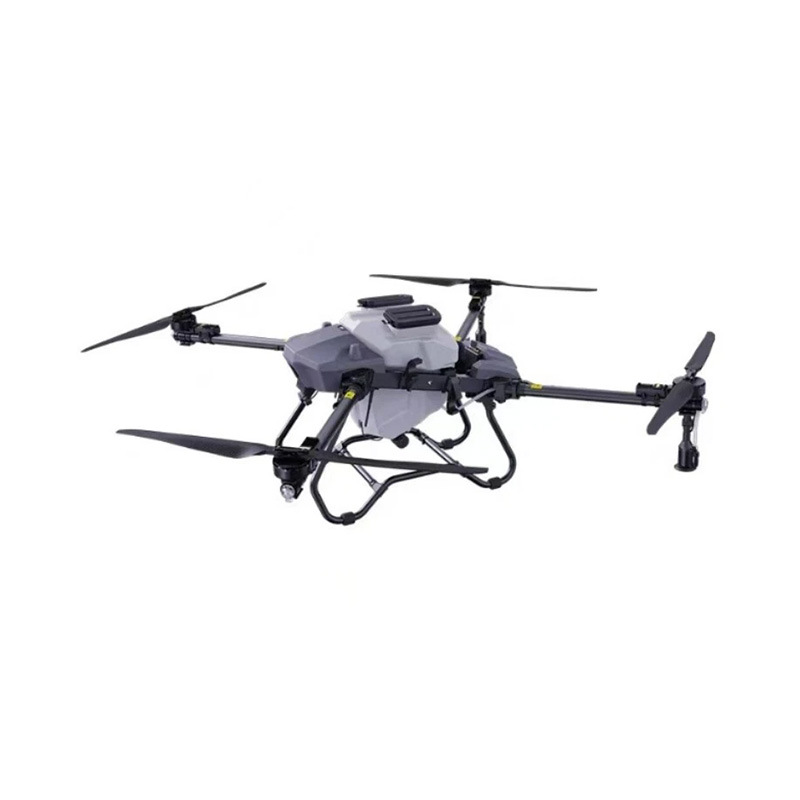

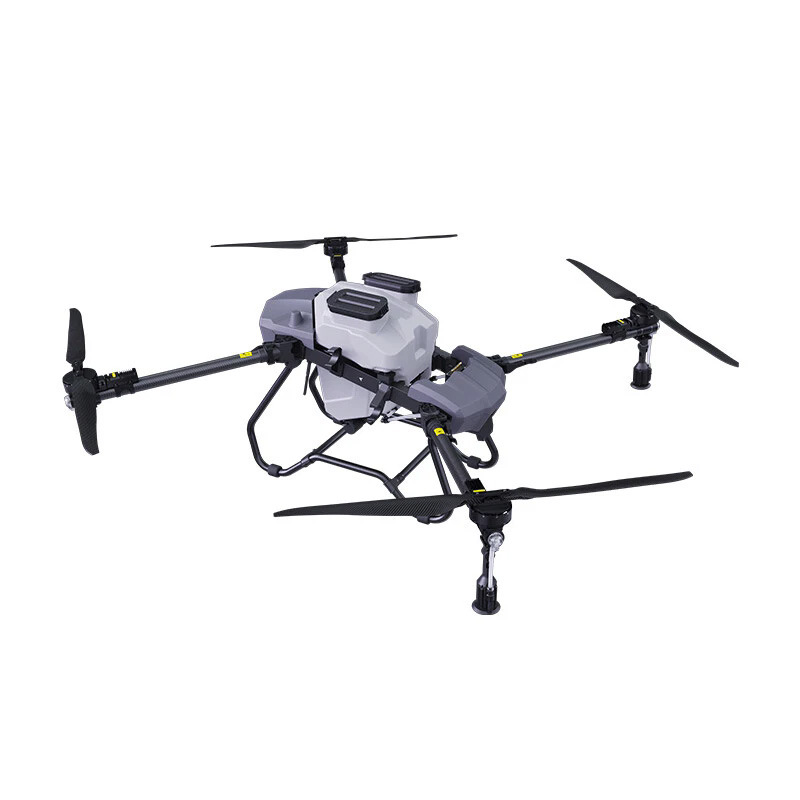
Agricultural drones have become an essential tool for modern farming. Whether you grow rice, wheat, corn, cotton, vegetables, or fruit trees, choosing the right agricultural drone can improve spraying efficiency, reduce labor costs, and increase crop yields.
However, with so many models available, many farmers and distributors ask the same question:
How do I choose the best agricultural drone for my farm?
This guide explains the key factors you should consider before purchasing an agricultural spraying drone.
1. Consider Your Farm Size
The size of your farmland determines the drone capacity you need.
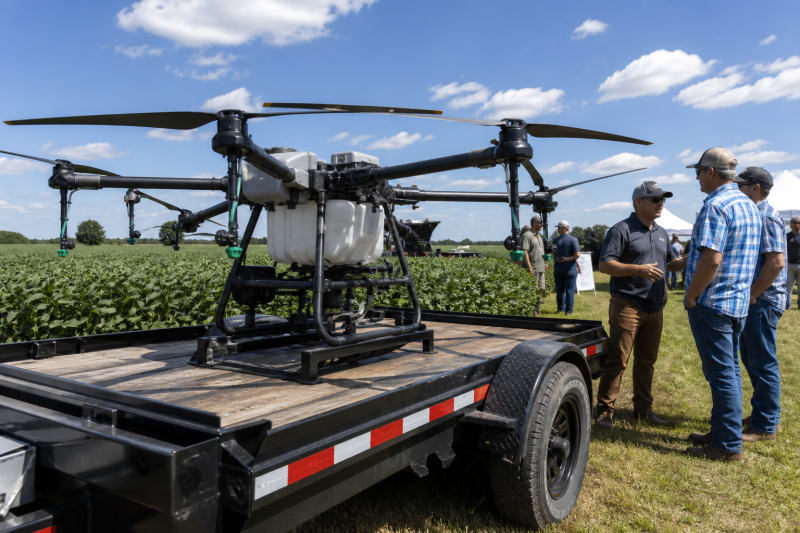
- Small farms (under 20 hectares): A compact drone with a 20–30L spray tank is usually sufficient.
- Medium farms (20–100 hectares): A 30–40L drone offers a good balance of efficiency and cost.
- Large farms (over 100 hectares): A 50–70L high-capacity agricultural drone significantly improves productivity.
Choosing the right tank size helps reduce refill time and increase daily coverage.
2. Evaluate Flight Performance
A professional agricultural drone should provide:
- Stable GPS navigation
- Automatic route planning
- Terrain following
- Obstacle avoidance
- One-key takeoff and landing
- Automatic return-to-home
These features improve safety while reducing operator workload.
3. Check the Spraying System
The spraying system directly affects chemical efficiency.
Look for drones equipped with:
- High-flow pumps
- Adjustable spray rates
- Uniform droplet distribution
- Anti-drift nozzle technology
- Wide spraying width
An efficient spraying system helps reduce pesticide waste while improving crop protection.
4. Battery Performance Matters
Battery performance determines daily productivity.
A quality agricultural drone should offer:
- Fast charging
- Intelligent battery management
- Long battery life
- Easy battery replacement
- Stable performance under high temperatures
Many professional operators prepare multiple batteries to maximize working hours.
5. Choose Reliable Safety Features
Safety is critical when operating agricultural drones.
Recommended features include:
- Radar obstacle avoidance
- Vision sensors
- Low battery warning
- Signal loss protection
- Emergency landing
- Motor health monitoring
These functions reduce operational risks and protect your investment.
6. Consider Maintenance and Spare Parts
Low maintenance costs can save money over the drone’s lifetime.
Before purchasing, ask the supplier:
- Are spare parts readily available?
- Is online technical support provided?
- Is training included?
- How quickly can replacement parts be shipped?
- Is software updated regularly?
Reliable after-sales service minimizes downtime during busy farming seasons.
7. Compare Total Ownership Cost
The lowest purchase price is not always the best value.
Compare factors such as:
- Drone price
- Battery cost
- Charger cost
- Spare parts
- Maintenance expenses
- Warranty period
- Expected service life
A slightly higher-quality drone often delivers lower operating costs over time.
8. Buy from an Experienced Manufacturer
An experienced manufacturer can provide:
- OEM & ODM services
- Strict quality control
- International certifications
- Fast production
- Technical support
- Global shipping
- Long-term spare parts supply
Working directly with a manufacturer also helps distributors build their own brand.
Frequently Asked Questions
What size agricultural drone is best?
It depends on your farm size. Larger farms generally benefit from 40L–70L drones, while smaller farms may only need 20L–30L models.
How many hectares can a spraying drone cover in one day?
Depending on the model, battery capacity, crop type, and operating conditions, professional agricultural drones can typically cover dozens to more than one hundred hectares per day.
Are agricultural drones easy to operate?
Yes. Most modern drones include automated flight planning, intelligent navigation, and user-friendly controls, making them suitable even for first-time operators after basic training.
Can agricultural drones spray different crops?
Yes. They can be used for rice, wheat, corn, cotton, orchards, tea plantations, vegetables, sugarcane, and many other crops.
Can I customize the drone with my own brand?
Many manufacturers offer OEM and ODM services, allowing distributors and wholesalers to customize logos, colors, packaging, and software.
Conclusion
Choosing the best agricultural drone involves much more than comparing prices. Flight performance, spraying efficiency, battery life, safety features, after-sales support, and manufacturer experience all play important roles in long-term success.
Whether you are a farmer looking to improve productivity or a distributor seeking reliable products, selecting the right agricultural drone can reduce operating costs, increase efficiency, and deliver a strong return on investment.
Looking for a dependable agricultural drone manufacturer? Contact us today to discuss your requirements, request a quotation, and find the ideal drone solution for your farm or business.


No comments yet