

![Image [1]-How to Choose an Aerial Photography Drone: The Complete Guide-msoen](https://www.msoen.com/wp-content/uploads/2026/01/205cf97c91195220-838x1024.jpg)

![Image [3]-How to Choose an Aerial Photography Drone: The Complete Guide-msoen](https://www.msoen.com/wp-content/uploads/2026/01/cf212fb489195220-768x1024.jpg)
![Image [4]-How to Choose an Aerial Photography Drone: The Complete Guide-msoen](https://www.msoen.com/wp-content/uploads/2026/01/76933d8539195152-768x1024.jpg)
![Image [5]-How to Choose an Aerial Photography Drone: The Complete Guide-msoen](https://www.msoen.com/wp-content/uploads/2026/01/2eda0d55c5195152-768x1024.jpg)
![Image [6]-How to Choose an Aerial Photography Drone: The Complete Guide-msoen](https://www.msoen.com/wp-content/uploads/2026/01/b0b3024095195152-768x1024.jpg)
![Image [7]-How to Choose an Aerial Photography Drone: The Complete Guide-msoen](https://www.msoen.com/wp-content/uploads/2026/01/5ced0788d4195152-768x1024.jpg)
![Image [8]-How to Choose an Aerial Photography Drone: The Complete Guide-msoen](https://www.msoen.com/wp-content/uploads/2026/01/e46bda83bc195152-1024x768.jpg)
Choosing the right aerial photography drone can be challenging. With so many options, features, and technical specifications, it’s easy to get confused. This guide will help you understand what truly matters—from camera quality and stabilization to flight performance and intelligent features—so you can confidently select a drone, like msoen, that meets your photography and filmmaking needs.
1. Understand Your Purpose
Before buying a drone, the most important step is defining your purpose. Not all drones are built for every task, and knowing what you want to achieve will guide your choice.
- Travel Photography: Compact, lightweight drones are ideal for portability.
- Cinematic Filming: Look for drones that offer smooth motion, high-quality sensors, and advanced color profiles.
- Real Estate Photography: Stability, wide-angle lenses, and precise hovering matter most.
- Social Media & Content Creation: Intelligent modes, fast setup, and ease of control are essential.
- Commercial Use: Focus on reliability, long battery life, and professional-grade build quality.
Understanding your purpose prevents overspending on features you won’t need.
2. Camera Quality: The Core of Aerial Photography
The camera is the most critical element of any aerial photography drone. While many buyers focus on megapixels, there are more important factors that define professional results.
Sensor Size
A larger sensor captures more light, delivers better low-light performance, and produces less digital noise. This allows for richer, more natural colors and sharper details.
Dynamic Range
A wide dynamic range ensures that bright skies and shadowed areas retain detail. Drones with poor dynamic range often produce washed-out highlights and dark, unusable shadows.
Color Profiles and Video Formats
Professional drones, like msoen, offer flat or log color profiles, enabling full control during post-processing. Look for high-bit-rate video recording options, which preserve detail and reduce compression artifacts.
RAW Photo Support
Shooting in RAW format gives you complete control over exposure, white balance, and color grading. JPEG alone is often too limited for professional workflows.
3. Gimbal Stabilization: Smooth Footage Every Time
A high-quality gimbal is crucial for cinematic results. Most professional drones use a 3-axis gimbal to stabilize the camera and reduce shake.
Benefits include:
- Smooth, steady footage even in windy conditions
- Level horizons for professional-looking video
- Controlled tilt, pan, and roll movements
- Reduced motion blur during slow-motion capture
Without good stabilization, even a high-resolution camera cannot produce usable footage.
4. Flight Performance and Handling
Even the best camera will fail if the drone is unstable or difficult to control.
Hover Accuracy
A drone should hover precisely without drifting, which is essential for framing tight shots. Vision sensors and GPS positioning help maintain stability.
Wind Resistance
Professional drones must withstand moderate wind without losing control. This is particularly important for outdoor shooting.
Responsive Controls
Smooth joystick response allows for precise movements, which are critical for cinematic pans, reveals, and tracking shots.
5. Intelligent Flight Modes
Modern drones include intelligent flight modes that assist beginners and speed up workflows for professionals.
- Follow Me / Active Track: Automatically keeps your subject in frame
- Waypoint Navigation: Pre-program a flight path for repeatable shots
- Orbit / Circle Mode: Circle a subject smoothly for cinematic reveals
- Cinematic Movements: Automate reveal shots and dolly-like effects
These features let you focus on creativity instead of constantly adjusting controls.
6. Battery Life: Realistic Expectations
Battery life is a frequent source of frustration. Manufacturers often advertise ideal conditions, but real-world flight time is usually shorter due to wind, payload, and aggressive flying.
Tips for reliable flying:
- Carry multiple batteries for extended sessions
- Avoid draining batteries completely
- Store batteries in a temperature-controlled environment
msoen drones are designed for efficient battery management, giving you reliable flight times under realistic conditions.
7. Portability vs. Performance
There’s a trade-off between size and performance:
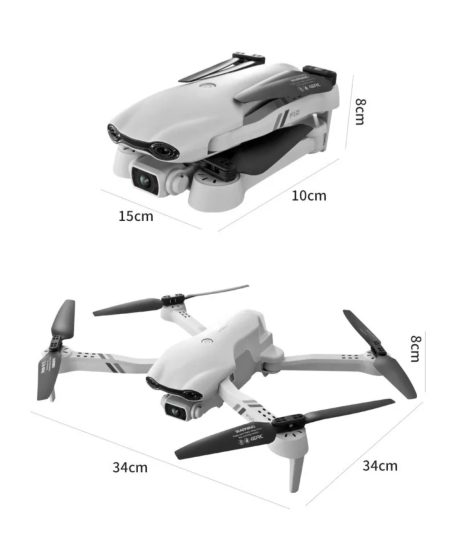
- Compact Drones: Lightweight and foldable for travel. Ideal for casual photography, urban shoots, and hiking.
- Larger Drones: More stable, stronger motors, better wind resistance, and often larger sensors for professional cinematography.
Your decision depends on how and where you plan to shoot.
8. Safety Systems
Safety is critical for protecting your drone and surroundings. Look for:
- Obstacle detection sensors (forward, backward, downward)
- Automatic braking and emergency landing features
- Return-to-home on signal loss or low battery
These features prevent accidents and ensure consistent results.
9. Controller Design
A good controller enhances your flying experience:
- Comfortable grip for long flights
- Responsive sticks for smooth control
- Customizable buttons for common functions
- High-resolution display for live video feed
Ergonomic controllers reduce fatigue and allow precise movements for cinematic shots.
10. Build Quality and Durability
Drones encounter wind, dust, heat, and cold. Professional drones like msoen are built from high-quality materials to withstand long-term use.
Durable construction ensures:
- Reduced risk of damage in minor crashes
- Longer lifespan
- Reliability in challenging environments
11. Weather Awareness
While no drone is fully waterproof, some can handle light rain or windy conditions better than others. Always check weather conditions and avoid extreme situations.
12. Pre-Flight Planning
Preparation is key for professional results:
- Check weather and wind conditions
- Inspect batteries and propellers
- Confirm GPS signal and sensor functionality
- Clear your takeoff and landing area
Consistent pre-flight routines prevent accidents and save time.
13. Composition and Cinematic Techniques
Aerial photography is about storytelling:
- Leading Lines: Roads, rivers, and coastlines guide viewers’ eyes
- Symmetry and Patterns: Top-down shots often look visually compelling
- Reveal Shots: Slowly reveal a subject to add drama
- Parallax Effect: Combine forward and sideways motion to create depth
14. Lighting and Timing
Light affects every shot:
- Golden Hour: Soft, warm tones ideal for cinematic visuals
- Blue Hour: Cool, dramatic lighting for mood
- Overcast Days: Soft shadows, even lighting for detailed landscapes
Avoid harsh midday sun for balanced results.
15. Post-Processing
Editing brings your footage to life:
- Photo Editing: Adjust exposure, contrast, highlights, and shadows
- Video Editing: Apply color correction, grading, stabilization, and subtle transitions
- Avoid Over-Editing: Keep images and videos natural and professional
16. Common Mistakes to Avoid
- Flying too fast or erratically
- Ignoring wind and weather conditions
- Over-relying on automatic modes
- Not backing up footage
- Neglecting pre-flight checks
Avoiding these ensures smoother flights and better results.
17. Long-Term Ownership
When buying a drone, think about the long-term:
- Are replacement parts available?
- Can batteries be easily replaced?
- Does firmware receive regular updates?
- Will the drone remain reliable for years?
msoen drones are designed for professional users with long-term reliability in mind.
18. Final Thoughts
Choosing the right aerial photography drone is about more than marketing hype. It’s about understanding your needs, assessing real-world performance, and investing in equipment that supports your creativity.
A well-chosen drone like msoen becomes an extension of your vision, helping you capture breathtaking photos and cinematic videos with ease, consistency, and confidence.
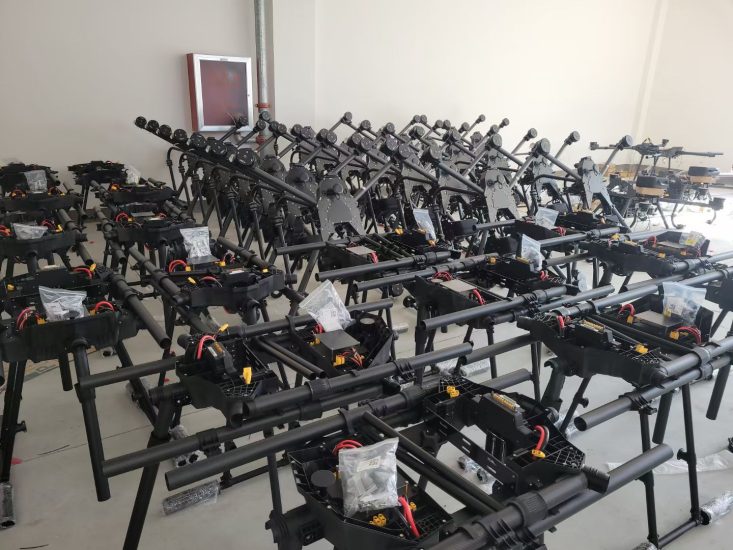
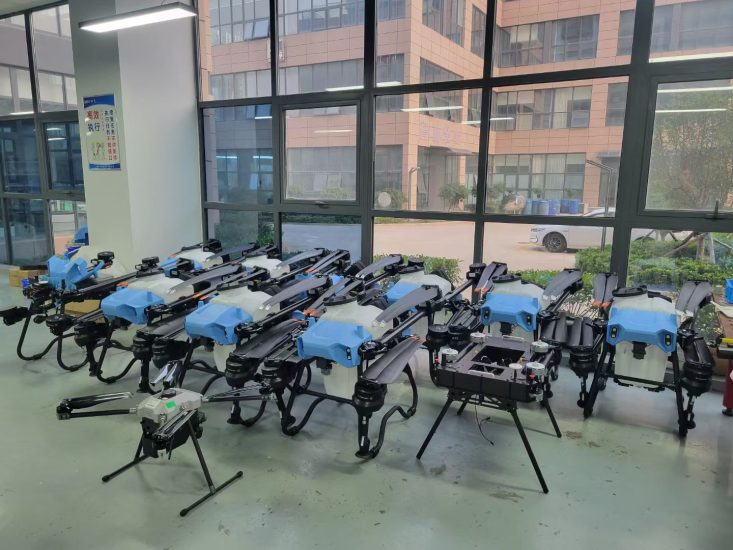
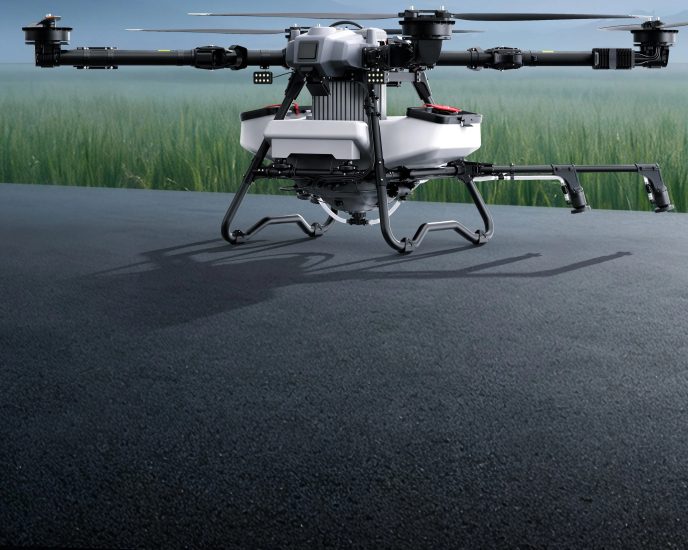
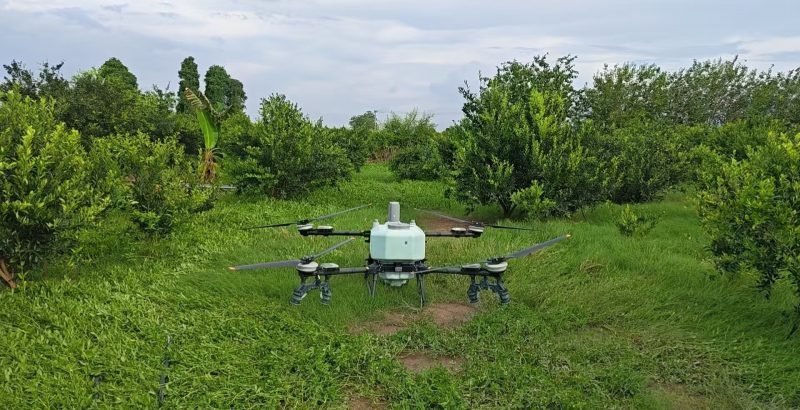


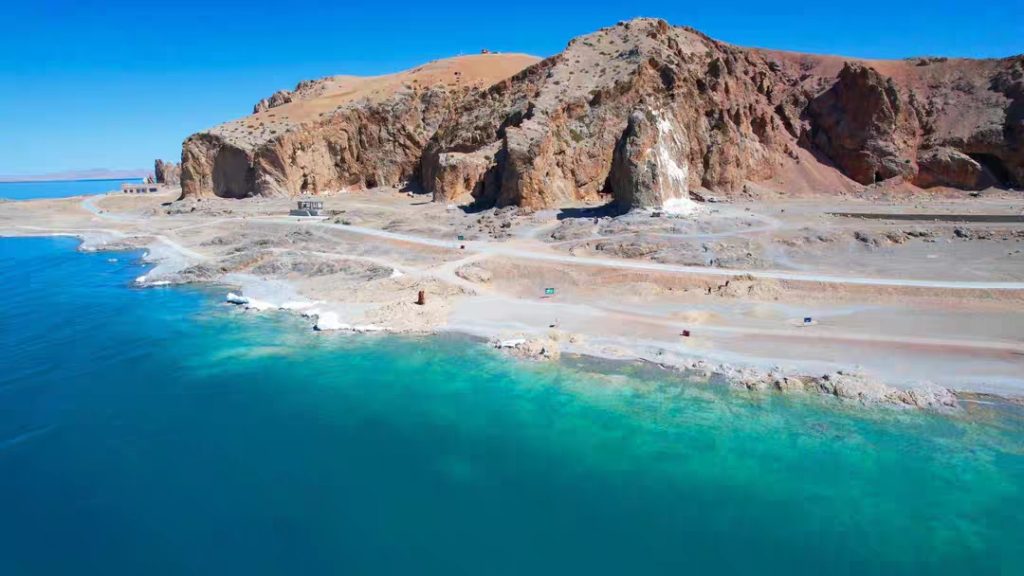

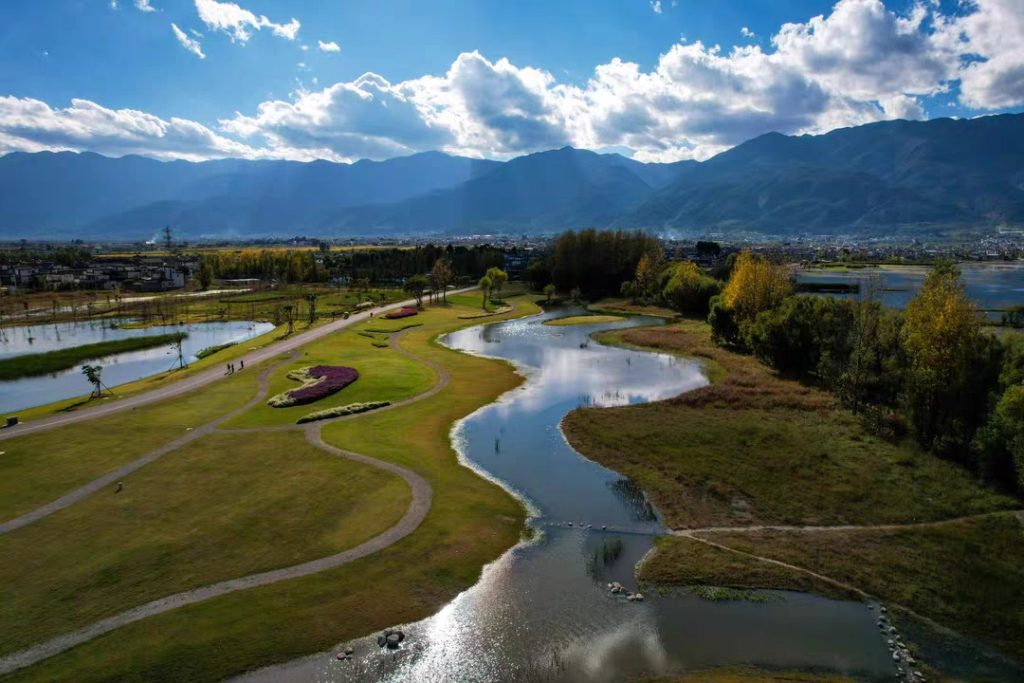 I recently used the MSOEN drone for aerial photography, and the experience exceeded my expectations. The drone is easy to set up and very beginner-friendly, yet it delivers impressive performance. Its flight stability is excellent, even in light wind, allowing me to capture smooth and clear aerial footage. The camera produces sharp images with natural colors, making landscapes and city views look vibrant and professional. GPS positioning works reliably, helping the drone hover steadily and return home safely. I also appreciated the intelligent flight modes, which made cinematic shots simple to achieve without advanced skills. Overall, MSOEN offers a reliable and enjoyable aerial photography experience. It is a great choice for travelers, content creators, and anyone who wants high-quality aerial shots without complicated operation.

Please log in to comment
Register