

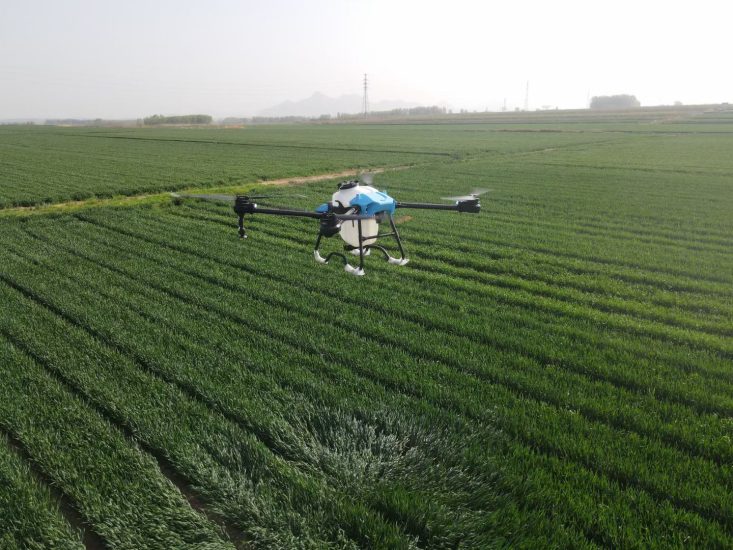
Choosing a reliable agricultural spraying drone manufacturer in China is an important decision for importers, distributors, agricultural equipment dealers, farming service companies, and businesses developing their own private-label drone brands.
The lowest quotation is not necessarily the best deal. An agricultural spraying drone is a complete system involving the aircraft, motors, batteries, flight controller, pump, nozzles, software, remote controller, and spare parts. If one part performs poorly, the efficiency and reliability of the entire system can be affected.
For international buyers, the right approach is to evaluate the manufacturer systematically before placing a large order.
1. Start With Your Target Market
Before contacting manufacturers, determine exactly where and how the drones will be used.
Important questions include:
- Which country will you sell in?
- What crops are your customers growing?
- What type of agricultural operations are required?
- Are customers farmers or agricultural service companies?
- What drone capacity is appropriate?
- How many units do you expect to purchase?
- Do you need OEM branding?
- What local regulations apply?
A manufacturer may offer an excellent product, but that product may not be the right fit for your market.
2. Identify the Right Drone Capacity
Commercial agricultural spraying drones come in different payload classes.
For many buyers, 20L and 30L models are two important configurations to compare.
20L Agricultural Spraying Drone
A 20L platform can provide a balance between payload capacity and aircraft size.
It may be appropriate for:
- Small and medium farms
- Agricultural service providers
- Equipment distributors
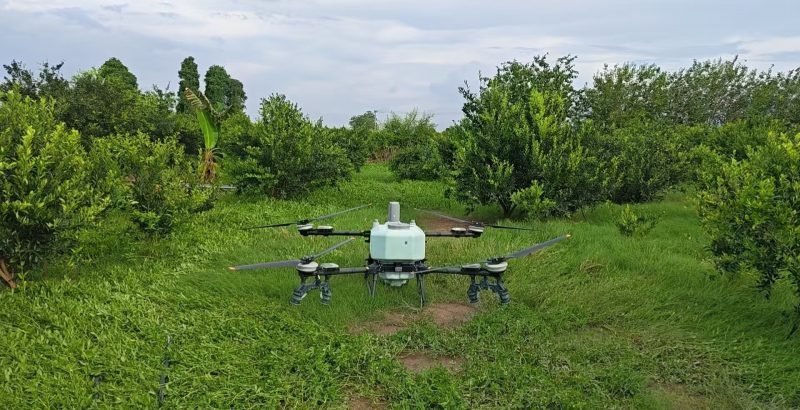
- Orchards
- Rice fields
- Vegetable farms
30L Agricultural Spraying Drone
A 30L model provides greater liquid capacity and may be more suitable for larger commercial operations.
However, increased payload also places greater demands on:
- Motors
- Battery
- Frame
- Flight controller
- Pump
Therefore, do not select a drone based only on tank capacity.
3. Check the Manufacturer’s Actual Production Capability
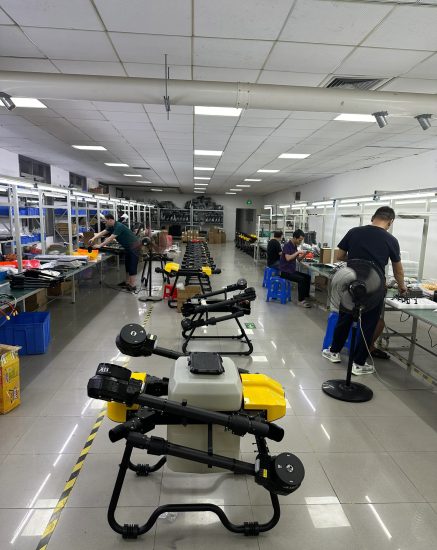
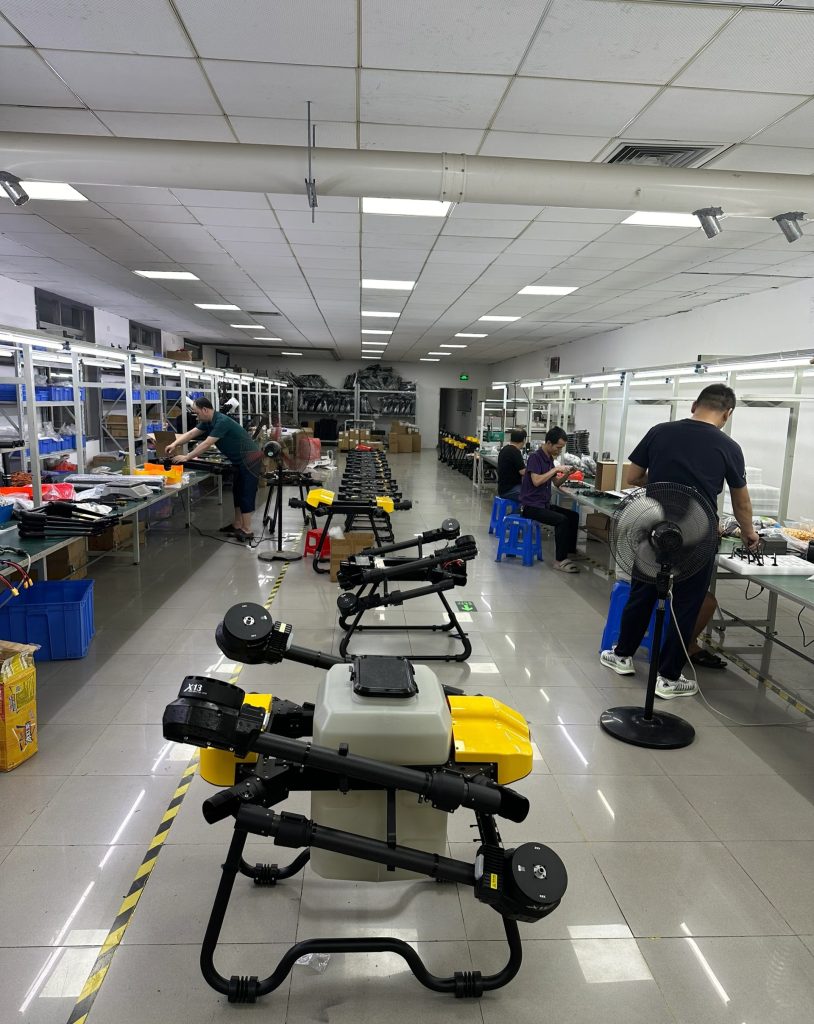
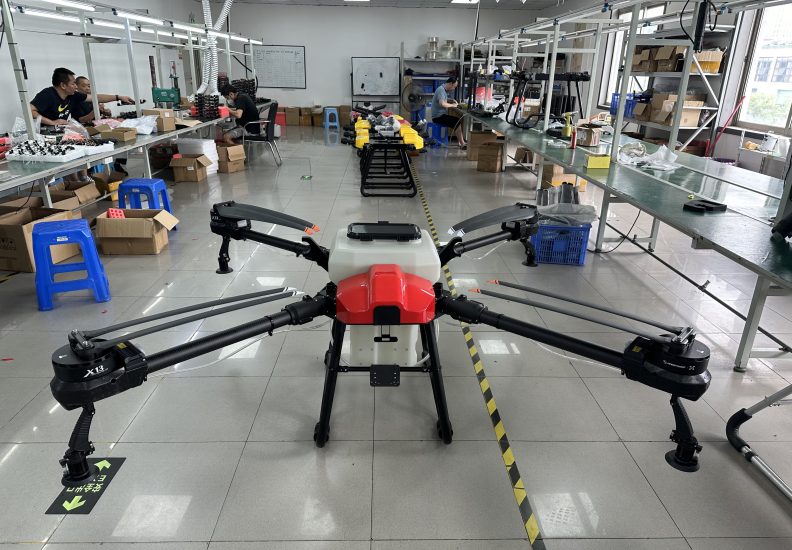
One of the first things a buyer should determine is whether the company is an actual manufacturer, a trading company, or a combination of both.
Ask for information about:
- Factory location
- Production facilities
- Assembly process
- Quality-control procedures
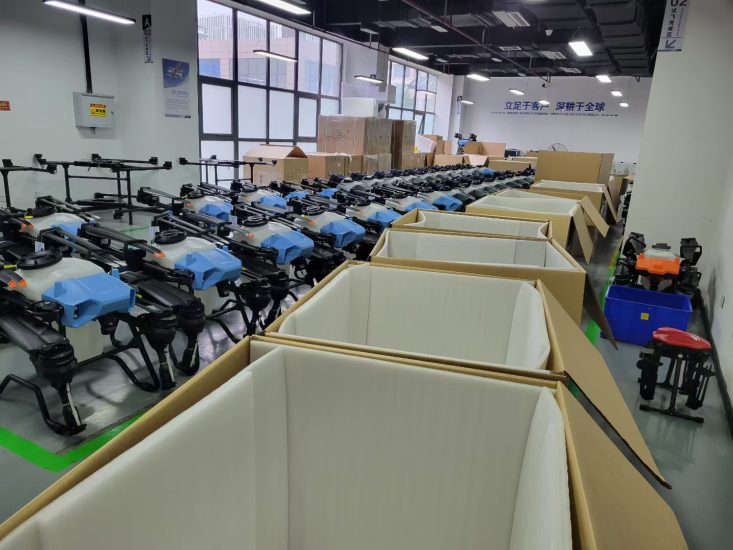
- Production capacity
- Product testing
- OEM experience
For small orders, a trading company may sometimes be acceptable. For long-term OEM or bulk cooperation, however, understanding the actual manufacturing arrangement is particularly important.
4. Examine the Complete Product Specification
A professional manufacturer should provide a detailed specification sheet.
Important parameters include:
Aircraft
- Dimensions
- Empty weight
- Maximum takeoff weight
- Recommended payload
- Motor configuration
- Propeller size
Spraying System
- Tank capacity
- Pump type
- Pump flow rate
- Number of nozzles
- Nozzle type
- Filter system
- Spray width
Battery
- Voltage
- Capacity
- Weight
- Charging time
- Cycle life
- Charger type
Flight System
- Positioning system
- Flight-control functions
- Remote-controller specifications
- Communication range
- Automatic flight functions
The more complete the technical information, the easier it is to compare suppliers accurately.
5. Do Not Trust Flight-Time Numbers Without Checking the Conditions
Flight time is one of the most frequently advertised specifications.
However, actual flight time depends on:
- Payload
- Battery condition
- Wind
- Temperature
- Flight speed
- Flight route
- Aircraft configuration
A manufacturer may quote a maximum flight time under ideal conditions.
Therefore, ask:
“What is the expected flight time with the normal operating payload?”
This provides a much more useful reference for commercial applications.
6. Evaluate the Spraying System
The aircraft itself is only one part of a crop spraying drone.
The spraying system should also be carefully evaluated.
A typical system is:
Tank → Filter → Pump → Pipe → Valve → Nozzle
Pump Performance
Ask for the pump’s:
- Flow rate
- Pressure
- Power consumption
- Control method
- Expected service life
Nozzle Performance
Ask about:
- Nozzle type
- Quantity
- Flow rate
- Spray pattern
- Replacement cost
Different agricultural applications can require different spraying parameters, so flexibility can be valuable.
7. Check Battery Quality and Charging
Battery performance can strongly influence the productivity of a commercial drone fleet.
Ask the manufacturer:
- What battery is included?
- What is the capacity?
- How long does charging take?
- How many cycles are expected?
- Is fast charging available?
- How much does a replacement battery cost?
- Is intelligent battery monitoring available?
For commercial operations, buyers should calculate the number of batteries needed to support the expected daily workload.
8. Request a Sample Before a Large Order
This is one of the most important steps.
Do not judge a manufacturer only by photographs, videos, or product brochures.
A sample can allow you to inspect:
Flight Performance
Check:
- Stability
- Control response
- Navigation
- Remote-controller operation
Spraying Performance
Check:
- Pump
- Nozzles
- Flow
- Pipes
- Filters
- Tank connections
Physical Construction
Inspect:
- Frame
- Motors
- Landing gear
- Connectors
- Battery compartment
- Wiring
Maintenance
Determine whether common components are easy to inspect and replace.
If the sample meets your requirements, it can become the reference specification for bulk production.
9. Ask About Quality Control
A reliable manufacturer should have a defined quality-control process.
Ask how the factory checks:
- Motors
- Propellers
- Batteries
- Pumps
- Nozzles
- Electronic systems
- Remote controllers
- Finished aircraft
For larger orders, buyers can also discuss:
- Sample approval
- Production inspection
- Pre-shipment inspection
- Batch testing
Quality control becomes especially important when purchasing dozens or hundreds of units.
10. Evaluate OEM Capability
If you plan to sell agricultural drones under your own brand, ask the manufacturer about OEM services.
Potential OEM options include:
- Logo
- Product labels
- Packaging
- User manuals
- Accessories
- Color
- Selected configurations
Before confirming an OEM project, clarify:
- MOQ
- Customization costs
- Artwork requirements
- Sample approval
- Production lead time
Do not assume that every manufacturer can provide the same level of customization.
11. Understand ODM Capabilities
ODM can be useful for established distributors with more advanced product requirements.
Instead of simply adding a logo to an existing product, ODM cooperation may involve customized product design or selected technical features.
Possible areas include:
- Hardware
- Software
- Appearance
- Accessories
- Control interface
- Product configuration
ODM projects normally require clearer technical specifications and a higher level of communication between the buyer and manufacturer.
12. Check Spare Parts Availability
A reliable agricultural drone supplier should be able to support replacement components.
Common spare parts include:
- Motors
- Propellers
- Pumps
- Nozzles
- Filters
- Pipes
- Valves
- Landing gear
- Batteries
- Chargers
- Electronic components
Before ordering, request a spare-parts catalog and recommended inventory list.
For distributors, maintaining critical spare parts locally can reduce customer downtime.
13. Ask About Warranty
Never assume that all suppliers provide the same warranty.
Ask for the warranty terms in writing.
Clarify:
- Warranty period
- Covered components
- Excluded damage
- Replacement policy
- Shipping responsibility
- Technical support
- Repair procedure
A clear warranty policy can prevent disputes after delivery.
14. Evaluate Technical Support
Agricultural drones contain multiple interconnected systems.
When an aircraft experiences a problem, the distributor may need technical assistance.
Ask whether the manufacturer provides:
- User manuals
- Installation instructions
- Troubleshooting guides
- Training videos
- Remote technical support
- Spare-parts guidance
For international buyers, communication speed can be particularly important during agricultural seasons.
15. Compare Total Cost Instead of Unit Price
Suppose Supplier A offers a drone for $5,000 and Supplier B offers one for $5,400.
It may initially appear that Supplier A is cheaper.
But the comparison should include:
Drone + Batteries + Charger + Spare Parts + Shipping + Maintenance + Warranty + Technical Support
If Supplier B provides better batteries, more spare parts, stronger warranty support, and more reliable technical assistance, its total cost of ownership may be more attractive.
This is why professional buyers should compare complete quotations.
16. Check Production Lead Time
Agricultural demand can be seasonal.
If your customers need drones before a specific planting or crop-protection period, delayed delivery can reduce the value of the equipment.
Ask the manufacturer:
- What is the normal lead time?
- What is the lead time for OEM orders?
- Can production capacity increase for larger orders?
- How are urgent orders handled?
For recurring orders, establishing a production schedule in advance can help.
17. Confirm International Shipping Requirements
Agricultural drones often contain lithium batteries.
Shipping requirements may therefore depend on:
- Battery type
- Battery quantity
- Shipping method
- Destination
- Carrier requirements
Before placing an order, confirm:
- Packaging
- Battery documentation
- Shipping method
- Export documents
- Import requirements
Do not wait until the products are ready for shipment to discover that a particular transportation method is unavailable.
18. Verify Destination-Country Regulations
This is particularly important for agricultural spraying drones.
The requirements for importing a drone may differ from the requirements for operating it.
Depending on the country, regulations may cover:
- Drone registration
- Operator licensing
- Flight restrictions
- Radio equipment
- Agricultural spraying
- Pesticide application
- Insurance
- Import certification
The buyer should verify current requirements with the relevant local authorities before commercial deployment.
19. Ask These Questions Before Ordering
A serious buyer can send the manufacturer a structured RFQ.
Product
- What models do you manufacture?
- What tank capacities are available?
- What is the recommended payload?
- What is the maximum takeoff weight?
- What is the practical operating flight time?
Spraying
- What pump is used?
- What is the pump flow rate?
- What nozzle configuration is included?
- What is the recommended operating width?
Battery
- What battery is included?
- How long does charging take?
- How many batteries are recommended per drone?
OEM
- Can you add our logo?
- Can you customize packaging?
- What is the OEM MOQ?
- What is the OEM production lead time?
Commercial
- What is the wholesale price?
- What is the MOQ?
- What are the payment terms?
- What is the warranty?
- Can you supply spare parts?
These questions can quickly separate suitable suppliers from suppliers that are not prepared for long-term international cooperation.
20. Red Flags to Watch For
Buyers should be cautious when a supplier:
- Refuses to provide detailed specifications
- Cannot clearly explain the manufacturing process
- Gives inconsistent technical information
- Offers an unusually low price without explanation
- Cannot provide spare-parts information
- Avoids discussing warranty terms
- Cannot explain production lead times
- Refuses sample testing
- Makes unrealistic performance claims
One warning sign alone does not necessarily mean a supplier is unreliable, but multiple issues should encourage additional verification.
21. A Practical Supplier Evaluation Scorecard
Before choosing a manufacturer, buyers can score suppliers based on:
| Category | Importance |
|---|---|
| Product quality | High |
| Flight performance | High |
| Spraying system | High |
| Battery performance | High |
| Factory capability | High |
| OEM capability | Medium–High |
| Spare parts | High |
| Technical support | High |
| Warranty | High |
| Price | Medium |
| Production lead time | High |
| Shipping support | Medium–High |
This approach prevents the purchasing decision from being dominated by price alone.
FAQ
How do I know whether a Chinese agricultural drone supplier is reliable?
Request detailed product specifications, factory information, samples, quality-control information, warranty terms, spare-parts information, and references or evidence of previous manufacturing experience. Most importantly, test the product before committing to a large order.
Should I buy directly from a factory?
For wholesale, OEM, and long-term distribution, factory-direct purchasing can provide more direct communication and potentially better commercial terms. However, the actual manufacturing relationship should be verified.
What should I test on an agricultural spraying drone?
Test flight stability, battery performance, remote control, pump operation, nozzles, liquid flow, tank connections, physical construction, and maintenance accessibility.
Is a 20L or 30L agricultural drone better?
Neither is universally better. The appropriate capacity depends on the target crops, field conditions, operating model, battery system, regulations, and customer requirements.
Can I order a private-label agricultural drone?
Yes, many Chinese manufacturers offer OEM services. Confirm MOQ, logo requirements, packaging, manuals, sample approval, and lead time before starting production.
How important are spare parts?
Very important for commercial operations. A reliable spare-parts supply can reduce downtime and help distributors provide better after-sales service.
What is the biggest mistake when choosing a supplier?
Choosing based only on the lowest unit price. A professional purchasing decision should consider product quality, battery costs, spare parts, warranty, technical support, production consistency, and total cost of ownership.
Conclusion
Choosing a reliable agricultural spraying drone manufacturer in China requires a structured evaluation process.
Do not make the decision based solely on a product photograph, advertised flight time, tank capacity, or the lowest quotation.
A better sourcing process is:
Define Market → Compare Manufacturers → Check Specifications → Test Sample → Verify Factory → Confirm OEM → Review Warranty → Prepare Spare Parts → Confirm Regulations → Place Bulk Order
For importers, distributors, and agricultural service companies, the ideal manufacturer is one that can provide stable product quality, reliable spraying performance, consistent bulk production, OEM/ODM capabilities, spare parts, technical support, and long-term cooperation.
That combination is much more valuable than simply finding the cheapest agricultural spraying drone in China.


No comments yet