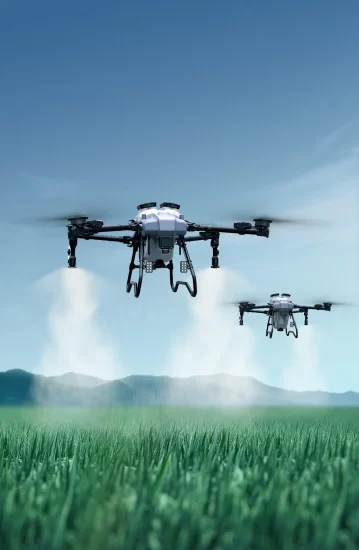


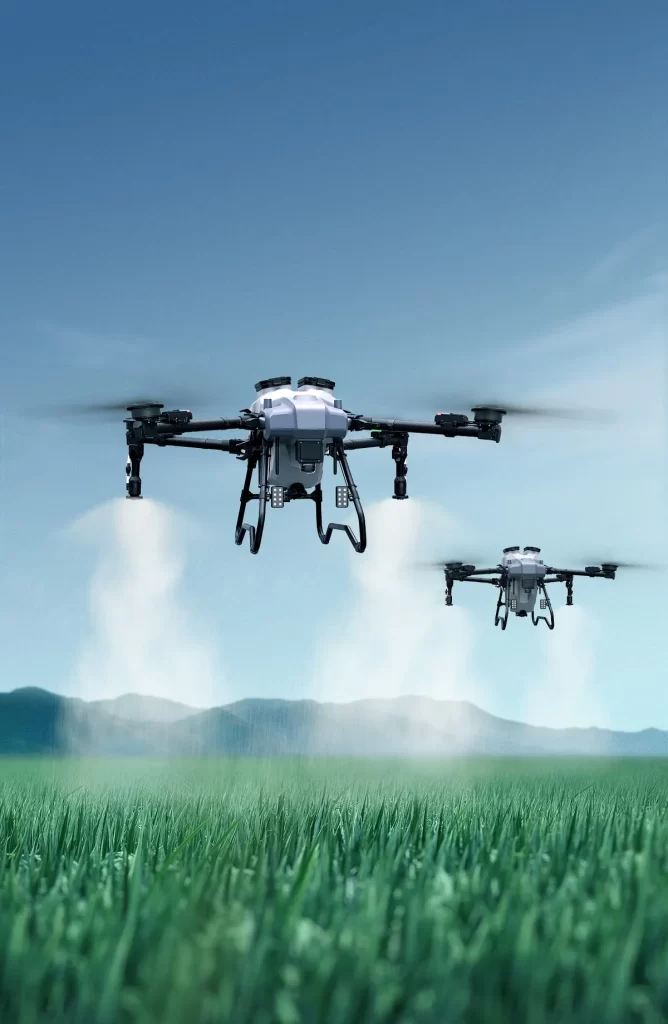
Choosing an agricultural spraying drone manufacturer in China is an important decision for farmers, agricultural service providers, distributors, importers, and commercial farming businesses.
The market contains many different drone configurations, and the cheapest model is not necessarily the most suitable one. A professional buyer needs to evaluate the spraying system, flight stability, payload, battery performance, navigation, operational efficiency, spare parts, technical support, customization capability, and long-term service.
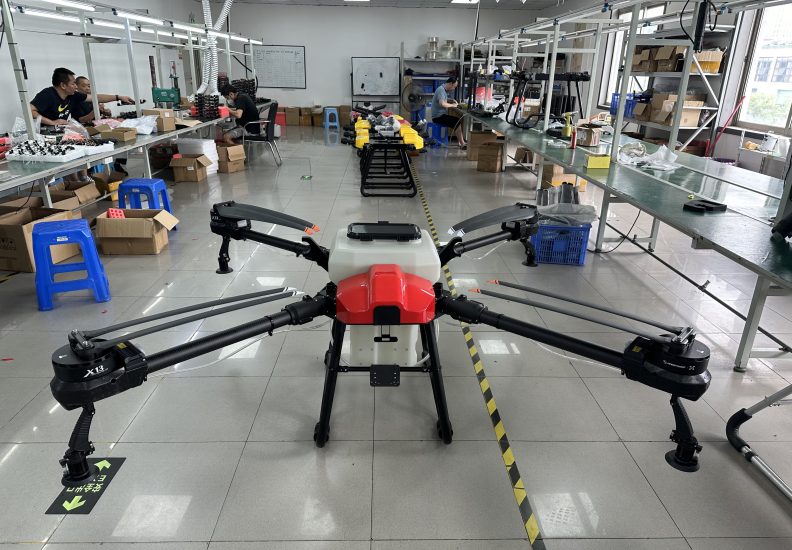
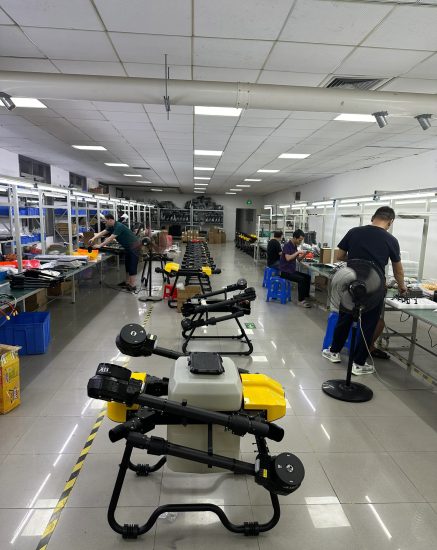
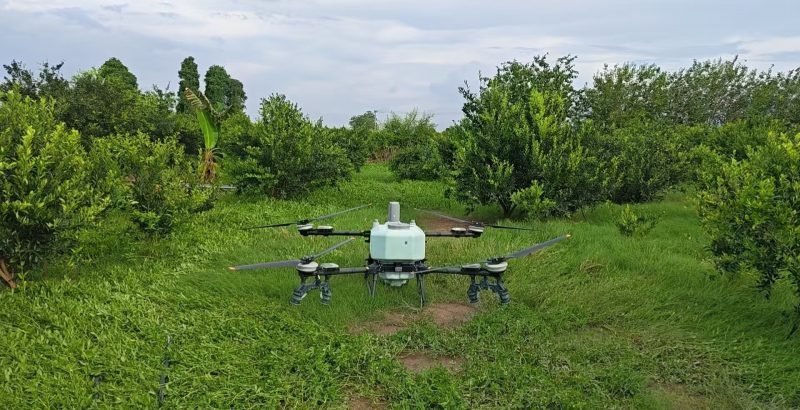
MSOEN is a Chinese UAV manufacturer providing agricultural spraying drones and other professional drone solutions for global customers. Its agricultural UAV products are designed for crop spraying, liquid fertilizer application, precision agriculture, orchards, plantations, rice fields, and other agricultural applications.
For product information and manufacturer communication, buyers can visit www.msoen.com.
1. Start With Your Actual Agricultural Application
The first step is not choosing a drone model. It is determining what you actually need the drone to do.
Different agricultural operations have different requirements.
For example:
- Rice fields may require efficient coverage over relatively open terrain.
- Corn and wheat fields may require consistent route planning and spraying.
- Orchards may require different flight heights and spraying strategies.
- Plantations may involve slopes and irregular terrain.
- Vegetable farms may require careful control of application rates.
- Large agricultural service companies may prioritize daily operating efficiency.
Therefore, a professional manufacturer should first understand the customer’s application before recommending a configuration.
MSOEN’s agricultural drone solutions are intended for applications including crop spraying, pesticide application, fertilizer spraying and precision farming.
2. Check the Spraying Capacity
Tank capacity is one of the first specifications buyers normally compare.
Common agricultural spraying drone configurations can include different tank sizes, allowing users to select a suitable payload according to their operation.
MSOEN has published agricultural spraying drone configurations including 10L, 16L, 20L and 30L options, although the exact available configuration should be confirmed for the model being purchased.
A larger tank can reduce the number of refills required, but it also increases the aircraft’s payload.
This means buyers should consider the complete operating system rather than simply choosing the largest tank.
Questions to ask the manufacturer
Before ordering, ask:
- What is the nominal tank capacity?
- What is the recommended working payload?
- What is the maximum takeoff weight?
- How does payload affect flight time?
- What is the recommended operating speed?
- How much liquid can realistically be applied per flight?
These details provide a much more useful basis for comparison.
3. Evaluate the Spraying System
The spraying system directly affects application consistency.
Important components include:
- Pump
- Nozzles
- Filters
- Pipes
- Flow-control system
- Spray tank
- Spray boom or nozzle arrangement
A good drone should allow the operator to control spraying parameters according to the crop and application requirements.
MSOEN describes its agricultural drones as supporting adjustable spray flow control and high-efficiency spraying systems.
However, buyers should not assume that a particular spraying parameter is suitable for every agricultural chemical.
The correct application rate, droplet characteristics and operating conditions must be determined according to the agricultural product’s label, crop requirements and applicable local regulations.
4. Look at Flight Control and Navigation
A spraying drone is not simply a flying tank.
It needs to maintain a controlled flight path while carrying liquid and operating close to crops.
Important functions may include:
- GPS navigation
- Automatic route planning
- Return-to-home
- Breakpoint or route memory
- Altitude control
- Terrain-following functions
- Obstacle detection
- Remote monitoring
MSOEN’s published agricultural drone information includes GPS automatic flight, terrain-following radar, breakpoint memory and automatic return functions on certain configurations.
Buyers should confirm exactly which functions are included with the model they are considering rather than assuming every feature is standard.
5. Consider Terrain and Crop Conditions
A drone that works well in an open rice field may require different settings when operating in an orchard or hilly plantation.
Terrain affects:
- Flight altitude
- Navigation
- Battery consumption
- Spray distribution
- Operator visibility
- Safety margins
For example, agricultural operations in Indonesia can include rice fields, plantations and uneven terrain. MSOEN has specifically discussed agricultural drone applications for Indonesian farming environments.
Before purchasing, tell the manufacturer:
Crop + field size + terrain + expected daily workload + application type.
This information is more useful than simply saying, “I need a 20L drone.”
6. Do Not Judge the Drone Only by Advertised Flight Time
Flight time is an important specification, but the advertised maximum flight time may not represent actual spraying conditions.
Actual flight duration can change according to:
- Payload
- Wind
- Temperature
- Battery condition
- Flight speed
- Flight altitude
- Terrain
- Takeoff and landing frequency
A drone carrying a full tank generally has different energy requirements from an aircraft flying without payload.
Therefore, when comparing two manufacturers, ask for operating data under a realistic payload.
A better question
Instead of asking:
“How many minutes can it fly?”
Ask:
“How long can it operate under the recommended spraying payload and normal field conditions?”
This provides a much more meaningful comparison.
7. Battery Performance Is Critical
For commercial spraying operations, battery management can have a major effect on productivity.
Important battery factors include:
- Battery capacity
- Charging time
- Charging equipment
- Battery cycle life
- Battery weight
- Operating temperature
- Battery monitoring
- Replacement cost
A drone may have excellent flight performance, but if batteries take too long to recharge, the aircraft may spend too much time waiting between operations.
Therefore, buyers should evaluate the entire battery system.
MSOEN also provides information on agricultural drone batteries and battery maintenance as part of its drone product resources.
8. Examine the Complete Operating Cycle
Real agricultural productivity is not determined by flight speed alone.
A typical spraying cycle includes:
Battery preparation → Liquid filling → Takeoff → Flight → Spraying → Landing → Battery replacement → Refilling → Takeoff
If the drone spends too much time waiting for batteries or liquid refilling, theoretical flight efficiency does not necessarily translate into higher daily productivity.
For commercial operators, it is therefore important to calculate:
Daily working area = actual spraying efficiency × available working time
The result will vary according to field conditions and operating procedures.
9. Ask About Spare Parts
A professional agricultural drone is a working machine, not simply a consumer electronic product.
During regular operation, components may eventually need replacement.
Potential spare parts include:
- Propellers
- Motors
- Pumps
- Nozzles
- Filters
- Pipes
- Batteries
- Chargers
- Landing components
- Electronic modules
Before purchasing, ask the manufacturer:
- Which spare parts are normally recommended?
- Are spare parts available separately?
- How long are commonly used components supported?
- Can spare parts be shipped internationally?
- Are maintenance instructions available?
For overseas agricultural service companies, spare-parts availability can be just as important as the initial purchase price.
10. Evaluate Technical Support
A professional manufacturer should be able to provide technical information that helps customers operate and maintain the equipment.
Useful support may include:
- User manuals
- Operation instructions
- Maintenance instructions
- Product specifications
- Troubleshooting guidance
- Spare-parts information
- Remote technical assistance
- Operator training
MSOEN states that it provides technical support and works with customers on agricultural and other UAV applications.
For international buyers, communication after delivery is particularly important.
11. Ask About OEM and ODM Capability
If you are a distributor or agricultural equipment importer, you may not want to sell a completely standard product.
You may require:
- Custom logo
- Custom packaging
- Customized manuals
- Different accessories
- Specific drone configurations
- Market-specific requirements
- Customized hardware or software
MSOEN provides OEM and ODM customization support for drone projects, according to its published manufacturer information.
However, customization requirements should be discussed before placing an order because MOQ, development time, engineering requirements and certification requirements can vary.
12. Check Export and Target-Market Requirements
Buying a drone from China and legally operating it in another country are two different issues.
Before importing, buyers should investigate the regulations of the destination market.
Depending on the country, requirements may involve:
- UAV registration
- Remote pilot requirements
- Radio-frequency regulations
- Import documentation
- Product certifications
- Agricultural application rules
- Chemical-use regulations
- Insurance
- Operating-area restrictions
The manufacturer can provide product documentation, but the buyer should verify local legal requirements before commercial operation.
13. Compare Manufacturers Using Total Cost
The lowest purchase price does not necessarily mean the lowest operating cost.
A professional comparison should include:
| Cost Factor | What to Evaluate |
|---|---|
| Drone | Aircraft and standard equipment |
| Battery | Quantity, capacity and replacement cost |
| Charger | Charging capacity and charging time |
| Spraying system | Pumps, nozzles and filters |
| Spare parts | Frequently replaced components |
| Shipping | Air or sea transportation |
| Import | Duties, taxes and local charges |
| Maintenance | Long-term maintenance requirements |
| Training | Operator training and technical support |
This approach gives buyers a better understanding of the real cost of ownership.
14. Questions to Ask MSOEN Before Buying
If you are contacting MSOEN for an agricultural spraying drone quotation, prepare the following information:
About your farm
- What crop do you grow?
- How many hectares or acres?
- Is the land flat or mountainous?
- Are you operating in open fields or orchards?
About the spraying operation
- What liquid application are you planning?
- What daily area do you want to cover?
- How frequently will the drone operate?
- What spray capacity do you prefer?
About the business
- Are you buying for your own farm?
- Are you an agricultural service provider?
- Are you a distributor?
- Do you need OEM branding?
The more complete the information, the easier it is to recommend a practical configuration.
15. Why Choose MSOEN as Your China Agricultural Drone Manufacturer?
MSOEN focuses on UAV manufacturing and provides agricultural drone solutions for professional applications.
Its published product and company information covers:
- Agricultural spraying drones
- Fertilizer spreading drones
- Aerial imaging drones
- Mapping drones
- Industrial UAV applications
- Customized UAV projects
- OEM and ODM services
The company describes its goal as providing practical UAV solutions for farms, businesses, professional operators and global customers.
For agricultural buyers, the key advantage is not simply having a drone manufacturer in China. The more important question is whether the manufacturer can provide a complete solution matching the customer’s crop, terrain, workload and target market.
Frequently Asked Questions
How do I choose an agricultural spraying drone manufacturer in China?
Start by comparing manufacturing capability, spraying performance, flight-control functions, battery systems, spare parts, technical support, customization options and export experience. Do not compare manufacturers based only on price.
What size agricultural spraying drone should I buy?
The correct size depends on your crop, field area, terrain, required daily workload and operating method. A larger tank is not automatically the best option.
Is a 20L agricultural spraying drone suitable for large farms?
It can be suitable for many agricultural operations, but the answer depends on field size, refill infrastructure, battery availability, flight conditions and required daily productivity.
Can MSOEN spraying drones be used for orchards?
Yes. Agricultural spraying drones can be used for orchard applications, but the appropriate configuration and operating parameters should be selected according to tree height, canopy density, terrain and local conditions.
Can MSOEN provide OEM agricultural drones?
MSOEN states that it supports OEM and ODM drone customization. Specific customization options, MOQ and development requirements should be confirmed for each project.
Can I import MSOEN agricultural drones from China?
International buyers can contact MSOEN to discuss products and export requirements. However, buyers should independently verify the UAV and agricultural regulations applicable in their destination country.
How can I request an MSOEN quotation?
Visit www.msoen.com and provide your crop type, farm area, target country, required quantity and preferred specifications. These details allow the appropriate agricultural spraying drone configuration to be evaluated.
Conclusion
Choosing a professional agricultural spraying drone manufacturer in China should be based on actual agricultural performance rather than advertising claims or purchase price alone.
A good purchasing decision considers the entire system:
Drone + spraying system + battery + navigation + spare parts + technical support + local compliance.
MSOEN provides agricultural spraying drone solutions for farmers, agricultural service providers, distributors and international buyers, with options covering different agricultural applications and customized UAV requirements.
If you are looking for a Chinese agricultural spraying drone manufacturer, you can visit www.msoen.com to review MSOEN’s agricultural drone solutions and contact the manufacturer for model specifications, pricing and OEM/ODM requirements.


No comments yet