



Introduction
Exploration has always pushed human curiosity to new limits. From mountain ranges and deep forests to remote deserts and coastlines, exploring the natural world requires reliable tools and innovative technology. In recent years, long range FPV drones have become one of the most powerful tools for exploration and aerial observation.
FPV stands for “First Person View,” meaning the pilot can see live video from the drone’s camera while flying. This immersive flight experience allows operators to navigate difficult environments and capture stunning aerial perspectives that were once impossible to obtain.
For explorers, filmmakers, researchers, and outdoor adventurers, choosing the right long range FPV drone is essential. A well-designed drone can provide stable flight, extended transmission distance, and high-quality video recording. Understanding the key features and performance factors will help you select the best FPV drone for exploration missions.
This guide explains the most important aspects to consider when choosing a long range FPV drone, ensuring that your aerial exploration experience is both safe and successful.
What Is a Long Range FPV Drone?
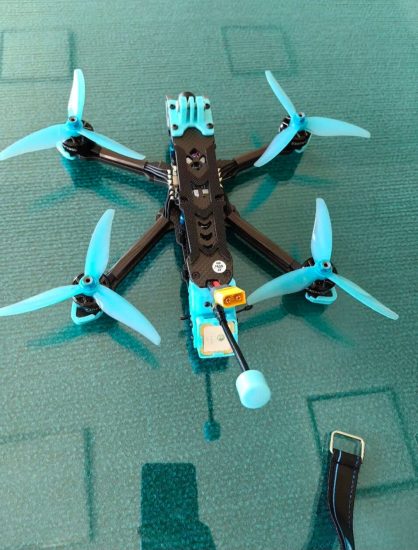
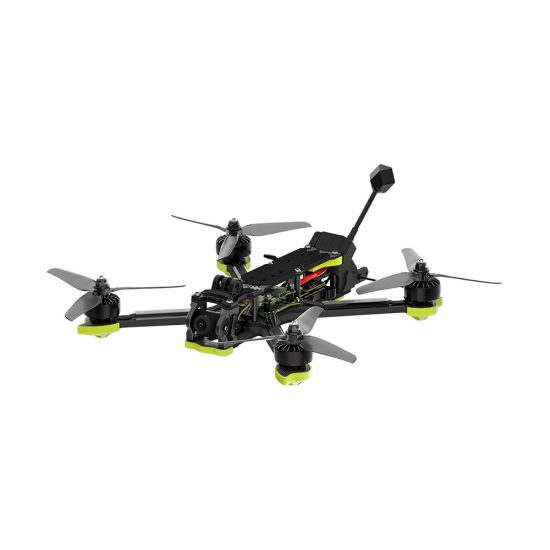
A long range FPV drone is a type of unmanned aerial vehicle designed to fly extended distances while transmitting real-time video back to the pilot. Unlike traditional camera drones that rely heavily on automated flight systems, FPV drones allow pilots to manually control flight movements with high precision.
The pilot typically wears FPV goggles or watches a live display that shows the drone’s camera view. This direct visual feedback creates a feeling of actually sitting inside the aircraft.
Long range FPV drones are commonly used for:
- Mountain exploration
- Outdoor adventure filming
- Landscape photography
- Environmental observation
- Industrial inspection
- Scientific research
Because of their flexibility and performance, FPV drones have become increasingly popular among professional pilots and exploration enthusiasts.
Key Factors When Choosing a Long Range FPV Drone
Selecting the right drone requires understanding the technical features that affect performance. Several important factors determine whether a drone is suitable for exploration missions.
Flight Range and Signal Transmission
The most important characteristic of a long range FPV drone is its transmission distance. Reliable communication between the drone and the remote controller ensures safe flight and continuous video feedback.
High-quality transmission systems allow drones to fly several kilometers while maintaining stable control signals. For exploration missions in large natural environments, extended range is essential.
Strong signal stability also helps prevent connection loss, which is especially important when flying in mountainous areas or remote landscapes.
Camera Quality and Video Resolution
Exploration often involves capturing beautiful scenery or documenting natural environments. Therefore, camera quality plays a crucial role.
Many FPV drones support high-definition or 4K cameras, which provide clear and detailed video footage. A high-quality camera allows explorers to record professional aerial videos and stunning landscape images.
Wide-angle lenses are also beneficial for capturing large panoramic views of mountains, valleys, and forests.
Flight Stability and Control System
Stable flight performance is critical for safe exploration. Wind conditions, uneven terrain, and obstacles can affect drone stability.
A good FPV drone should include an advanced flight control system that helps maintain balance and responsiveness during flight. Precise control allows pilots to navigate narrow spaces, fly through valleys, and maintain smooth camera movement.
Reliable flight controllers also help reduce vibration and improve video stability.
Battery Life and Flight Time
Exploration missions often require long flight durations. A drone with limited battery life may not provide enough time to fully explore a location.
High-capacity batteries combined with efficient motors help extend flight time. Longer flight time allows pilots to travel farther distances and capture more footage during a single mission.
Battery efficiency is especially important for long range drones operating in remote environments.
Frame Durability and Structural Design
Exploration environments can be challenging. Strong winds, uneven terrain, and unexpected obstacles require a durable drone structure.
Most high-performance FPV drones use lightweight carbon fiber frames. This material offers excellent strength while keeping the drone lightweight.
A strong frame also protects important components such as motors, electronic controllers, and cameras during difficult flights.
Benefits of Using FPV Drones for Exploration
Long range FPV drones offer several advantages that make them ideal tools for exploration.
Access to Remote Locations
Many natural environments are difficult to access by foot or vehicle. FPV drones can easily fly over mountains, rivers, forests, and cliffs.
This allows explorers to observe areas that would otherwise remain unreachable.
Real-Time Observation
The first-person view system provides live video feedback. Pilots can observe landscapes and environmental conditions in real time.
This is especially useful for scouting routes, monitoring wildlife habitats, or studying geographical features.
High Speed and Flexibility
FPV drones are known for their speed and agility. They can quickly travel across large areas and change direction easily.
This flexibility makes them perfect for dynamic exploration missions where quick movement is required.
Unique Aerial Perspectives
Exploration footage captured by FPV drones often looks dramatic and immersive. Smooth flight movements combined with wide-angle cameras create cinematic aerial shots that showcase the beauty of natural landscapes.
Applications of Long Range FPV Drones in Exploration
Explorers from many different industries use FPV drones for various purposes.
Mountain Exploration
FPV drones can fly through mountain valleys, cliffs, and high-altitude landscapes. They provide breathtaking aerial views while helping explorers study terrain features.
Forest and Wildlife Observation
Environmental researchers often use drones to monitor wildlife populations and forest ecosystems. Drones allow observation without disturbing animals.
Coastal and Ocean Exploration
FPV drones can capture dramatic footage of coastlines, cliffs, and ocean waves. They are also useful for monitoring environmental changes along coastal regions.
Adventure Travel Filming
Outdoor adventure filmmakers frequently rely on FPV drones to record exciting travel experiences. From hiking expeditions to extreme sports, drones provide engaging aerial visuals.
Tips for Safe Exploration Flights
Operating a long range FPV drone requires careful planning and safety awareness.
Check Weather Conditions
Wind, rain, and poor visibility can affect flight performance. Always check weather forecasts before launching the drone.
Plan Your Flight Path
Before flying, identify safe routes and avoid areas with dense obstacles or signal interference.
Monitor Battery Levels
Keep track of battery power to ensure the drone can safely return before energy runs out.
Maintain Visual Awareness
Even though FPV goggles provide immersive control, maintaining situational awareness of the surrounding environment is important.
The Future of Exploration with FPV Drone Technology
Drone technology continues to evolve rapidly. New innovations are improving flight stability, camera quality, and navigation systems.
Future exploration drones may include features such as:
- AI-assisted navigation
- Advanced obstacle avoidance
- Ultra-long battery life
- Autonomous flight planning
- High-resolution cinematic cameras
These improvements will make aerial exploration safer, easier, and more efficient.
Conclusion
Choosing the right long range FPV drone for exploration requires careful consideration of several factors, including flight range, camera quality, battery life, and structural durability.
A well-designed FPV drone allows explorers to travel farther, capture stunning aerial footage, and study remote environments from a completely new perspective.
As drone technology continues to advance, FPV UAV systems will play an increasingly important role in outdoor exploration, scientific research, and aerial cinematography.
For anyone passionate about discovering new landscapes and documenting the beauty of the natural world, a long range FPV drone is an invaluable tool.
FAQ
What is the main advantage of a long range FPV drone?
The main advantage is the ability to fly long distances while receiving real-time video feedback, allowing pilots to explore large areas with precise control.
Can FPV drones be used for landscape photography?
Yes. Many FPV drones support HD or 4K cameras, making them excellent tools for capturing high-quality landscape photos and videos.
Are FPV drones suitable for beginners?
Some FPV drones require practice to master manual flight control. Beginners should start with basic training and gradually improve their flying skills.
How far can a long range FPV drone fly?
Depending on the transmission system and environmental conditions, long range FPV drones can travel several kilometers while maintaining stable control.



No comments yet