

![Image [1]-How to Choose a High Performance FPV Racing Drone-msoen](https://www.msoen.com/wp-content/uploads/2026/03/20260312061408201-1000021267-1024x768.jpg)
![Image [2]-How to Choose a High Performance FPV Racing Drone-msoen](https://www.msoen.com/wp-content/uploads/2026/03/20260312061408755-1000021266-768x1024.jpg)
![Image [3]-How to Choose a High Performance FPV Racing Drone-msoen](https://www.msoen.com/wp-content/uploads/2026/03/20260312061409589-1000021268-768x1024.jpg)
![Image [4]-How to Choose a High Performance FPV Racing Drone-msoen](https://www.msoen.com/wp-content/uploads/2026/03/20260312061426483-1000021264-1024x1024.jpg)
![Image [5]-How to Choose a High Performance FPV Racing Drone-msoen](https://www.msoen.com/wp-content/uploads/2026/03/20260312061426777-1000021263-1024x1024.jpg)
![Image [6]-How to Choose a High Performance FPV Racing Drone-msoen](https://www.msoen.com/wp-content/uploads/2026/03/20260312061518363-1000021249-576x1024.jpg)
![Image [7]-How to Choose a High Performance FPV Racing Drone-msoen](https://www.msoen.com/wp-content/uploads/2026/03/20260312061517543-1000021254-1024x576.jpg)
![Image [8]-How to Choose a High Performance FPV Racing Drone-msoen](https://www.msoen.com/wp-content/uploads/2026/03/20260312061519935-1000021247-768x1024.jpg)
📦 Quick Introduction
FPV racing drones have become one of the most exciting and fast-growing segments of the drone industry. Unlike standard camera drones, FPV racing drones are designed for extreme speed, agility, and precision. Pilots control the drone using real-time video transmitted directly from the onboard camera, creating an immersive first-person flight experience.
Choosing a high performance FPV racing drone can be challenging, especially with the wide range of options available in 2026. Beginners and professional pilots must consider several important factors such as frame design, motor power, flight controller technology, video transmission stability, and overall durability.
This guide will help you understand how to select the right FPV racing drone for speed, performance, and reliability while ensuring an exciting and safe flying experience.
What Is an FPV Racing Drone?
An FPV racing drone is a lightweight and high-speed drone designed specifically for competitive racing and freestyle flying. These drones are built to accelerate quickly, make sharp turns, and navigate complex race tracks with precision.
The pilot views the drone’s camera feed through FPV goggles or a monitor, which provides a real-time perspective from the drone itself. This perspective allows pilots to fly with incredible control and accuracy.
FPV racing drones are commonly used in:
🏁 Drone racing competitions
🎮 Freestyle aerial maneuvers
🎥 Dynamic cinematic shots
⚡ High-speed recreational flying
Because of their performance capabilities, FPV racing drones require powerful components and careful design.
Why FPV Drone Racing Is Growing Worldwide
Drone racing has evolved into a global sport with thousands of enthusiasts and professional pilots. Several factors have contributed to its popularity.
Exciting High-Speed Flight
FPV racing drones can reach very high speeds and perform aggressive maneuvers that traditional drones cannot achieve.
This thrilling flying style attracts pilots who enjoy fast action and technical control.
Competitive Drone Racing Events
Many drone racing competitions are held worldwide, where pilots compete by flying through obstacle courses at high speed.
These events encourage innovation in drone technology and design.
Expanding FPV Community
Online communities and local drone clubs allow pilots to share knowledge, tips, and new designs. This supportive environment helps beginners learn and improve their skills quickly.
Technological Advancements
Advances in motors, batteries, and flight controllers have significantly improved FPV racing drone performance over the past few years.
Key Components of a High Performance FPV Racing Drone
Understanding the main components of an FPV racing drone helps pilots choose the right configuration for speed and control.
Drone Frame
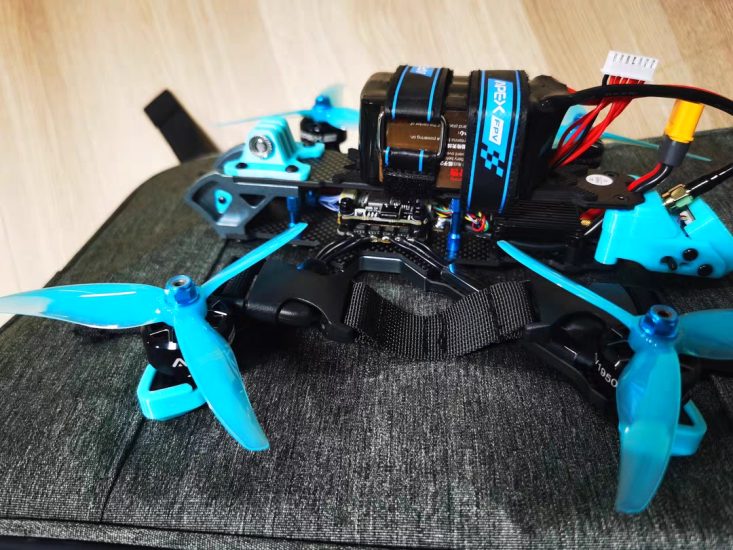
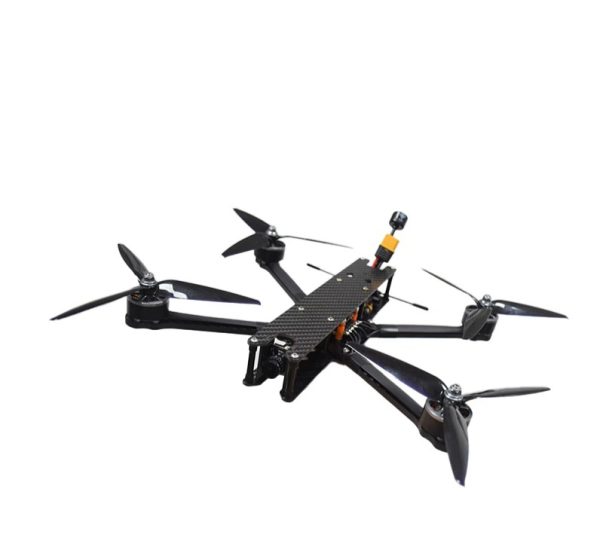
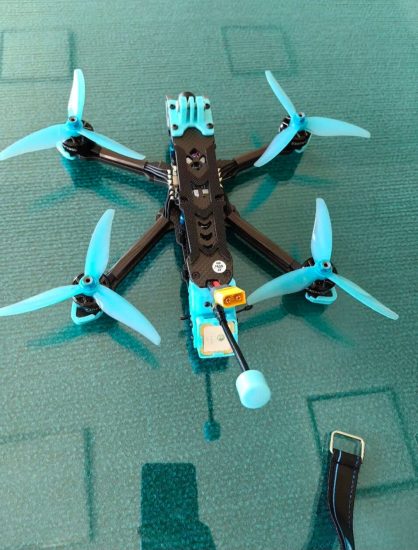
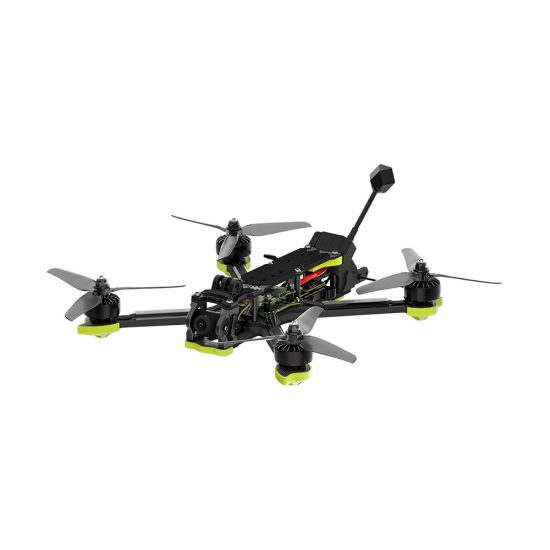
The frame is the structural foundation of the drone. A strong frame protects internal components and supports stable flight.
Most racing drones use carbon fiber frames because they offer an excellent balance of strength and lightweight design.
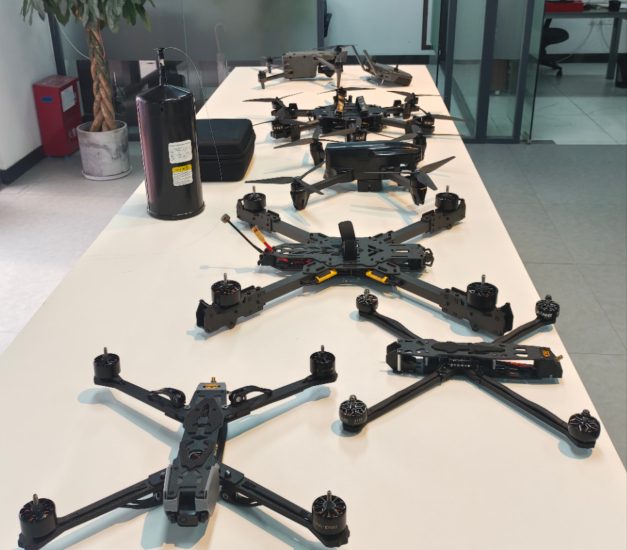
A typical racing drone frame size ranges between 5 inches and 7 inches depending on the propeller size.
Brushless Motors
Motors determine how fast and responsive the drone will be. High performance brushless motors provide strong thrust and quick acceleration.
Powerful motors allow racing drones to perform rapid direction changes and maintain high speed during races.
Propellers
Propellers convert motor power into thrust. Racing drones typically use high-performance propellers designed for speed and responsiveness.
Different propeller sizes and blade designs affect flight characteristics such as speed, efficiency, and control.
Flight Controller
The flight controller is the brain of the drone. It processes data from sensors and controls motor speed to maintain stability and responsiveness.
Advanced flight controllers provide smoother handling, faster reaction times, and more precise control.
Electronic Speed Controllers (ESC)
ESCs regulate the power delivered from the battery to the motors. High quality ESC systems allow motors to respond instantly to pilot commands.
Fast ESC response is essential for competitive racing performance.
Important Features to Look for in an FPV Racing Drone
Choosing the right drone involves evaluating several performance features.
Lightweight Design
Weight plays a critical role in racing performance. Lighter drones accelerate faster and respond more quickly to control inputs.
A lightweight frame and efficient component layout improve agility and speed.
High Power-to-Weight Ratio
A high power-to-weight ratio ensures that the drone can climb quickly and maintain strong acceleration.
Powerful motors combined with lightweight materials create optimal racing performance.
Reliable Video Transmission
FPV racing requires real-time video with minimal delay. Low latency transmission ensures that the pilot receives instant visual feedback.
Clear and stable video signals allow pilots to navigate race courses accurately.
Durable Construction
Crashes are common in drone racing. A strong frame and protected electronics help reduce damage during impacts.
Durable drones reduce repair costs and improve long-term reliability.
Adjustable Flight Settings
Advanced FPV racing drones allow pilots to adjust flight settings such as sensitivity, response speed, and stabilization levels.
These adjustments help pilots fine-tune the drone’s performance according to their flying style.
Different Types of FPV Racing Drones
FPV racing drones come in several categories depending on pilot preferences and skill levels.
Ready-to-Fly Racing Drones
Ready-to-fly drones are fully assembled and configured. Pilots can start flying quickly without building or installing components.
These drones are ideal for beginners who want a simple entry into FPV racing.
Bind-and-Fly Drones
Bind-and-fly drones are partially assembled and require connection with a compatible controller and goggles.
They provide more flexibility while still saving time compared to building a drone from scratch.
DIY Racing Drones
Many experienced pilots build their own racing drones using individual components.
DIY drones allow full customization of motors, frames, cameras, and flight controllers.
This approach provides maximum control over performance.
Factors That Affect Racing Drone Speed
Several factors determine how fast an FPV racing drone can fly.
Motor Power
High-power motors generate strong thrust, allowing drones to accelerate quickly.
Propeller Design
Propeller size and blade shape influence both speed and maneuverability.
Battery Voltage
Higher voltage batteries deliver more energy to motors, increasing speed and responsiveness.
Aerodynamic Frame Design
Streamlined frame structures reduce air resistance and improve overall flight efficiency.
Tips for Choosing the Right FPV Racing Drone
Selecting the best racing drone requires balancing performance, durability, and ease of use.
Consider Your Skill Level
Beginners should start with stable drones that offer balanced speed and control. Advanced pilots may prefer aggressive high-performance setups.
Focus on Durability
Strong frames and protected components reduce damage during crashes.
Choose Reliable Electronics
Quality flight controllers, ESCs, and transmission systems ensure stable performance during races.
Evaluate Upgrade Potential
Some drones allow easy upgrades for motors, cameras, and other components. This flexibility helps pilots improve performance over time.
Benefits of High Performance FPV Racing Drones
High performance racing drones provide several advantages for pilots.
Exceptional Speed
Racing drones are designed to achieve very high speeds, creating an intense and exciting flying experience.
Precise Control
Advanced flight controllers allow precise movement and accurate navigation through obstacles.
Customizable Setup
Many racing drones allow pilots to modify components for different performance characteristics.
Competitive Opportunities
Drone racing events provide opportunities for pilots to compete and showcase their skills.
The Future of FPV Racing Technology
The FPV racing drone industry continues to evolve rapidly with new innovations.
Faster Motors and ESC Systems
Future motors and ESC technology will deliver even quicker response times and higher speeds.
Improved Video Systems
New video transmission technology will offer clearer images with lower latency.
Smarter Flight Controllers
Advanced flight controllers will improve stability and responsiveness while maintaining high performance.
Growing Global Racing Community
As more pilots enter the sport, international racing leagues and events will continue expanding.
Conclusion
Choosing a high performance FPV racing drone requires understanding the key components and features that influence speed, agility, and reliability. Frame design, motor power, video transmission quality, and overall durability all play essential roles in racing performance.
By carefully evaluating these factors, pilots can select a drone that matches their skill level and flying goals. Whether used for competitive racing, freestyle flying, or high-speed exploration, FPV racing drones provide one of the most exciting experiences in modern drone technology.
With continuous advancements in drone engineering and growing global interest in FPV flight, the future of FPV racing promises even faster speeds, better control systems, and more thrilling aerial competition.
FAQ
What is an FPV racing drone?
An FPV racing drone is a high-speed drone designed for competitive racing and freestyle flying using real-time first-person video transmission.
How fast can FPV racing drones fly?
High performance FPV racing drones can reach very high speeds depending on motor power, propellers, and battery systems.
Are FPV racing drones suitable for beginners?
Some racing drones are beginner-friendly, but new pilots should practice basic flight skills before attempting high-speed racing.
Do FPV racing drones have cameras?
Yes. They include onboard cameras that transmit real-time video to the pilot for first-person flight control.
Can FPV racing drones be upgraded?
Many racing drones support component upgrades such as motors, propellers, cameras, and flight controllers.



No comments yet