




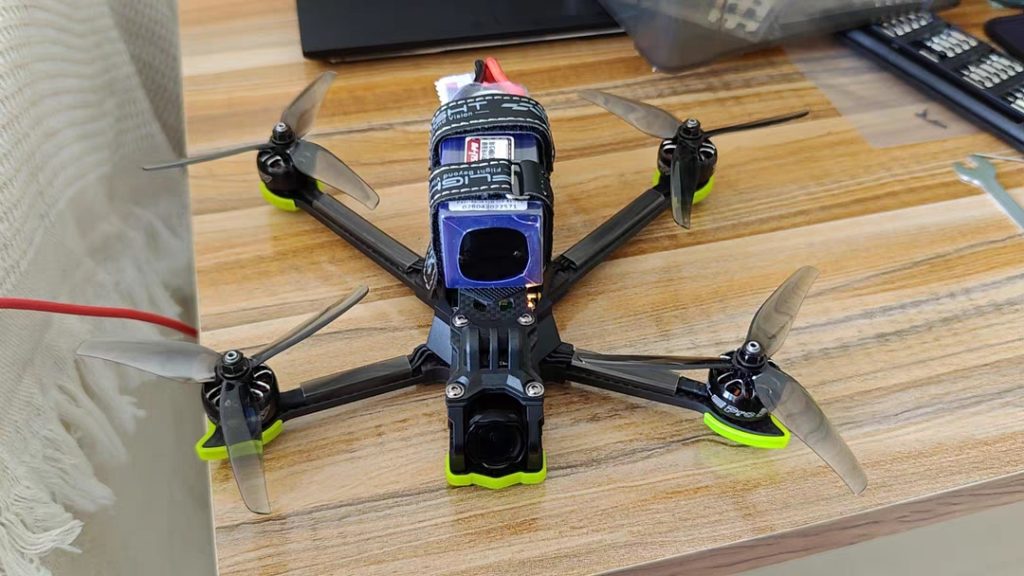
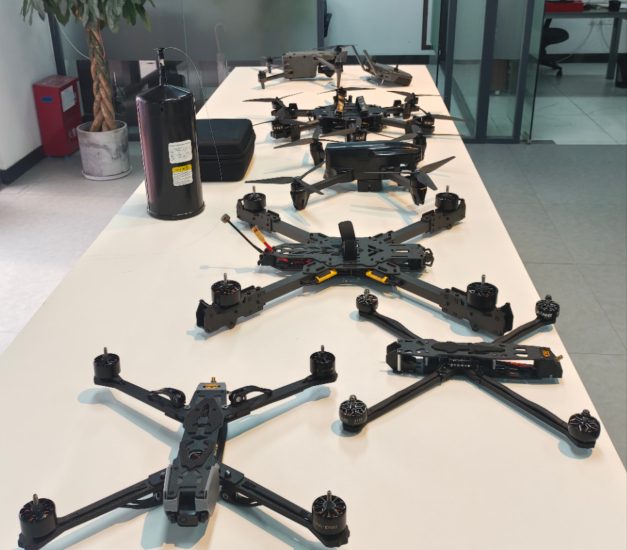
Building a custom FPV drone is one of the most rewarding experiences in the drone industry. Unlike ready-to-fly models, a custom-built FPV drone allows pilots to select every component according to their flying style, performance requirements, budget, and future upgrade plans.
Whether your goal is competitive racing, freestyle tricks, cinematic video production, or commercial applications, building a custom FPV drone provides greater flexibility and control over the final aircraft.
This guide explains the key components, design considerations, and practical steps involved in creating a reliable FPV drone for your specific mission.
Why Build a Custom FPV Drone?
Pre-built drones offer convenience, but custom drones provide several advantages.
Benefits include:
-
Personalized performance
-
Easier upgrades
-
Better repairability
-
Component flexibility
-
Improved understanding of the aircraft
-
Lower long-term maintenance costs
Custom-built drones also allow pilots to optimize their setup for specific flying styles rather than accepting a general-purpose configuration.
Define Your Flying Purpose First
Before purchasing any components, determine the primary purpose of the drone.
Different applications require different designs.
FPV Racing
Priorities include:
-
Maximum speed
-
Rapid acceleration
-
Lightweight construction
-
Quick handling
-
Low latency video transmission
Freestyle Flying
Priorities include:
-
Agility
-
Durability
-
Powerful thrust
-
Crash resistance
-
Smooth maneuverability
Cinematic Flying
Priorities include:
-
Flight stability
-
Smooth video capture
-
Long flight time
-
Payload capacity
-
Vibration reduction
Your intended use should influence every component selection.
Selecting the Right Frame
The frame forms the foundation of the drone.
Important considerations include:
Frame Size
Popular options:
-
3-inch
-
5-inch
-
7-inch
-
10-inch and larger
A 5-inch frame remains the most versatile choice for both racing and freestyle applications.
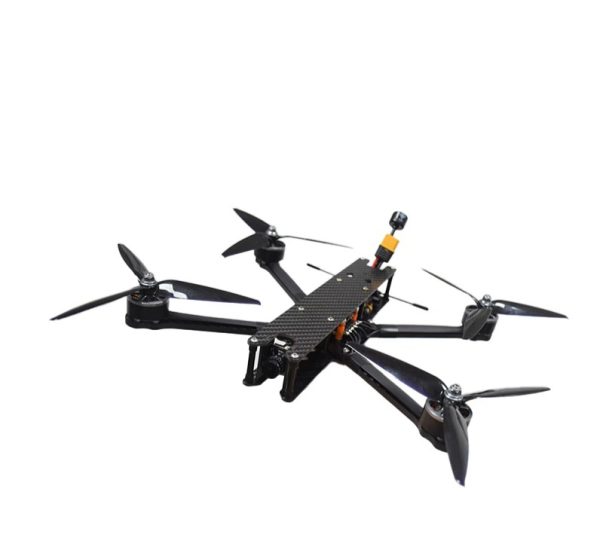
Larger frames are often preferred for cinematic and long-range missions.
Frame Durability
Look for:
-
Strong carbon fiber construction
-
Reinforced arms
-
Easy component access
-
Replaceable parts
A durable frame reduces repair costs and increases service life.
Choosing Motors
Motors determine how the drone feels in the air.
Factors to consider:
Motor Size
Larger motors generally provide:
-
More torque
-
Better payload handling
-
Greater efficiency on larger frames
Motor Characteristics
For racing:
-
Fast throttle response
-
Lightweight design
For freestyle:
-
Strong acceleration
-
Consistent power delivery
For cinematic flying:
-
Smooth operation
-
Efficient cruising performance
Motor selection should match both frame size and intended flight style.
Electronic Speed Controllers (ESCs)
ESCs regulate power delivery from the battery to the motors.
Quality ESCs provide:
-
Smooth throttle control
-
Reliable performance
-
Temperature management
-
Electrical protection
When selecting ESCs, ensure compatibility with both the motors and battery system.
Choosing higher-quality ESCs often improves reliability and reduces maintenance issues.
Flight Controller Selection
The flight controller serves as the brain of the drone.
Important features include:
-
Stable firmware support
-
GPS compatibility
-
Blackbox logging
-
Telemetry support
-
Flexible configuration options
A reliable flight controller improves flight performance and troubleshooting capabilities.
For beginners and professionals alike, stability is often more valuable than excessive complexity.
Choosing the Right FPV Camera
The FPV camera directly affects the pilot’s flying experience.
Important factors include:
-
Image clarity
-
Dynamic range
-
Low-light performance
-
Latency
-
Durability
Racing pilots typically prioritize low latency, while cinematic pilots often emphasize image quality.
Video Transmission System
The video transmitter and receiver determine how the live video feed reaches the pilot.
Key considerations:
Signal Stability
Reliable transmission reduces interruptions and improves safety.
Range Requirements
Different applications require different transmission capabilities.
Antenna Quality
Proper antenna selection and installation significantly affect overall performance.
Many signal-related problems are caused by antenna issues rather than transmitter limitations.
Radio Control System
A dependable radio system is essential.
Important factors include:
-
Signal reliability
-
Communication range
-
Telemetry support
-
Future compatibility
Many experienced pilots invest in high-quality radio equipment because it often remains useful across multiple drone builds.
Battery Selection
Battery choice has a major impact on:
-
Flight time
-
Aircraft weight
-
Power output
-
Overall handling
Racing drones typically favor lightweight batteries with strong power delivery.
Cinematic drones often use larger batteries to maximize endurance.
Balancing battery weight and performance is critical.
Propeller Matching
Propellers influence:
-
Thrust
-
Efficiency
-
Handling characteristics
-
Noise levels
Different propellers can completely change how a drone flies.
Pilots frequently test multiple propeller designs to achieve their preferred flight characteristics.
Installing GPS for Advanced Features
GPS can provide:
-
Location tracking
-
Speed information
-
Return-to-home functionality
-
Flight logging
Although not mandatory for every build, GPS is highly recommended for long-range and cinematic applications.
It adds an additional layer of operational safety.
Building Process Overview
A typical custom FPV drone build includes:
Step 1: Assemble the Frame
Install the frame structure and verify alignment.
Step 2: Mount the Motors
Secure motors and route wiring properly.
Step 3: Install ESCs
Ensure secure connections and proper insulation.
Step 4: Mount the Flight Controller
Use vibration-damping hardware when appropriate.
Step 5: Connect Electronics
Carefully verify wiring and polarity.
Step 6: Install Receiver and Video System
Position antennas for optimal performance.
Step 7: Configure Software
Set up:
-
Flight modes
-
Failsafe functions
-
Receiver settings
-
Telemetry
-
GPS functions
Step 8: Perform Ground Testing
Verify all systems before flight.
Common Building Mistakes
New builders often encounter avoidable problems.
Common mistakes include:
-
Poor soldering quality
-
Incorrect wiring
-
Oversized batteries
-
Improper antenna placement
-
Inadequate cooling
-
Weak component mounting
Careful planning and attention to detail reduce these risks significantly.
Maintenance After Building
A custom drone requires regular inspections.
Check:
-
Propellers
-
Motor bearings
-
Battery condition
-
Wiring integrity
-
Antenna connections
-
Frame damage
Routine maintenance helps ensure long-term reliability.
OEM and ODM Custom FPV Drone Manufacturing
For drone brands, distributors, training organizations, and commercial operators, OEM and ODM manufacturing offers an efficient alternative to building drones individually.
Customized services may include:
-
Private label branding
-
Custom frame development
-
Industry-specific configurations
-
Specialized payload integration
-
Training drones
-
Long-range FPV solutions
-
Cinematic FPV platforms
Professional manufacturers can design complete solutions tailored to customer requirements.
Conclusion
Building a custom FPV drone provides unmatched flexibility for racing, freestyle, cinematic filming, and commercial applications. By carefully selecting the frame, motors, flight controller, battery system, video equipment, and radio components, pilots can create an aircraft optimized for their specific goals.
A successful build is not determined by the most expensive components but by how well the entire system works together. With proper planning, assembly, and maintenance, a custom FPV drone can deliver excellent performance, reliability, and long-term value.
FAQ
Is building a custom FPV drone cheaper than buying a ready-to-fly drone?
Not always. Initial costs may be similar, but custom drones often provide better upgrade options and lower long-term maintenance expenses.
What frame size is best for a first custom FPV build?
A 5-inch frame is often considered the most versatile option because of its balanced performance and wide component availability.
Do I need GPS on a custom FPV drone?
GPS is optional but highly recommended for long-range, cinematic, and commercial applications due to the additional safety features it provides.
How difficult is it to build a custom FPV drone?
The process requires basic technical skills and attention to detail, but many pilots successfully build their first drone by following a structured approach.
Can OEM manufacturers produce custom FPV drones for my brand?
Yes. Many drone manufacturers provide OEM and ODM services including private labeling, customized hardware configurations, and industry-specific drone solutions.
THE END



No comments yet