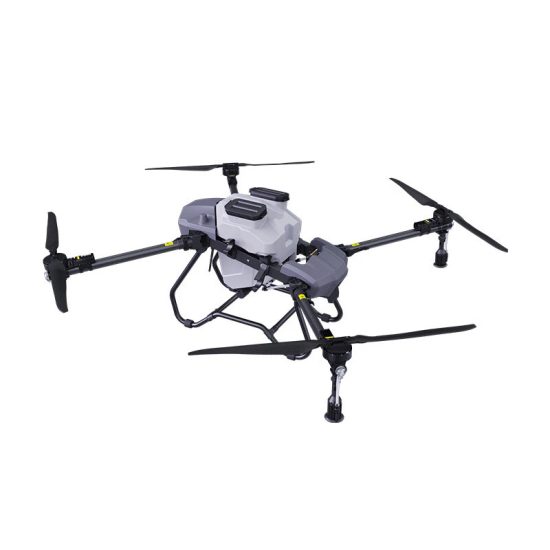


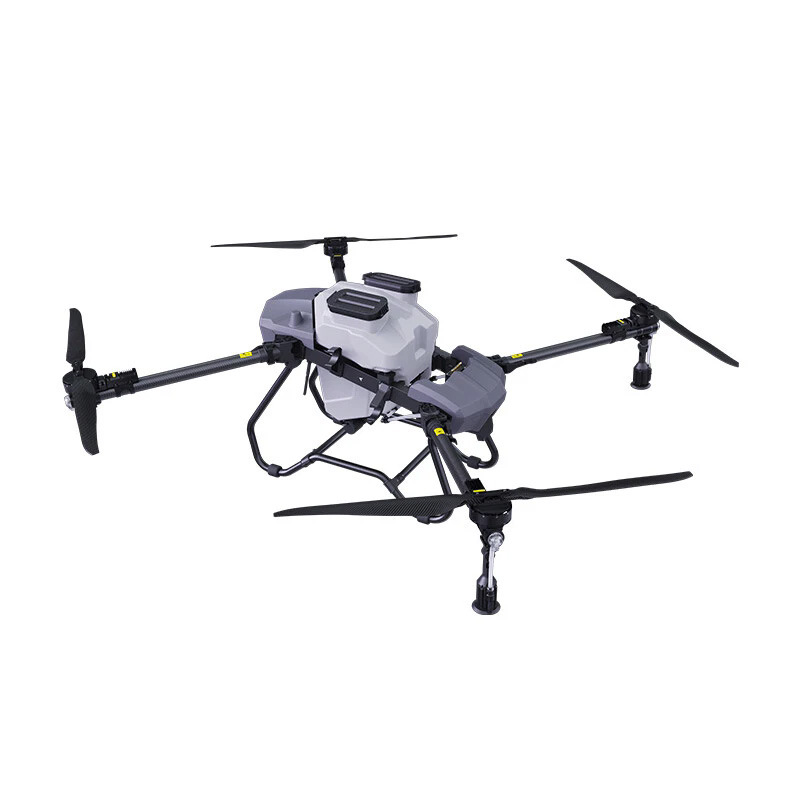
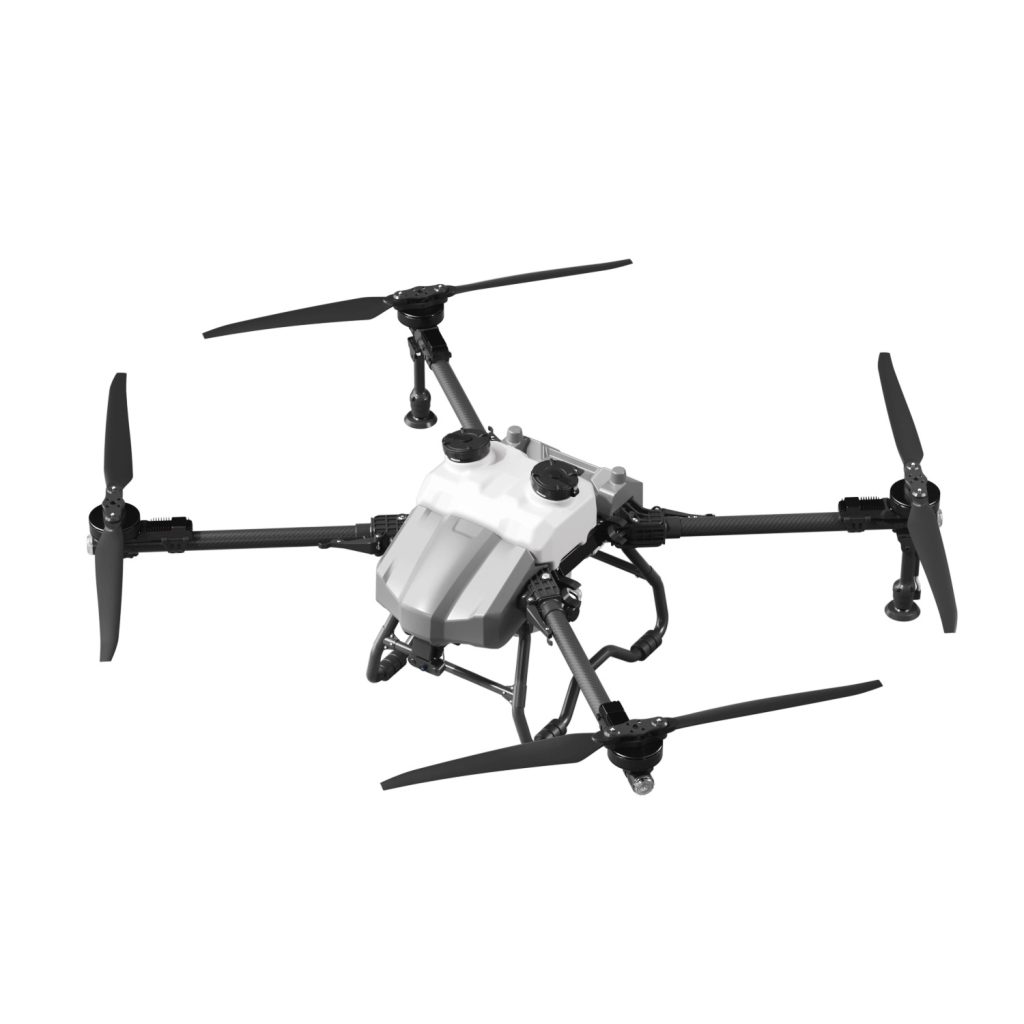
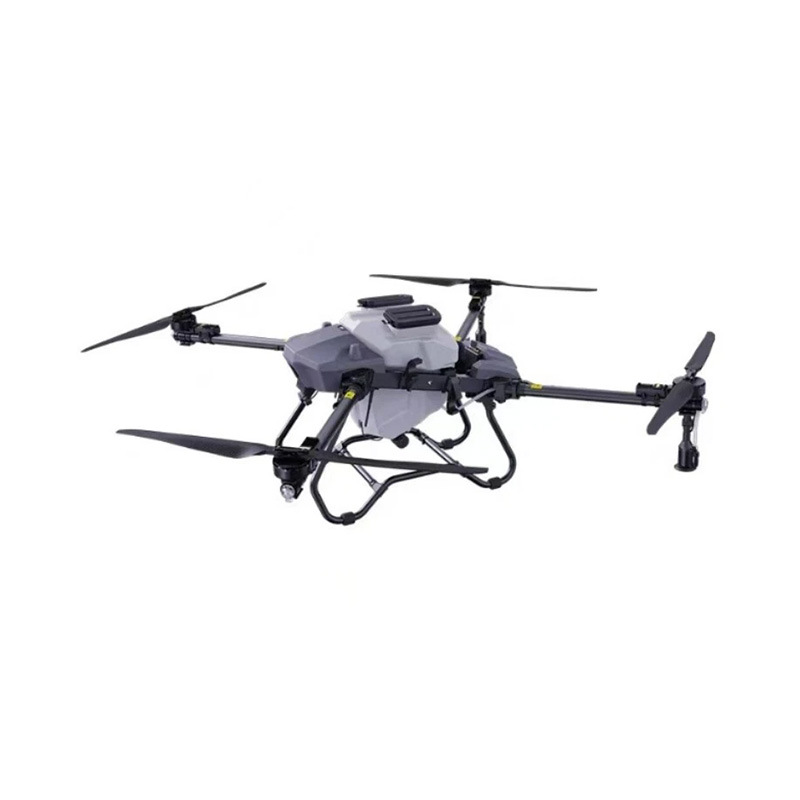
If you’re planning to invest in an agricultural spraying drone, one of the first questions you’ll ask is:
How much does an agricultural drone cost?
The answer depends on several factors, including tank capacity, payload, flight technology, battery system, automation features, and after-sales support. While price is important, choosing the right drone based on your farming needs will provide a better return on investment.
This guide explains what affects agricultural drone prices and how to choose the best model for your business.
What Determines the Price of an Agricultural Drone?
Several factors influence the final cost of a crop spraying drone.
1. Tank Capacity
Larger spray tanks increase efficiency but also affect the purchase price.
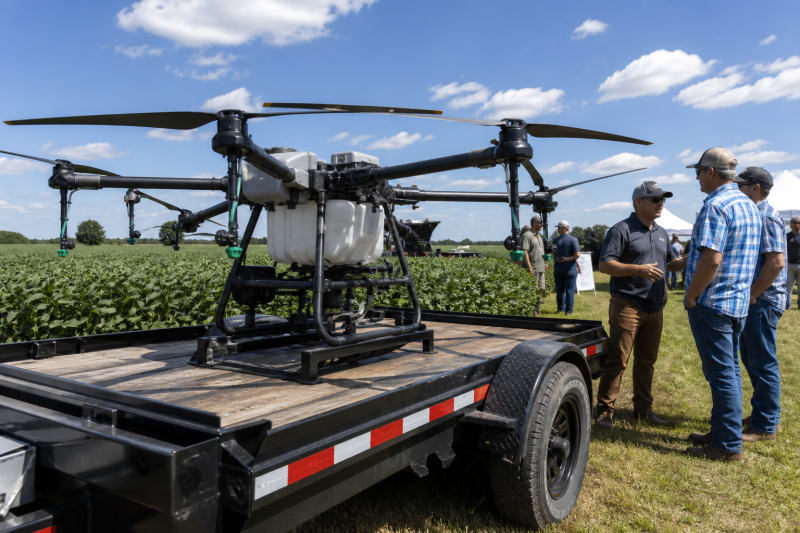
Typical capacities include:
- 20L–30L for small farms
- 30L–40L for medium farms
- 50L–70L for large-scale commercial operations
Choosing the right capacity helps reduce refill time and improve daily productivity.
2. Payload Capacity
A higher payload allows the drone to carry more liquid during each flight, making it ideal for large farms and agricultural service providers.
Higher payload models generally cost more but deliver greater efficiency.
3. Flight Control Technology
Modern agricultural drones include advanced features such as:
- GPS positioning
- RTK precision navigation
- Automatic route planning
- Terrain following
- Automatic return-to-home
- Intelligent flight management
These technologies improve spraying accuracy and reduce operator workload.
4. Spraying System Quality
An efficient spraying system should include:
- High-flow pumps
- Adjustable spray volume
- Precision nozzles
- Uniform droplet distribution
- Anti-drift technology
Better spraying performance reduces pesticide waste and improves crop protection.
5. Battery and Charging System
Battery technology has a significant impact on productivity.
Look for:
- Intelligent lithium batteries
- Fast charging
- Long service life
- Battery health monitoring
- Quick battery replacement
Investing in quality batteries helps maximize daily operating time.
6. Safety Features
Professional agricultural drones should provide:
- Obstacle avoidance radar
- Vision sensors
- Low battery warning
- Signal loss protection
- Emergency landing
- Motor status monitoring
These functions improve safety and reduce maintenance costs.
Hidden Costs You Should Consider
When comparing drone prices, don’t focus only on the initial purchase cost.
Also consider:
- Extra batteries
- Smart chargers
- Spare propellers
- Replacement nozzles
- Maintenance expenses
- Software updates
- Operator training
- Shipping costs
- Warranty coverage
The total cost of ownership is often more important than the purchase price alone.
Should You Buy Directly from a Manufacturer?
Buying directly from an agricultural drone manufacturer offers several advantages:
- More competitive pricing
- OEM & ODM customization
- Better technical support
- Reliable spare parts supply
- Faster production
- Quality control
- Professional export services
For distributors and wholesalers, factory-direct purchasing can improve profit margins.
How to Choose the Best Agricultural Drone
Before making your decision, compare:
- Farm size
- Crop type
- Tank capacity
- Payload
- Battery performance
- Flight stability
- GPS accuracy
- Spraying efficiency
- Safety features
- After-sales service
A reliable drone should improve efficiency while reducing long-term operating costs.
Frequently Asked Questions (FAQ)
How much does an agricultural drone cost?
The price varies depending on tank capacity, payload, automation features, battery system, and manufacturer. Entry-level models cost less, while professional large-capacity drones with advanced technology are more expensive.
Is a more expensive drone always better?
Not necessarily. The best drone is the one that matches your farm size, crop type, and operational requirements. Paying for features you don’t need may not provide additional value.
What size drone should I buy?
Small farms often benefit from 20L–30L drones, while larger farms usually require 40L–70L models for higher efficiency.
Can agricultural drones reduce operating costs?
Yes. Precision spraying reduces labor requirements, minimizes pesticide waste, improves application accuracy, and increases productivity.
What should be included when purchasing an agricultural drone?
Ask whether the package includes batteries, chargers, spare parts, software updates, training, warranty, and technical support.
Can I customize the drone with my company logo?
Yes. Many manufacturers provide OEM and ODM services, allowing distributors to customize branding, packaging, colors, and user manuals.
How long does an agricultural drone last?
With proper maintenance and regular servicing, a high-quality agricultural drone can provide many years of reliable operation. The exact lifespan depends on usage frequency and maintenance practices.
Why buy directly from a manufacturer?
Buying directly from the manufacturer typically provides better pricing, customization options, faster spare parts supply, professional technical support, and long-term service.
Conclusion
Agricultural drone prices vary depending on features, performance, and technology. Instead of choosing the lowest-priced option, focus on finding a drone that delivers reliable performance, efficient spraying, strong after-sales support, and low operating costs.
Whether you are a farmer, agricultural contractor, distributor, or importer, investing in the right agricultural drone can improve productivity and maximize your return on investment.
Looking for a trusted agricultural drone manufacturer? Contact our team today to request a quotation, discuss OEM & ODM solutions, and find the ideal spraying drone for your business.


No comments yet