

How Can Drone Technology Improve Spraying Accuracy and Reduce Agricultural Waste?
Agriculture is entering a new era of smart farming, where technology helps farmers increase productivity while reducing unnecessary costs. One of the biggest challenges in traditional crop protection is inaccurate spraying, which can lead to chemical waste, higher expenses, and inconsistent crop health.
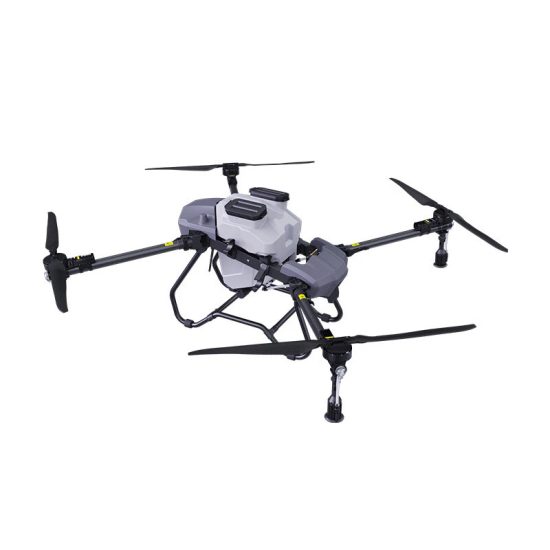
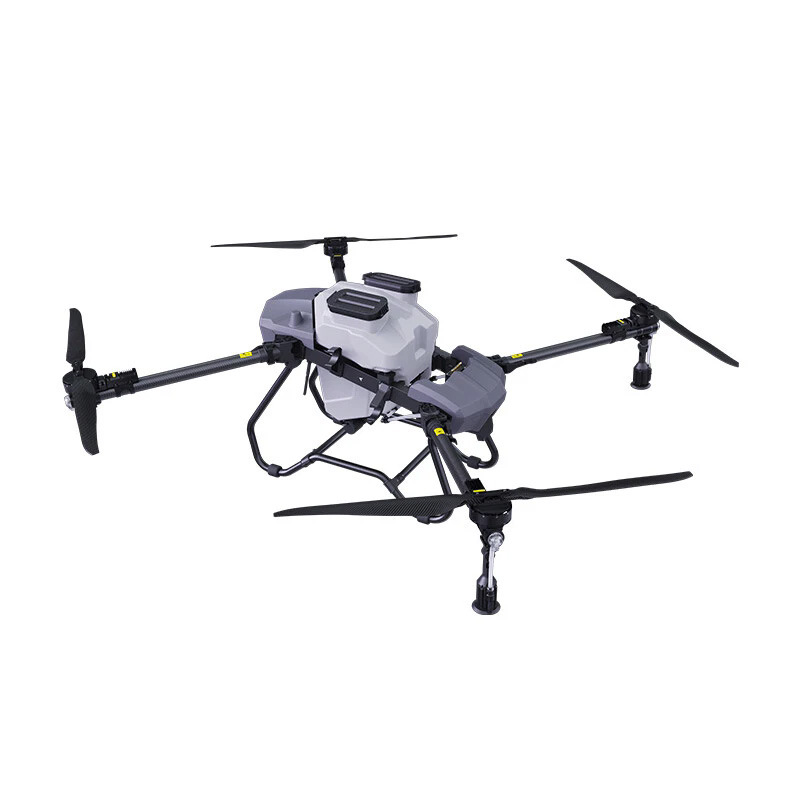
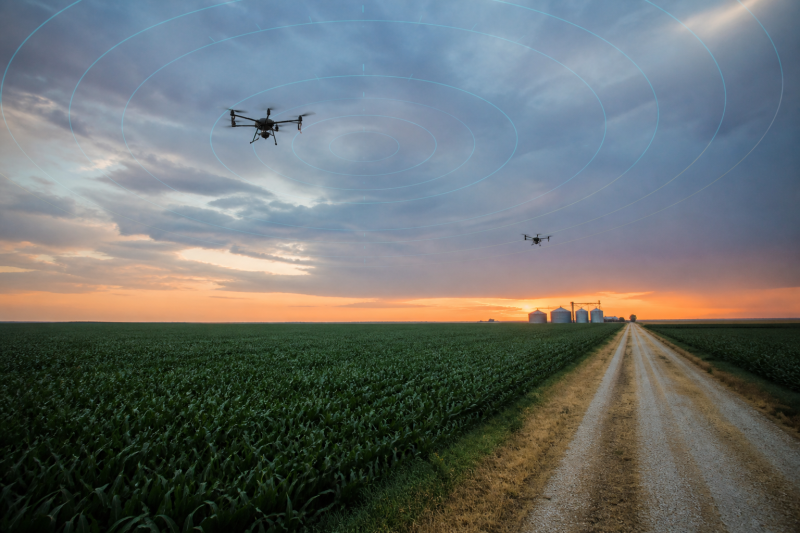
Drone technology is transforming agricultural spraying by providing precise application, intelligent operation, and better resource management. Professional agricultural drones help farmers apply pesticides, fertilizers, and nutrients more efficiently while reducing environmental impact.
1. Problems Caused by Traditional Spraying Methods
Traditional spraying methods often create several challenges for modern farmers.
Uneven Chemical Distribution
Manual spraying and traditional machinery may not distribute chemicals evenly across farmland.
This can result in:
- Areas receiving too much pesticide
- Areas receiving insufficient protection
- Increased crop risks
Excessive Chemical Consumption
Without precise control, farmers may use more pesticides and fertilizers than necessary, increasing production costs.
High Labor Requirements
Large farms require many workers and long operating hours to complete spraying tasks.
Drone technology provides a more efficient alternative.
2. Precision Spraying Improves Crop Protection
Agricultural drones use advanced systems to improve spraying accuracy.
Key technologies include:
- GPS positioning
- Intelligent flight planning
- Automatic route control
- Precise spray flow adjustment
- Smart nozzle systems
These technologies allow drones to deliver the correct amount of agricultural materials to specific areas.
Benefits include:
✅ More uniform spraying
✅ Better crop protection
✅ Reduced chemical waste
✅ Improved farming efficiency
3. Reduce Agricultural Chemical Waste
Chemical waste is a major concern in modern agriculture.
Overuse of pesticides and fertilizers can increase costs and affect the environment.
Agricultural drones help reduce waste by:
- Controlling spray volume accurately
- Avoiding unnecessary overlapping
- Adjusting spraying according to field conditions
- Improving application efficiency
Farmers can achieve better results with fewer resources.
4. Improve Spraying Efficiency on Large Farms
Large agricultural areas require fast and reliable equipment.
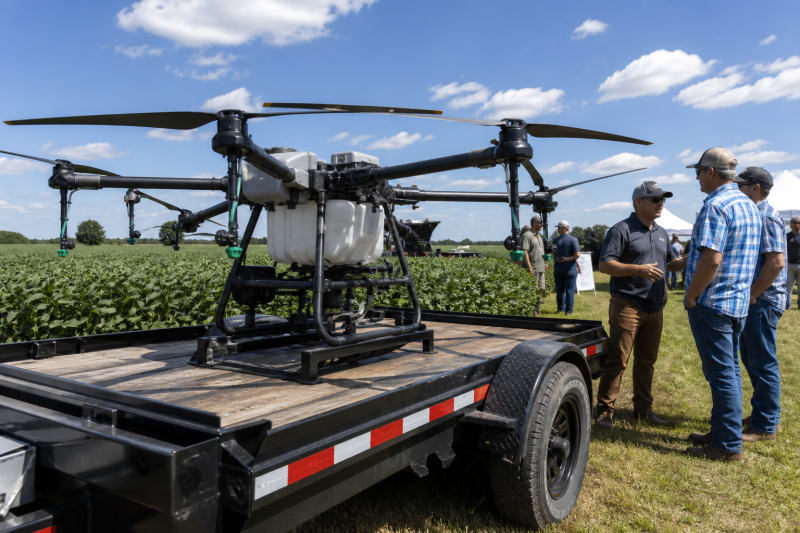
Professional spraying drones can cover large fields quickly without requiring heavy machinery.
They are suitable for:
- Rice fields
- Wheat farms
- Corn plantations
- Fruit orchards
- Vegetable farms
- Tea plantations
Compared with traditional methods, drones can complete operations faster and with less preparation.
5. Protect Crops Without Damaging Farmland
Heavy agricultural machinery may cause problems such as:
- Soil compaction
- Crop damage
- Difficult access in wet fields
Agricultural drones fly above crops, allowing farmers to spray without physically entering fields.
This makes drones especially useful for:
- Young crops
- Tall plants
- Uneven terrain
- Sensitive agricultural areas
6. Save Labor Costs and Improve Farm Management
Drone spraying reduces dependence on manual labor.
Farmers can use drones to:
- Plan spraying routes
- Monitor operations
- Complete tasks remotely
- Manage larger areas efficiently
This helps agricultural businesses reduce operating pressure and improve productivity.
7. Choosing the Right Agricultural Drone for Precision Spraying
When selecting a spraying drone, farmers should consider:
Spraying System
A high-quality spraying system ensures accurate application.
Flight Stability
Stable flight control improves spraying consistency.
Battery Performance
Long-lasting batteries support longer working operations.
Payload Capacity
Choose the correct tank size based on farm requirements.
Manufacturer Reliability
A professional supplier should provide:
- Product training
- Spare parts
- Technical support
- After-sales service
FAQ About Agricultural Drone Spraying Technology
Q1: How do agricultural drones improve spraying accuracy?
Drones use GPS positioning, intelligent flight paths, and precise spray control systems to apply chemicals more accurately.
Q2: Can drones reduce pesticide usage?
Yes. Precision spraying helps reduce unnecessary chemical application and minimizes waste.
Q3: Are agricultural drones environmentally friendly?
Yes. By reducing chemical overuse and improving resource efficiency, drones support more sustainable farming practices.
Q4: What farms can use spraying drones?
Agricultural drones can be used in many farming environments, including:
- Large commercial farms
- Orchards
- Rice fields
- Vegetable farms
- Plantation agriculture
Conclusion
Drone technology is changing agricultural spraying by improving accuracy, reducing waste, and increasing farming efficiency.
With intelligent control systems, precision spraying technology, and powerful operating capabilities, agricultural drones help farmers achieve better crop protection while lowering costs.
For modern farms looking to improve productivity and adopt smart agriculture solutions, investing in professional spraying drone technology is a valuable step toward more efficient and sustainable farming.


No comments yet