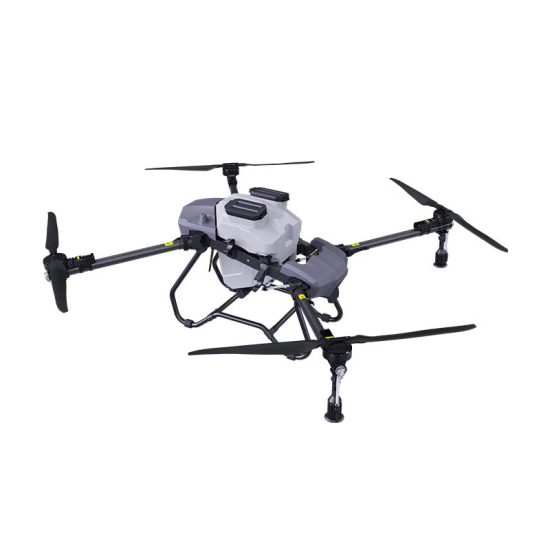


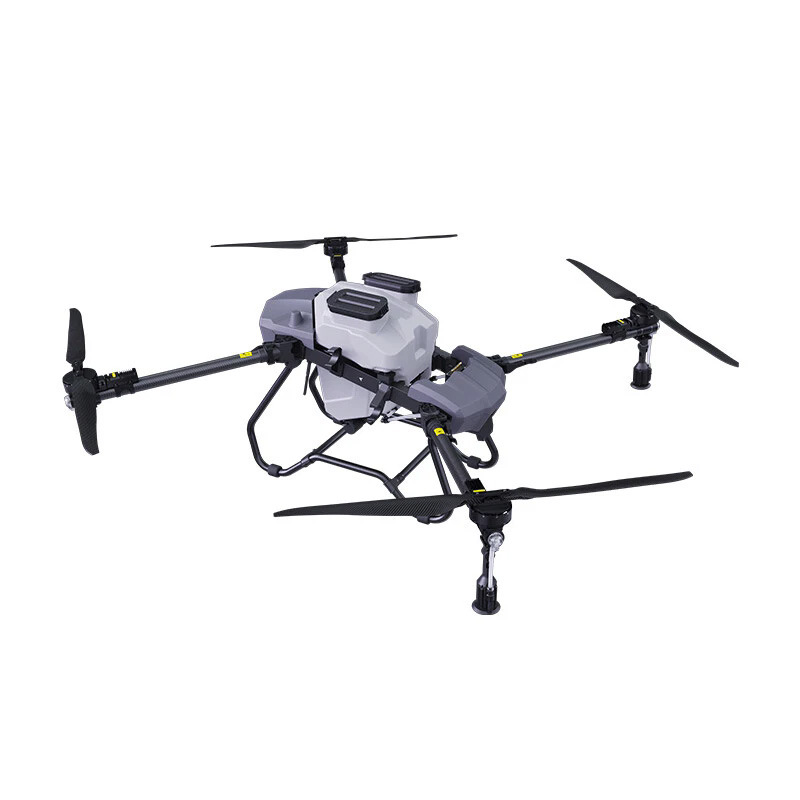
How Can Agricultural Drones Help Farmers Save Time, Labor and Chemical Costs?
Modern farmers are facing increasing pressure from rising labor costs, expensive agricultural inputs, and the need to improve crop productivity. Traditional farming methods often require a large workforce and consume significant amounts of pesticides and fertilizers.
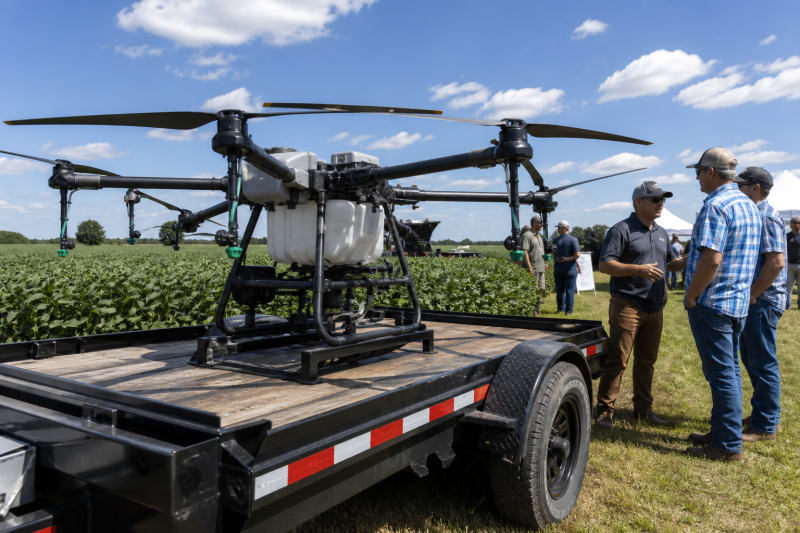
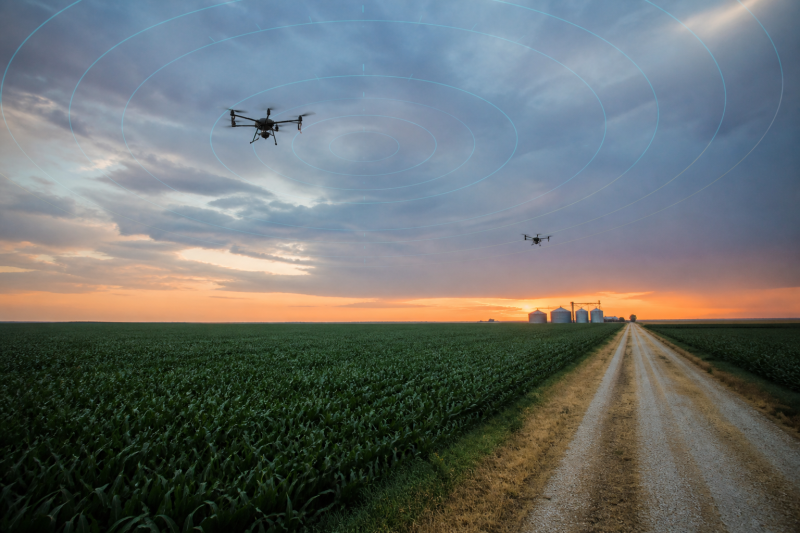
Agricultural drones provide a smarter solution by automating spraying operations, improving application accuracy, and helping farmers reduce operating expenses. With advanced flight control systems and precision spraying technology, drones are becoming an important tool for modern precision agriculture.
1. Reduce Time Spent on Agricultural Operations
Time is a critical factor in farming. Delayed spraying can lead to pest outbreaks, crop diseases, and reduced yields.
Traditional spraying methods often require:
- Manual preparation
- Large labor teams
- Heavy equipment movement
- Long operating hours
Agricultural drones can complete spraying tasks much faster.
Benefits include:
✅ Quick field coverage
✅ Less preparation time
✅ Faster response to crop problems
✅ Higher daily working efficiency
For large farms, saving several hours or days during spraying seasons can significantly improve farm management.
2. Reduce Dependence on Agricultural Labor
Labor shortages are a common challenge for farmers worldwide.
Manual spraying requires workers to carry heavy equipment and spend long hours in the field, which increases labor costs and safety risks.
Agricultural drones help solve this problem by automating spraying tasks.
Farmers can reduce:
- Number of workers required
- Physical labor intensity
- Operational difficulties during busy seasons
A single operator can control a drone system to complete large-area crop protection work more efficiently.
3. Lower Chemical Usage Through Precision Spraying
One of the biggest advantages of agricultural drones is accurate chemical application.
Traditional spraying methods may cause:
- Excessive pesticide use
- Uneven spraying
- Chemical runoff
- Increased farming costs
Smart agricultural drones use technologies such as:
- GPS positioning
- Intelligent route planning
- Flow control systems
- Adjustable spray nozzles
These technologies allow farmers to apply the right amount of chemicals in the right areas.
This helps:
- Reduce pesticide waste
- Lower input costs
- Protect the environment
- Improve crop health
4. Improve Crop Protection Results
Efficient crop protection directly affects agricultural productivity.
Agricultural drones can provide more consistent spraying coverage compared with manual methods.
They can reach:
- Tall crops
- Dense planting areas
- Difficult terrain
- Large farmland areas
The result is better pest and disease management and healthier crops.
5. Save Fuel and Equipment Costs
Traditional agricultural machinery often requires:
- Fuel consumption
- Regular maintenance
- Large equipment investment
Agricultural drones use electric power systems and require less physical infrastructure.
Advantages include:
- Lower operating costs
- Less equipment maintenance
- Easier transportation
- Flexible operation
For many farmers, drones provide a cost-effective alternative to traditional spraying equipment.
6. Choose the Right Agricultural Drone for Maximum Benefits
Not every drone is suitable for every farm. Farmers should consider several factors before purchasing.
Spraying Capacity
Larger tanks are suitable for large farms because they reduce refilling frequency.
Battery Performance
High-capacity batteries provide longer working time and improve efficiency.
Flight Stability
Stable flight performance ensures accurate spraying even in challenging conditions.
After-Sales Support
Reliable technical support and spare parts supply are important for long-term operation.
7. Why Professional Agricultural Drones Are Becoming Popular
More farmers are adopting drone technology because it provides measurable economic benefits.
Agricultural drones help farmers:
- Save working hours
- Reduce labor expenses
- Lower chemical costs
- Improve crop management
- Increase productivity
As agriculture continues moving toward digital and smart farming, drone technology will play an increasingly important role.
FAQ About Agricultural Drones
Q1: How do agricultural drones reduce farming costs?
Agricultural drones reduce costs by lowering labor requirements, improving spraying accuracy, reducing chemical waste, and decreasing equipment expenses.
Q2: Can one person operate an agricultural spraying drone?
Yes. Many professional agricultural drones are designed for simple operation, allowing one trained person to manage spraying tasks efficiently.
Q3: Are drones suitable for small farms?
Yes. Small and medium-sized farms can also benefit from drones, especially when they need precise spraying and reduced labor dependence.
Q4: What is the biggest advantage of agricultural drones?
The biggest advantage is combining speed, precision, and automation to help farmers improve efficiency while reducing operating costs.
Agricultural drones are transforming the way farmers manage crops. By saving time, reducing labor requirements, and lowering chemical consumption, drones provide a practical solution for modern agriculture.
For farmers who want to increase productivity and reduce farming expenses, investing in a professional agricultural drone is an effective way to move toward smarter and more efficient farming.


No comments yet