

![Image [1]-How Agricultural Spraying Drones Improve Rice Pest and Disease Control Efficiency (MSOEN)-msoen](https://www.msoen.com/wp-content/uploads/2026/04/20260403110844666-1688_image_share_5c3a88a3c5c5cd67ce857aa9668a2083.jpg)
![Image [2]-How Agricultural Spraying Drones Improve Rice Pest and Disease Control Efficiency (MSOEN)-msoen](https://www.msoen.com/wp-content/uploads/2026/04/20260403110714922-1688_image_share_733e7f36dd5a4074f27d6e0c34caf95c-1024x1024.jpg)
![Image [3]-How Agricultural Spraying Drones Improve Rice Pest and Disease Control Efficiency (MSOEN)-msoen](https://www.msoen.com/wp-content/uploads/2026/04/20260403110846918-1688_image_share_4f11e9d37b7571da0ece1043ece8357d.jpg)
![Image [4]-How Agricultural Spraying Drones Improve Rice Pest and Disease Control Efficiency (MSOEN)-msoen](https://www.msoen.com/wp-content/uploads/2026/04/20260409142505289-20260403110846918-1688_image_share_4f11e9d37b7571da0ece1043ece8357d.jpg)
![Image [5]-How Agricultural Spraying Drones Improve Rice Pest and Disease Control Efficiency (MSOEN)-msoen](https://www.msoen.com/wp-content/uploads/2026/04/20260403110845483-1688_image_share_4788a2bffe18558e9e4723a092a8cb17.jpg)
![Image [6]-How Agricultural Spraying Drones Improve Rice Pest and Disease Control Efficiency (MSOEN)-msoen](https://www.msoen.com/wp-content/uploads/2026/04/20260403110714318-1688_image_share_9fecccf3d1afb8f5e60deb545d1065cb-1024x1024.jpg)
MSOEN Rice Farming Solution
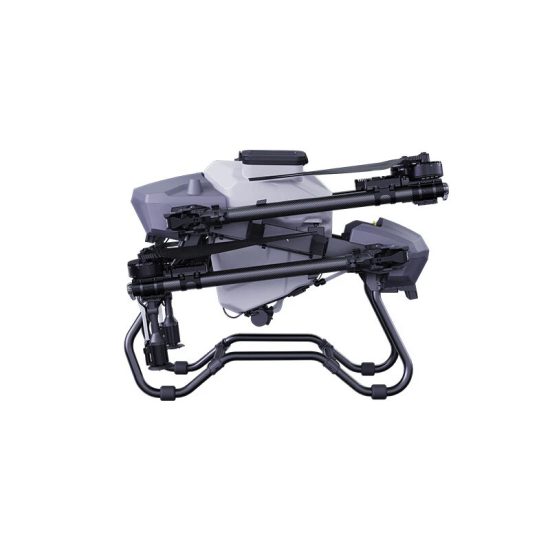
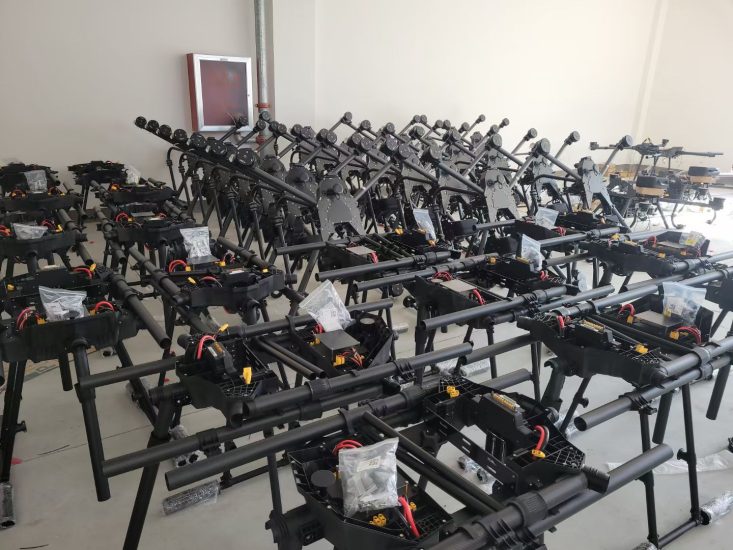
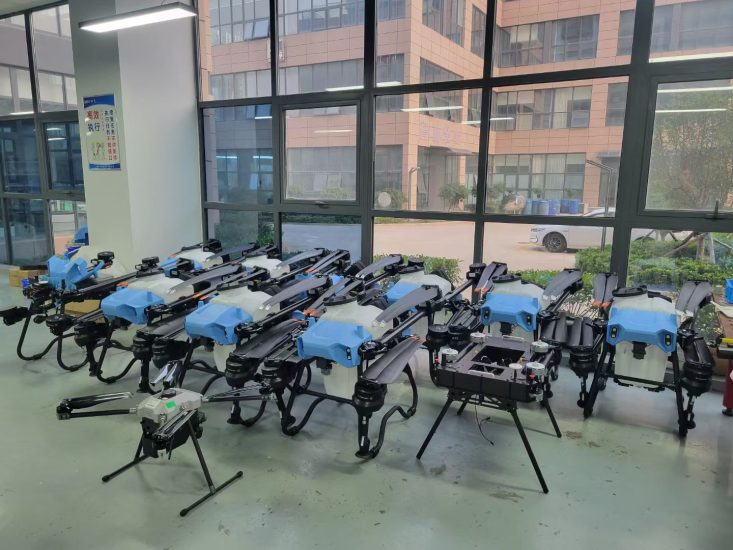
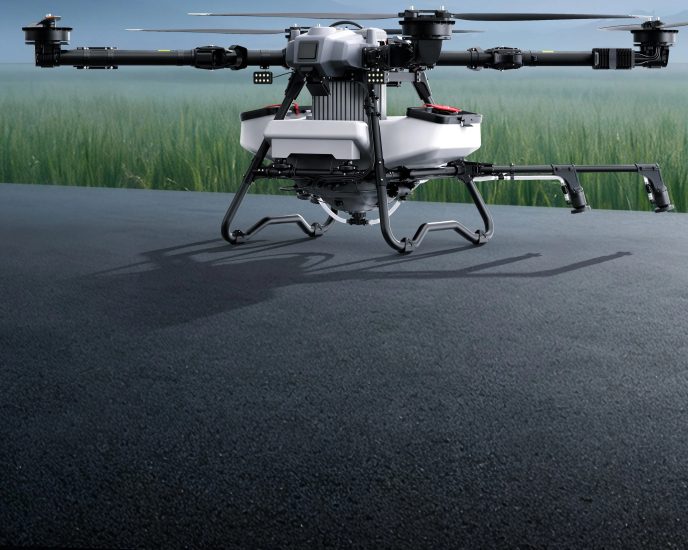
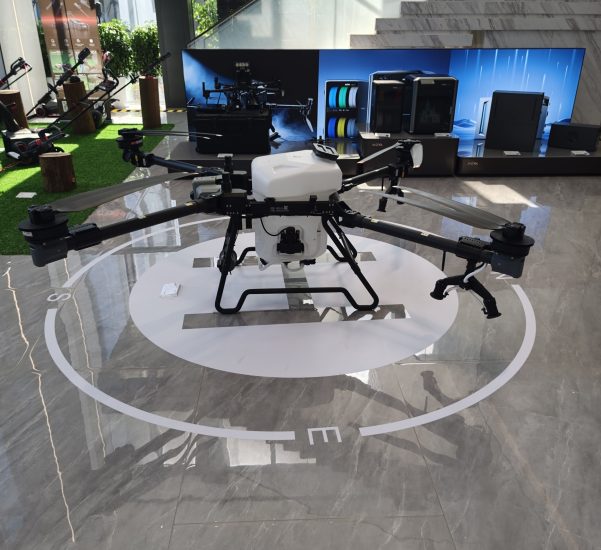
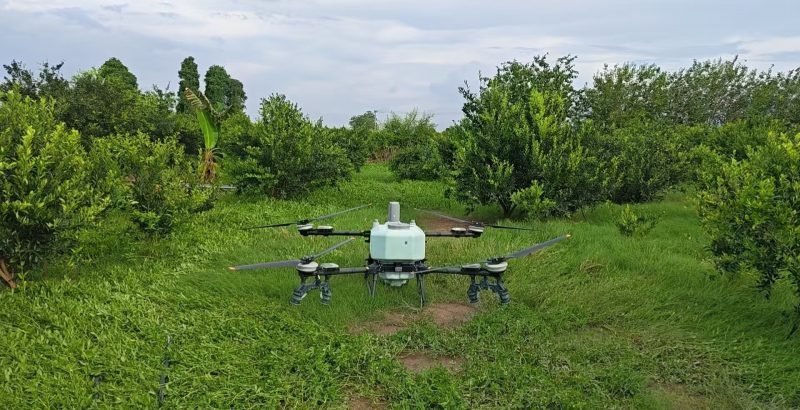
MSOEN agricultural spraying drones are specially designed to enhance efficiency in rice pest and disease control, delivering precise, uniform spraying while reducing labor costs and chemical waste in large-scale paddy fields.
Introduction
Rice is one of the most important staple crops in the world, but it is also highly vulnerable to pests and diseases. Traditional pest control methods in rice fields often involve manual spraying or ground machinery, which can be inefficient, time-consuming, and resource-intensive.
With the development of precision agriculture, agricultural spraying drones have emerged as a powerful solution. MSOEN agricultural drones, in particular, are designed to optimize spraying efficiency, reduce input costs, and improve crop protection outcomes.
This article explains how agricultural spraying drones improve pest and disease control efficiency in rice cultivation and why MSOEN is a preferred choice for modern farmers.
1. Challenges in Traditional Rice Pest Control
Rice farming presents several challenges when it comes to pest and disease management:
- Large and waterlogged fields
- Limited accessibility for machinery
- High labor demand
- Uneven pesticide distribution
- High exposure risk to chemicals
Manual spraying in flooded rice paddies is physically demanding and often leads to inconsistent coverage, which reduces effectiveness.
2. Common Rice Pests and Diseases
Rice crops are affected by various pests and diseases, including:
- Stem borers
- Rice leaf folders
- Planthoppers
- Blast disease
- Bacterial leaf blight
Effective control requires timely and uniform spraying, which is difficult to achieve using traditional methods.
3. How MSOEN Agricultural Spraying Drones Work in Rice Fields
MSOEN drones operate using advanced flight control and spraying systems that allow precise application over large rice fields.
Key working features:
- GPS-guided automatic flight routes
- Low-altitude spraying for better coverage
- Adjustable spray flow based on crop density
- Stable hovering for targeted application
- Real-time monitoring and control
These features ensure accurate pesticide delivery across the entire field.
4. Improved Spraying Efficiency
4.1 Faster Operation
MSOEN drones can cover large areas in a short time, completing tasks that would take hours manually in just minutes.
4.2 Continuous Operation
With battery replacement and rapid refilling, drones can operate continuously during peak farming periods.
4.3 Time-Sensitive Spraying
Drones allow farmers to spray at the optimal time, which is critical for effective pest and disease control.
5. Precision and Uniform Coverage
5.1 Even Distribution
Advanced nozzle systems ensure uniform droplet distribution across rice plants.
5.2 Reduced Overlap and Missed Areas
Automated flight paths eliminate human error, ensuring complete field coverage.
5.3 Better Penetration
Fine atomized droplets penetrate dense rice canopies more effectively than traditional spraying.
6. Reduced Chemical and Water Usage
MSOEN drones significantly reduce resource consumption by:
- Optimizing droplet size
- Controlling spray volume
- Minimizing runoff and waste
- Reducing over-application
This not only lowers costs but also reduces environmental impact.
7. Labor Cost Reduction
Traditional rice spraying requires multiple workers and long working hours.
With MSOEN drones:
- One operator can manage large fields
- Labor demand is reduced significantly
- Operational efficiency is increased
This is especially important in regions facing labor shortages.
8. Improved Safety for Farmers
One of the biggest advantages of drone spraying is safety:
- No direct contact with pesticides
- Reduced exposure to harmful chemicals
- Safer working conditions
MSOEN drones help protect farmers’ health while maintaining high productivity.
9. Adaptability to Paddy Field Conditions
Rice fields are often flooded and muddy, making them difficult for ground equipment.
MSOEN drones:
- Operate above water without ground contact
- Adapt to uneven terrain
- Maintain stable altitude using radar systems
This makes them ideal for paddy field environments.
10. Economic Benefits for Rice Farmers
Using MSOEN agricultural drones can lead to:
- Lower pesticide costs
- Reduced labor expenses
- Higher crop yields
- Better quality rice production
- Faster farming cycles
For commercial rice farms, these benefits translate into higher profitability.
11. Integration with Smart Agriculture
MSOEN drones can be integrated into smart farming systems:
- Field mapping and data analysis
- Remote control via mobile apps
- Automated spraying schedules
- Multi-drone fleet management
This enables more precise and data-driven agricultural practices.
12. Future of Rice Farming with Drone Technology
The future of rice farming will increasingly rely on automation and AI:
- AI-based pest detection
- Precision spraying based on real-time data
- Autonomous drone fleets
- Reduced resource consumption
MSOEN continues to innovate to meet these future demands.
FAQ (Frequently Asked Questions)
Q1: Can MSOEN drones handle large rice fields?
Yes, they are designed for large-scale operations and can efficiently cover extensive paddy fields.
Q2: How much efficiency improvement can be expected?
Spraying efficiency can increase several times compared to manual methods.
Q3: Are drones effective against all rice pests?
They are highly effective when used with the correct pesticide and proper timing.
Q4: Is drone spraying difficult to operate?
No, MSOEN drones are designed with user-friendly systems and automation features.
Conclusion
Agricultural spraying drones are transforming rice pest and disease control by offering faster, more precise, and more efficient spraying solutions. MSOEN agricultural drones provide a powerful tool for modern rice farmers to improve productivity while reducing costs and environmental impact.
With advantages such as uniform coverage, reduced labor requirements, and enhanced safety, MSOEN is helping drive the future of smart and sustainable rice farming.
For farmers looking to increase efficiency and stay competitive, adopting MSOEN agricultural spraying drone technology is a strategic and forward-thinking decision.


No comments yet