



Speed is one of the most exciting aspects of FPV drone flying. For enthusiasts and professionals alike, high speed FPV drones deliver adrenaline-filled experiences and unmatched control in both racing and freestyle environments. These drones are engineered for performance, allowing pilots to achieve incredible acceleration, rapid maneuverability, and precise handling.
Whether competing on a racing track or performing freestyle tricks in open spaces, high speed FPV drones provide the responsiveness and power needed to push limits. This article explores the features, advantages, and applications of high-speed FPV drones, helping users understand why they are essential for advanced FPV flying.
What Is a High Speed FPV Drone?
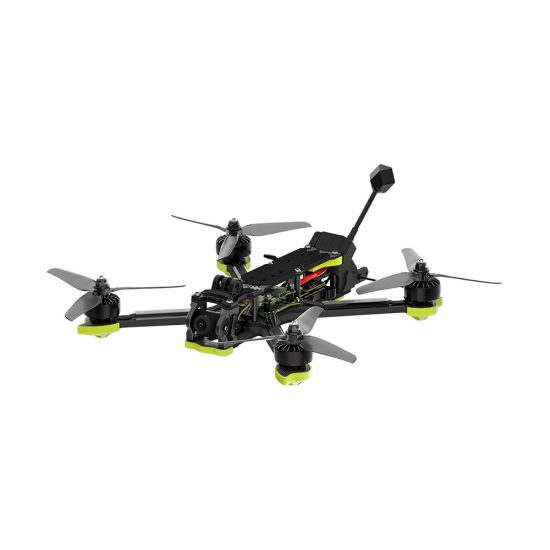
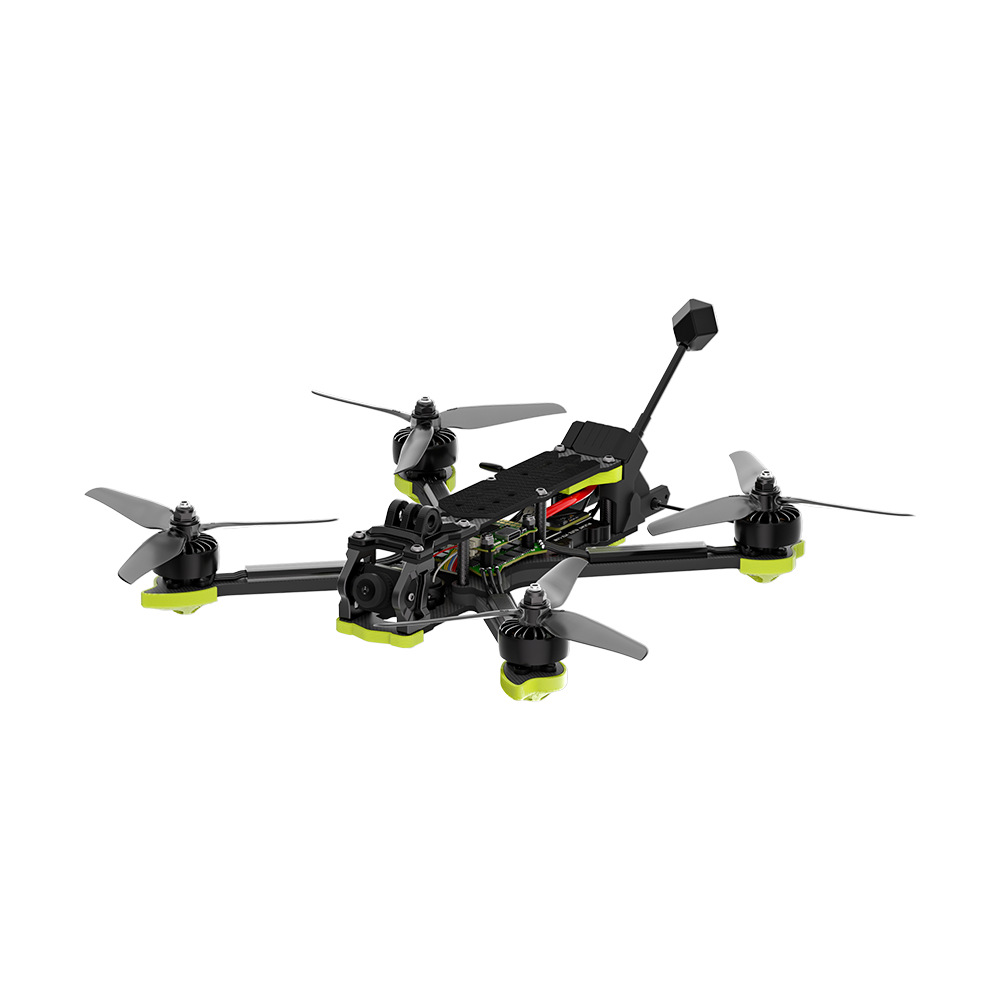
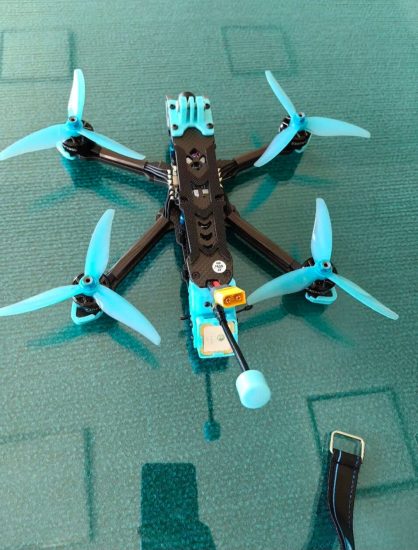
A high speed FPV drone is a performance-focused unmanned aerial vehicle designed for fast flight and agile maneuvering.
Key characteristics include:
-
High KV brushless motors
-
Lightweight aerodynamic frame
-
Advanced flight controllers
-
High-performance ESC systems
-
Low-latency FPV transmission
These components work together to deliver fast acceleration and precise control.
Why Speed Matters in FPV Flying
Competitive Racing Advantage
In FPV racing, speed directly impacts performance. Faster drones allow pilots to complete laps more quickly and gain an advantage over competitors.
High speed drones enable:
-
Rapid acceleration out of turns
-
Faster straight-line performance
-
Better responsiveness in tight courses
Enhanced Freestyle Performance
Freestyle flying involves creative tricks and dynamic movements. Speed provides the momentum needed to perform:
-
Power loops
-
Flips and rolls
-
Diving maneuvers
-
High-speed chases
The combination of speed and control makes freestyle flying more exciting and visually impressive.
Greater Flight Responsiveness
High speed FPV drones respond instantly to pilot input. This responsiveness allows for precise control during fast maneuvers and complex flight patterns.
Key Features of High Speed FPV Drones
High KV Motors
Motors with high KV ratings spin faster, generating more thrust and enabling higher top speeds.
These motors are optimized for:
-
Rapid acceleration
-
Quick throttle response
-
High-speed flight
Lightweight Frame Design
Reducing weight is critical for achieving high speed. Lightweight frames improve thrust-to-weight ratio, allowing drones to move faster and more efficiently.
Advanced Electronic Speed Controllers (ESC)
High-performance ESCs ensure smooth power delivery to motors. This improves control accuracy and prevents lag during rapid throttle changes.
Aerodynamic Structure
Streamlined frames reduce air resistance, allowing drones to reach higher speeds with less effort.
Low-Latency FPV System
A fast and reliable FPV transmission system ensures minimal delay between the drone’s camera and the pilot’s display.
Low latency is essential for:
-
Precise control
-
Quick reaction time
-
Safe high-speed flying
Applications of High Speed FPV Drones
FPV Racing
High speed drones are primarily used in competitive racing events where performance and agility are critical.
Pilots navigate complex courses at high speed, requiring both skill and advanced equipment.
Freestyle Flying
Freestyle pilots use high speed drones to perform creative aerial tricks and capture dynamic footage.
Action Filming
High speed FPV drones are widely used in filming fast-moving subjects such as:
-
Vehicles
-
Athletes
-
Outdoor sports
Their ability to keep up with fast action makes them ideal for cinematic production.
Recreational Flying
Many hobbyists enjoy high-speed flight simply for the thrill and excitement it provides.
Advantages of High Speed FPV Drones
High speed FPV drones offer several benefits:
-
Extreme performance and acceleration
-
High responsiveness and control precision
-
Enhanced freestyle capabilities
-
Competitive advantage in racing
-
Dynamic and engaging flight experience
These advantages make them popular among advanced FPV pilots.
Tips for Flying High Speed FPV Drones
Start with Lower Speeds
Beginners should practice at lower throttle levels before attempting high-speed flight.
Use Open Spaces
High speed flying requires large, obstacle-free areas to ensure safety.
Practice Control Techniques
Smooth control inputs help maintain stability and prevent crashes.
Monitor Battery Performance
High-speed flying consumes more power, so pilots should monitor battery levels carefully.
Maintain Equipment
Regular maintenance ensures optimal performance and prevents failures during high-speed flights.
Challenges of High Speed FPV Flying
Increased Risk of Crashes
Higher speeds reduce reaction time, increasing the risk of collisions.
Higher Power Consumption
High-speed performance requires more energy, resulting in shorter flight times.
Skill Requirement
High speed FPV flying requires advanced skills and experience to control the drone safely.
Future Trends in High Speed FPV Drones
The development of high speed FPV drones continues to evolve with advancements in:
-
Motor efficiency
-
Lightweight materials
-
Battery technology
-
Digital FPV systems
These innovations will further enhance performance and expand possibilities for both racing and professional applications.
Conclusion
High speed FPV drones represent the pinnacle of performance in the FPV world. Their ability to deliver fast acceleration, precise control, and dynamic flight experiences makes them essential for racing, freestyle flying, and action filming.
For pilots seeking excitement and advanced capabilities, high speed FPV drones offer unmatched performance and endless opportunities to push the limits of aerial flight.
FAQ
Q1: How fast can FPV drones fly?
High speed FPV drones can reach impressive speeds depending on configuration and conditions.
Q2: Are high speed FPV drones suitable for beginners?
They are better suited for experienced pilots. Beginners should start with slower, more stable models.
Q3: Do high speed drones have shorter flight times?
Yes, higher speed typically results in increased power consumption and shorter flight duration.
Q4: What is the most important feature for speed?
Motor performance, weight, and aerodynamics are the key factors influencing speed.
Article Link:
High Speed FPV Drone for Racing and Freestyle Flying
THE END



No comments yet