






Introduction
Professional aerial photography has seen a revolution with the rise of FPV (First Person View) drones. These advanced UAVs provide operators with a real-time immersive flight experience, allowing them to capture footage with precision and creativity that traditional drones cannot match.
High-performance FPV drones are increasingly popular among photographers, filmmakers, and outdoor enthusiasts. Unlike standard camera drones, FPV drones give pilots complete control over speed, movement, and camera angles, making them ideal for capturing cinematic aerial shots.
Whether filming landscapes, sports, or urban environments, FPV drones have become essential tools for professionals looking to elevate their aerial photography capabilities.
What Is an FPV Drone?
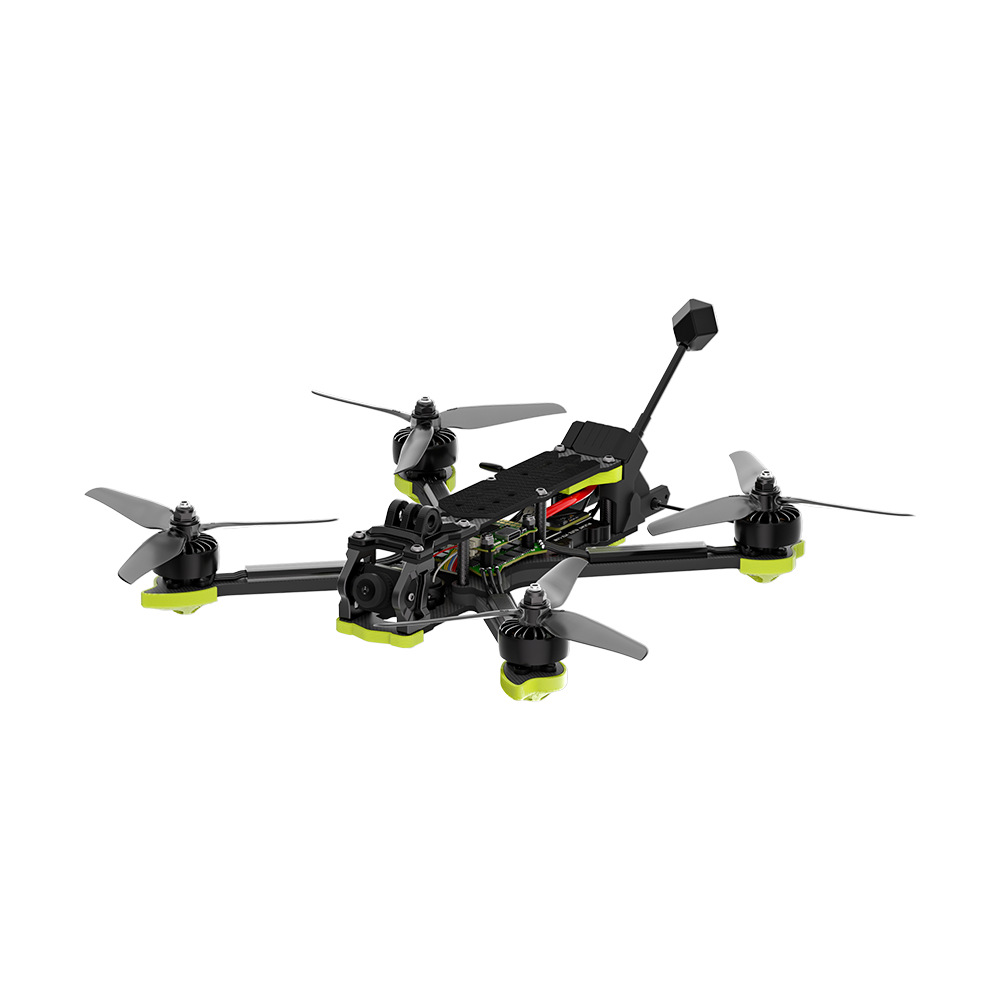
An FPV drone is a type of UAV equipped with a camera that transmits live video to a monitor or FPV goggles. This system allows the pilot to see exactly what the drone sees in real time, providing a first-person flying experience.
Key features of professional FPV drones include:
- High-speed flight capabilities
- Advanced flight control systems
- HD or 4K camera integration
- Long-range video transmission
- Lightweight yet durable frames
These features make FPV drones ideal for creative aerial photography projects, giving pilots the freedom to explore different angles and capture shots that were previously impossible.
Advantage 1: Superior Image Quality
High-performance FPV drones are equipped with advanced cameras capable of recording in HD or 4K resolution. This ensures that aerial footage is crisp, clear, and suitable for professional photography or film production.
Additionally, many drones support gimbal stabilization, reducing camera shake during high-speed maneuvers. This creates smooth, cinematic footage, even when performing complex flight paths.
For photographers, the combination of FPV control and high-quality cameras allows for precise framing, artistic composition, and professional-grade results.
Advantage 2: Immersive Flight Control
The FPV system provides a real-time immersive view, allowing pilots to control the drone with unmatched precision. Unlike GPS-based drones that rely on automated flight paths, FPV drones allow manual navigation through complex environments.
This is particularly useful for aerial photography, where exact positioning and timing are critical. Pilots can fly close to objects, navigate through narrow spaces, or perform sweeping cinematic movements to enhance visual storytelling.
Advantage 3: High-Speed Maneuverability
One of the defining features of professional FPV drones is speed. These drones can perform fast, agile movements, making them ideal for dynamic filming scenarios.
High-speed maneuvers allow photographers to:
- Track moving subjects such as athletes or vehicles
- Capture fast-paced sports action
- Fly through forests, urban areas, or other challenging environments
This agility provides filmmakers and photographers with creative opportunities that traditional drones cannot achieve.
Advantage 4: Long-Range Flight
Long-range FPV drones extend the reach of aerial photography projects. With enhanced transmission systems, pilots can maintain video signal and control even when flying several kilometers away.
This feature is essential for landscape photography, adventure filming, and outdoor documentaries. Pilots can capture expansive scenes without worrying about losing control or video feed.
Advantage 5: Versatile Applications
High-performance FPV drones are suitable for a wide range of professional photography and filming applications:
- Cinematic Productions: Capture smooth and dynamic shots for movies, commercials, and promotional videos.
- Adventure and Sports Photography: Film extreme sports, mountain biking, skiing, surfing, and more.
- Travel and Landscape Photography: Document breathtaking locations from unique aerial perspectives.
- Urban Exploration: Film cityscapes, architecture, and urban environments with creative angles.
The versatility of FPV drones makes them indispensable for professionals in multiple industries.
Advantage 6: Durable and Reliable Design
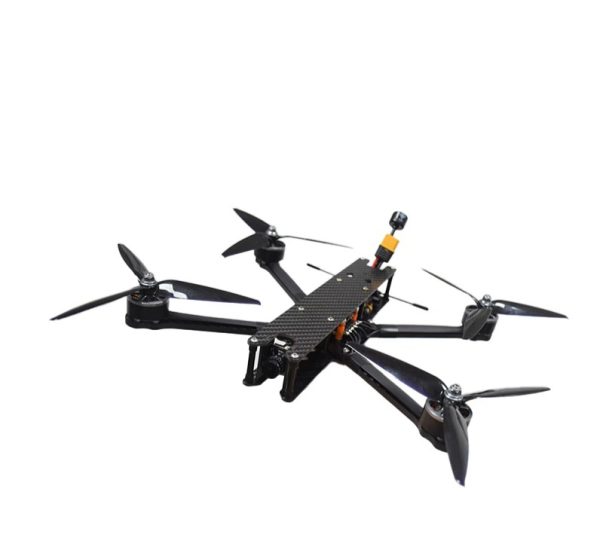
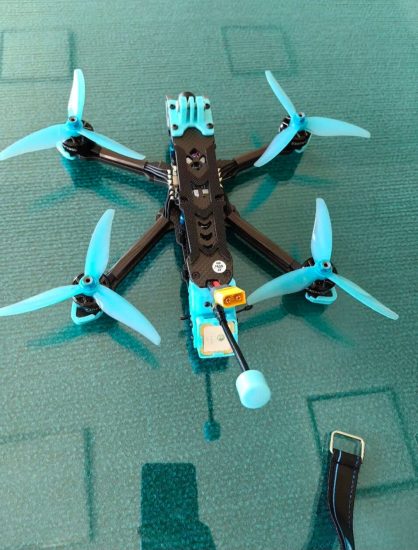
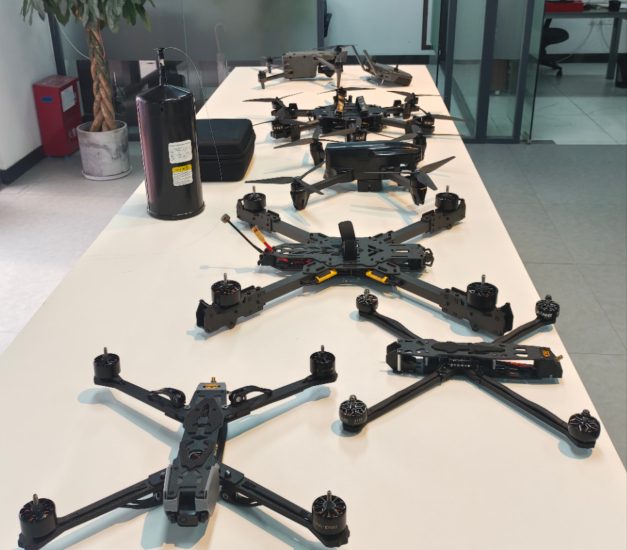
Professional FPV drones are built to withstand challenging outdoor conditions. Lightweight carbon fiber frames, high-quality motors, and resilient components ensure durability and reliable performance.
Weather-resistant drones can operate in wind, moderate rain, or high-altitude environments, allowing photographers to film in diverse conditions.
Tips for Professional Aerial Photography with FPV Drones
To maximize the potential of a high-performance FPV drone, pilots should follow these guidelines:
- Plan Flight Paths: Map out routes to avoid obstacles and optimize shot composition.
- Check Weather Conditions: Ensure safe and stable flight by avoiding strong winds, rain, or extreme temperatures.
- Use Smooth Controls: Practice smooth joystick movements to create cinematic footage.
- Optimize Camera Settings: Adjust exposure, frame rate, and resolution for the best results.
- Regular Maintenance: Inspect and maintain the drone to ensure safety and consistent performance.
Common Challenges and Solutions
While FPV drones offer exceptional advantages, pilots may face some challenges:
- Battery Life Limitations: Use high-capacity batteries and plan flights efficiently.
- Signal Interference: Fly in open areas and use drones with advanced transmission technology.
- Learning Curve: Spend time practicing to master FPV control and precise aerial movements.
With careful planning and practice, these challenges can be managed, ensuring successful professional photography sessions.
Future Trends in FPV Drone Photography
The future of FPV drones is promising. New technologies will further enhance their capabilities:
- Longer flight times with advanced battery systems
- AI-assisted flight for obstacle avoidance and automated tracking
- Improved camera sensors for low-light and HDR filming
- Enhanced transmission range for real-time long-distance operations
These innovations will continue to make FPV drones a valuable tool for professional aerial photographers.
Conclusion
High-performance FPV drones are transforming professional aerial photography. With superior image quality, immersive flight control, high-speed maneuverability, and long-range capabilities, these drones offer unprecedented creative freedom.
Whether capturing cinematic landscapes, dynamic sports action, or intricate urban environments, FPV drones empower photographers and filmmakers to create stunning aerial content.
Investing in a high-performance FPV drone opens up new possibilities for professional aerial photography and elevates the quality of creative projects.
FAQ
Q1: What makes an FPV drone suitable for professional photography?
A1: Features like HD/4K cameras, gimbal stabilization, precise control, and high-speed maneuverability make FPV drones ideal for professional work.
Q2: Can FPV drones fly long distances?
A2: Yes, long-range FPV drones are equipped with advanced transmission systems that allow pilots to control and view footage several kilometers away.
Q3: Do FPV drones require special training?
A3: FPV drones have a learning curve. Pilots should practice to achieve smooth, controlled flights for professional-grade photography.
Q4: Are FPV drones durable for outdoor use?
A4: Yes. Professional FPV drones are designed with lightweight but strong materials and weather-resistant components.



No comments yet