





Introduction
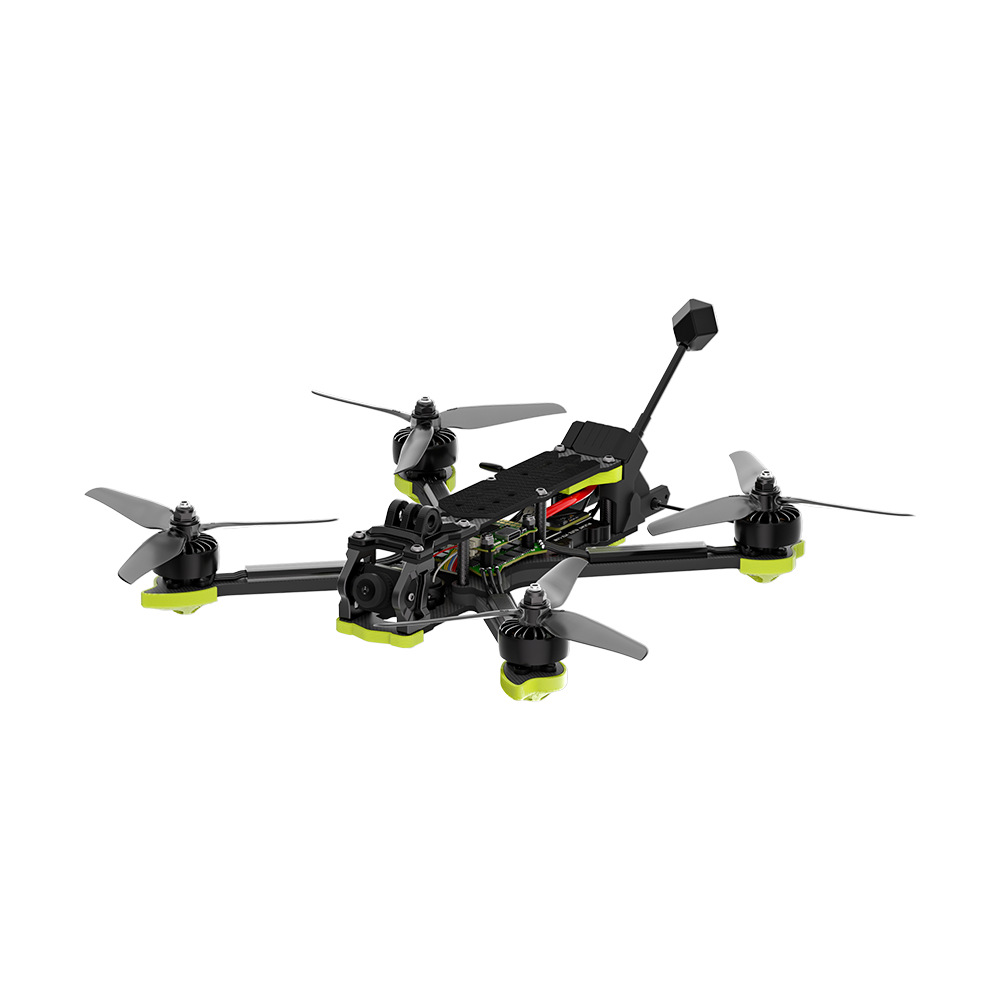
For filmmakers and content creators, capturing stunning aerial shots is essential for professional-quality production. High-end FPV drones offer advanced capabilities for cinematic filmmaking, combining speed, stability, and high-resolution camera systems in a single platform.
Unlike standard consumer drones, high-end FPV drones provide precise control, immersive FPV experiences, and customizable flight options. They enable filmmakers to execute complex maneuvers, chase moving subjects, and create cinematic sequences that were previously possible only with helicopters or cranes.
This article explores the advantages, applications, and best practices of using high-end FPV drones for aerial cinematography.
What Makes a High-End FPV Drone?
High-end FPV drones are designed for professional use and feature:
- Advanced FPV camera systems (4K or higher, gimbal stabilization)
- High-speed, agile flight for dynamic shots
- Long-range transmission systems for expansive filming
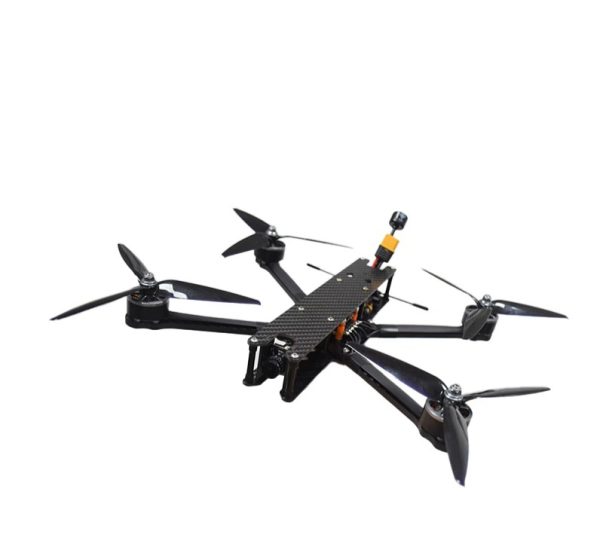
- Durable, lightweight frames capable of handling rigorous filming conditions
- Customizable flight modes for precision cinematography
These features make high-end FPV drones ideal for filmmakers who need creative flexibility and cinematic control.
Advantage 1: Professional-Grade Image Quality
High-end FPV drones support ultra HD or 4K cameras with advanced sensors and image stabilization. This ensures every frame is crisp, color-accurate, and suitable for professional film production.
With gimbal stabilization, drones maintain smooth footage even during rapid maneuvers, enabling filmmakers to achieve seamless cinematic sequences without additional post-processing.
Advantage 2: Dynamic and Agile Flight
Professional FPV drones can fly at high speeds and perform sharp turns, dives, and acrobatic maneuvers. This dynamic flight capability allows filmmakers to:
- Track moving subjects in sports or adventure scenes
- Fly through narrow spaces or complex urban environments
- Execute sweeping cinematic camera movements
The agility of these drones enables shots that are impossible with traditional aerial filming equipment.
Advantage 3: Long-Range Filming Capabilities
High-end FPV drones often feature long-range video transmission systems, allowing pilots to operate the drone several kilometers away while maintaining a clear live feed.
This extended range is particularly valuable for filming large-scale outdoor scenes, natural landscapes, and extreme sports where distance is a factor.
Advantage 4: Immersive FPV Experience
FPV goggles or high-resolution monitors provide pilots with a first-person perspective of the drone’s camera. This immersive view is crucial for precise camera positioning, creative composition, and executing complex flight paths.
By seeing exactly what the camera sees, filmmakers can make real-time adjustments and capture perfect aerial footage.
Advantage 5: Versatile Flight Modes for Cinematography
High-end FPV drones offer multiple flight modes tailored for cinematic production:
- Cinematic Mode: Smooth, stabilized camera movements for storytelling
- Sport Mode: Fast, agile flights for action sequences
- Follow Mode: Automated tracking of moving subjects
- Custom Mode: Programmable paths for complex shots
These flight modes enable filmmakers to adapt to different filming scenarios and create a wide variety of shot styles.
Advantage 6: Durable Construction for Professional Use
High-end FPV drones use advanced materials such as carbon fiber and reinforced plastics, providing durability without compromising weight. These robust designs allow drones to withstand rigorous outdoor filming conditions, including wind, minor collisions, and varying terrain.
Durable construction ensures reliable performance during critical filming sessions.
Applications of High-End FPV Drones
High-end FPV drones are ideal for professional cinematography in various industries:
- Film and TV Production: Capture cinematic aerial shots for movies, series, and commercials
- Adventure Sports Filming: Track athletes in real-time across challenging terrains
- Documentaries: Film wildlife and landscapes without disturbing the environment
- Advertising and Marketing: Create immersive aerial content to promote brands and products
- Travel and Tourism Videos: Showcase destinations with cinematic perspectives
The combination of speed, stability, and camera quality makes high-end FPV drones indispensable for professional creators.
Tips for Professional Aerial Cinematography
To maximize the potential of high-end FPV drones, filmmakers should consider the following:
- Plan Shots in Advance: Map flight paths and camera angles for optimal composition
- Monitor Weather Conditions: Wind and rain can affect stability and footage quality
- Use Smooth Controls: Gradual joystick movements ensure cinematic, stable shots
- Regular Maintenance: Check motors, propellers, and cameras before each flight
- Leverage Flight Modes: Choose modes that suit the shot type, whether dynamic or cinematic
Following these practices ensures professional-quality aerial footage and safe operation.
Advantages Over Standard Drones
Compared to standard consumer drones, high-end FPV drones offer:
- Superior image quality with gimbal stabilization
- High-speed agility for dynamic shots
- Extended flight range for expansive scenes
- Advanced FPV perspective for precise control
- Durable construction for professional outdoor use
These advantages make them essential tools for filmmakers seeking high-quality aerial cinematography.
Conclusion
High-end FPV drones redefine professional aerial filmmaking by combining agility, cinematic flight control, and advanced camera systems. They provide filmmakers with the freedom to explore creative perspectives, capture dynamic sequences, and produce content previously achievable only with large-scale equipment.
For adventure sports, documentaries, advertising, or cinematic storytelling, high-end FPV drones deliver unmatched flexibility and visual quality, making them a cornerstone of modern aerial cinematography.
FAQ
Q1: Are high-end FPV drones suitable for beginners?
A1: They are designed for professional use; beginners should start with entry-level or mid-range FPV drones before progressing.
Q2: Can these drones capture 4K video?
A2: Yes, most high-end FPV drones support 4K video with gimbal stabilization for cinematic footage.
Q3: How far can high-end FPV drones fly?
A3: Many models offer long-range transmission up to several kilometers, depending on environment and signal strength.
Q4: Are these drones durable for outdoor use?
A4: Yes. Advanced materials like carbon fiber make them robust for professional filming in various conditions.



No comments yet