


![Image [1]-High-Efficiency Water-Saving Agricultural Spraying Drone Solution for Large-Scale Farmland Operations-msoen](https://www.msoen.com/wp-content/uploads/2026/04/20260403110846918-1688_image_share_4f11e9d37b7571da0ece1043ece8357d.jpg)
![Image [2]-High-Efficiency Water-Saving Agricultural Spraying Drone Solution for Large-Scale Farmland Operations-msoen](https://www.msoen.com/wp-content/uploads/2026/04/20260403110714922-1688_image_share_733e7f36dd5a4074f27d6e0c34caf95c-1024x1024.jpg)
![Image [3]-High-Efficiency Water-Saving Agricultural Spraying Drone Solution for Large-Scale Farmland Operations-msoen](https://www.msoen.com/wp-content/uploads/2026/04/20260403110844666-1688_image_share_5c3a88a3c5c5cd67ce857aa9668a2083.jpg)
![Image [4]-High-Efficiency Water-Saving Agricultural Spraying Drone Solution for Large-Scale Farmland Operations-msoen](https://www.msoen.com/wp-content/uploads/2026/04/20260409142505289-20260403110846918-1688_image_share_4f11e9d37b7571da0ece1043ece8357d.jpg)
![Image [5]-High-Efficiency Water-Saving Agricultural Spraying Drone Solution for Large-Scale Farmland Operations-msoen](https://www.msoen.com/wp-content/uploads/2026/04/20260403110845483-1688_image_share_4788a2bffe18558e9e4723a092a8cb17.jpg)
![Image [6]-High-Efficiency Water-Saving Agricultural Spraying Drone Solution for Large-Scale Farmland Operations-msoen](https://www.msoen.com/wp-content/uploads/2026/04/20260409142848864-1688_image_share_4788a2bffe18558e9e4723a092a8cb17.jpg)
MSOEN Smart Water-Saving Agriculture Solution
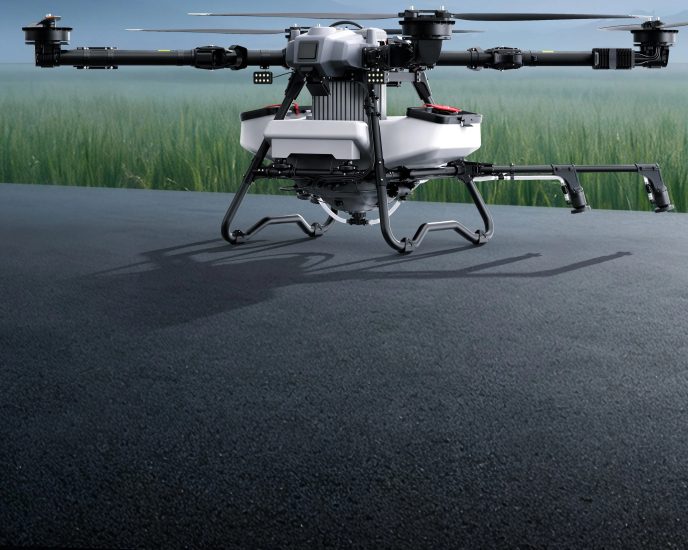
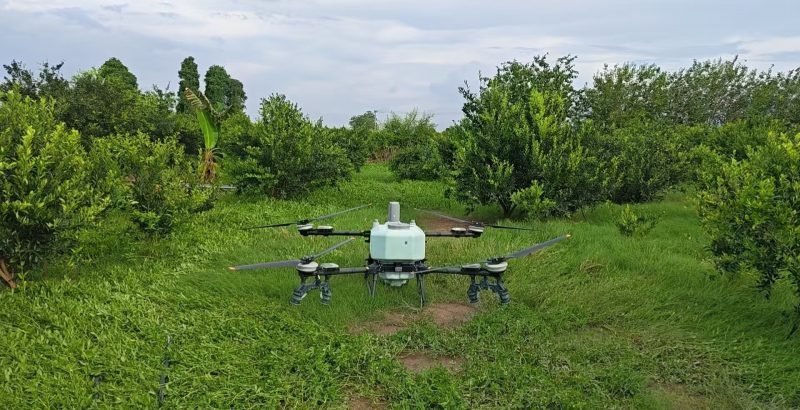
MSOEN agricultural spraying drones are designed for large-scale farmland operations, helping farmers significantly reduce water and chemical usage while improving spraying coverage efficiency through intelligent flight control and precision atomization systems.
Introduction
Water resources have become one of the most critical limitations in modern agriculture. In large-scale farming, traditional spraying methods often consume excessive water, rely heavily on manual labor, and produce uneven application results.
To solve these challenges, MSOEN has developed a high-efficiency water-saving agricultural spraying drone system designed specifically for large farmland operations. This technology combines precision flight control, smart atomization, and optimized spray distribution to significantly reduce water consumption while improving crop protection efficiency.
This article explains how water-saving agricultural drones work, why they are essential for large farms, and how MSOEN technology is transforming modern agriculture.
1. The Challenge of Water Consumption in Modern Agriculture
Large-scale agriculture faces several water-related problems:
- Excessive water usage in traditional spraying
- Inefficient chemical mixing ratios
- Uneven distribution across wide fields
- High evaporation loss in hot climates
- Dependence on irrigation-based spraying systems
In many regions, water waste directly increases farming costs and reduces long-term sustainability.
MSOEN agricultural spraying drones address these issues by using precision-controlled droplet technology that minimizes unnecessary water usage while maintaining effective coverage.
2. What Is a Water-Saving Agricultural Spraying Drone?
A water-saving agricultural spraying drone is an intelligent UAV system designed to optimize liquid usage during pesticide or fertilizer application.
Unlike traditional boom sprayers or manual spraying, MSOEN drones use:
- Ultra-fine atomization nozzles
- GPS-guided flight paths
- Variable spray rate control
- Real-time flow adjustment systems
- Smart field mapping technology
These features ensure that every drop of liquid is used efficiently and accurately.
3. Why Large-Scale Farmland Needs Drone-Based Solutions
Large farms require efficient and scalable solutions due to:
- Vast planting areas
- Limited labor availability
- Tight agricultural schedules
- Weather-sensitive spraying windows
- High operational costs of machinery
Traditional equipment often struggles with:
- Fuel consumption
- Soil compaction from heavy machines
- Inconsistent spray coverage
- High water waste
MSOEN drones provide a more flexible and efficient alternative that adapts easily to different field sizes and conditions.
4. MSOEN Water-Saving Technology Overview
MSOEN agricultural spraying drones are built with advanced engineering focused on efficiency and sustainability.
Key technological features include:
- Intelligent route planning for optimized coverage
- High-precision flow control system
- Adjustable droplet size technology
- Terrain-following radar for stable altitude
- AI-assisted spraying optimization
These innovations ensure that spraying is both accurate and resource-efficient.
5. How MSOEN Drones Save Water in Agriculture
5.1 Precision Atomization
MSOEN drones convert liquid into fine droplets that spread more evenly across crops, reducing the total amount of water required.
5.2 Targeted Spraying
Instead of spraying entire fields uniformly, drones apply liquid only where needed based on pre-planned routes.
5.3 Reduced Evaporation Loss
Low-altitude flight combined with fine mist technology reduces evaporation before the liquid reaches the crops.
5.4 Smart Flow Control
The system automatically adjusts spray volume based on speed, altitude, and crop density.
6. Applications in Large-Scale Farmland
6.1 Rice Fields
MSOEN drones ensure uniform pesticide and fertilizer distribution across flooded and flat rice fields, reducing water waste significantly.
6.2 Wheat and Corn Farms
For dry farmland crops, drones provide consistent coverage without soil compaction or over-irrigation issues.
6.3 Cotton Plantations
Cotton fields require repeated spraying cycles; drones reduce water usage while maintaining effective pest control.
6.4 Mixed Crop Farmland
For farms with multiple crop types, MSOEN drones can adjust spray parameters for different zones.
7. Operational Advantages of MSOEN Drones
7.1 Large Coverage Efficiency
A single drone can complete large-area spraying tasks quickly, reducing operational time dramatically.
7.2 Labor Reduction
Farmers can operate drones with minimal personnel, lowering workforce costs.
7.3 Fuel-Free Operation
Unlike traditional machinery, drones run on electric systems, eliminating fuel consumption.
7.4 Reduced Soil Damage
No heavy ground equipment is required, preventing soil compaction and crop damage.
7.5 Flexible Deployment
Drones can be deployed quickly in different fields without complex setup.
8. Economic Benefits of Water-Saving Drone Technology
MSOEN agricultural drones provide long-term financial advantages:
- Lower water consumption costs
- Reduced pesticide and fertilizer usage
- Decreased labor expenses
- Faster operational cycles
- Improved crop yield consistency
For commercial farms, these savings can significantly improve profit margins over time.
9. Environmental Sustainability Impact
Water-saving agricultural drones also support eco-friendly farming practices:
- Reduced groundwater depletion
- Lower chemical runoff into soil and rivers
- Decreased carbon emissions from machinery
- Improved resource efficiency per hectare
MSOEN technology helps farmers align productivity goals with environmental responsibility.
10. Smart Farming Integration
MSOEN drones can be integrated into modern smart farming systems:
- GPS-based farm mapping
- Data-driven spraying optimization
- Remote monitoring via mobile devices
- Automated mission planning
- Multi-drone coordination systems
This integration allows farms to move toward fully digital agriculture management.
11. Future Development of Water-Saving Agriculture
The future of agricultural spraying will focus on:
- AI-powered crop analysis
- Fully autonomous drone fleets
- Real-time soil and crop monitoring
- Ultra-low water consumption systems
- Precision micro-spraying technologies
MSOEN continues to develop advanced drone systems to support these future needs.
FAQ (Frequently Asked Questions)
Q1: How much water can MSOEN drones save compared to traditional spraying?
MSOEN drones can significantly reduce water usage by optimizing droplet size and spray distribution, often cutting unnecessary consumption dramatically.
Q2: Are MSOEN drones suitable for very large farms?
Yes, they are specifically designed for large-scale farmland operations and can efficiently cover extensive agricultural areas.
Q3: Can drones replace traditional spraying machines completely?
In many cases, yes. Especially in large or uneven terrain where traditional machines are inefficient.
Q4: Do MSOEN drones require special infrastructure?
No, they are designed for flexible deployment with minimal setup requirements.
Conclusion
Water-saving agriculture is becoming a global priority, and drone technology is at the center of this transformation. MSOEN agricultural spraying drones provide a powerful solution for large-scale farmland operations by reducing water consumption, improving efficiency, and increasing productivity.
With advanced atomization systems, intelligent flight control, and smart farming integration, MSOEN is helping modern agriculture move toward a more sustainable and efficient future.
For large farms aiming to reduce costs and improve resource efficiency, MSOEN water-saving agricultural drone solutions represent a practical and forward-looking investment.


No comments yet