



🟦 Introduction
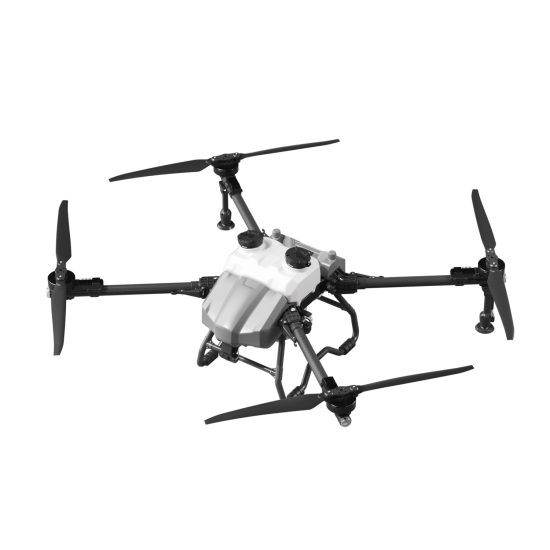
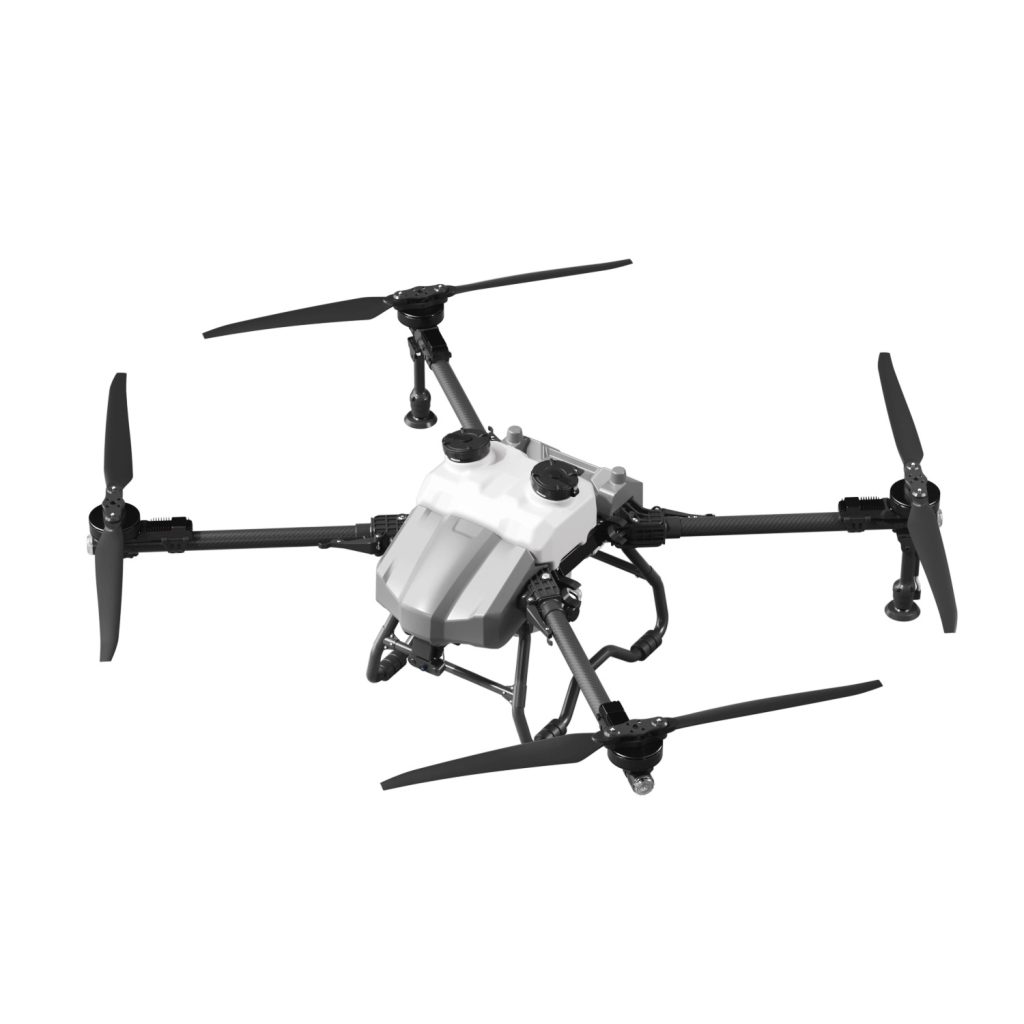
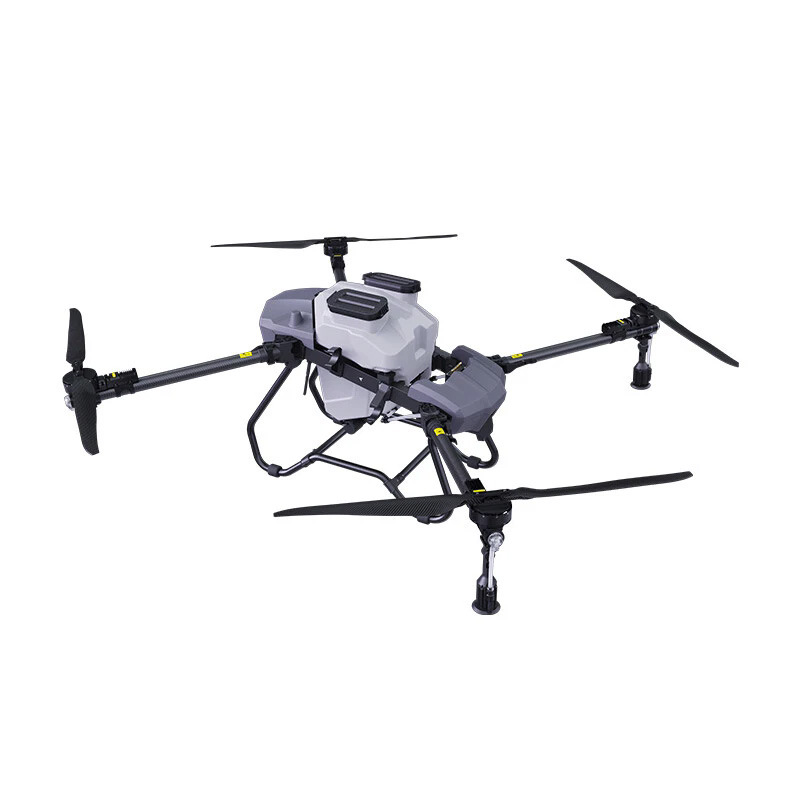
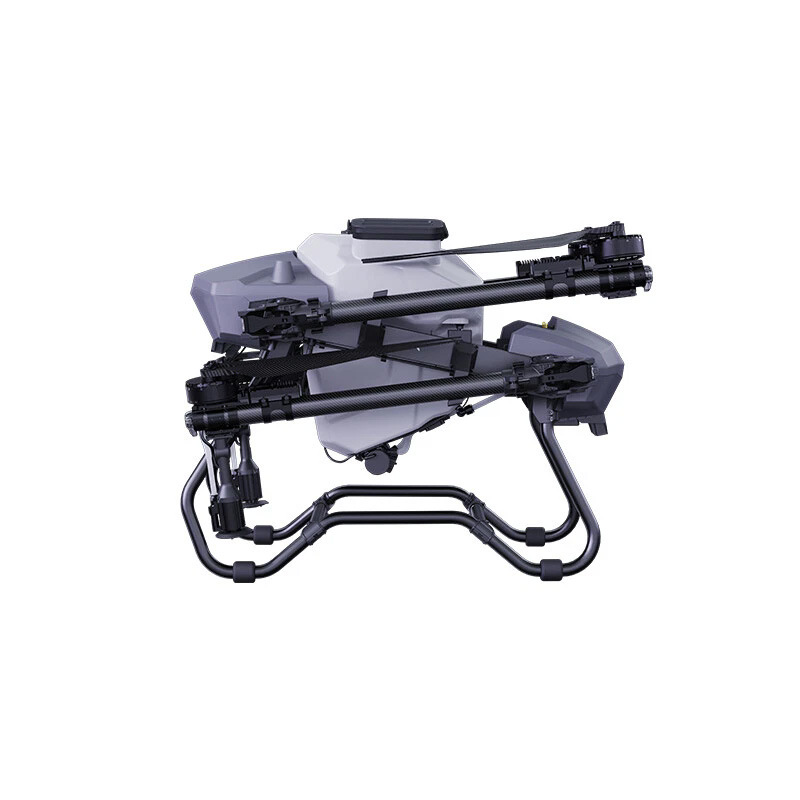
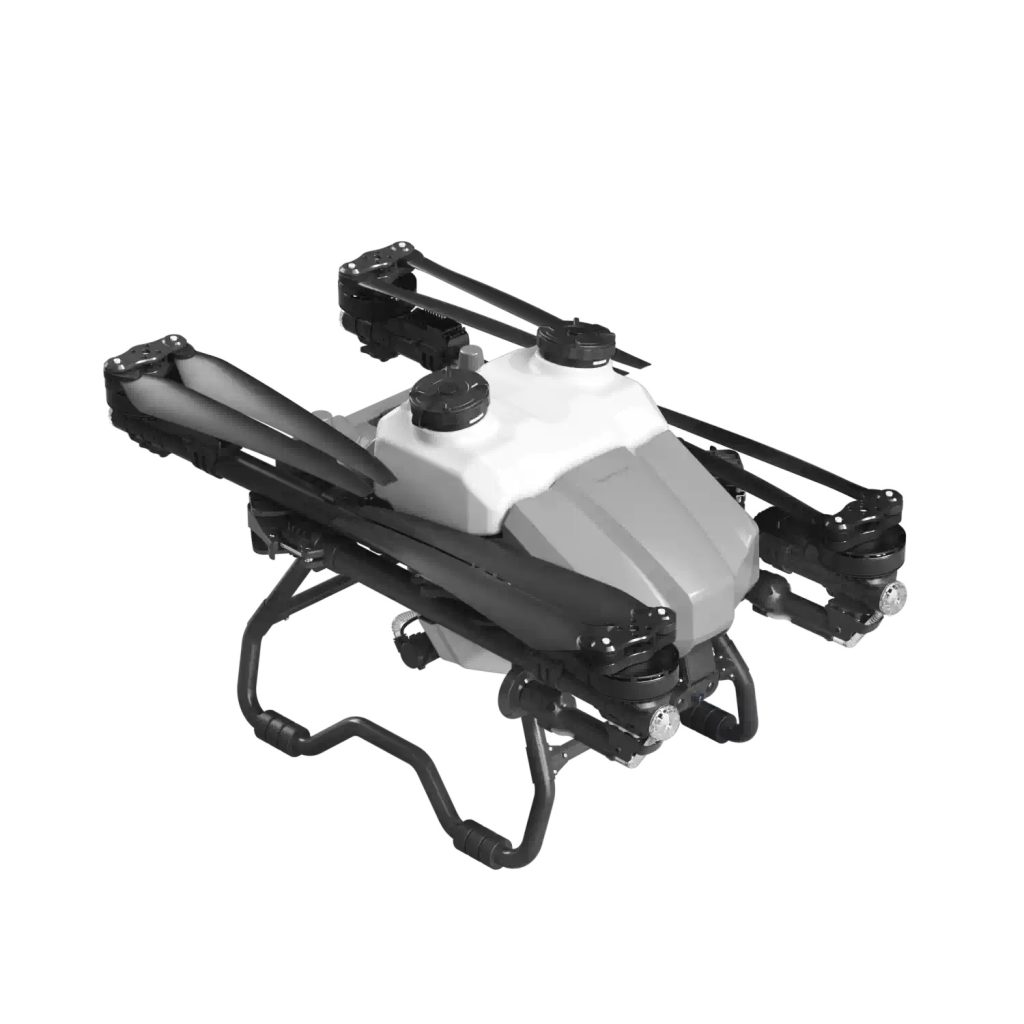
Are you looking for high-efficiency agricultural UAVs to protect your crops, save time, and reduce labor costs? Modern agricultural UAVs are transforming farming practices by providing automated, precise, and reliable spraying solutions. These drones help farmers improve crop health, optimize chemical usage, and increase overall productivity.
Whether you operate a small farm or manage large agricultural fields, high-efficiency UAVs allow you to streamline operations and achieve consistent results. This article explores the advantages, features, and best practices of using these UAVs, helping you make informed decisions for your farm.
Why High-Efficiency Agricultural UAVs Are Game-Changers
Traditional methods of spraying pesticides, herbicides, or fertilizers are often slow, labor-intensive, and prone to errors. Farmers must carry heavy equipment, manually navigate fields, and ensure even application, which can lead to wasted chemicals and reduced crop yields.
High-efficiency agricultural UAVs solve these challenges by combining precision, automation, and advanced monitoring. They allow farmers to apply chemicals consistently and accurately, reducing labor requirements while improving crop health and yield.
Key Benefits of High-Efficiency Agricultural UAVs
1. Precision Spraying
These UAVs are equipped with GPS and intelligent spraying systems that ensure each plant receives the exact chemical dosage it needs. Precision spraying prevents over-application, reduces chemical waste, and protects the environment while maximizing crop yield.
2. Time Savings
Manual spraying can take days to cover large fields. High-efficiency UAVs complete the same work in hours. Automated flight paths allow drones to operate continuously without constant supervision, freeing up time for other farm activities.
3. Cost Efficiency
Labor and chemical costs are major expenses in agriculture. Using UAVs reduces labor requirements and minimizes chemical usage, providing a high return on investment and lowering operational costs.
4. Environmental and Worker Safety
Battery-powered UAVs reduce carbon emissions compared to traditional machinery. Precision spraying minimizes chemical runoff and exposure, protecting both the environment and farm workers.
5. Versatility for Multiple Tasks
In addition to spraying, high-efficiency UAVs can perform crop monitoring, aerial mapping, seed sowing, and data collection. This versatility makes them a valuable multi-purpose tool for modern farming.
Features to Look for in High-Efficiency UAVs
- Payload Capacity: UAVs with 10–30 liters tank capacity reduce refill frequency and increase coverage.
- Spray Width & Flow Rate: Wider spray coverage and adjustable flow rates improve efficiency.
- Battery Life and Swappable Batteries: Longer flight times and swappable batteries allow uninterrupted operation.
- GPS & Automated Flight Control: Intelligent flight paths, obstacle avoidance, and GPS guidance improve accuracy and safety.
- Weather Resistance: Drones capable of flying in moderate wind and light rain provide operational flexibility.
- Real-Time Monitoring: Onboard sensors and cameras help track spraying coverage and crop health.
How High-Efficiency UAVs Enhance Crop Management
1. Consistent Crop Treatment
Automated spraying ensures uniform coverage, preventing over- or under-application of chemicals.
2. Early Detection of Pests and Diseases
UAVs equipped with cameras and sensors detect signs of pests, diseases, or nutrient deficiencies early, allowing timely intervention and reducing crop loss.
3. Minimizing Human Error
Manual spraying can result in uneven application or missed areas. UAVs automate the process, providing reliable and consistent results every time.
4. Improved Productivity and Reduced Costs
By reducing labor and chemical waste, UAVs increase farm productivity while lowering operational expenses, improving overall profitability.
Step-by-Step Workflow for Operating High-Efficiency UAVs
- Field Mapping: Use GPS mapping software to create accurate field maps and plan efficient flight routes.
- Chemical Preparation: Safely fill the UAV tank with pesticides or fertilizers following safety guidelines.
- Flight Programming: Set automated flight paths to ensure full coverage without overlap or missed areas.
- Monitor Operations: Track spraying in real-time using onboard sensors or mobile applications.
- Post-Flight Analysis: Review collected data to optimize future spraying schedules, chemical usage, and crop health.
Maintenance and Safety Tips
- Pre-Flight Checks: Inspect propellers, nozzles, and batteries before each flight.
- Protective Equipment: Wear gloves, masks, and protective clothing when handling chemicals.
- Battery Management: Charge and store batteries correctly to ensure optimal performance.
- Software Updates: Keep UAV firmware and flight software updated for safe and efficient operation.
- Weather Precautions: Avoid flying during storms or high winds to maintain safety and prevent damage.
FAQ (Frequently Asked Questions)
Q1: How much area can a UAV cover per day?
A: Depending on the drone and field conditions, UAVs can cover 50–200 acres per day efficiently.
Q2: Are high-efficiency UAVs difficult for beginners?
A: Modern UAVs are designed for user-friendly operation with automated flight modes and intuitive apps. Minimal training is required.
Q3: Can UAVs spray all types of pesticides and fertilizers?
A: Most UAVs are compatible with liquid pesticides, herbicides, and fertilizers. Always follow local agricultural guidelines.
Q4: Can UAVs operate in different weather conditions?
A: High-quality UAVs operate safely in moderate wind and light rain. Severe weather should be avoided for safety.
Q5: How often should UAVs be maintained?
A: Routine maintenance includes cleaning nozzles, inspecting propellers, checking battery health, and updating software. Regular care ensures reliable performance.
Icons/Visual Suggestions
- 🌾 Precision crop spraying
- 🛰️ GPS-guided navigation
- 🔋 Battery efficiency and swappable batteries
- 📷 Crop monitoring and analysis
- 👨🌾 Labor reduction and productivity
Call to Action (CTA)
Boost your farm’s efficiency with high-efficiency agricultural UAVs for plant protection. Request a quote today and find the perfect UAV for your farm.
✅ Fill out our inquiry form or contact us via email/WhatsApp. Our experts will provide tailored recommendations for your farm size, crop type, and spraying needs.
Sample User Review:
“High-efficiency UAVs have revolutionized our spraying operations. They are fast, safe, and precise, helping us save time and reduce costs!” – Ava, Farm Owner 🇺🇸
Order Reference: #MSOEN-HEAU-2026








No comments yet