



M
📌 Introduction:
High-definition drones are transforming the way we capture the world from the sky. Equipped with advanced cameras, long-range connectivity, and intelligent flight systems, these drones provide crystal-clear imagery for professionals and hobbyists alike. Whether you are in filmmaking, surveying, security, or agriculture, a high-definition drone enhances efficiency, creativity, and precision.
What is a High-Definition Drone?
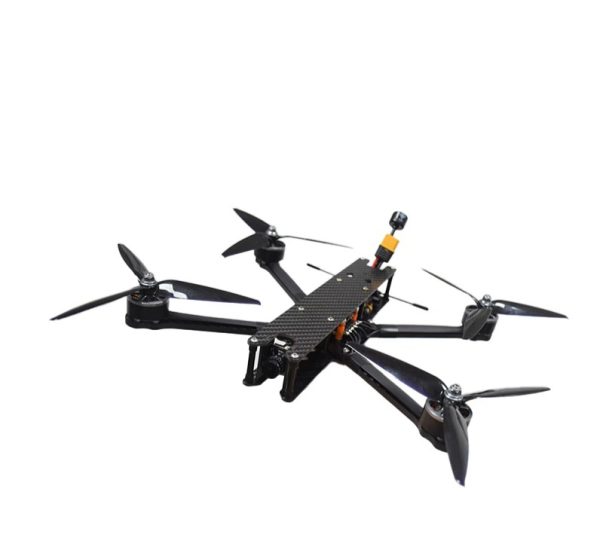
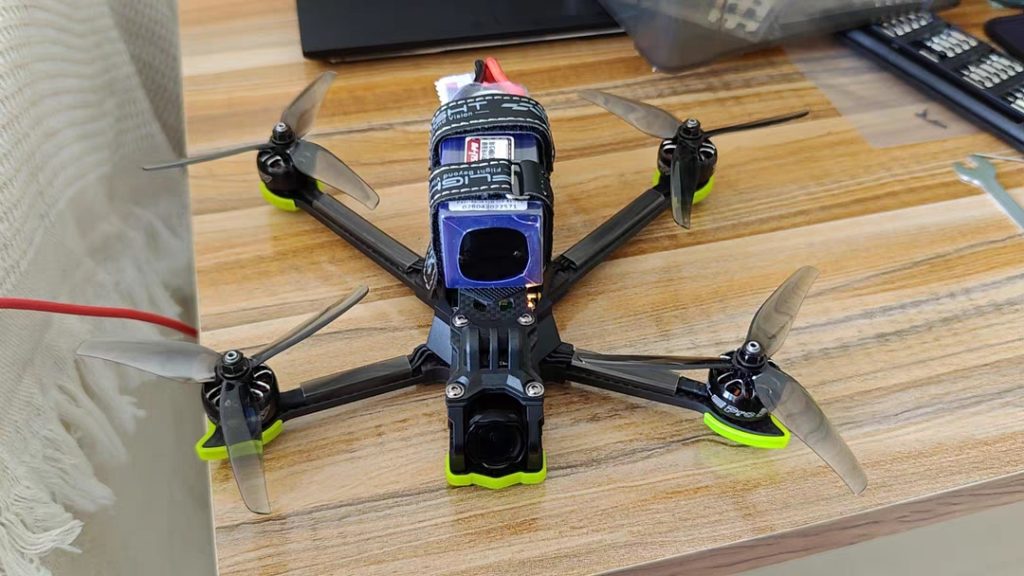
A high-definition (HD) drone is a UAV designed to capture high-resolution photos and videos, often in 4K, 6K, or even 8K quality. Unlike standard drones with basic cameras, HD drones feature:
- Advanced gimbals for stable and smooth footage
- High-resolution sensors for detailed imaging
- Enhanced optical zoom for precise surveillance and monitoring
- Strong signal transmission to maintain video clarity at long distances
These capabilities make HD drones indispensable for industries requiring accurate visual data.
Advantages of High-Definition Drones
1. Superior Image and Video Quality
HD drones allow users to capture sharp, detailed, and cinematic-quality footage from above. This is crucial for filmmakers, photographers, and real estate professionals who need professional-grade results.
2. Real-Time Monitoring
Equipped with live-streaming capabilities, HD drones provide instant aerial feedback, allowing operators to make informed decisions during inspections, surveys, or filming.
3. Increased Operational Efficiency
By combining long-range flight capabilities with high-resolution imaging, HD drones reduce the need for multiple equipment setups, saving time and labor costs.
4. Versatile Applications
High-definition drones are widely used in:
- Filmmaking & Photography: Aerial shots, cinematic sequences
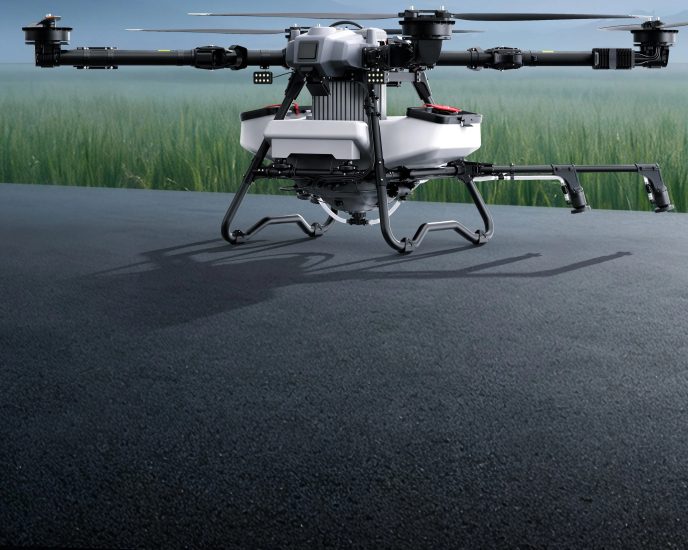
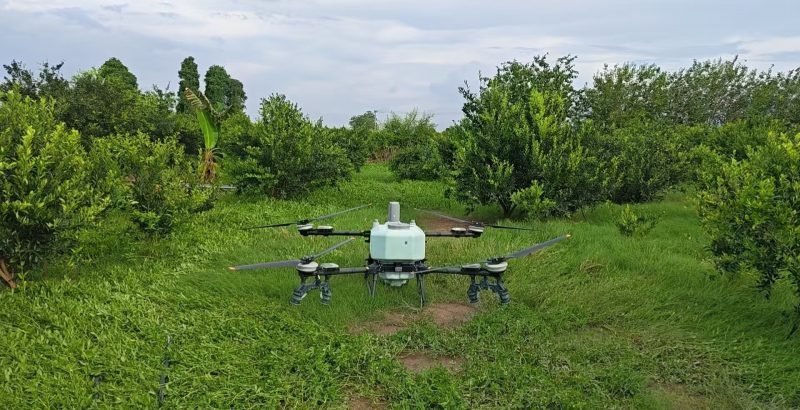
- Agriculture: Crop monitoring, pest detection, precision mapping
- Security & Surveillance: Monitoring large areas efficiently
- Infrastructure: Inspecting bridges, towers, and construction sites
Key Features to Look for in an HD Drone
When choosing a high-definition drone, consider these critical aspects:
- Camera Resolution: 4K is standard; 6K or 8K provides extra clarity for professional projects.
- Gimbal Stabilization: Ensures smooth footage even in windy conditions or during fast maneuvers.
- Flight Time: Look for drones offering 30–60 minutes of flight, depending on operational needs.
- Transmission Range: Long-range HD video requires strong communication links for real-time monitoring.
- Obstacle Avoidance: Smart sensors prevent crashes and protect expensive equipment.
- Durability: Water-resistant and weatherproof designs allow outdoor operations in challenging conditions.
Applications of High-Definition Drones
Filmmaking and Media Production
HD drones have revolutionized the film industry, allowing cinematic aerial shots without costly helicopters. Directors and photographers can achieve creative angles and smooth motion sequences efficiently.
Agriculture
Farmers use HD drones to monitor crops, detect irrigation issues, and assess plant health. The high-resolution imagery enables precise decision-making and optimizes yields.
Security and Surveillance
HD drones are deployed for real-time monitoring of large facilities, borders, or events. Their ability to capture high-resolution footage ensures clear evidence collection and situational awareness.
Infrastructure and Construction
Engineers leverage HD drones for bridge inspections, tower assessments, and construction progress monitoring. The detailed imagery helps detect issues before they escalate, improving safety and reducing costs.
How to Operate High-Definition Drones Safely
Proper operation is essential for achieving the best results and ensuring safety:
- Plan Your Flight: Evaluate weather, flight path, and area restrictions.
- Check Local Regulations: Ensure compliance with drone laws, altitude limits, and no-fly zones.
- Monitor Battery Levels: Avoid mid-flight power loss by planning for return-to-home contingencies.
- Utilize GPS and Obstacle Avoidance: Maintain stability and prevent collisions.
- Regular Maintenance: Inspect propellers, gimbals, and communication systems before every flight.
FAQ: High-Definition Drones
Q1: What resolution is considered high-definition for drones?
A1: 4K resolution is standard, but professional HD drones may offer 6K or 8K for enhanced detail.
Q2: Can HD drones be used for long-distance flights?
A2: Yes, many HD drones are designed with extended range and strong video transmission for real-time monitoring across kilometers.
Q3: Are HD drones suitable for beginners?
A3: Some HD drones feature automatic flight modes and beginner-friendly controls, but learning basic drone operation is recommended.
Q4: What industries benefit the most from HD drones?
A4: Film production, agriculture, security, construction, and surveying industries gain significant advantages from HD drone technology.
Why Invest in a High-Definition Drone
Investing in a high-definition drone opens new possibilities for professional imaging, precision monitoring, and innovative operations. HD drones save time, enhance safety, and produce detailed, actionable data for decision-making.
📩 Get Your HD Drone Today:
If you are ready to elevate your aerial projects, contact us to explore high-definition drone solutions tailored for your needs. Receive expert advice, product details, and personalized offers to maximize your investment.


No comments yet