


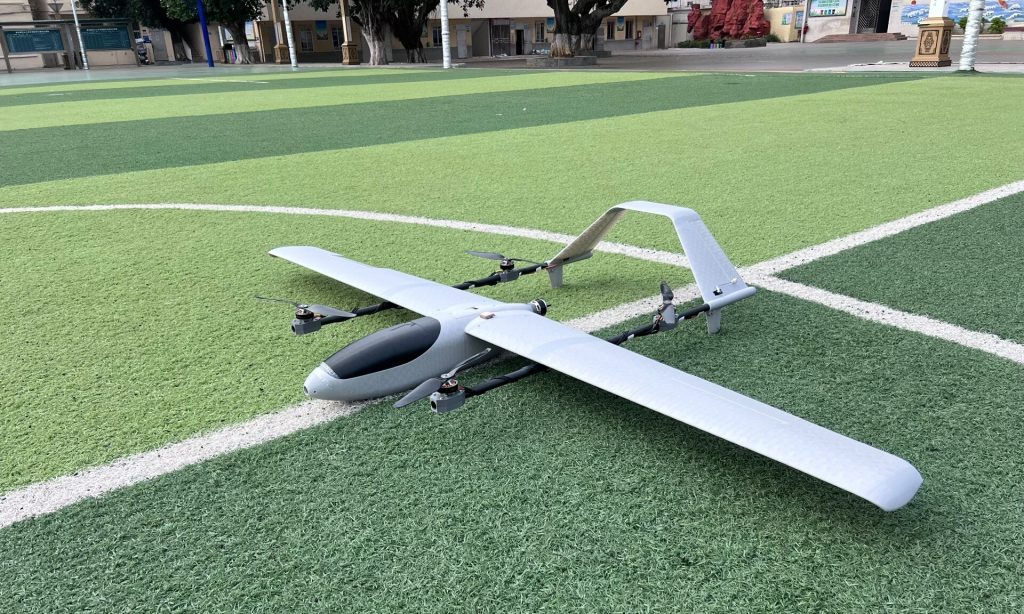
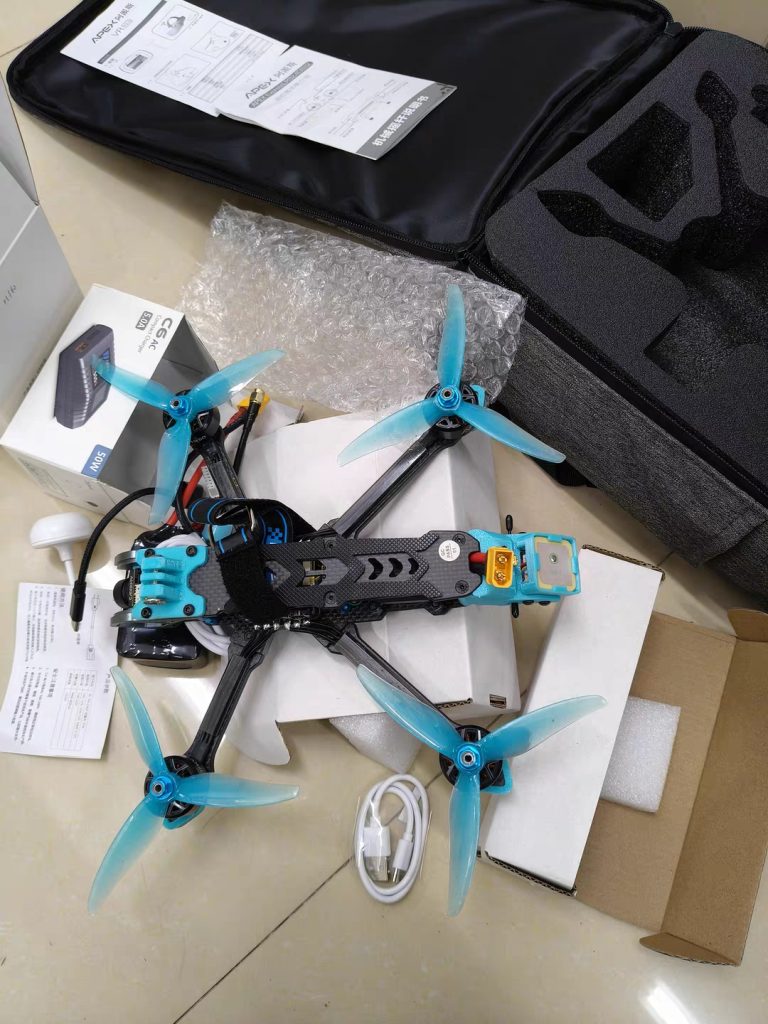
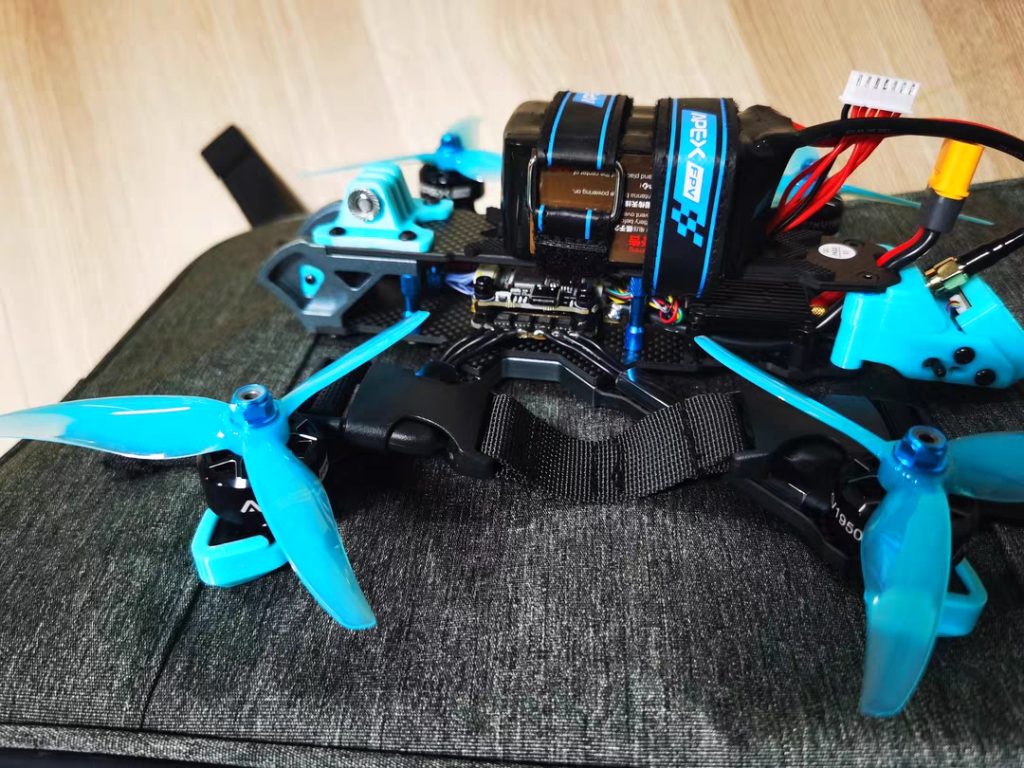
📦 Introduction
Heavy payload drone technology is transforming industrial operations by enabling unmanned aerial vehicles (UAVs) to carry larger loads and perform more demanding tasks. From agriculture and logistics to construction and emergency response, drones with high payload capacity are unlocking new possibilities for efficiency, productivity, and scalability.
For businesses, a heavy payload drone is not just a tool—it is a powerful solution to replace manual labor, reduce operational costs, and increase output. Whether transporting materials, spraying crops, or carrying specialized equipment, high payload drones are essential for modern industrial applications.
👉 Looking for heavy payload drone solutions? Contact us today to get a customized quote and expert consultation.
🚁 What Is a Heavy Payload Drone?
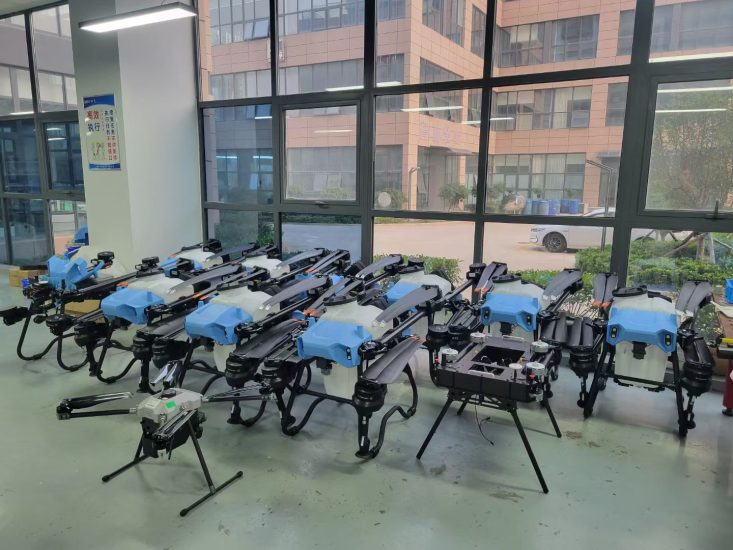
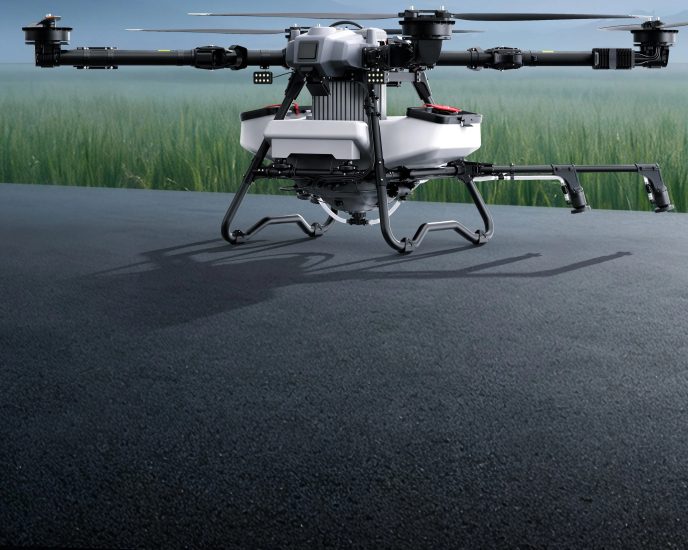
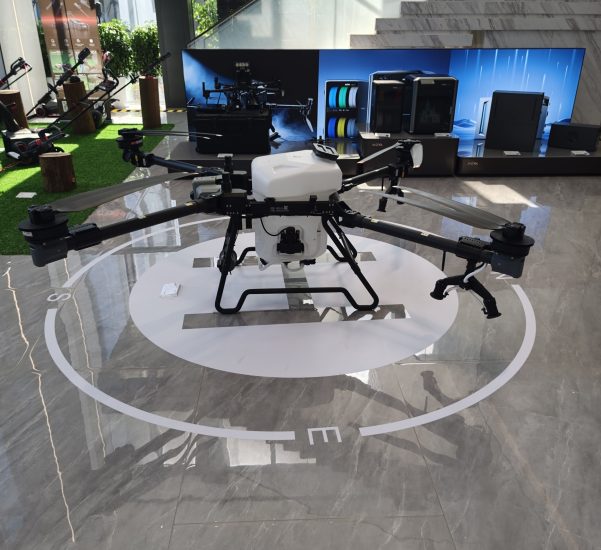
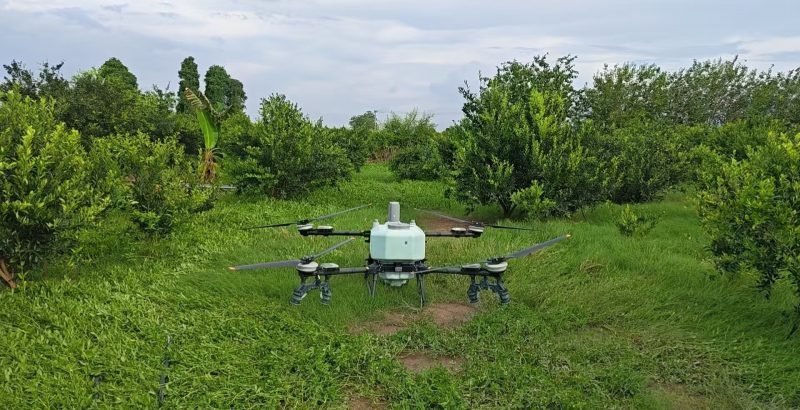
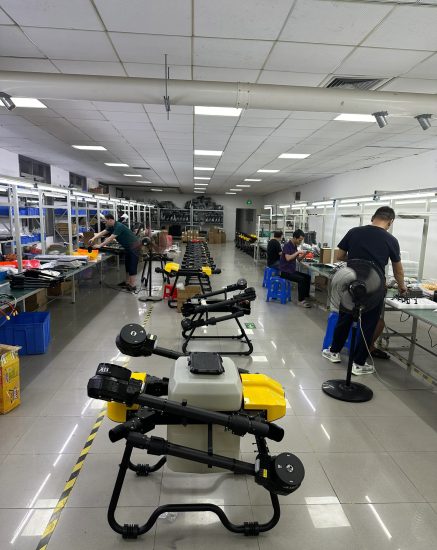
A heavy payload drone is a UAV designed to carry significantly more weight than standard drones. While consumer drones typically carry less than 2 kg, industrial heavy payload drones can carry:
- 10 kg to 50 kg or more
- Liquid payloads (e.g., pesticides, fertilizers)
- Specialized equipment (cameras, sensors, tools)
These drones are built with powerful motors, reinforced frames, and advanced flight control systems to ensure stable performance under heavy loads.
⚙️ Key Technologies Behind Heavy Payload Drones
1. High-Power Motor Systems
Heavy payload drones require strong propulsion systems.
- High-torque brushless motors
- Large propellers for increased lift
- Efficient thrust-to-weight ratio
These components ensure stable flight even under maximum load conditions.
2. Reinforced Frame Structure
Durability is critical for heavy payload operations.
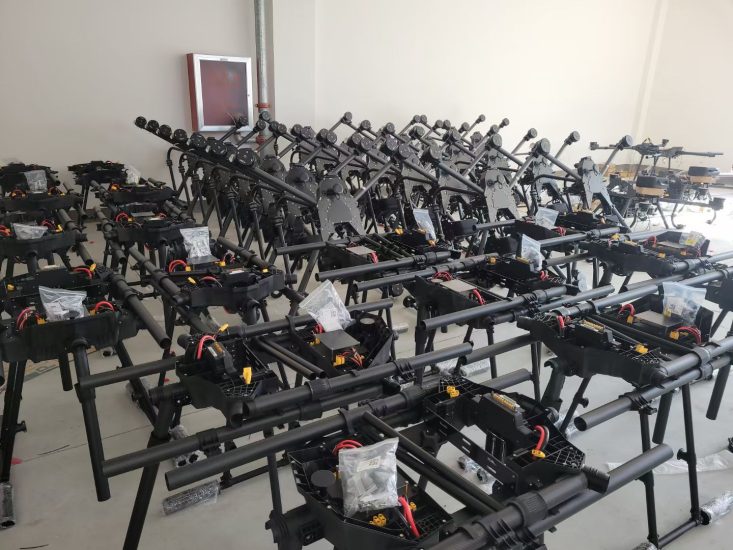
- Carbon fiber or aluminum alloy frames
- Foldable and modular designs
- High structural strength
A robust frame ensures safety and long-term reliability.
3. Advanced Flight Control Systems
Heavy loads require precise flight control.
- Intelligent stabilization systems
- Load balancing algorithms
- Autonomous flight capabilities
These systems maintain stability and accuracy during flight.
4. High-Capacity Power Systems
Carrying heavy loads requires efficient energy management.
- High-capacity batteries
- Optimized power distribution
- Energy-efficient flight control
5. Safety and Redundancy Systems
Safety is essential in industrial applications.
- Redundant flight controllers
- Dual battery systems
- Emergency landing features
These systems reduce risks during critical operations.


No comments yet