



Introduction: One Underwater Platform, Many Real-World Problems
Underwater environments vary dramatically—from calm aquaculture ponds to high-pressure dam foundations and turbulent reservoirs. Traditionally, each scenario required a different inspection method, specialized equipment, or even different teams. This fragmentation increased cost, complexity, and response time.
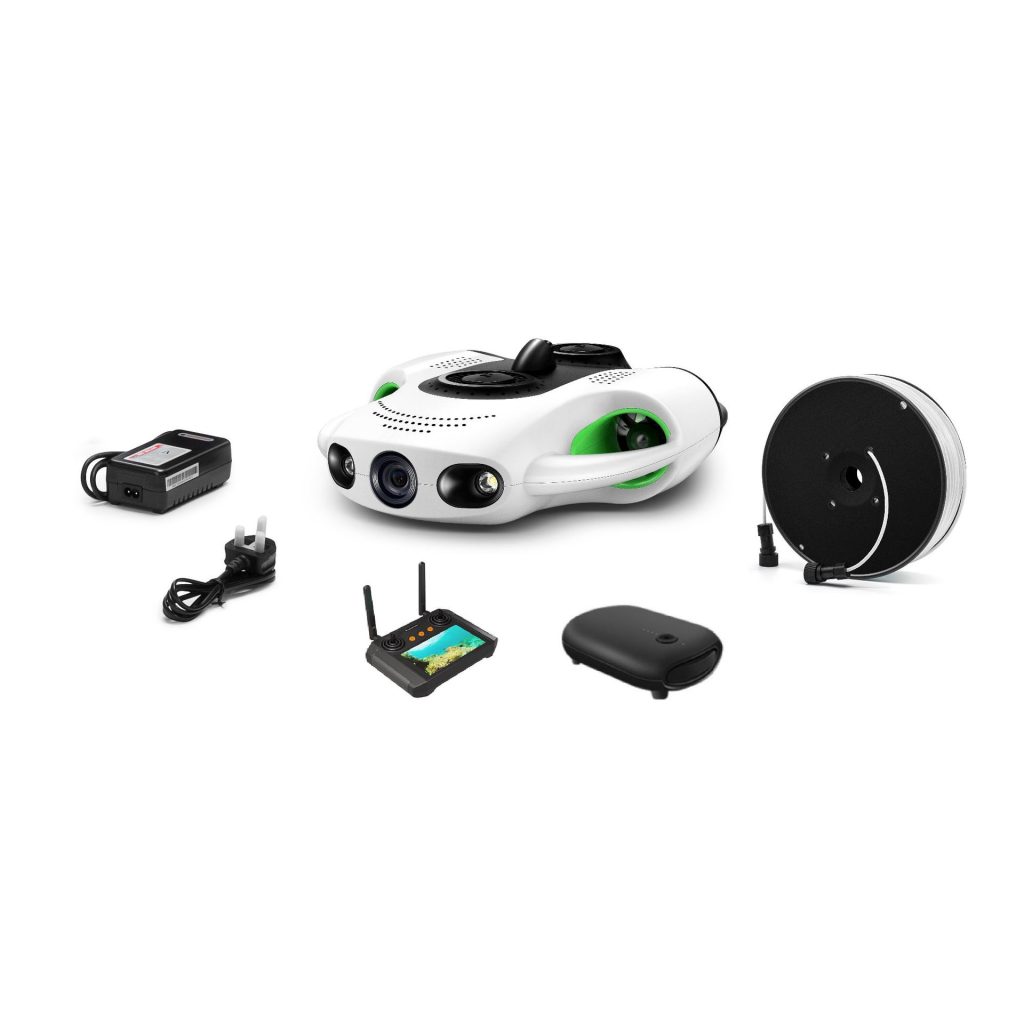
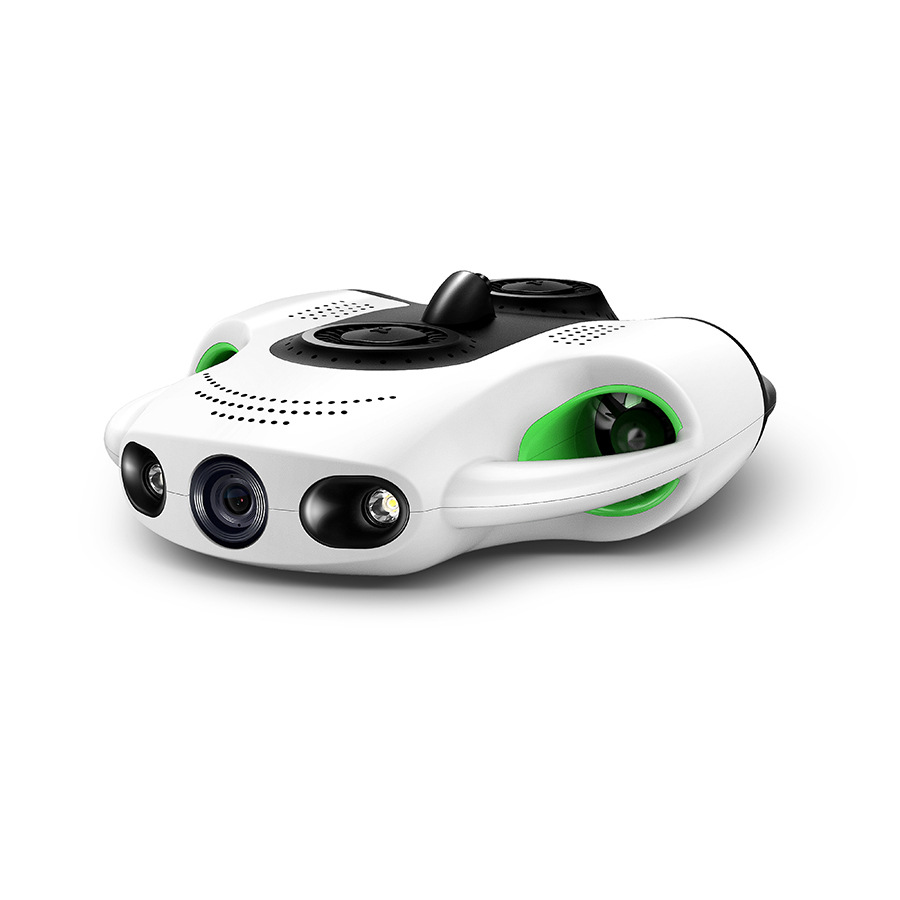
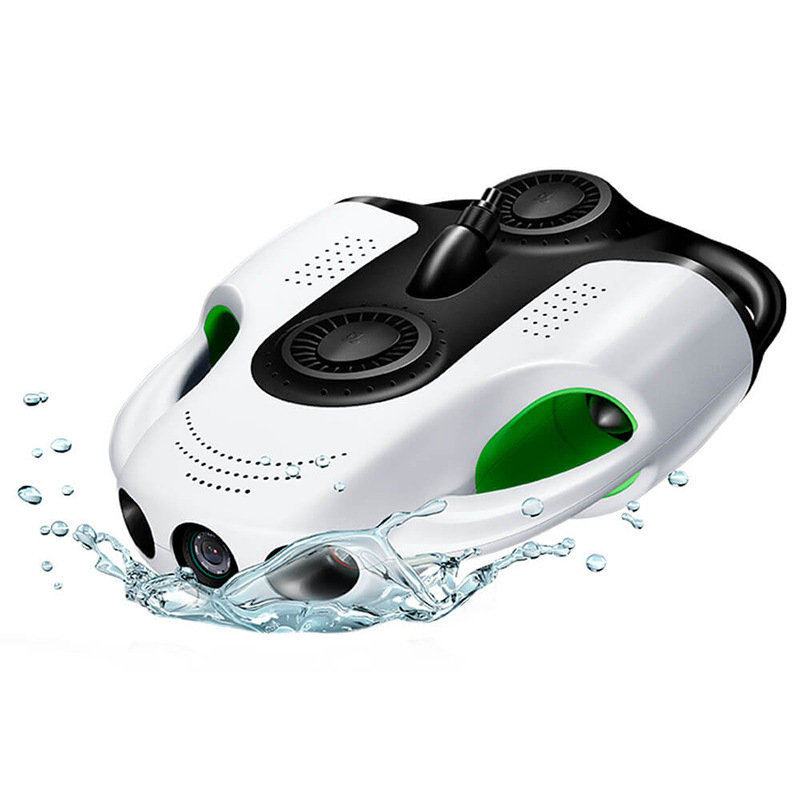
At MSOEN, we approach underwater robotics differently. Instead of building single-purpose tools, we engineer all-in-one underwater drone platforms designed to adapt across industries. From daily fish farm inspections to critical dam safety assessments, one MSOEN underwater drone can handle multiple underwater challenges without compromising precision or reliability.
This article provides a comprehensive, engineering-level overview of how the MSOEN all-purpose underwater drone enables professional users to inspect, monitor, and assess diverse underwater environments using a single, modular system.
Understanding the Need for Versatile Underwater Drones
Fragmentation in Traditional Underwater Inspection
Conventional underwater inspection workflows often involve:
- Divers for shallow, low-risk tasks
- Large ROV systems for deep or complex structures
- Fixed cameras or sensors for long-term monitoring
Each solution introduces logistical overhead, safety risks, and data inconsistencies. In contrast, a versatile underwater drone platform simplifies operations by unifying these capabilities into one deployable system.
Why Versatility Matters in Modern Subsea Operations
Industries today demand:
- Faster deployment
- Lower operational cost
- Repeatable and documented inspections
- Reduced dependence on specialized manpower
A multi-application underwater drone addresses these needs by offering adaptability without sacrificing technical performance.
MSOEN Engineering Philosophy: Designed for Multiple Environments
At MSOEN, versatility is not an afterthought—it is engineered into the system from the ground up.
Modular Mechanical Architecture
The MSOEN underwater drone features a modular internal layout that allows quick reconfiguration of:
- Camera systems
- Sonar modules
- Lighting arrays
- Manipulators or sensor payloads
This modularity ensures that the same core platform can be optimized for aquaculture monitoring one day and dam inspection the next.
Hydrodynamic Design for Stability Across Conditions
Different underwater environments present different challenges:
- Still water in fish farms
- Sediment-heavy reservoirs
- Vertical concrete dam faces
MSOEN drones utilize a hydrodynamically optimized hull design that minimizes drag while maintaining stability in mild to moderate currents. Balanced mass distribution and precise buoyancy control allow smooth hovering and controlled vertical movement.
Core Technologies Powering the MSOEN All-in-One Underwater Drone
Thruster Vectoring and Motion Control
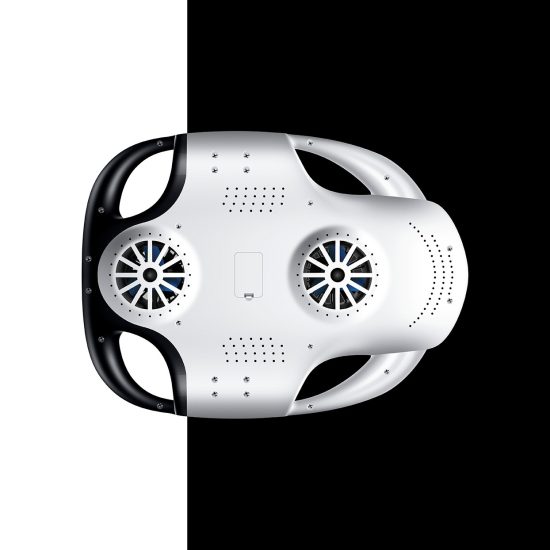
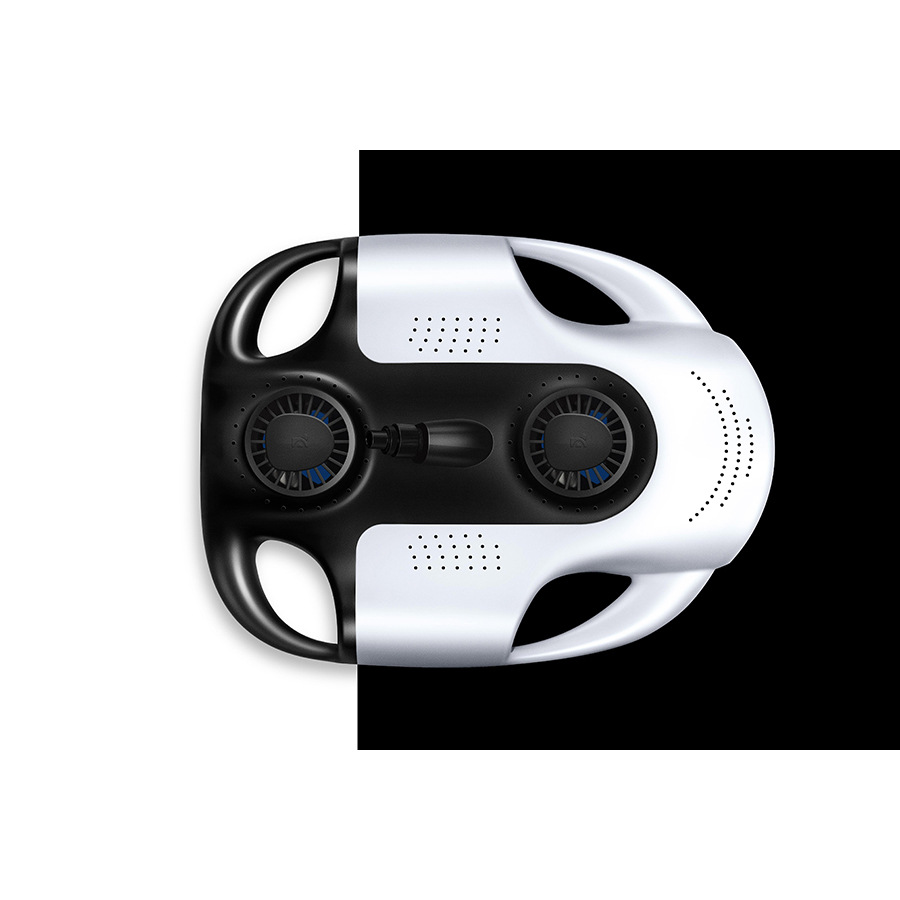
The MSOEN platform employs a multi-axis thruster vectoring system, typically configured with 6 brushless thrusters. This enables:
- Forward and reverse motion
- Vertical ascent and descent
- Yaw and lateral adjustment
Closed-loop control algorithms ensure stable positioning during close-range inspections, even near vertical structures such as dam walls.
Depth Rating and Structural Integrity
Different applications demand different depth capabilities. MSOEN underwater drones are engineered with pressure-rated housings tested well beyond nominal operating depths.
Key structural features include:
- Marine-grade aluminum alloy housing
- Multi-layer sealing with O-ring redundancy
- Pressure-tested enclosures
This ensures consistent performance from shallow aquaculture ponds to deep dam foundations.
Imaging and Sensor Systems
High-quality visual data is essential across all inspection scenarios.
Standard MSOEN configurations support:
- Full HD or 4K low-light cameras
- Wide dynamic range sensors
- High-output LED lighting (adjustable intensity)
Optional payloads include:
- Imaging sonar for low-visibility conditions
- Depth and temperature sensors
- Digital compass and IMU
Application Scenario 1: Aquaculture and Fish Farming
Daily Monitoring Made Efficient
In aquaculture, frequent inspection is critical for:
- Net integrity
- Fish behavior observation
- Biofouling detection
The MSOEN underwater drone enables farm operators to perform routine inspections without divers, reducing labor cost and improving safety.
Technical Advantages in Aquaculture
- Gentle thruster output minimizes disturbance to fish
- Compact size allows navigation inside cages
- High-clarity imaging supports early problem detection
Regular inspections using an underwater drone help prevent stock loss and improve operational efficiency.
Application Scenario 2: Dam and Reservoir Inspection
Critical Infrastructure Requires Reliable Data
Dam inspections demand:
- High structural accuracy
- Stable vertical navigation
- Reliable operation in low-light and sediment-rich water
MSOEN underwater drones are designed to meet these requirements with stable hovering capability and powerful lighting systems.
Structural Assessment Capabilities
Engineers can use MSOEN drones to:
- Inspect concrete surfaces for cracks or erosion
- Monitor sediment accumulation
- Assess intake and outlet structures
Real-time video allows immediate evaluation and documentation.
Application Scenario 3: General Infrastructure and Utility Inspection
Beyond aquaculture and dams, MSOEN underwater drones are widely applicable to:
- Bridge piers
- Water intake facilities
- Harbors and seawalls
A single platform can support multiple departments and inspection schedules.
Technical Specification Table (Reference Configuration)
| Parameter | Specification |
|---|---|
| Operating Depth Rating | Up to 300 m |
| Thruster Configuration | 6 brushless vectored thrusters |
| Maximum Speed | 2.0 m/s |
| Camera Resolution | 4K UHD |
| Lighting Output | 8000 lumens (adjustable) |
| Sonar Support | Optional imaging sonar |
| Power System | High-density lithium battery |
| Runtime | Up to 4 hours |
| Tether Length | 100–300 m |
| Operating Temperature | −5°C to 45°C |
| Deployment Time | ≤ 10 minutes |
| Operator Requirement | Single operator |
Performance Comparison: One MSOEN Drone vs Multiple Traditional Solutions
| Aspect | Traditional Approach | MSOEN All-in-One Drone |
|---|---|---|
| Equipment Required | Multiple systems | Single platform |
| Operators Needed | Divers + technicians | One operator |
| Deployment Speed | Slow | Fast |
| Safety Risk | High (divers) | Low |
| Data Consistency | Fragmented | Unified |
| Long-Term Cost | High | Optimized |
This comparison highlights the efficiency gained by consolidating inspection tasks into one adaptable underwater drone.
Reliability, Quality Control, and Trust
Engineering Validation and Testing
Every MSOEN underwater drone undergoes:
- Pressure testing
- Seal integrity checks
- Thruster endurance testing
- Electrical system validation
This ensures consistent performance in real-world conditions.
Designed for Long-Term Use
Corrosion-resistant materials, modular components, and serviceable design extend system lifespan and reduce downtime.
Future-Ready Design Philosophy
The MSOEN all-in-one underwater drone is built with future expansion in mind. Upcoming enhancements may include:
- AI-assisted defect recognition
- Automated inspection path planning
- Advanced data analytics integration
A modular architecture ensures that today’s investment remains valuable tomorrow.
Frequently Asked Questions (FAQ)
Q1: Can one MSOEN underwater drone really handle both aquaculture and dam inspections?
Yes. The platform is engineered for versatility, with modular payloads and stable control suitable for both environments.
Q2: Is specialized training required?
Basic operator training is sufficient. The control system is designed for intuitive use.
Q3: How does it perform in low-visibility water?
High-output lighting and optional sonar ensure effective operation in turbid conditions.
Q4: Is diver support still necessary?
For most routine inspections, the underwater drone can fully replace divers, improving safety.
Q5: How customizable is the system?
Payloads, tether length, and sensor configurations can be adapted to specific project needs.
Conclusion: One Platform, Unlimited Possibilities
From daily aquaculture monitoring to high-stakes dam inspections, underwater challenges are diverse—but the solution does not need to be complicated.
The MSOEN all-in-one underwater drone proves that a single, well-engineered platform can replace multiple traditional tools, delivering efficiency, safety, and reliable data across industries.
For operators who demand versatility without compromise, one machine is enough.
{
  "@context": "https://schema.org",
  "@type": "FAQPage",
  "mainEntity": [
    {
      "@type": "Question",
      "name": "Can one underwater drone be used for both aquaculture and dam inspection?",
      "acceptedAnswer": {
        "@type": "Answer",
        "text": "Yes. The MSOEN all-in-one underwater drone is designed with modular architecture and stable control systems, allowing it to adapt to aquaculture, dam inspection, and other underwater applications."
      }
    },
    {
      "@type": "Question",
      "name": "Is the MSOEN underwater drone suitable for professional infrastructure inspection?",
      "acceptedAnswer": {
        "@type": "Answer",
        "text": "Yes. It integrates professional-grade imaging, lighting, and navigation systems suitable for critical infrastructure and industrial inspection tasks."
      }
    }
  ]
}


No comments yet