




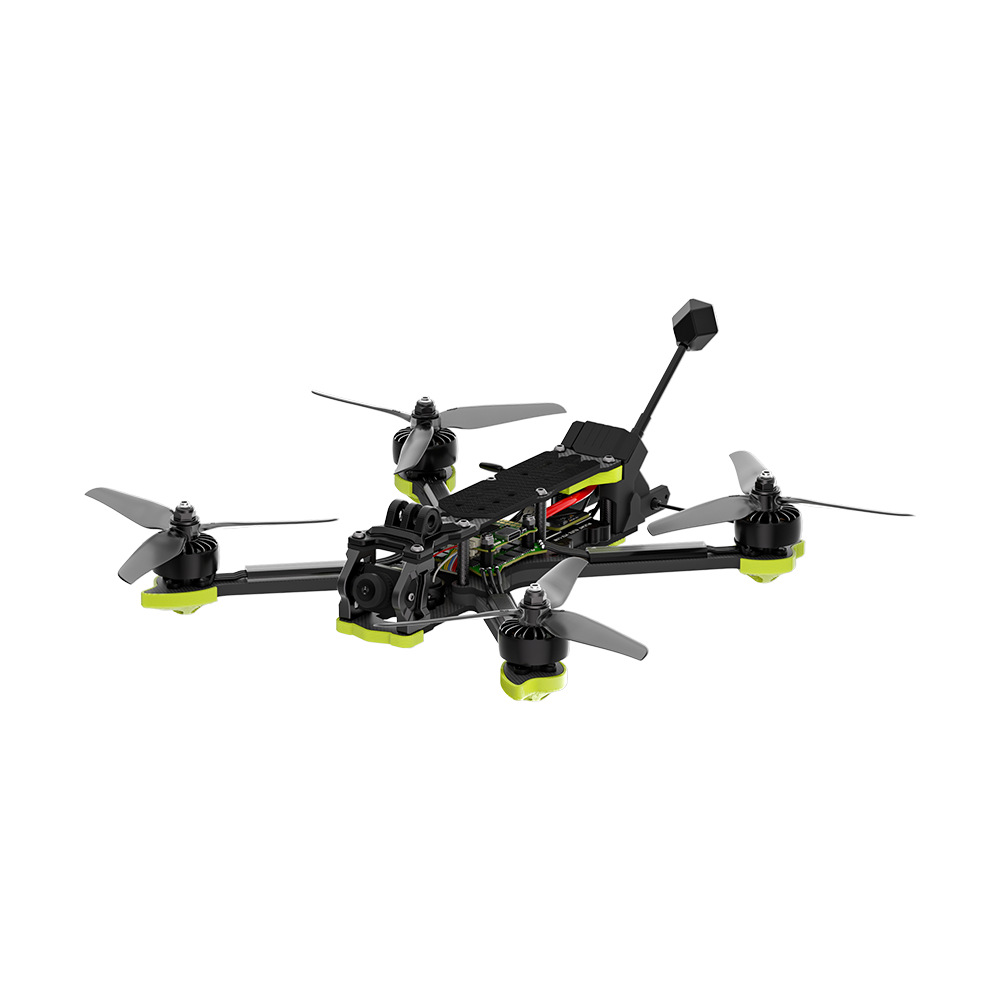

Forests are among the most valuable natural resources on Earth, providing ecological balance, biodiversity, and economic benefits. However, protecting vast forest areas from threats such as illegal logging, wildfires, poaching, and environmental degradation is a complex and demanding task. Traditional forest monitoring methods often rely on ground patrols and watchtowers, which can be limited in coverage, slow in response, and risky for personnel. Forest patrol drones have emerged as an advanced solution, transforming how forests are monitored and protected.
These unmanned aerial systems offer real-time surveillance, high-precision data collection, and the ability to operate in remote and challenging environments. As a result, forest patrol drones are becoming an essential tool for environmental protection, conservation management, and disaster prevention.
What Are Forest Patrol Drones?
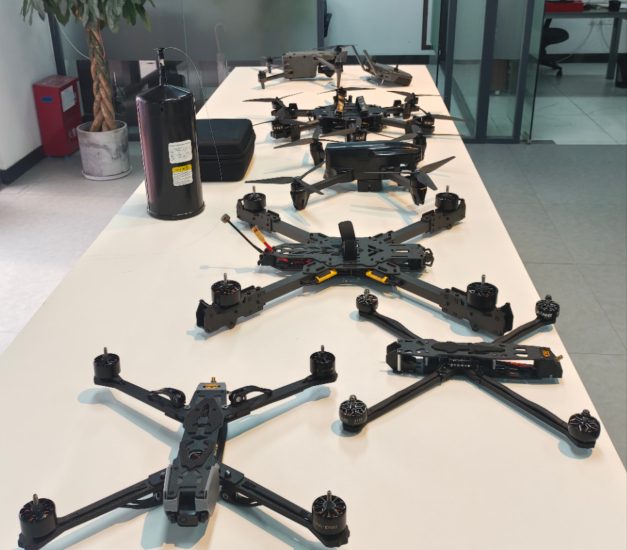
Forest patrol drones are unmanned aerial vehicles designed specifically for monitoring forest areas. They are equipped with advanced cameras, sensors, and navigation systems that enable them to capture detailed aerial data and detect environmental changes.
Their primary functions include surveillance of forest regions, detection of illegal activities, monitoring of wildlife, and early identification of fire risks. These drones can operate autonomously or under remote control, depending on mission requirements.
How Forest Patrol Drones Work
Forest patrol drones operate through a structured workflow that ensures efficient monitoring:
1. Mission Planning
Operators define patrol routes, monitoring zones, and objectives based on forest size and risk factors.
2. Autonomous Flight
The drone follows a pre-programmed route using GNSS navigation systems. It can adjust its flight path to avoid obstacles such as trees and uneven terrain.
3. Data Collection
During flight, the drone captures high-resolution images, thermal data, and environmental information.
4. Real-Time Data Transmission
Collected data is transmitted to control centers, allowing operators to monitor forest conditions in real time.
5. Detection and Response
When anomalies such as smoke, heat sources, or unauthorized activity are detected, alerts are generated for immediate action.
Core Technologies Behind Forest Patrol Drones
High-Resolution Cameras
These cameras provide detailed imagery for monitoring vegetation, terrain, and human activity.
Thermal Imaging Sensors
Thermal sensors detect heat signatures, enabling early detection of wildfires and monitoring at night.
GNSS Navigation Systems
Accurate positioning ensures reliable operation across large forest areas.
AI-Based Analytics
Artificial intelligence helps identify unusual patterns, such as illegal logging or wildlife movement.
Obstacle Avoidance Systems
Sensors allow drones to navigate safely through dense forests.
Environmental Sensors
Some drones are equipped with sensors to measure temperature, humidity, and air quality.
Advantages of Forest Patrol Drones
Wide Area Coverage
Drones can monitor large forest regions quickly and efficiently.
Early Fire Detection
Thermal sensors allow early identification of fire risks, reducing potential damage.
Enhanced Safety
Drones reduce the need for human patrols in dangerous or remote areas.
Cost Efficiency
They lower operational costs by reducing manpower and equipment needs.
Real-Time Monitoring
Live data allows quick decision-making and response.
Minimal Environmental Impact
Drones operate with minimal disturbance to wildlife and ecosystems.
Applications in Forest Management
Wildfire Prevention and Detection
Drones identify heat sources and smoke, enabling early intervention.
Anti-Logging Enforcement
They monitor illegal logging activities and provide evidence for enforcement actions.
Wildlife Monitoring
Drones track animal movement and help protect endangered species.
Environmental Research
Researchers use drones to study forest ecosystems and biodiversity.
Reforestation Monitoring
They track tree growth and evaluate reforestation efforts.
Disaster Response
After natural disasters, drones assess damage and support recovery efforts.
Comparison with Traditional Forest Patrol Methods
| Feature | Traditional Patrol | Drone Patrol |
|---|---|---|
| Coverage Area | Limited | Extensive |
| Response Speed | Slow | Fast |
| Cost | High | Lower |
| Safety | Risky | Safer |
| Data Accuracy | Moderate | High |
Challenges and Limitations
Despite their advantages, forest patrol drones face several challenges:
Dense Vegetation
Thick forest canopies may limit visibility and signal strength.
Weather Conditions
Rain, wind, and fog can affect flight performance and data quality.
Battery Limitations
Limited flight time requires efficient planning and multiple missions.
Communication Constraints
Remote forest areas may have weak communication signals.
Regulatory Restrictions
Drone operations must comply with local aviation and environmental regulations.
Best Practices for Forest Drone Operations
To ensure effective deployment, operators should follow these best practices:
- Plan routes based on risk zones and terrain
- Use thermal sensors for fire detection
- Maintain sufficient altitude for safe navigation
- Conduct regular equipment maintenance
- Ensure reliable communication systems
- Train operators for environmental conditions
Future Trends in Forest Patrol Drones
Autonomous Monitoring Systems
Future drones will operate independently, providing continuous forest surveillance.
AI-Driven Environmental Analysis
Artificial intelligence will enhance detection of environmental changes and threats.
Extended Flight Time
Advances in battery technology will allow longer missions.
Integration with Satellite Systems
Drones will work alongside satellites for comprehensive monitoring.
Advanced Sensor Development
New sensors will provide more detailed environmental data.
Importance of Forest Patrol Drones
Forest patrol drones play a critical role in protecting natural resources and maintaining ecological balance. Their ability to provide real-time, accurate, and wide-area monitoring makes them indispensable for modern forest management.
By integrating drone technology into forest protection strategies, organizations can improve efficiency, reduce risks, and respond more effectively to threats. These advantages are essential for preserving forests for future generations.
Conclusion
Forest patrol drones have revolutionized the way forests are monitored and protected. Their combination of speed, intelligence, and efficiency makes them a powerful tool for environmental conservation and disaster prevention.
As technology continues to evolve, these drones will become even more advanced, offering greater autonomy, improved detection capabilities, and enhanced integration with other systems. For organizations responsible for forest management, adopting drone-based patrol solutions is a forward-thinking and essential strategy.
Forest patrol drones are not just a technological innovation—they represent the future of sustainable and intelligent forest protection.



No comments yet