




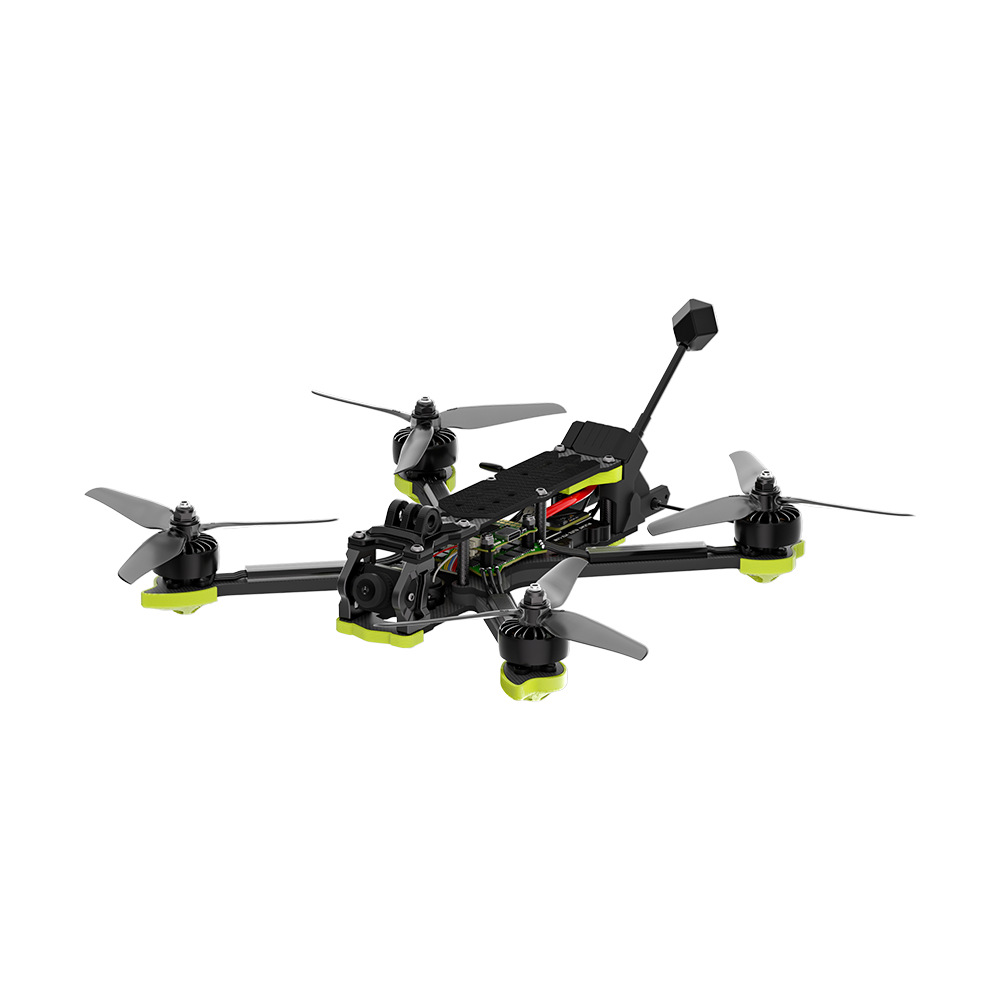


Firefighting Rescue Drones
Diary Entry – A Full Day in Emergency Response with Firefighting Rescue Drones
5:30 AM – Emergency Readiness Begins
Today started earlier than usual because emergency response operations require constant readiness. As part of a firefighting support team, my role is to operate firefighting rescue drones to assist in monitoring, search operations, and real-time decision-making.
Firefighting rescue drones have become essential tools in modern emergency management. They provide aerial visibility, rapid deployment, and real-time data transmission, allowing teams to respond faster and more effectively.
The day’s plan included fire monitoring, search and rescue support, and emergency assessment tasks. Every mission required precision, speed, and reliability.
6:00 AM – Equipment Inspection and System Check
Before any deployment, I conducted a full system inspection. The drone’s battery, propellers, thermal sensors, cameras, and communication systems were all carefully checked.
Firefighting drones must operate in challenging environments, including high temperatures, smoke, and low visibility. Ensuring stable performance is critical for mission success.
The thermal imaging camera was calibrated to detect heat sources, which is essential for locating fire hotspots and trapped individuals.
6:30 AM – First Deployment: Fire Monitoring
The first call came in—a fire had broken out in a warehouse area. The drone was deployed immediately.
Within minutes, it reached the scene and began transmitting live aerial footage. From above, I could clearly see the spread of the fire, smoke patterns, and surrounding structures.
This information was shared with the ground team, helping them plan their response strategy. The ability to see the situation from the air significantly improves decision-making and safety.
8:00 AM – Thermal Imaging and Hotspot Detection
As the fire continued, the drone switched to thermal imaging mode.
Heat signatures revealed hidden hotspots that were not visible to the naked eye. Identifying these areas is crucial because they can reignite if not properly managed.
The drone hovered steadily, scanning the entire site. Real-time data allowed firefighters to focus their efforts efficiently, reducing risk and saving time.
9:30 AM – Search and Rescue Operation
After the fire was partially controlled, a search and rescue operation began. There were concerns about missing individuals inside the building.
The drone entered the area, using thermal sensors to detect human presence. Even through smoke and debris, heat signatures can reveal locations of people in need of rescue.
Within minutes, a potential signal was identified. The coordinates were sent to the rescue team, allowing them to act quickly.
11:00 AM – Situation Assessment and Reporting
Once the fire was under control, the drone conducted a full aerial assessment of the site.
High-resolution images and video footage were captured to document damage and evaluate structural conditions. This data is important for post-incident analysis and future prevention strategies.
12:30 PM – Maintenance and Battery Replacement
After the morning operations, the drone returned for maintenance.
Exposure to heat and smoke requires thorough inspection. I checked all components, cleaned sensors, and replaced the battery to ensure readiness for the next mission.
Reliable performance is critical in emergency situations where every second counts.
1:30 PM – Forest Fire Monitoring
In the afternoon, we received another alert—a small forest fire had been detected.
The drone was deployed quickly to monitor the spread. From above, it tracked the fire line, wind direction, and surrounding vegetation.
This information helped firefighters create containment strategies and prevent the fire from spreading further.
3:00 PM – Real-Time Coordination Support
During the operation, the drone acted as a communication and monitoring tool.
Live video feeds allowed command teams to coordinate ground units effectively. The drone’s ability to stay airborne for extended periods made it an invaluable asset in managing large-scale operations.
4:30 PM – Risk Area Inspection
After the fire was contained, the drone was used to inspect high-risk areas.
It scanned for remaining hotspots and structural hazards, ensuring the site was safe before allowing personnel to enter.
This reduces risk for firefighters and improves overall operational safety.
6:00 PM – Final Mission and Return
The final task of the day involved monitoring a previously affected area to ensure no re-ignition occurred.
The drone performed a detailed scan, confirming that all hotspots had been extinguished.
After completing the mission, it returned to base for final inspection and data storage.
7:00 PM – Data Review and Reporting
At the end of the day, all footage and data were reviewed.
The collected information included:
- Fire spread patterns
- Thermal imaging data
- Search and rescue coordinates
- Damage assessment visuals
This data is essential for improving future emergency response strategies.
Reflection on the Day
Today demonstrated how important firefighting rescue drones are in modern emergency operations.
They provide:
- Real-time aerial visibility
- Thermal imaging for hotspot detection
- Fast deployment for urgent situations
- Improved safety for rescue teams
- Accurate data for decision-making
Compared to traditional methods, drones significantly enhance efficiency and reduce risk.
Why Choose Firefighting Rescue Drones
Firefighting rescue drones are ideal for:
- Fire departments
- Emergency response teams
- Disaster management agencies
- Industrial safety operations
- Forest fire monitoring
They improve response speed, accuracy, and overall safety during critical situations.
Inquiry and Cooperation Opportunity
If you are looking for professional firefighting rescue drones, advanced drone solutions can support your emergency operations effectively.
Suitable for:
- Fire rescue teams
- Government emergency units
- Industrial safety departments
- Disaster response organizations
With advanced thermal imaging, stable flight performance, and real-time data transmission, these drones provide reliable support in critical situations.
Contact us today to get detailed specifications, pricing, and cooperation opportunities. Equip your team with advanced drone technology and improve emergency response efficiency.
Conclusion
Firefighting rescue drones are transforming how emergencies are managed. From monitoring fires to supporting rescue operations, they provide critical information that saves time, reduces risk, and protects lives.
As technology continues to advance, drones will play an even greater role in emergency response systems. Investing in firefighting rescue drones is not just about technology—it is about improving safety, efficiency, and the ability to respond when it matters most.


No comments yet