




Diary Entry – A Day Operating Film Production Drones
5:30 AM – Early Morning Preparations
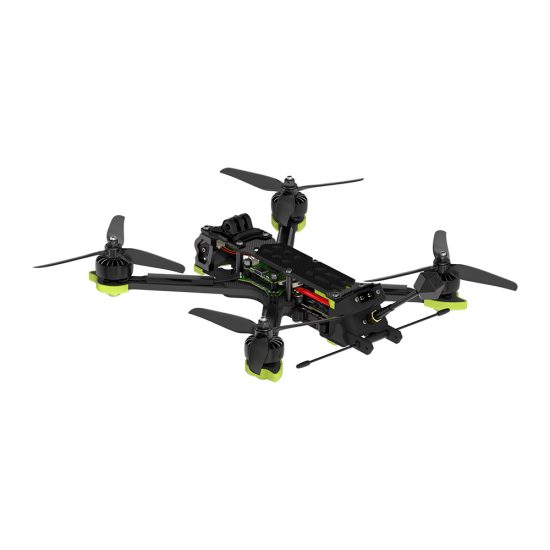
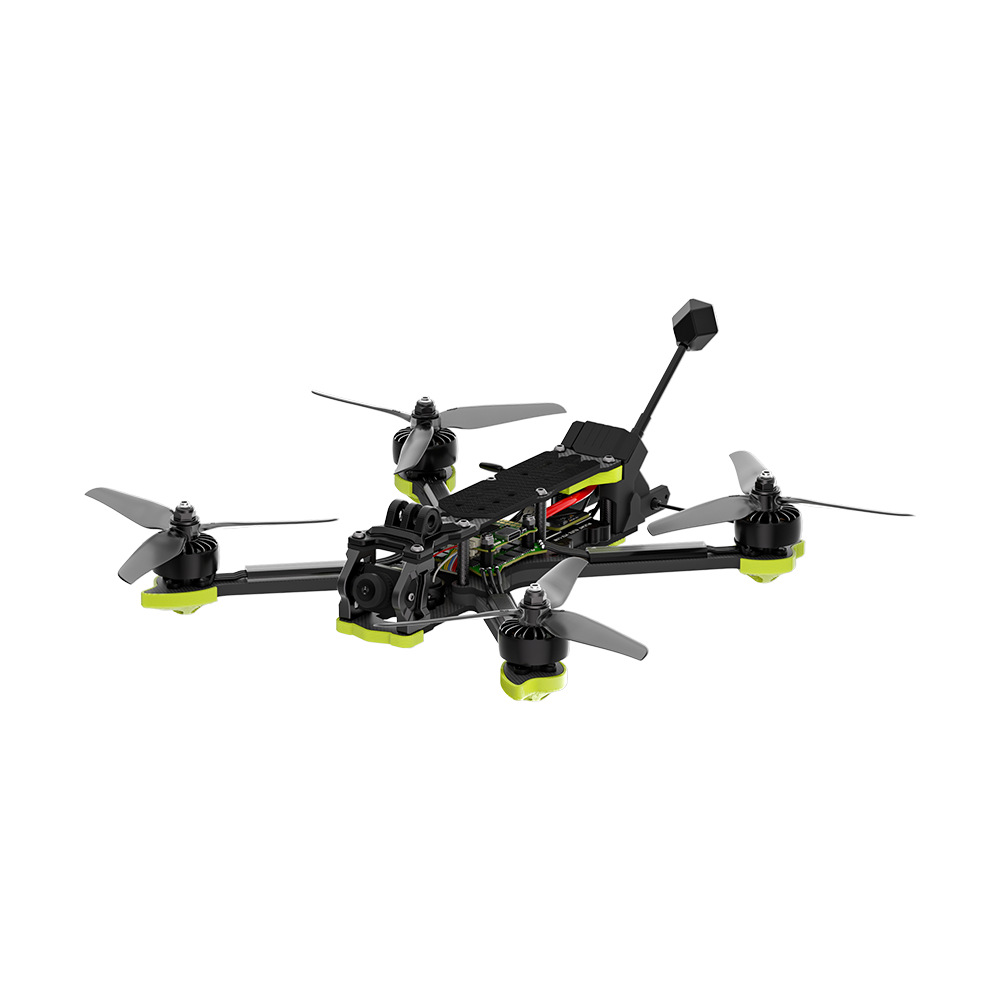
The day began at the film production drone operations hub before sunrise. Today’s schedule included multiple drone shoots for a cinematic production, covering cityscapes, rural landscapes, and action sequences. Film production drones combine high-resolution cameras, advanced gimbals, and autonomous flight systems to achieve dynamic shots that would otherwise require cranes, helicopters, or cable rigs.
The first task was reviewing the storyboard and planned drone shots. Each flight had a specific purpose: sweeping establishing shots, complex tracking sequences, and aerial close-ups of moving subjects. Weather conditions, especially wind and light, were assessed carefully to ensure safe flights and optimal visual quality.
6:00 AM – Pre-Flight Inspections
Before any drone was launched, I conducted thorough pre-flight inspections. Batteries were fully charged, rotors and motors were checked, and sensors were calibrated. Camera systems were inspected for lens cleanliness, focus settings, and gimbal stability. For cinematic shots, precise camera angles and movement paths were programmed in advance to match the director’s vision.
One drone was assigned to capture a sweeping aerial shot of a river valley during sunrise. Its autonomous flight path was carefully programmed to navigate terrain and avoid obstacles while maintaining smooth camera movement.
6:30 AM – Sunrise Cinematic Shots
The first drone lifted off quietly, ascending above the valley. Its gimbal stabilized the camera perfectly, ensuring smooth footage despite minor wind gusts. The drone followed a pre-programmed path to capture the full breadth of the landscape, highlighting the river’s curves and the golden glow of morning light.
Watching the live feed from the drone was impressive. Every frame provided a cinematic perspective impossible to achieve from the ground. Autonomous flight modes allowed the drone to hover, pan, and tilt with precision, creating professional-quality footage for the production team.
8:00 AM – Urban Scene Filming
The next mission involved filming a bustling city skyline for an opening sequence. High-rise buildings, moving vehicles, and cranes presented challenges for navigation. The drone’s AI-assisted navigation allowed precise maneuvering while maintaining the required camera angles.
I adjusted camera settings in real time to account for changing light, capturing reflections on glass facades and the dynamic flow of city streets. Tracking shots of moving subjects, such as cars and pedestrians, were executed with smooth follow modes, creating cinematic sequences that would blend seamlessly into the film.
10:00 AM – Action Sequence Filming
Mid-morning, a drone was deployed to film an action scene involving moving vehicles and performers on a rural road. Flight paths were pre-programmed for dynamic movement, including swoops, orbiting shots, and low-altitude passes. The gimbal stabilized the camera, maintaining smooth footage even during rapid drone maneuvers.
Safety was paramount, as drones flew near performers and vehicles. Altitude adjustments and obstacle detection systems ensured safe distances while capturing thrilling cinematic angles. Live feeds allowed me to adjust movements to match the director’s vision in real time.
11:30 AM – Review and Adjustments
Between sequences, I reviewed footage to check framing, exposure, and motion smoothness. Minor adjustments were made to flight paths and camera settings for the next shots. The combination of autonomous navigation and manual oversight ensured the best visual results while keeping safety a priority.
12:30 PM – Maintenance and Battery Swap
Drones returned to the hub for routine maintenance. Rotors, gimbals, and camera systems were inspected for wear, cleaned, and recalibrated. Batteries were replaced to ensure full flight capacity for the afternoon missions. Proper maintenance is crucial for professional film production, where uninterrupted drone performance is necessary to meet tight schedules.
1:30 PM – Aerial Tracking Shots
The afternoon was dedicated to tracking moving subjects through varied terrain. One drone followed an actor riding a bicycle through a forest path, while another captured an off-road vehicle moving along a hilly landscape. Flight paths were designed to provide dynamic angles, sweeping panoramas, and close-up details.
Real-time adjustments to camera tilt and pan ensured precise framing. The drones’ autonomous modes maintained smooth flight despite changes in elevation, terrain obstacles, and wind conditions. Each shot required synchronization between drone movements, camera operation, and the actors’ timing.
3:00 PM – Sunset and Golden Hour Filming
Late afternoon focused on capturing golden hour footage. The warm light added depth and cinematic quality to the scenes. Drones hovered over fields and lakes, creating reflective and panoramic shots. Time-lapse sequences were captured to show movement in clouds and light shifts, adding visual texture to the film.
Autonomous flight ensured stability and consistency for extended shots, while live monitoring allowed minor course corrections for perfect framing. Camera settings were adjusted dynamically to maintain exposure as light changed.
5:00 PM – Night Scene Preparations
As evening approached, drones were prepared for low-light and night filming. Infrared-assisted navigation and high-sensitivity cameras enabled safe operation in limited light. Shots included city streetlights, illuminated buildings, and vehicle headlights for cinematic night sequences.
The AI-assisted flight system maintained precise positioning, ensuring smooth tracking and avoiding obstacles even in darkness. Cinematic sequences were captured without the need for additional lighting rigs, saving time and adding realism to the footage.
6:30 PM – End-of-Day Review
After all flights, I reviewed footage in detail. Each shot was analyzed for smoothness, exposure, composition, and alignment with the director’s storyboard. Minor post-processing notes were recorded, and high-priority sequences were flagged for review by the film’s editing team.
7:00 PM – Preparing for Tomorrow
Before leaving, drones were cleaned, rotors and gimbals recalibrated, and batteries recharged. Flight paths and cinematography plans for the next day were prepared, considering weather forecasts, light conditions, and production needs. Emergency drones were kept ready for any unplanned sequences.
Reflection on the Day
Today highlighted the power and flexibility of film production drones. They allow filmmakers to capture dynamic shots, complex tracking sequences, and cinematic aerial perspectives that were previously difficult or impossible without helicopters or cranes. Drones provide both creative freedom and technical precision, making them indispensable in modern film production.
Conclusion
Operating film production drones is both a technical and creative challenge. Each flight requires careful planning, precise execution, and real-time monitoring. Drones enable filmmakers to achieve new perspectives, cinematic movement, and high-quality footage efficiently and safely.
As technology advances, drones in film production will continue to evolve, offering higher-resolution cameras, longer flight times, and more precise autonomous capabilities. Film production drones are not just tools—they are essential collaborators in bringing creative visions to life from the sky.



No comments yet